

Especificaciones y análisis del Volvo V40
Power
165HP
Torque
240Nm
Consumption
9.2l/100
Emissions
-g/km
0-100 km/h
9s
Top Speed
215km/h
Weight
1300kg
Price
27,327€
Technical summary
Gasolina
Automático 5v
FWD
5 / 5 doors
413 L
60 L
121 kW
Current
Technical specifications
Engine
Capacities
Detailed analysis of the Volvo V40 2.0T Aut. · 165 CV (2000-2002)
General description
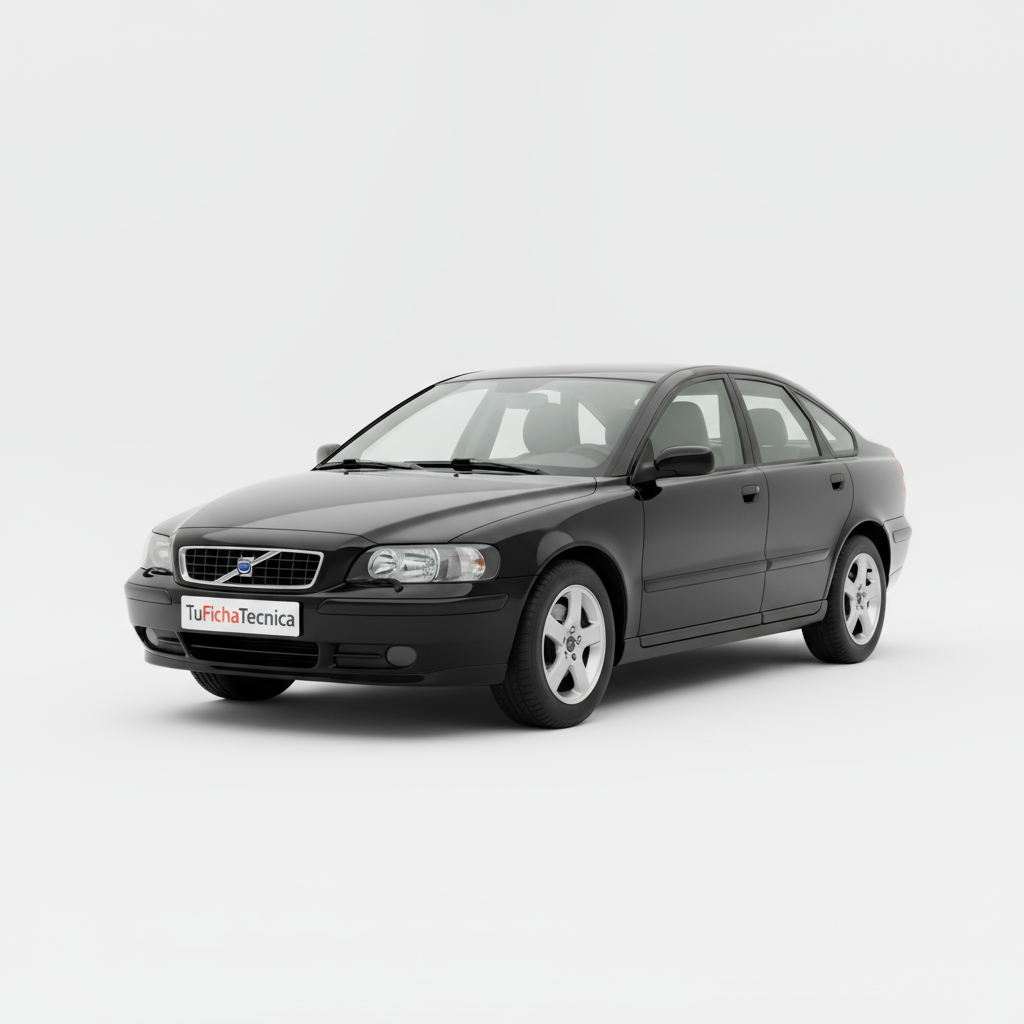
The 1996 Volvo V40 2.0T Aut. is a vehicle that, despite its age, still evokes a sense of solidity and safety. This model, with its 165 HP gasoline engine and 5-speed automatic transmission, was presented as a balanced option for those seeking comfort and a touch of sportiness in a family format. Its timeless design and Volvo's reputation for durability make it a classic that can still offer a satisfying driving experience today.
Driving experience
Behind the wheel of the V40 2.0T Aut., the predominant feeling is one of poise and safety. The McPherson front suspension and the rear suspension, although not specified in detail, contribute to a comfortable ride, absorbing road irregularities with competence. The 165 HP engine, with its turbo and intercooler, delivers an energetic response, especially at low revolutions thanks to its 240 Nm of torque at 1800 rpm, which facilitates overtaking and highway driving. The acceleration from 0 to 100 km/h in 9 seconds is respectable for its time and type of vehicle, and the top speed of 215 km/h allows for effortless high-speed cruising. The rack-and-pinion steering, although without variable assistance, offers a direct connection to the road, and the ventilated front and solid rear disc brakes ensure effective stopping. Despite its size, the turning circle of 10.6 meters facilitates city maneuvers. The combined consumption of 9.2 l/100km is a reminder that we are dealing with a turbocharged gasoline engine from a few decades ago, but it is not excessive for the performance it offers.
Design and aesthetics
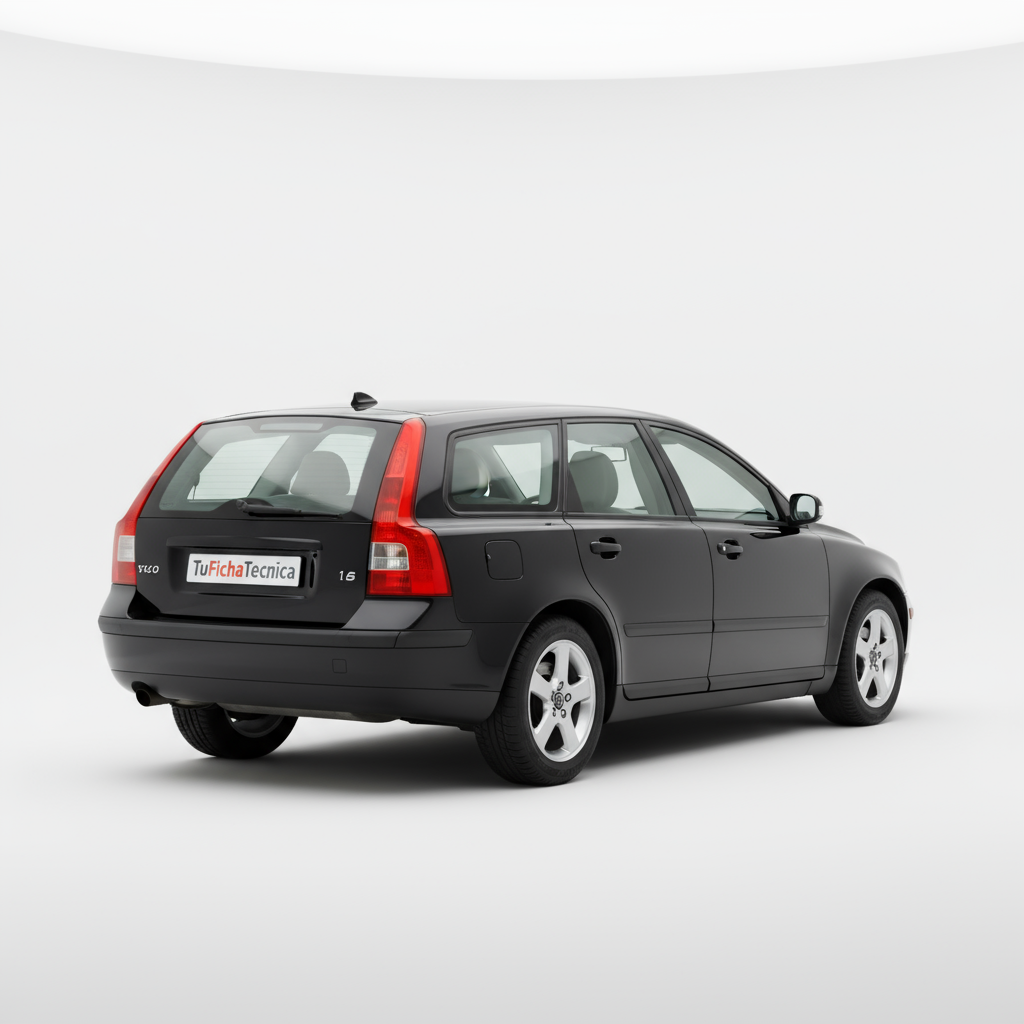
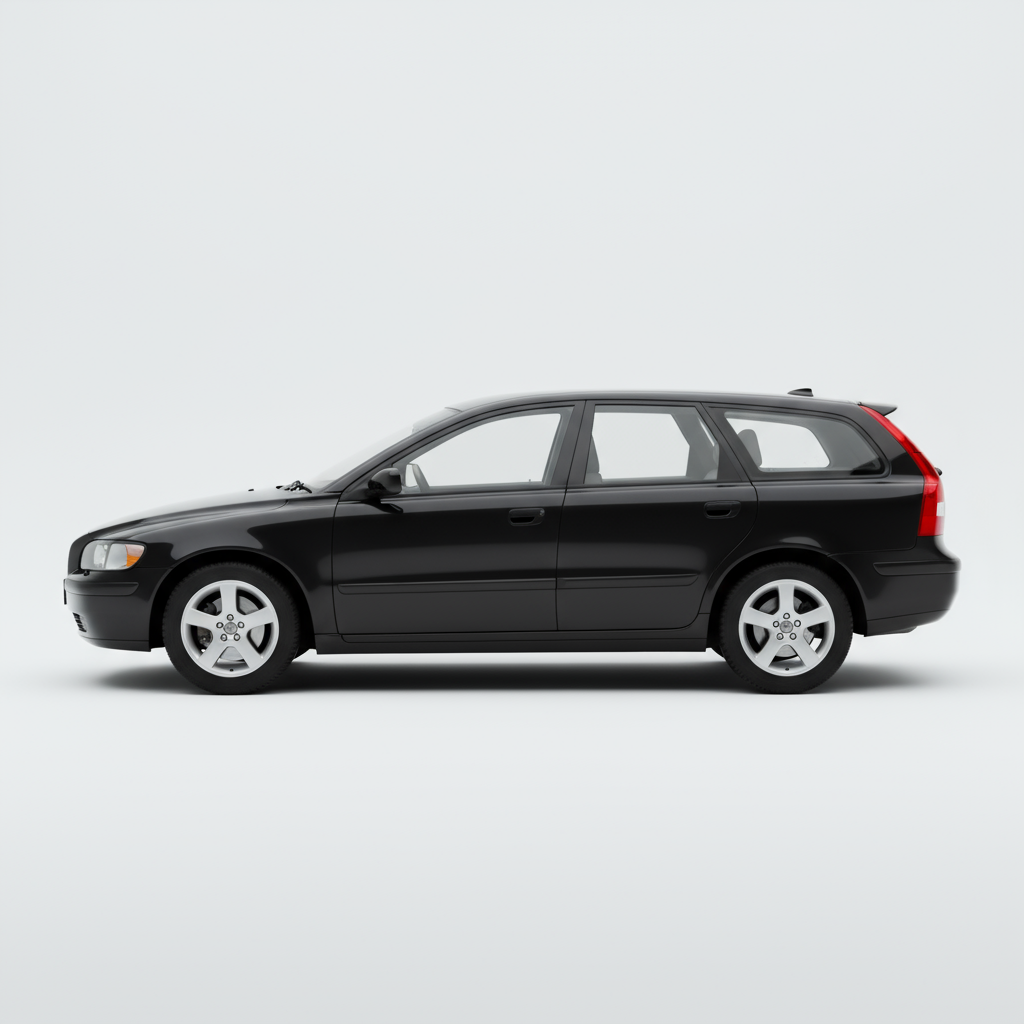
The design of the 1996 Volvo V40 is a clear example of the brand's philosophy at that time: clean, functional lines with discreet elegance. With a length of 4520 mm, a width of 1720 mm, and a height of 1430 mm, it presents balanced proportions that give it a robust but not ostentatious presence. The 5 doors and 5 seats make it a practical vehicle for daily use and family trips. The 413-liter trunk is generous and allows for a considerable amount of luggage. Although it is not a design that seeks spectacularity, its timeless aesthetic has aged with dignity, maintaining an air of distinction and solidity that remains attractive to many.
Technology and features
In terms of technology, the 1996 Volvo V40 2.0T Aut. incorporated advanced solutions for its time. The 1948 cc gasoline engine, with 4 cylinders and 4 valves per cylinder, used indirect injection, turbo, and intercooler, a combination that optimized power delivery and efficiency. The 5-speed automatic transmission offered smooth and comfortable shifting, contributing to a relaxed driving experience. Lightweight materials such as aluminum in the engine block and cylinder head were an indication of the pursuit of better performance and lower mass. In terms of safety, Volvo has always been a pioneer, and although the specific details of this model are not broken down, it is expected that it had a good level of equipment in this regard. Disc brakes on both axles and front and rear anti-roll bars are elements that contribute to active safety and the dynamic behavior of the vehicle.
Competition
At the time, the Volvo V40 2.0T Aut. competed in the premium compact sedan segment with a family focus. Its main rivals would have been models such as the Audi A4 Avant, the BMW 3 Series Touring, or the Mercedes-Benz C-Class Estate of the era. Compared to them, the V40 offered an alternative with a distinctive design, an unbreakable reputation for safety, and remarkable ride comfort. While it may not have achieved the sportiness of a BMW or the refinement of a Mercedes in some aspects, its turbo engine gave it good responsiveness, and its practicality made it very competitive. Its price of €27,327 in 2002 placed it in a similar range to its direct competitors, offering a solid value proposition for the buyer looking for a family car with a touch of distinction and performance.
Conclusion
The 1996 Volvo V40 2.0T Aut. is a car that faithfully represents the values of the Swedish brand: safety, comfort, and functional design. Its 165 HP turbo engine, combined with the automatic transmission, offers a pleasant and capable driving experience, both in the city and on the highway. Although years have passed, its solid construction and timeless aesthetic allow it to remain an interesting vehicle for those looking for a reliable classic with a good level of equipment for its time. It is a car that invites you to enjoy the journey, with the tranquility that only a Volvo can offer.