
Especificaciones y análisis del Volvo S70
Power
170HP
Torque
230Nm
Consumption
8.9l/100
Emissions
-g/km
0-100 km/h
9s
Top Speed
210km/h
Weight
1376kg
Price
31,200€
Technical summary
Gasolina
Manual 5v
FWD
5 / 4 doors
427 L
68 L
125 kW
Current
Technical specifications
Engine
Capacities
Detailed analysis of the Volvo S70 Optima 2.4 20V · 170 CV (1999-2000)
General description
The 1998 Volvo S70, in its Optima 2.4 20V version, is presented as a sedan that embodies the essence of Swedish safety and robustness. With a 170 HP gasoline engine and a 5-speed manual transmission, this vehicle promises a balanced driving experience, ideal for those seeking reliability and comfort in their daily commutes and long journeys. Its timeless design and focus on durability make it an interesting option for the used car market, maintaining the prestige of the Volvo brand.
Driving experience
Behind the wheel of the Volvo S70, the predominant feeling is one of solidity and safety. The 2.4-liter, 170 HP engine offers a smooth and progressive response, without being explosive, but with enough thrust to tackle overtakes and maintain good cruising speeds. The 5-speed manual gearbox, although not the sportiest, performs its function with precision. The comfort-oriented suspension effectively filters out road irregularities, providing a pleasant ride. The steering, although not overly communicative, is precise and contributes to relaxed driving. Overall, the S70 conveys a sense of control and confidence, ideal for long journeys where comfort is paramount.
Design and aesthetics
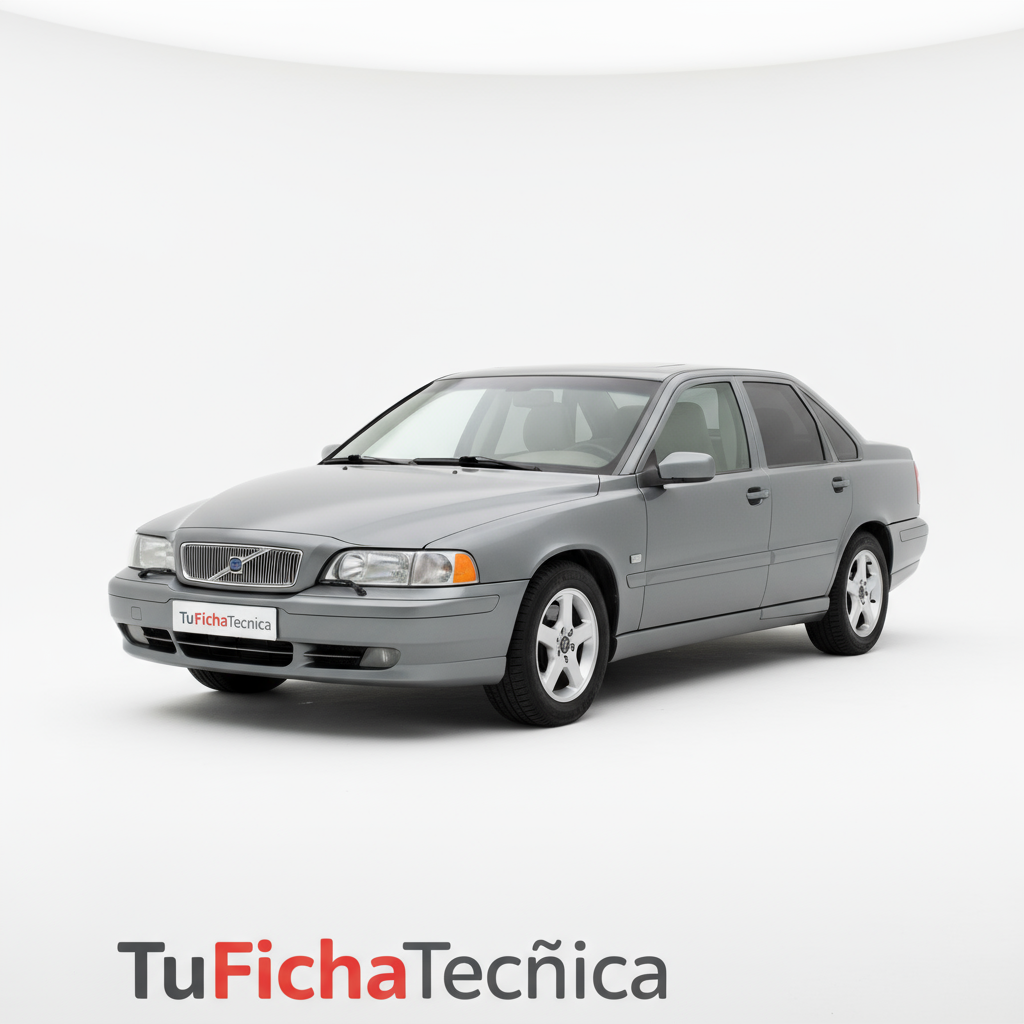
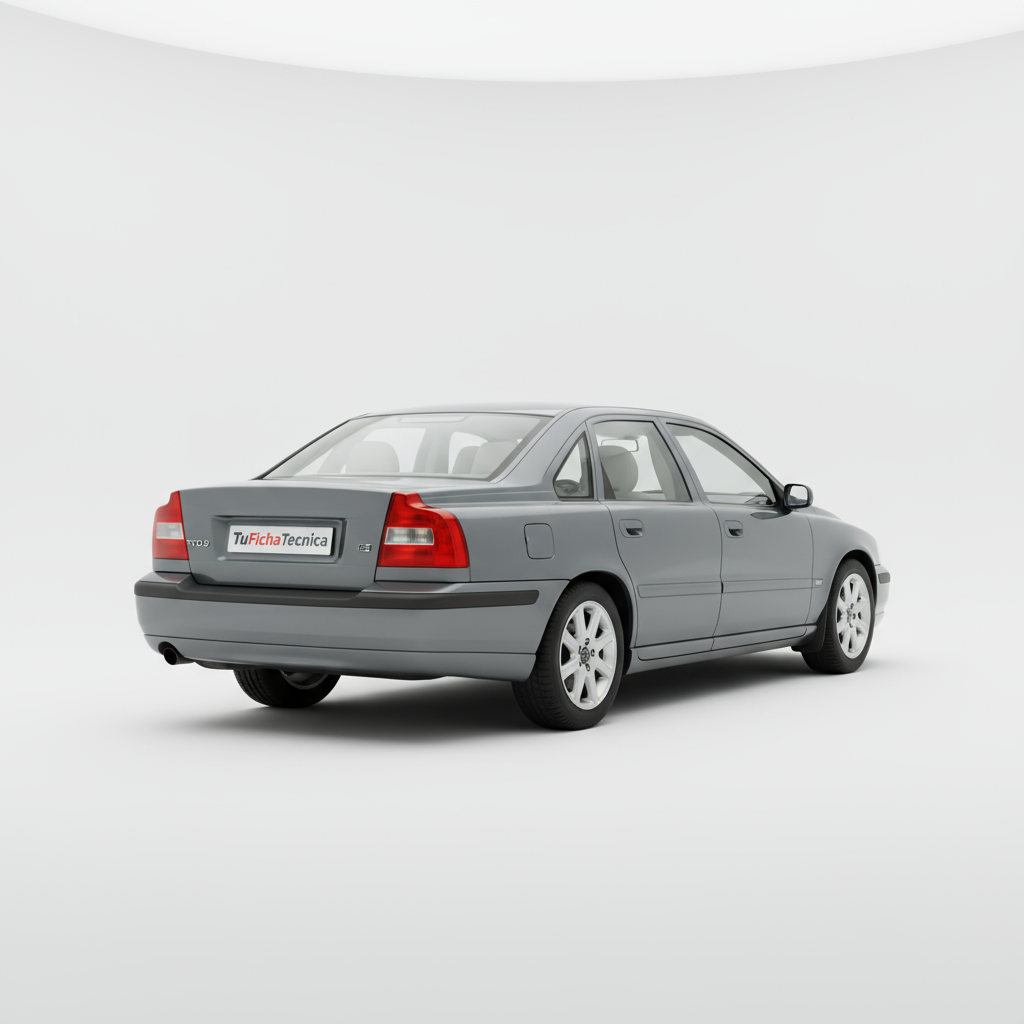
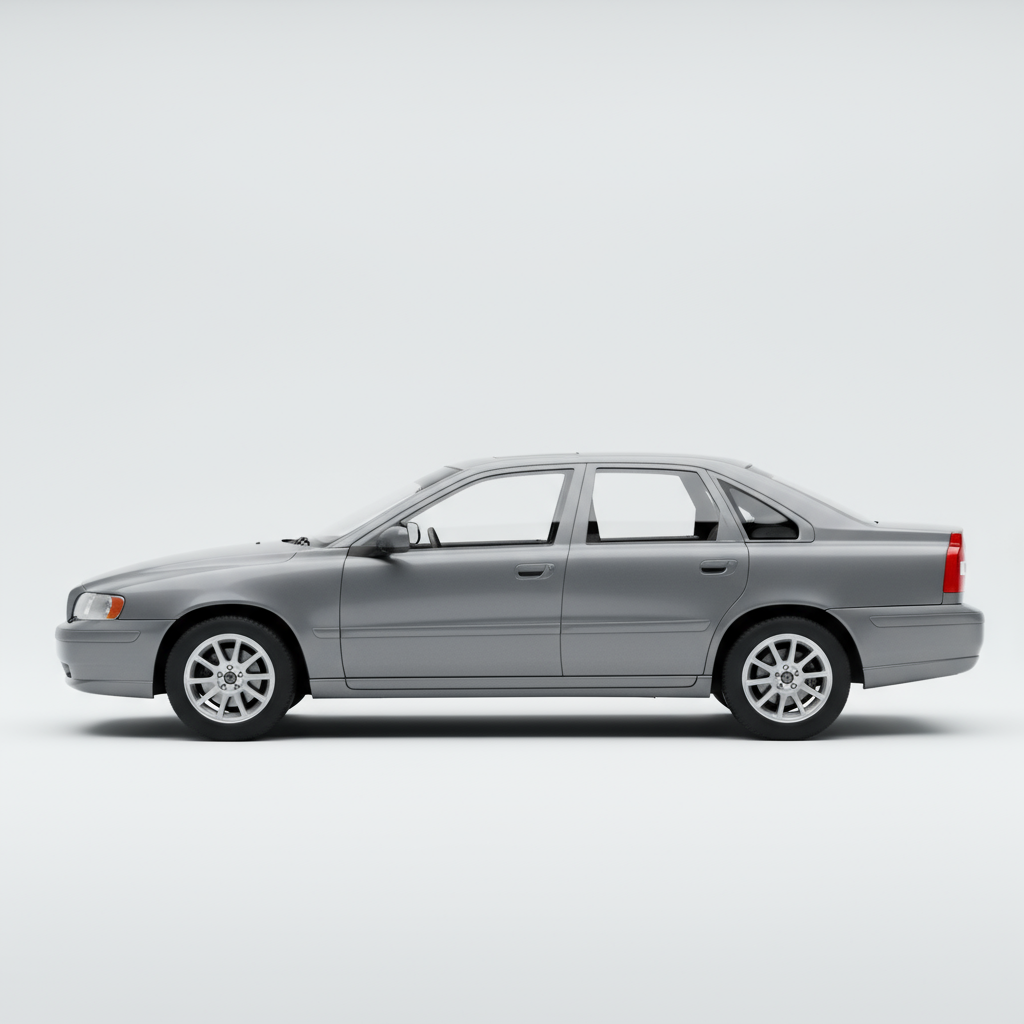
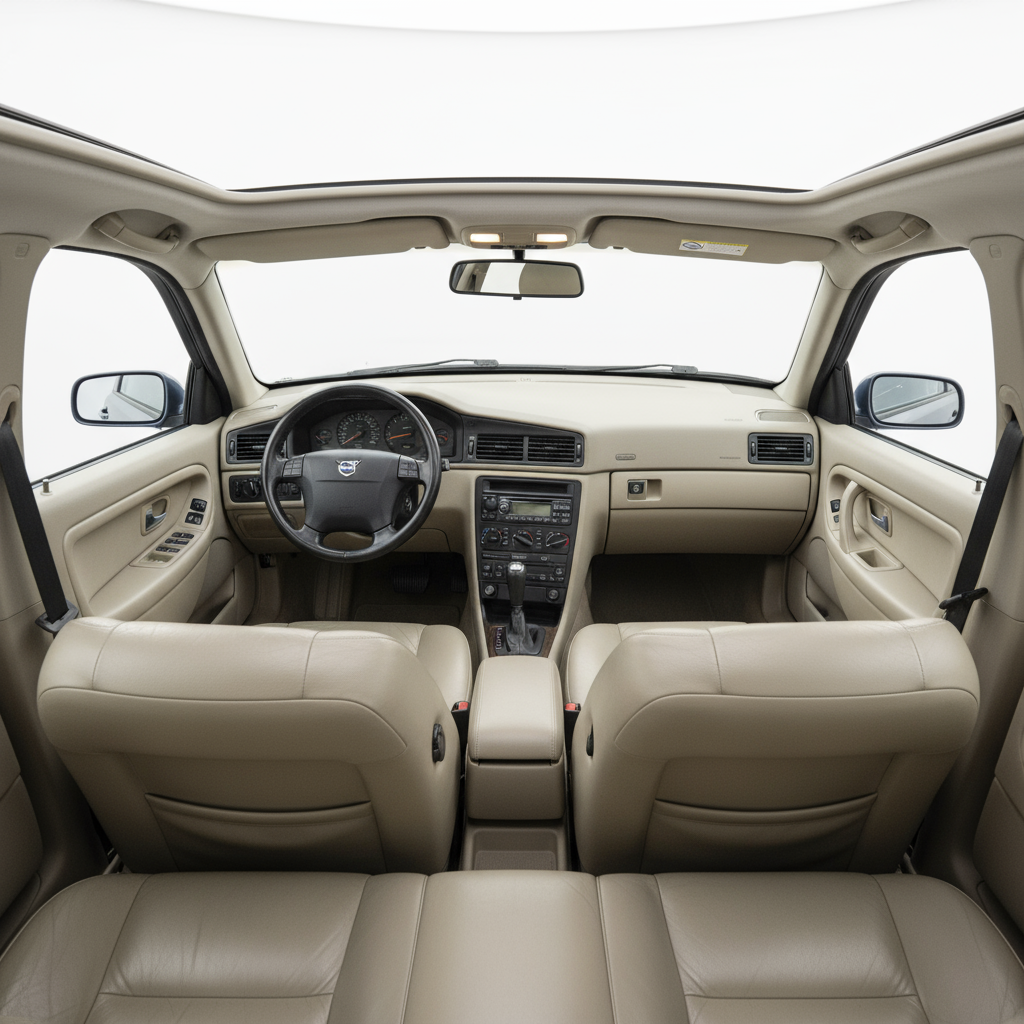
The design of the 1998 Volvo S70 is a clear reflection of the brand's philosophy at that time: sober, functional lines with discreet elegance. Its four-door body, with a length of 4722 mm, a width of 1761 mm, and a height of 1403 mm, gives it an imposing but understated presence. The front, with the characteristic rectangular headlights and Volvo's distinctive grille, projects an image of robustness. The rear, with its vertical taillights, is unmistakably Volvo. Inside, ergonomics and material quality are paramount, with a well-organized dashboard and seats that invite hours behind the wheel. It is a design that, although not seeking spectacularity, has aged with dignity, maintaining its functional appeal.
Technology and features
In terms of technology, the 1998 Volvo S70 Optima 2.4 20V, although not featuring the latest innovations of today, incorporated advanced elements for its time. Its 2435 cc gasoline engine, with 5 cylinders and 4 valves per cylinder, used indirect injection and an aluminum block and cylinder head, contributing to its efficiency and durability. The power of 170 HP at 5850 rpm and a torque of 230 Nm at 4500 rpm, along with its front-wheel drive, offered adequate performance. In terms of safety, Volvo has always been a pioneer, and the S70 was no exception, incorporating systems that, although not detailed in the data, were among the most advanced of their time. The absence of a Stop&Start system and the 'No badge' environmental label are a reflection of its age, but do not detract from the engineering that made it a reliable and safe car.
Competition
In its segment, the 1998 Volvo S70 competed with premium sedans of the era, such as the BMW 3 Series (E36) or the Mercedes-Benz C-Class (W202), albeit with a slightly different approach. While the Germans often stood out for their sportiness or luxury, the S70 emphasized safety, robustness, and a more serene ride comfort. Other rivals might include the first-generation Audi A4 or even the Saab 9-3, sharing with the latter a Scandinavian philosophy of design and safety. The S70 differentiated itself with its distinctive Volvo personality, offering a solid and reliable alternative for those who valued durability and discretion over ostentation.
Conclusion
The 1998 Volvo S70 Optima 2.4 20V is a testament to Swedish engineering, a car that, despite its age, continues to offer an interesting value proposition. Its combination of a reliable engine, timeless design, and an unwavering focus on safety make it a sensible choice for those seeking a classic sedan with a proven track record. Although its fuel consumption and performance are not those of a modern car, its comfort and the feeling of robustness it conveys behind the wheel are qualities that many will appreciate. It is a car to enjoy the road with peace of mind, knowing that you are traveling in a vehicle built to last.