
Especificaciones y análisis del Volvo S40
Power
160HP
Torque
230Nm
Consumption
9.5l/100
Emissions
-g/km
0-100 km/h
9s
Top Speed
215km/h
Weight
1295kg
Price
25,844€
Technical summary
Gasolina
Automático 5v
FWD
5 / 4 doors
471 L
60 L
118 kW
Current
Technical specifications
Engine
Capacities
Detailed analysis of the Volvo S40 2.0T Aut. · 160 CV (1995-2000)
General description
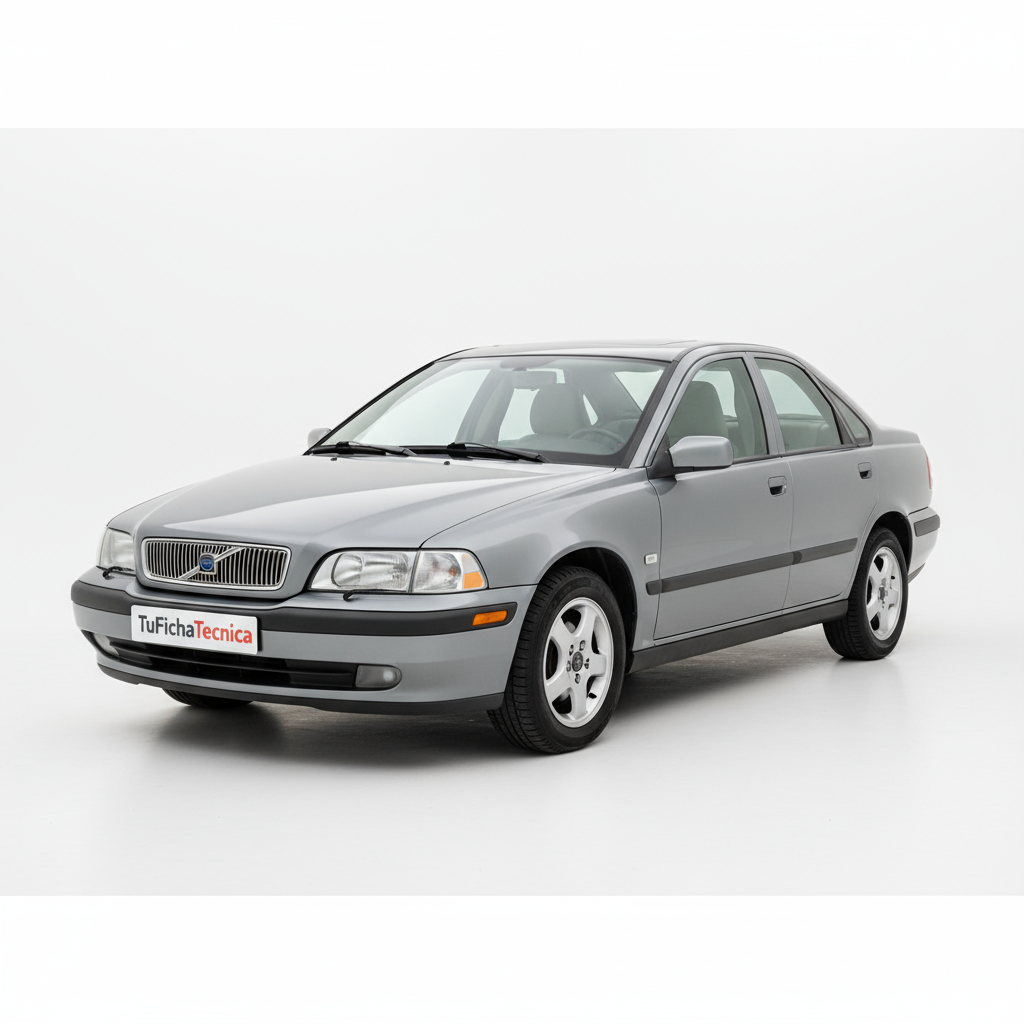
The 1996 Volvo S40, in its 2.0T automatic version, is presented as a sedan that, despite its age, maintains the essence of the Swedish brand: safety, comfort, and a touch of distinction. This model, with its 160 hp gasoline engine, promised a balanced driving experience for its time, ideal for those looking for a reliable car with certain features.
Driving experience
Behind the wheel of the S40 2.0T, the predominant feeling is one of solidity and poise. The 160 hp turbo engine, paired with a 5-speed automatic transmission, offers a smooth yet powerful response, allowing acceleration from 0 to 100 km/h in 9 seconds and a top speed of 215 km/h. It's not a sports car, but its performance is more than sufficient for long journeys with comfort and safety. The suspension, although not excessively soft, filters road imperfections well, contributing to a pleasant ride. The combined consumption of 9.5 l/100km is reasonable for a car of its era and characteristics.
Design and aesthetics
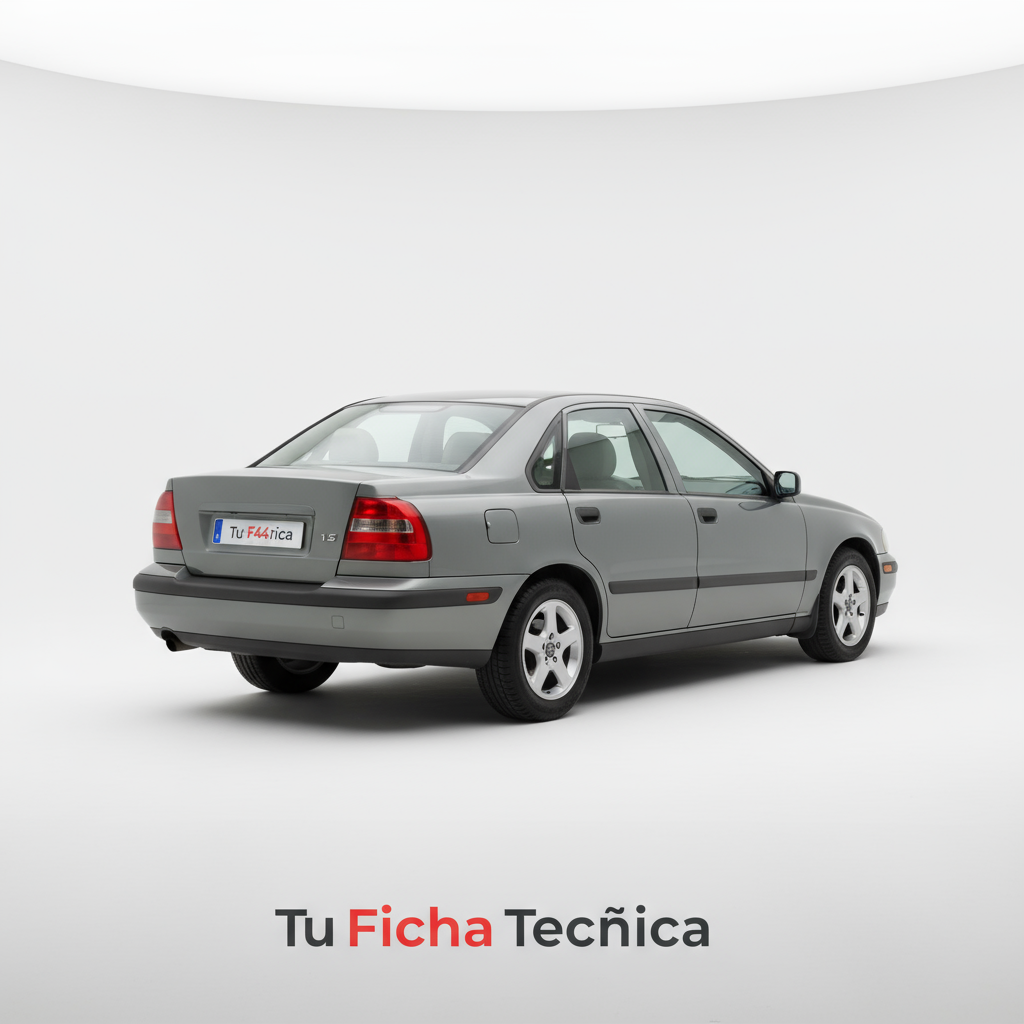
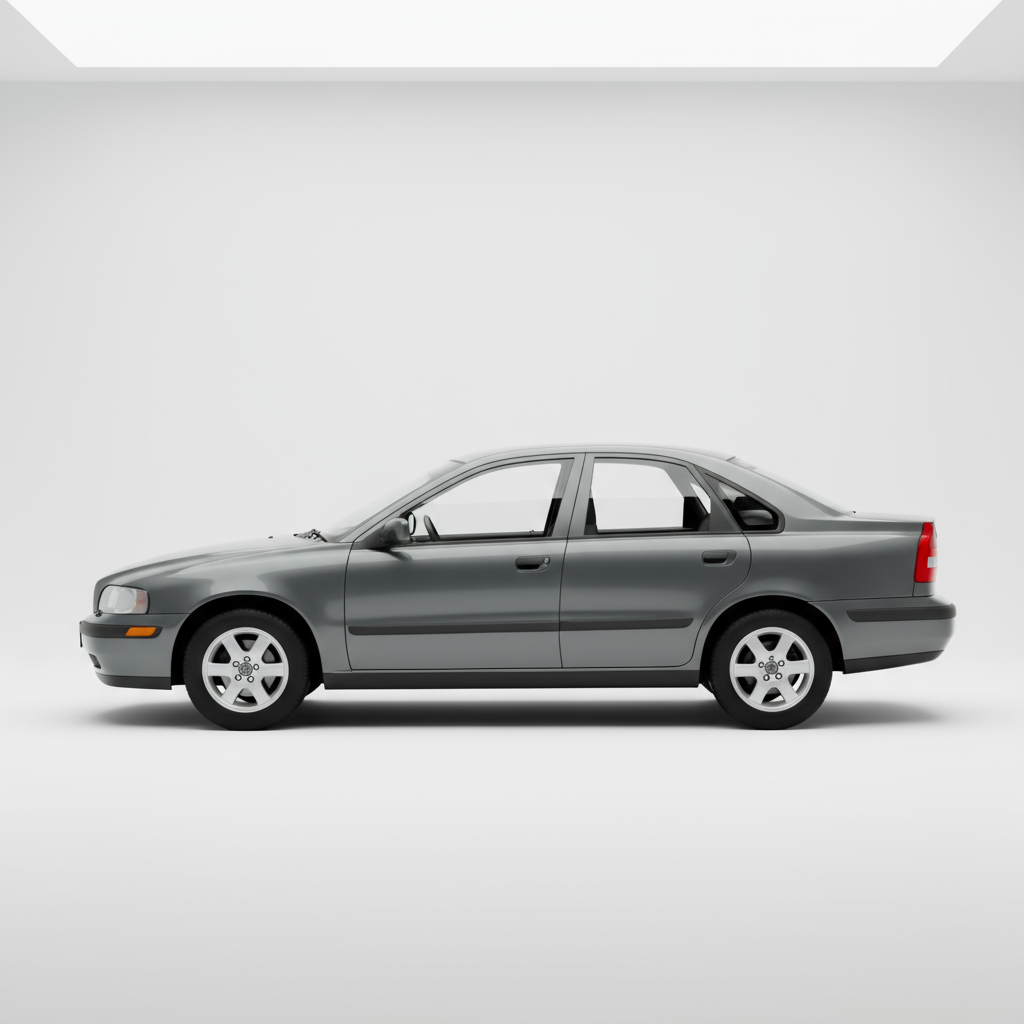
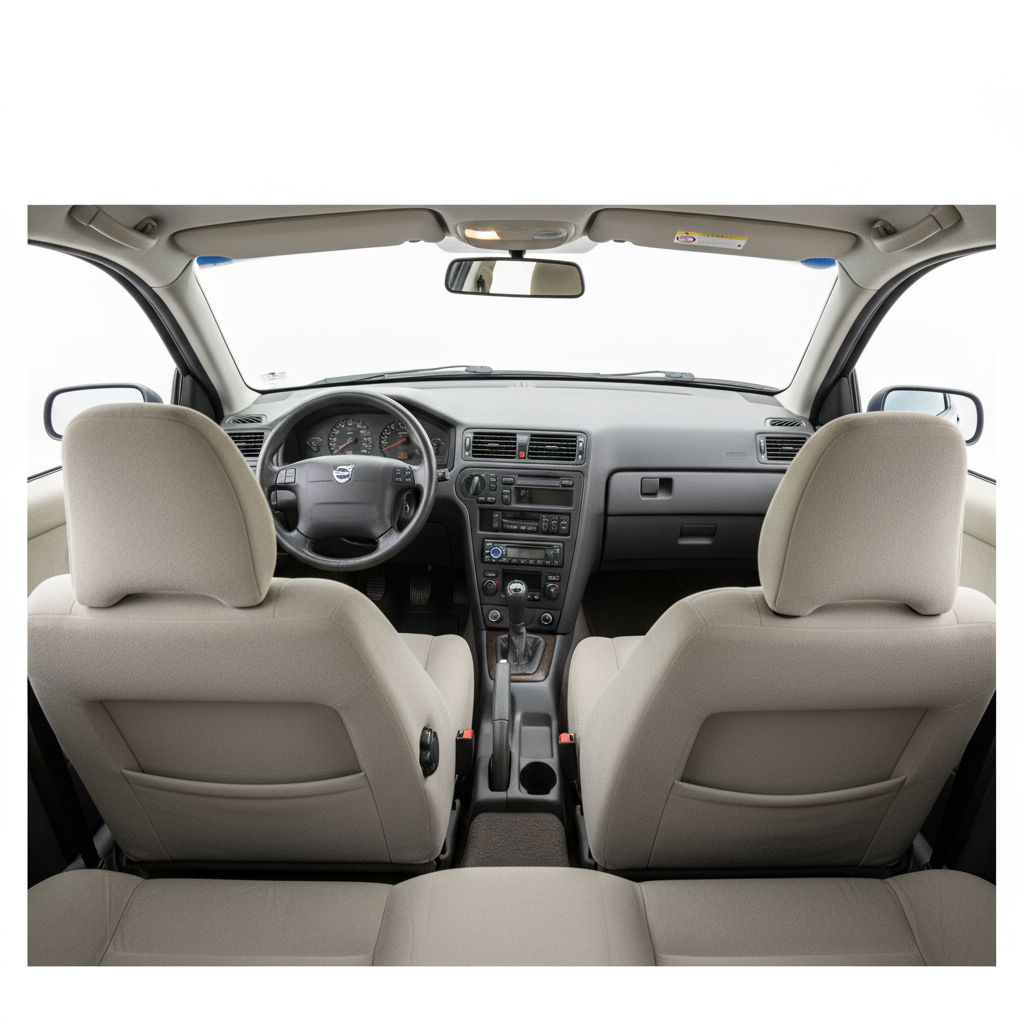
The design of the 1996 Volvo S40 is a reflection of the sobriety and elegance that characterized the brand. Its lines are classic and timeless, with a four-door sedan silhouette that conveys robustness. The dimensions, with a length of 4520 mm and a width of 1720 mm, give it a discreet yet distinguished presence. The interior, although not detailed in the data, was expected to offer the ergonomics and quality of materials typical of Volvo, prioritizing functionality and occupant comfort.
Technology and features
In terms of technology, the 1996 Volvo S40 2.0T incorporated advanced elements for its time. Its 1948 cc gasoline engine with indirect injection and turbo, along with a 5-speed automatic gearbox, represented a sophisticated combination. In terms of safety, Volvo has always been a pioneer, and although the data does not specify it, it is expected to have effective braking systems, such as ventilated front discs and rear discs, and a body structure designed to protect occupants. Power steering and stabilizers on both axles contributed to safer and more controlled driving.
Competition
In its segment, the 1996 Volvo S40 2.0T competed with sedans from premium brands such as the BMW 3 Series, the Audi A4, or the Mercedes-Benz C-Class. It also faced high-end mainstream models such as the Ford Mondeo or the Opel Vectra. Its value proposition was based on safety, reliability, and superior ride comfort, differentiating itself by its focus on occupant protection and a more conservative aesthetic.
Conclusion
The 1996 Volvo S40 2.0T automatic is a car that, despite its age, remains an interesting option for those who value safety, comfort, and reliability. Its turbo engine offers adequate performance for daily use and long journeys, while its timeless design and spacious interior make it a pleasant travel companion. It is a car that, with proper maintenance, can continue to offer much satisfaction.