
Especificaciones y análisis del Volkswagen Polo
Power
80HP
Torque
132Nm
Consumption
6.4l/100
Emissions
152g/km
0-100 km/h
12.2s
Top Speed
175km/h
Weight
1038kg
Price
12,705€
Technical summary
Gasolina
Manual 5v
FWD
5 / 5 doors
270 L
45 L
59 kW
Current
Technical specifications
Engine
Capacities
Detailed analysis of the Volkswagen Polo 5p Match 1.4 80 CV (2006-2007)
General description
The Volkswagen Polo 5-door Match 1.4 80 HP, a model that saw the light between 2006 and 2007, is presented as a compact and functional option within its segment. With its 1.4-liter, 80-horsepower gasoline engine, this Polo sought to offer a balance between efficiency and adequate performance for daily use. Its five-door design made it practical for the city and for small families, maintaining the essence of the Volkswagen brand in terms of quality and reliability.
Driving experience
Behind the wheel, the Polo 1.4 80 HP offered a predictable and safe driving experience. It was not a car designed for great thrills, but for comfort and ease of handling. The hydraulic power steering, although not as direct as modern electric ones, provided good feedback. The suspension, McPherson type at the front and torsion beam with trailing arms at the rear, absorbed road irregularities well, providing a comfortable ride. Its 80 HP were sufficient to move around urban environments with agility and to tackle road trips without great pretensions, although accelerations were not its strong point, with a 0 to 100 km/h in 12.2 seconds. The five-speed manual gearbox was smooth and precise, contributing to relaxed driving.
Design and aesthetics
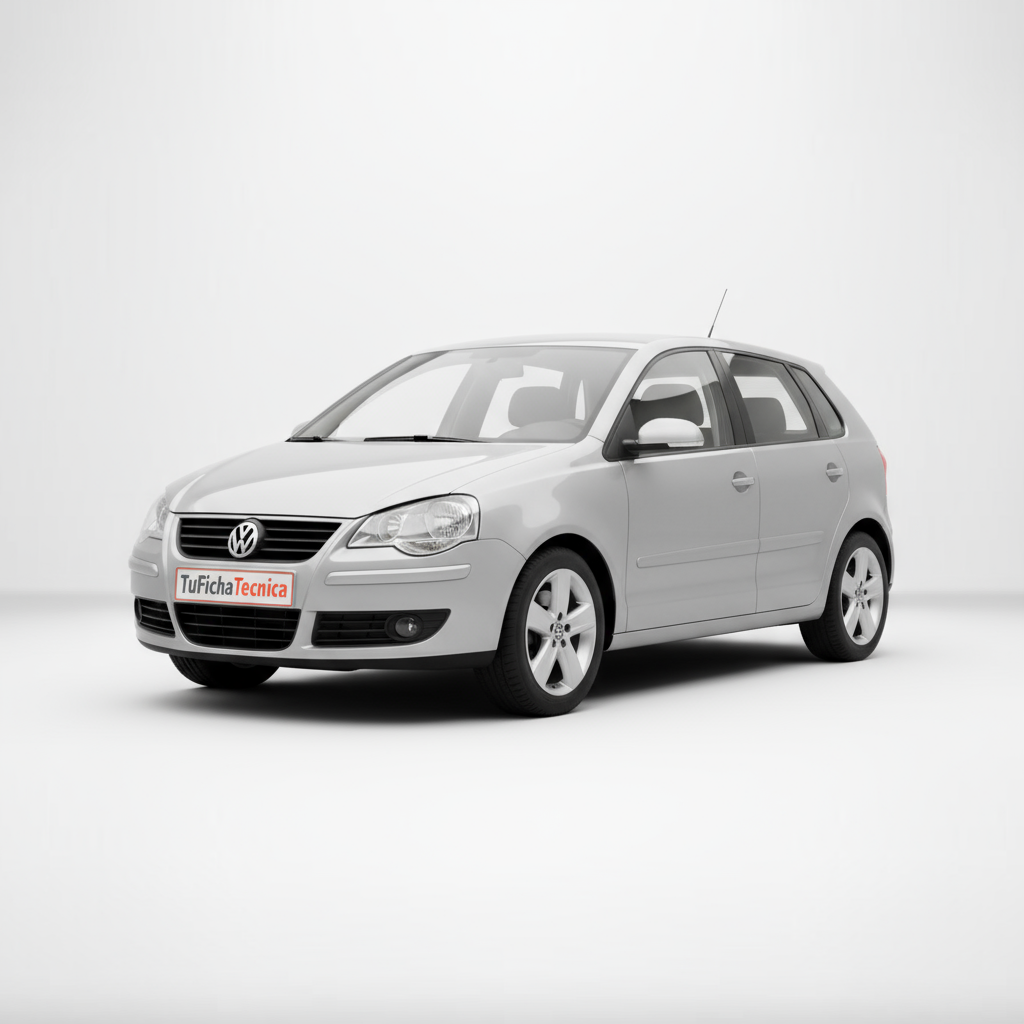
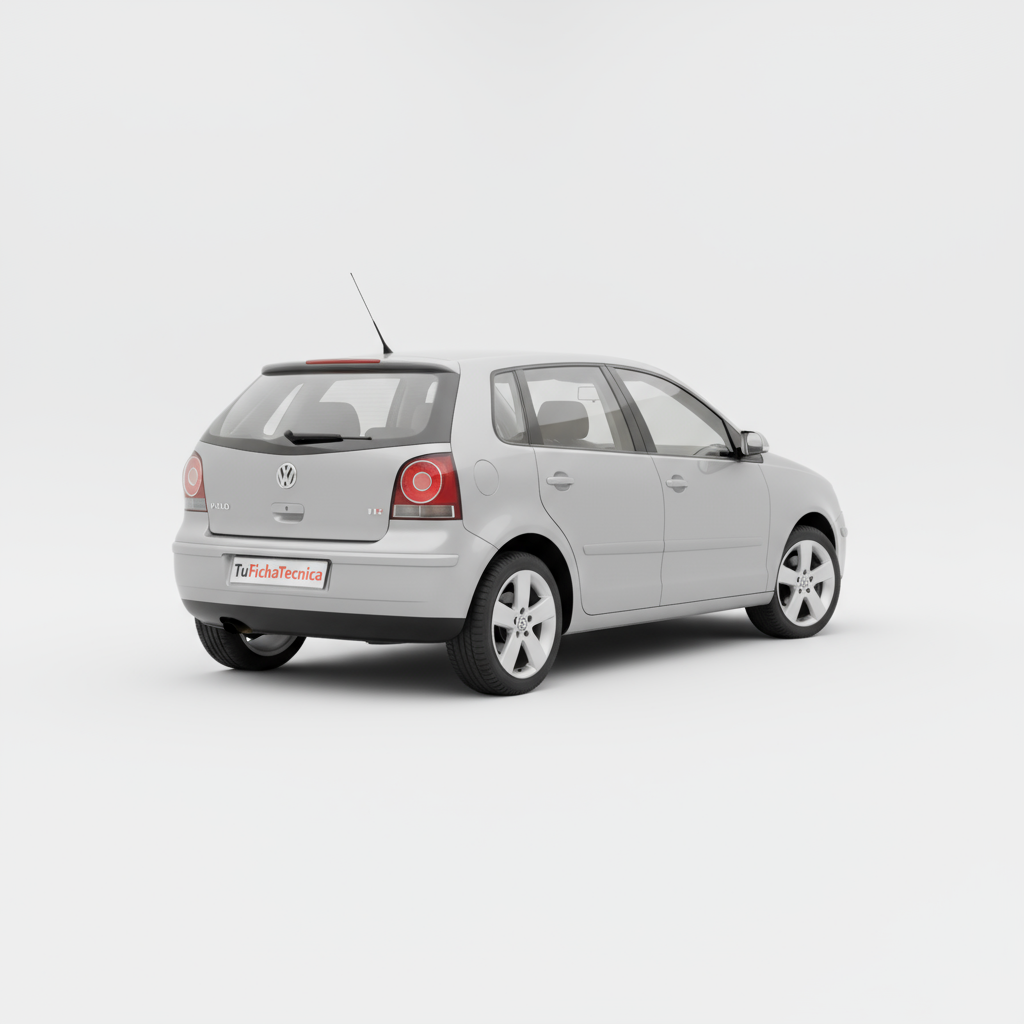
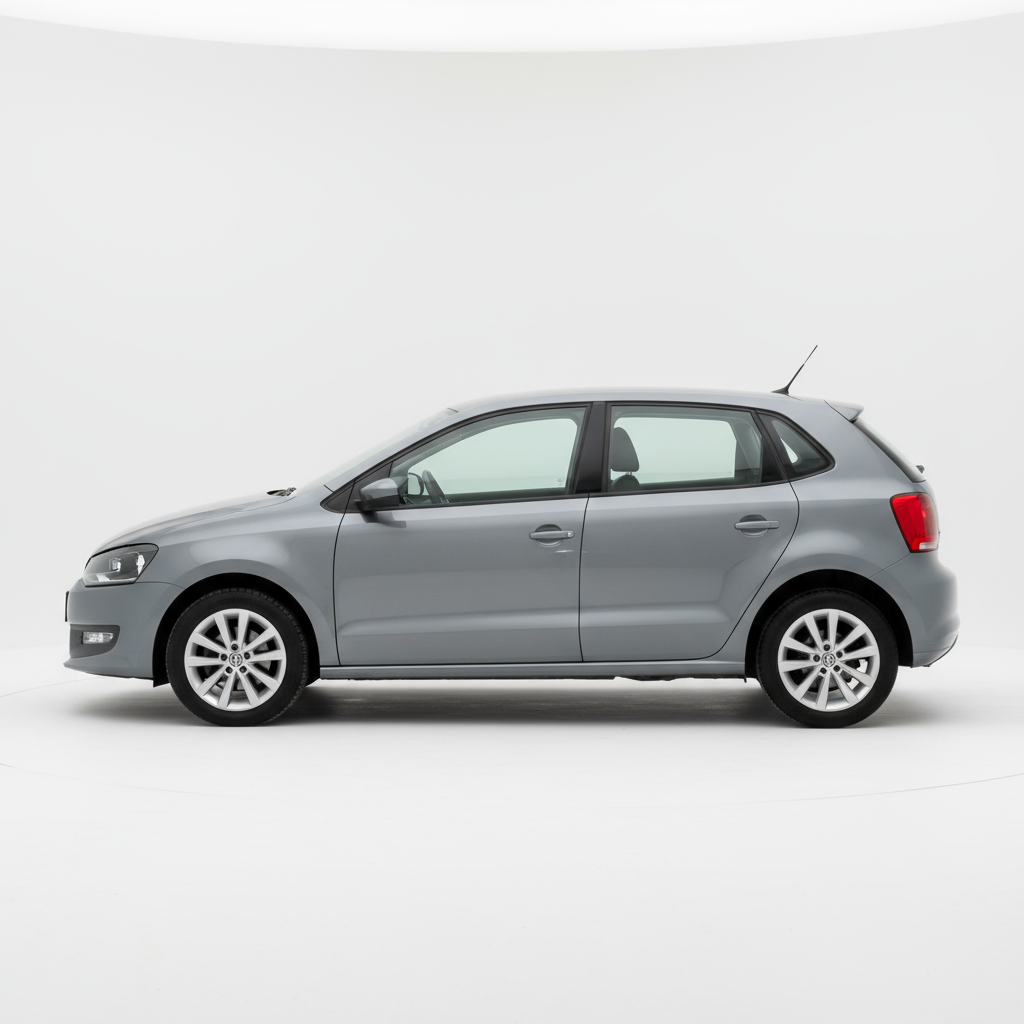
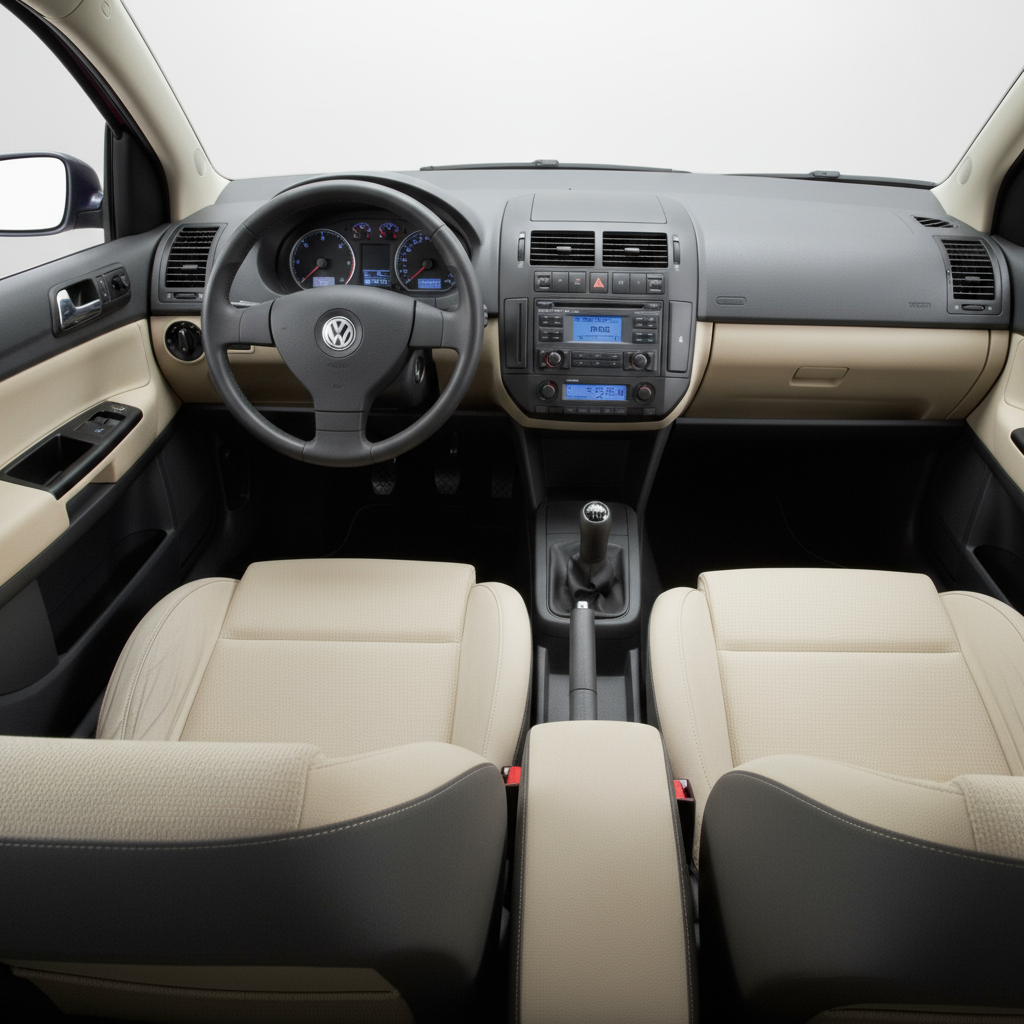
The design of the 2005 Volkswagen Polo, in its five-door version, maintained the sober and timeless lines characteristic of the brand. With a length of 3916 mm and a width of 1650 mm, its compact size made it agile in the city. The front featured the characteristic headlights of the era, with a discreet grille integrating the Volkswagen logo. The rear, with its well-defined taillights, completed a functional and understated aesthetic. The interior, although simple, stood out for the quality of materials and adjustments, offering well-thought-out ergonomics for the driver and passengers. The 270 liters of trunk space were adequate for the segment, and the possibility of folding down the rear seats increased its versatility.
Technology and features
In terms of technology, the 2005 Polo 5-door Match 1.4, although not dazzling with cutting-edge innovations, offered the essentials for its time. Its 1390 cc gasoline engine, with indirect injection and an aluminum cylinder head, was a proven and efficient mechanical unit. Hydraulic power steering was a standard in many vehicles of the era, providing constant assistance. In terms of safety, it featured ventilated disc brakes at the front and drum brakes at the rear, a common configuration for a car in its category. Although details on advanced infotainment systems are not specified, it is expected to have included a basic audio system and air conditioning, elements that contributed to on-board comfort.
Competition
In the competitive segment of utility vehicles, the Volkswagen Polo 5-door Match 1.4 80 HP faced tough rivals. Models such as the Ford Fiesta, Opel Corsa, Renault Clio, or Peugeot 206 were its main competitors. Each offered its own virtues, whether in design, equipment, or driving dynamics. The Polo stood out for its reputation for build quality, its well-finished interior, and its balanced behavior, making it an attractive option for those seeking a reliable car with a touch of distinction within its category.
Conclusion
The Volkswagen Polo 5-door Match 1.4 80 HP was a car that more than fulfilled its purpose. It offered a combination of practicality, reliability, and timeless design that made it popular in its time. Although it was not the most powerful or exciting in its segment, its overall balance and the inherent quality of the Volkswagen brand made it a solid choice for those looking for a compact and versatile vehicle for everyday use. Its combined consumption of 6.4 l/100km and its emissions of 152 g/km of CO2 placed it in the average for its category, being a reasonable option in terms of efficiency for the era.