

Especificaciones y análisis del Volkswagen Polo
Power
105HP
Torque
230Nm
Consumption
4.2l/100
Emissions
109g/km
0-100 km/h
10.4s
Top Speed
189km/h
Weight
1165kg
Price
16,320€
Technical summary
Gasóleo
Manual 5v
FWD
5 / 3 doors
280 L
45 L
77 kW
Current
Technical specifications
Engine
Capacities
Detailed analysis of the Volkswagen Polo 3p Sport 1.6 TDI 105 CV (2009-2010)
General description
The 2009 Volkswagen Polo, in its 3-door Sport version with a 105 HP 1.6 TDI engine, is presented as a compact and efficient option. Priced at 16,320 euros at its launch, this model sought to consolidate Volkswagen's reputation in the utility vehicle segment, offering a combination of quality, performance, and a design that, although discreet, promised durability and functionality.
Driving experience
Behind the wheel, the 105 HP 1.6 TDI Polo offers a balanced driving experience. Its diesel engine, with 230 Nm of torque from 1500 rpm, provides an energetic response and good thrust, ideal for both city and road trips. Acceleration from 0 to 100 km/h in 10.4 seconds and a top speed of 189 km/h demonstrate its capability. The McPherson type front suspension and torsion beam rear suspension, along with hydraulic power-assisted rack-and-pinion steering, contribute to a sense of control and stability. The combined consumption of 4.2 l/100km is a strong point, making this Polo an economical car for daily use. Disc brakes on both axles (288 mm front and 230 mm rear) ensure effective and safe braking.
Design and aesthetics
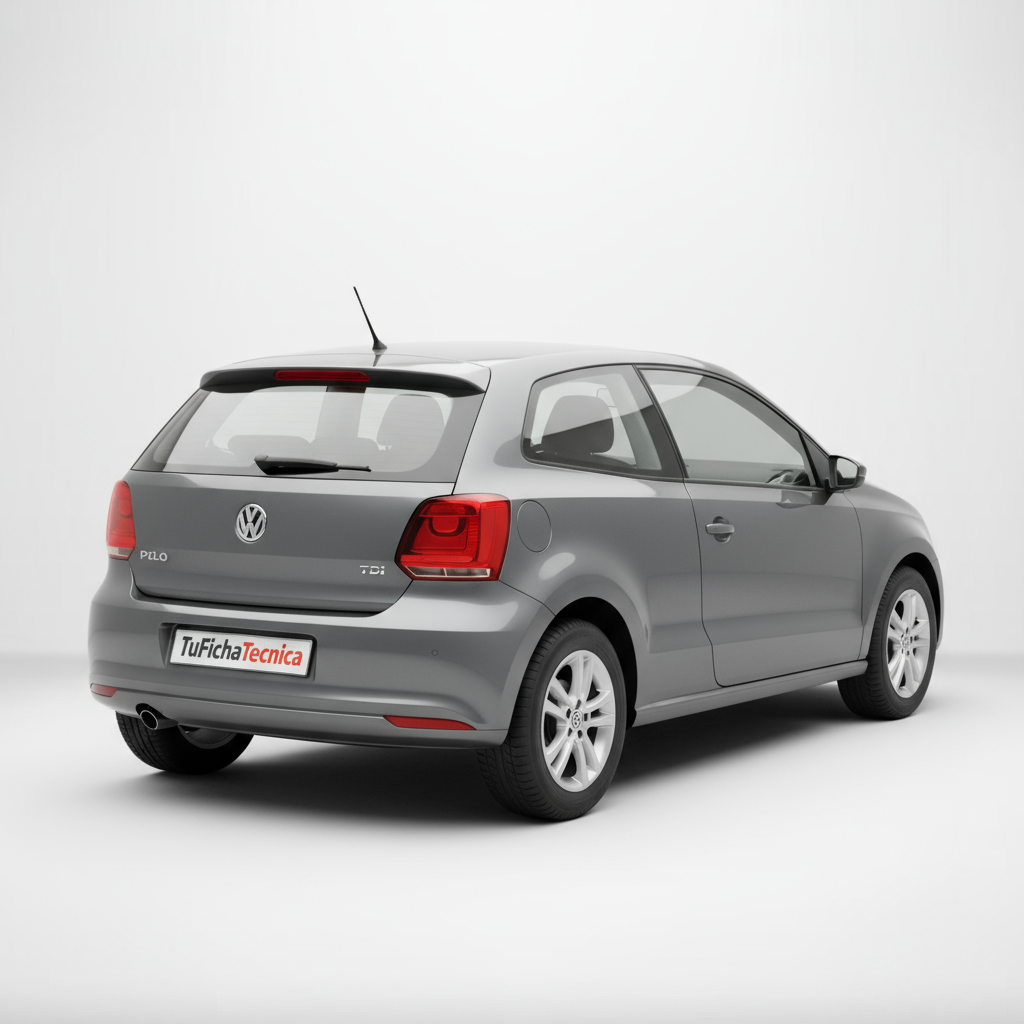
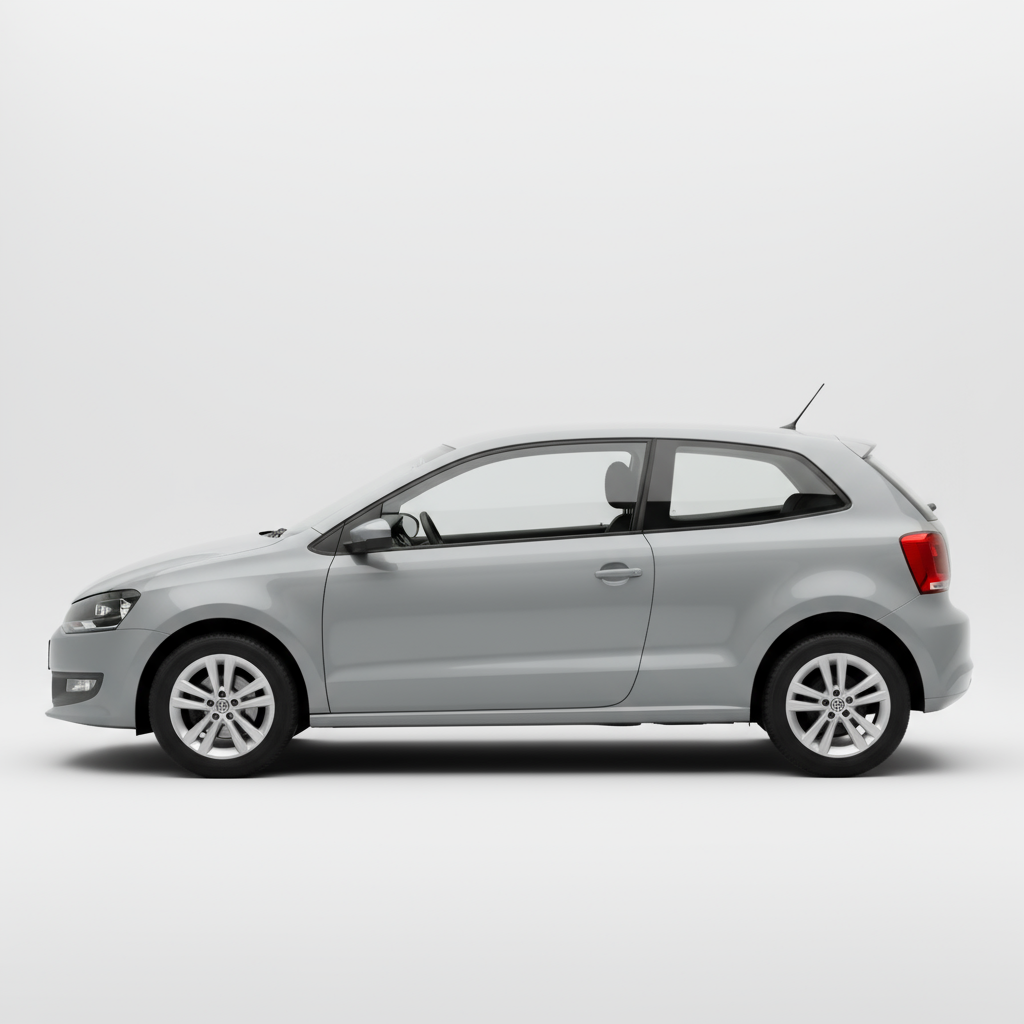
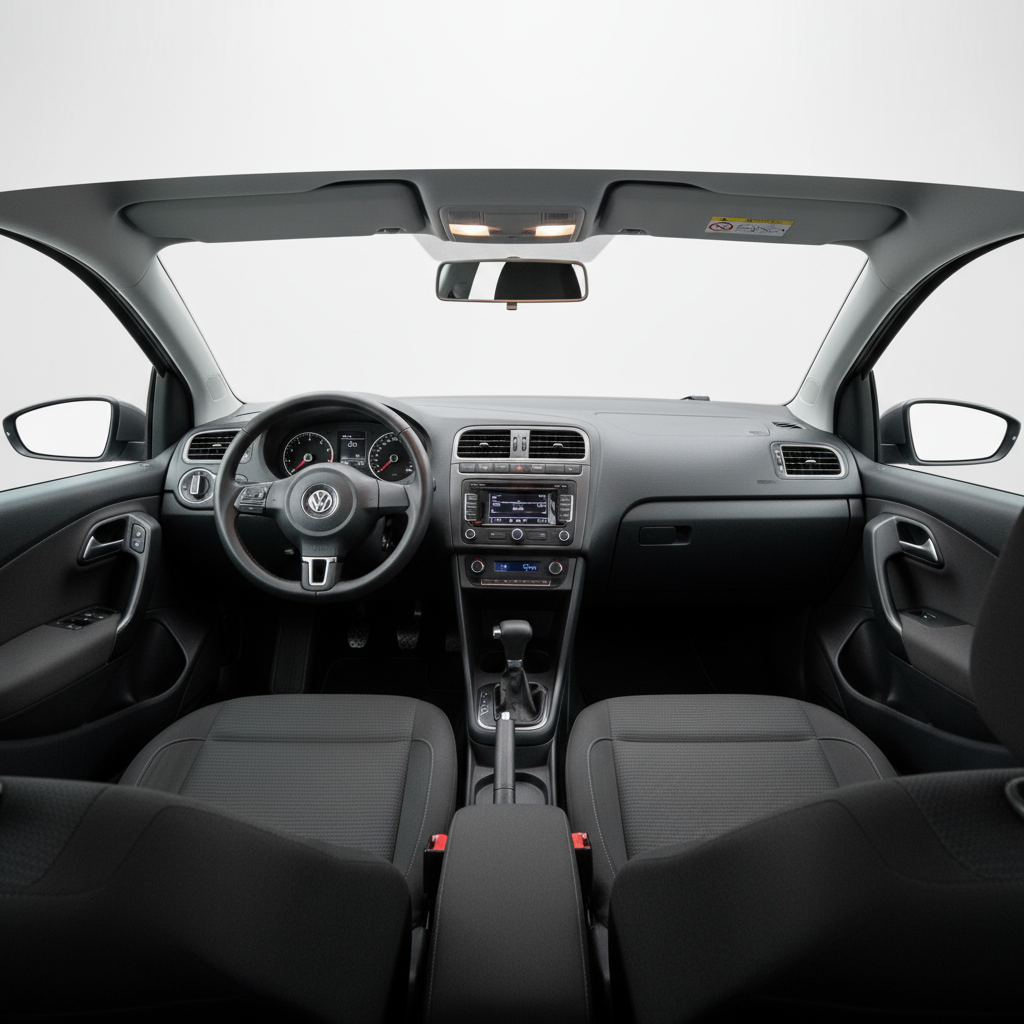
The design of the 2009 Volkswagen Polo is an example of the brand's philosophy: sober, functional, and timeless. The 3-door body gives it a sportier and more compact appearance. The lines are clean and understated, aiming for an aesthetic that endures over time. The interior, although not luxurious, offers well-thought-out ergonomics and good quality materials for its segment, conveying a sense of solidity. Its compact dimensions (3970 mm long, 1682 mm wide, and 1462 mm high) make it agile in urban environments, while its 280-liter trunk is sufficient for daily use.
Technology and features
In terms of technology, the 2009 Polo incorporates proven and efficient solutions. The 105 HP 1.6 TDI engine is a clear example, with common rail direct injection, variable geometry turbo, and intercooler, which optimizes performance and fuel efficiency. The 5-speed manual transmission is precise and contributes to fuel economy. Although it does not have the latest connectivity innovations or driving assistants that we see today, its technology focuses on mechanical reliability and offering a solid and predictable driving experience. The engine materials, such as the iron block and aluminum cylinder head, reflect robust engineering.
Competition
In the competitive utility vehicle segment, the 2009 Volkswagen Polo faced tough rivals such as the Ford Fiesta, Opel Corsa, Renault Clio, and SEAT Ibiza. Each of them offered their own virtues, whether in design, equipment, or driving dynamics. The Polo stood out for its image of quality, its mechanical efficiency, and its predictable behavior, appealing to an audience that valued solidity and reliability above extravagance.
Conclusion
The 2009 Volkswagen Polo 3p Sport 1.6 TDI 105 HP is a car that, despite its age, remains an interesting option in the used car market. Its combination of an efficient and powerful diesel engine, a timeless design, and solid build quality make it a very competent utility vehicle. It is an ideal vehicle for those looking for a practical car, economical to maintain, and with good performance for daily use, without sacrificing the reliability that characterizes the Volkswagen brand. Its consumption of 4.2 l/100km and its low CO2 emissions (109 g/km) made it a benchmark in its time.