
Especificaciones y análisis del Volkswagen Passat
Power
179HP
Torque
370Nm
Consumption
8.4l/100
Emissions
-g/km
0-100 km/h
9.6s
Top Speed
221km/h
Weight
1687kg
Price
38,750€
Technical summary
Gasóleo
Automático 5v
AWD
5 / 4 doors
400 L
62 L
132 kW
Current
Technical specifications
Engine
Capacities
Detailed analysis of the Volkswagen Passat V6 2.5 TDI 4Motion 180 CV Tiptronic (2003-2005)
General description
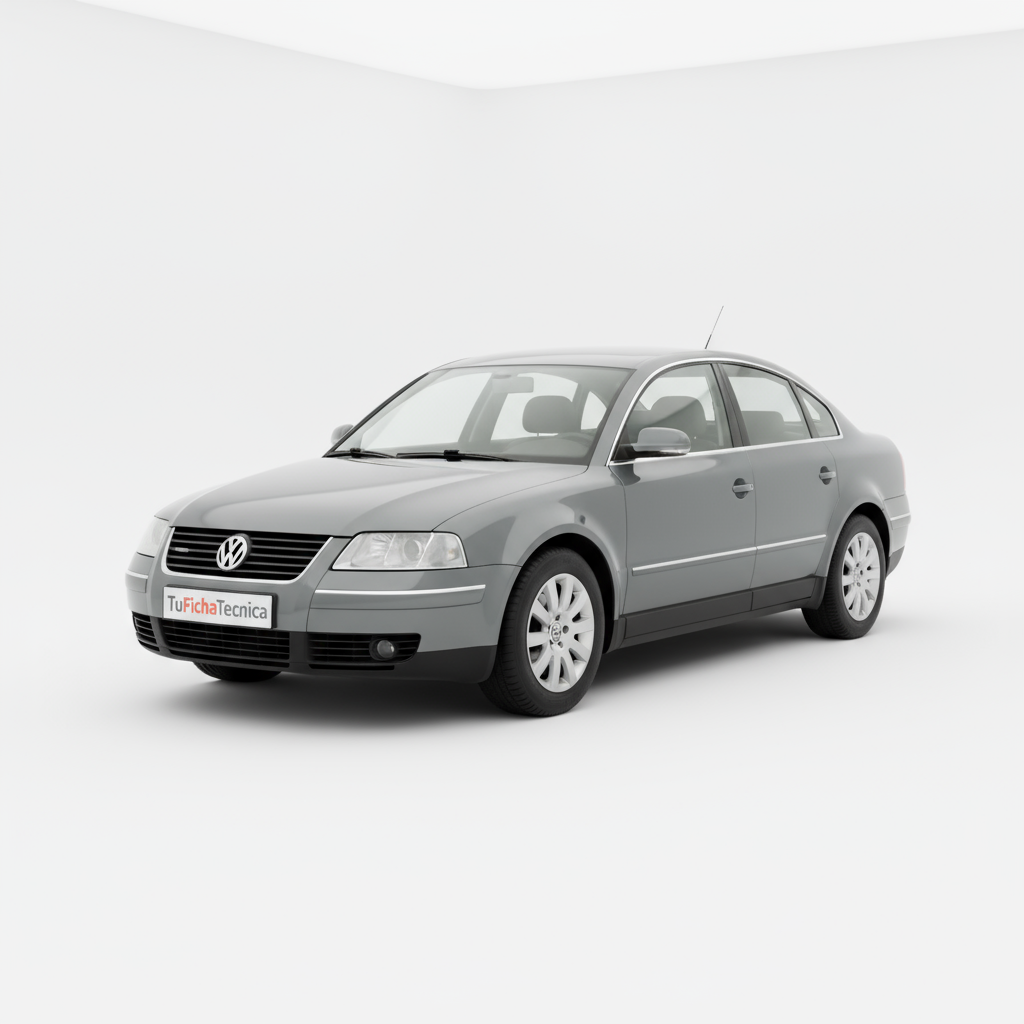
The 2001 Volkswagen Passat V6 2.5 TDI 4Motion is a sedan that embodies the essence of early 21st-century German engineering. With its 179 hp diesel engine and all-wheel drive, it promised a balance of power, efficiency, and safety, all wrapped in the sobriety and quality characteristic of Volkswagen. This model, with its 5-speed Tiptronic automatic transmission, positioned itself as a premium option for those seeking a family car with a touch of distinction and the ability to handle various road conditions.
Driving experience
Behind the wheel, the Passat V6 2.5 TDI 4Motion offered a solid and composed driving experience. The diesel engine, with its 179 hp and a generous torque of 370 Nm available from 1500 rpm, provided strong response and acceleration from 0 to 100 km/h in 9.6 seconds, more than sufficient for most situations. The 4Motion all-wheel drive instilled great confidence, especially in low-grip conditions, while the multi-link suspension on both axles contributed to remarkable ride comfort and good stability. The steering, although not the most communicative, offered the precision expected in a car of its category. In summary, it was a car for devouring kilometers with comfort and safety, without great sporting pretensions but with undeniable capability.
Design and aesthetics
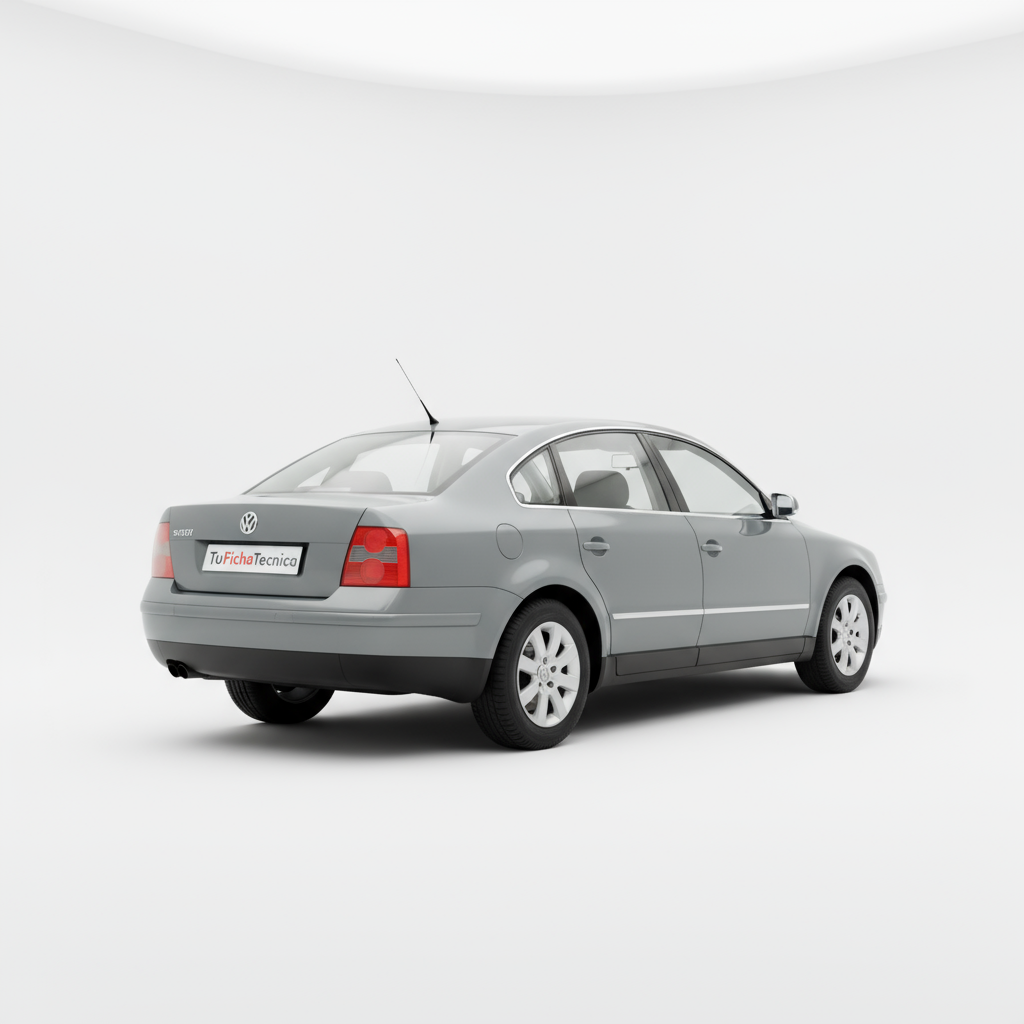
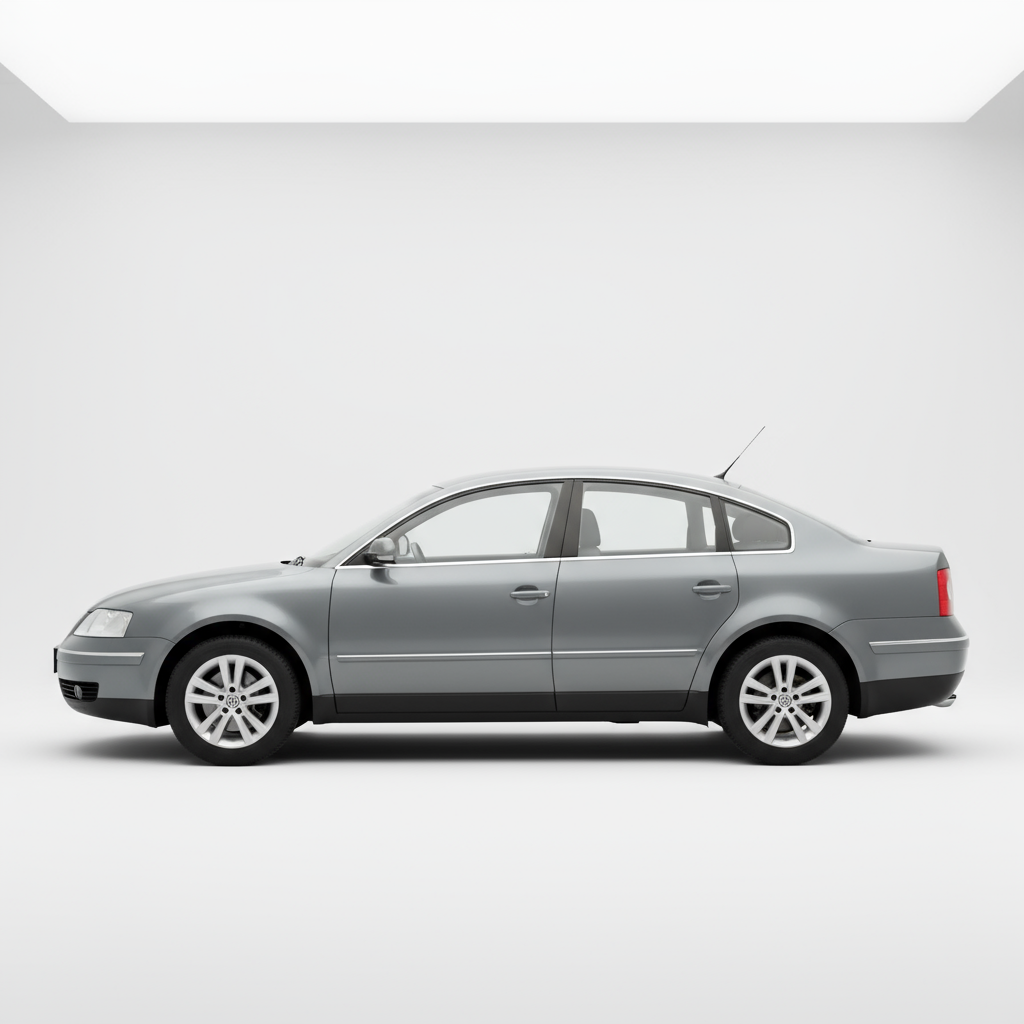
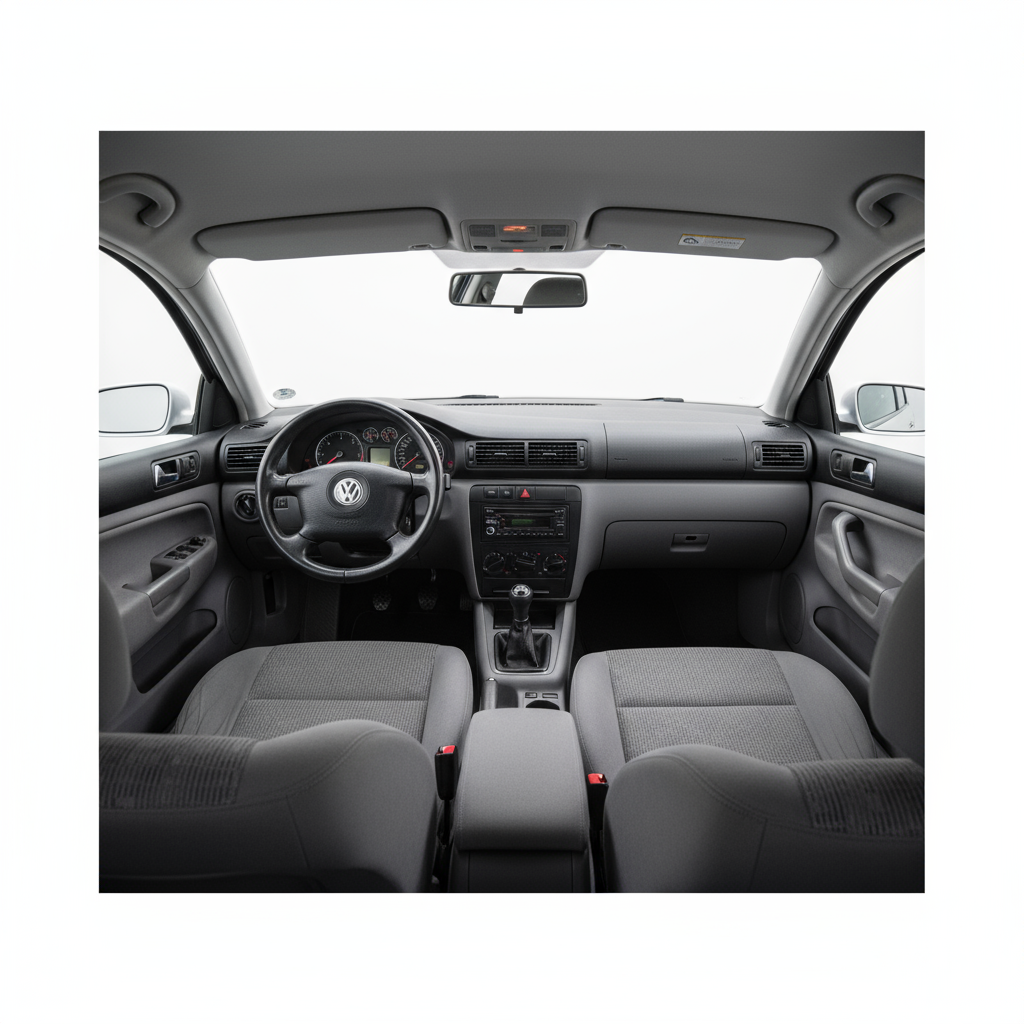
The design of the 2001 Volkswagen Passat is a reflection of the brand's aesthetic at that time: clean lines, balanced proportions, and discreet elegance. It did not seek extravagance, but rather timelessness and functionality. Its 4-door sedan body, with a length of 4703 mm, a width of 1746 mm, and a height of 1442 mm, offered an imposing presence without being ostentatious. The interior followed the same philosophy, with a well-organized dashboard, good quality materials, and precise fit, creating a sober and welcoming atmosphere. Although it may seem somewhat outdated today, at the time it represented a standard of good taste and practicality.
Technology and features
In terms of technology, the Passat V6 2.5 TDI 4Motion incorporated advanced solutions for its time. The V6 diesel engine with direct injection, variable geometry turbo, and intercooler was an example of efficiency and performance. The 5-speed Tiptronic automatic transmission offered the convenience of an automatic with the possibility of sequential manual control. The 4Motion all-wheel drive was a key feature in its equipment, providing a significant improvement in active safety. As for the suspension, the use of multi-link on both axles was a testament to the pursuit of a compromise between comfort and dynamism. Ventilated disc brakes on both axles ensured adequate braking capability. Although it lacked modern touchscreens and driving assistants, its technology was oriented towards reliability and effectiveness.
Competition
In its segment, the Volkswagen Passat V6 2.5 TDI 4Motion faced tough competitors from premium and mainstream brands. Its direct rivals included models such as the Audi A4, BMW 3 Series, Mercedes-Benz C-Class, Opel Vectra, or Ford Mondeo. The Passat stood out for its overall balance, its build quality, the efficiency of its V6 diesel engine, and the safety provided by 4Motion traction, offering a very solid alternative to more luxurious options and a more refined proposition than mainstream ones.
Conclusion
The 2001 Volkswagen Passat V6 2.5 TDI 4Motion was a car that managed to combine Volkswagen's robustness and reliability with a powerful and efficient engine, and the safety of all-wheel drive. It was a sedan designed for those who valued comfort on long journeys, build quality, and competent performance, without sacrificing discretion and elegance. Although time has passed, its essence as a well-made car capable of handling any situation remains palpable, leaving a legacy of well-executed German engineering.