
Especificaciones y análisis del Volkswagen Passat
Power
131HP
Torque
195Nm
Consumption
8l/100
Emissions
-g/km
0-100 km/h
9.9s
Top Speed
210km/h
Weight
1366kg
Price
23,405€
Technical summary
Gasolina
Manual 5v
FWD
5 / 4 doors
475 L
62 L
96 kW
Current
Technical specifications
Engine
Capacities
Detailed analysis of the Volkswagen Passat Edition Trend 2.0 130 CV (2002-2003)
General description
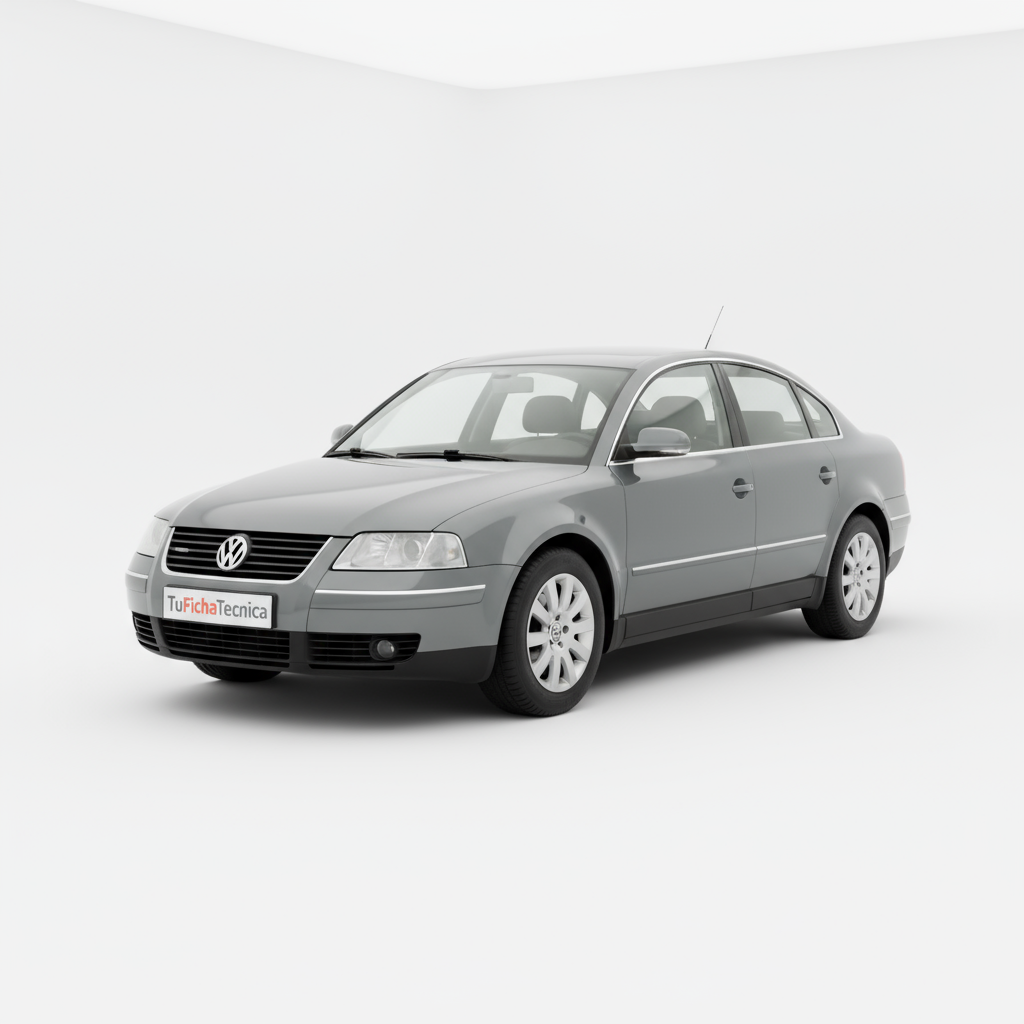
The 130 hp Volkswagen Passat Edition Trend 2.0, launched in 2001, represents the essence of the German mid-size sedan. With a sober yet elegant design, this model sought to offer a perfect balance between comfort, performance, and reliability, consolidating Volkswagen's reputation in the segment. Its 2.0-liter, 130 hp gasoline engine, combined with a five-speed manual gearbox, promised a pleasant and efficient driving experience for daily use and long journeys.
Driving experience
Behind the wheel of the Passat Edition Trend 2.0, the predominant feeling is one of solidity and poise. The steering, though not excessively communicative, is precise, and the chassis offers a firm footing that inspires confidence, especially on the open road. The 130 hp engine, with its indirect injection and variable intake, delivers power linearly and progressively, allowing for 0 to 100 km/h acceleration in 9.9 seconds and a top speed of 210 km/h. While not a sports car, its performance is more than sufficient for most situations, offering safe overtakes and good cruising capability. The combined consumption of 8 l/100km is reasonable for the era and engine type. The suspension, McPherson type at the front and trailing arm with torsional element at the rear, filters road irregularities well, providing remarkable ride comfort for all occupants.
Design and aesthetics
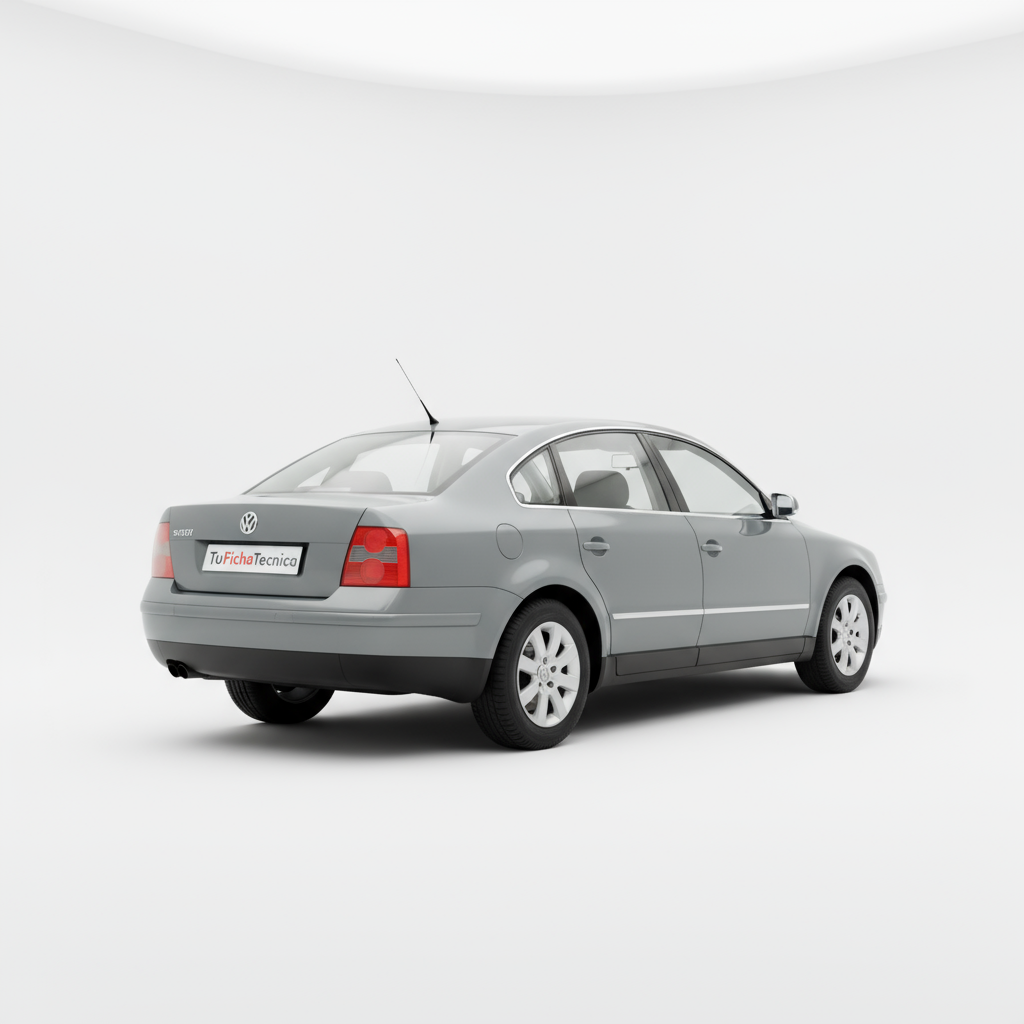
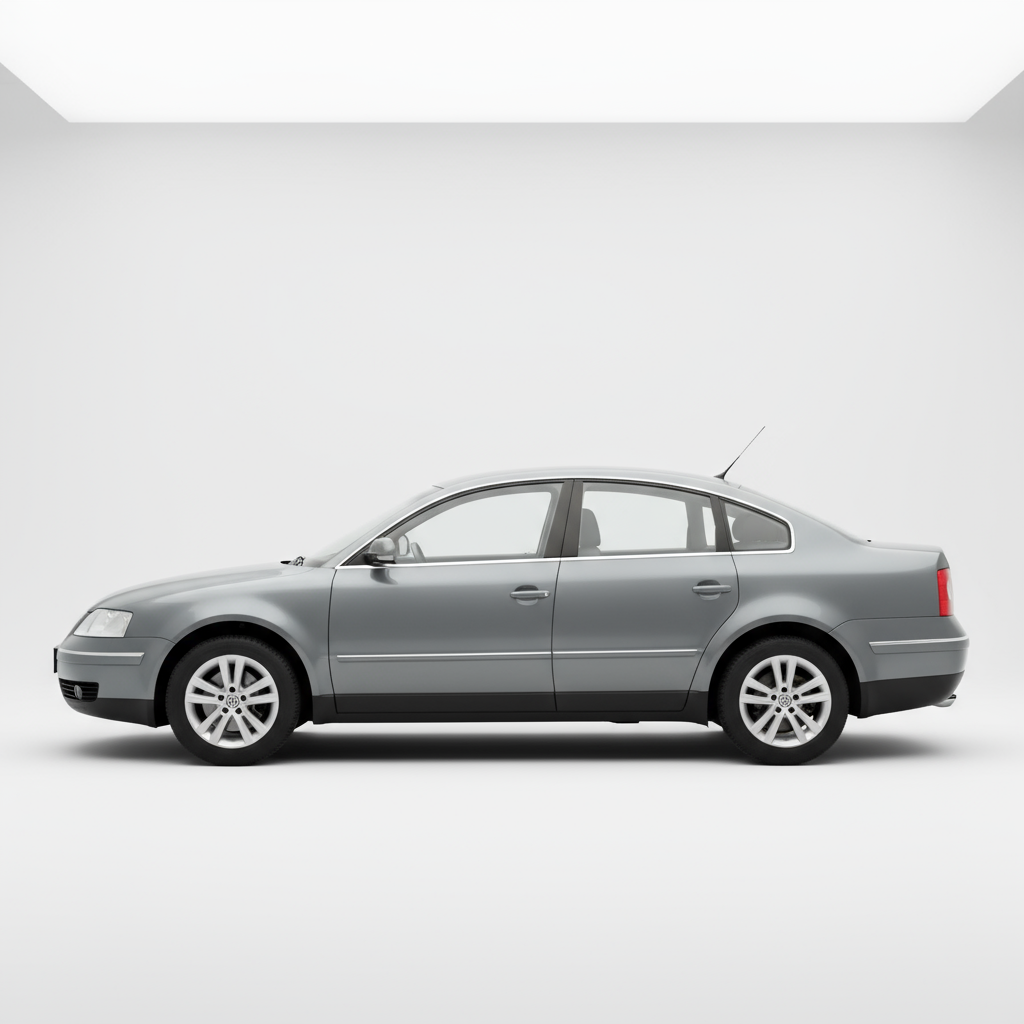
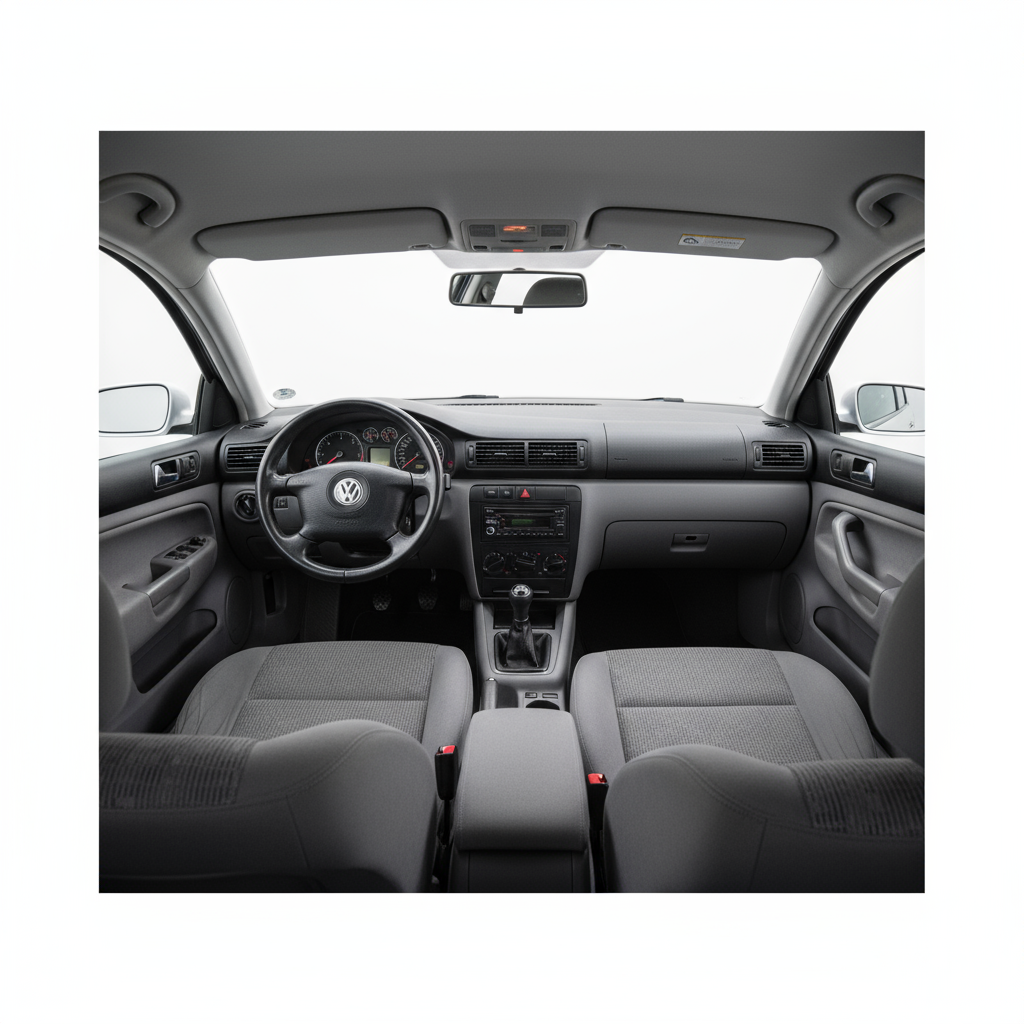
The design of the 2001 Volkswagen Passat is a clear example of the brand's philosophy: functionality and timeless elegance. Its lines are clean and discreet, without ostentation, which gives it a distinguished and mature presence. The four-door sedan body, with its 4703 mm length, 1746 mm width, and 1442 mm height, offers a balanced and proportionate silhouette. The interior, though sober, stands out for the quality of materials and adjustments, creating a welcoming and well-finished environment. Habitability is generous, especially in the rear seats, and the 475-liter trunk is spacious and very usable, ideal for family trips.
Technology and features
In terms of technology, the 2001 Passat Edition Trend 2.0 incorporated advanced solutions for its time. The 1984 cc gasoline engine, with 5 valves per cylinder, indirect injection, and variable intake, optimized power delivery and efficiency. Front-wheel drive and a 5-speed manual transmission ensured predictable driving and good control. In terms of safety, it featured ventilated front disc brakes and rear disc brakes, as well as anti-roll bars on both axles to improve stability. Although it did not have the latest driving aids we see today, its equipment was competitive in its segment, prioritizing the robustness and durability of its components.
Competition
In the competitive mid-size sedan segment, the Volkswagen Passat Edition Trend 2.0 faced tough rivals such as the Opel Vectra, Ford Mondeo, Peugeot 406, and Renault Laguna. Compared to them, the Passat stood out for its image of quality, mechanical robustness, and residual value. While some competitors could offer a bolder design or more abundant equipment in certain versions, the Passat positioned itself as the most balanced and reliable option, a car for those seeking a safe and lasting investment.
Conclusion
The 2001 Volkswagen Passat Edition Trend 2.0 is a car that, despite the passage of time, remains an interesting option for those looking for a spacious, comfortable, and reliable sedan. Its timeless design, capable engine, and build quality make it an ideal travel companion, capable of tackling both daily routines and long journeys with complete solvency. It is a car that does not seek to impress with artifices, but to convince with solid arguments and a mature and satisfying driving experience. A true modern classic that represents the essence of German engineering.