
Especificaciones y análisis del Volkswagen Passat
Power
131HP
Torque
310Nm
Consumption
7l/100
Emissions
-g/km
0-100 km/h
11.5s
Top Speed
203km/h
Weight
1453kg
Price
29,390€
Technical summary
Gasóleo
Automático 5v
FWD
5 / 4 doors
475 L
62 L
96 kW
Current
Technical specifications
Engine
Capacities
Detailed analysis of the Volkswagen Passat Trendline 1.9 TDI 130 CV Tiptronic (2000-2003)
General description
The 2001 Volkswagen Passat, in its Trendline 1.9 TDI 130 hp version with Tiptronic transmission, was presented as a robust and reliable sedan, ideal for those looking for a family car with a touch of distinction and the recognized quality of Volkswagen. With a price of €29,390, this model offered a balanced combination of performance, comfort, and efficiency, establishing itself as a very attractive option in its segment.
Driving experience
Behind the wheel of the Passat 1.9 TDI 130 hp, the predominant sensation was one of solidity and poise. The diesel engine, with its 131 hp and a torque of 310 Nm at 1900 rpm, offered a powerful response from low revolutions, which translated into agile and safe driving both in the city and on the road. The 5-speed Tiptronic automatic gearbox contributed to a smooth and relaxed driving experience, without sacrificing the possibility of more dynamic handling. The suspension, McPherson type on the front axle and trailing arm with torsional element on the rear, effectively filtered out road irregularities, providing remarkable ride comfort. The rack-and-pinion steering offered good precision, transmitting confidence to the driver at all times. In terms of performance, it reached a top speed of 203 km/h and accelerated from 0 to 100 km/h in 11.5 seconds, respectable figures for the time and type of vehicle.
Design and aesthetics
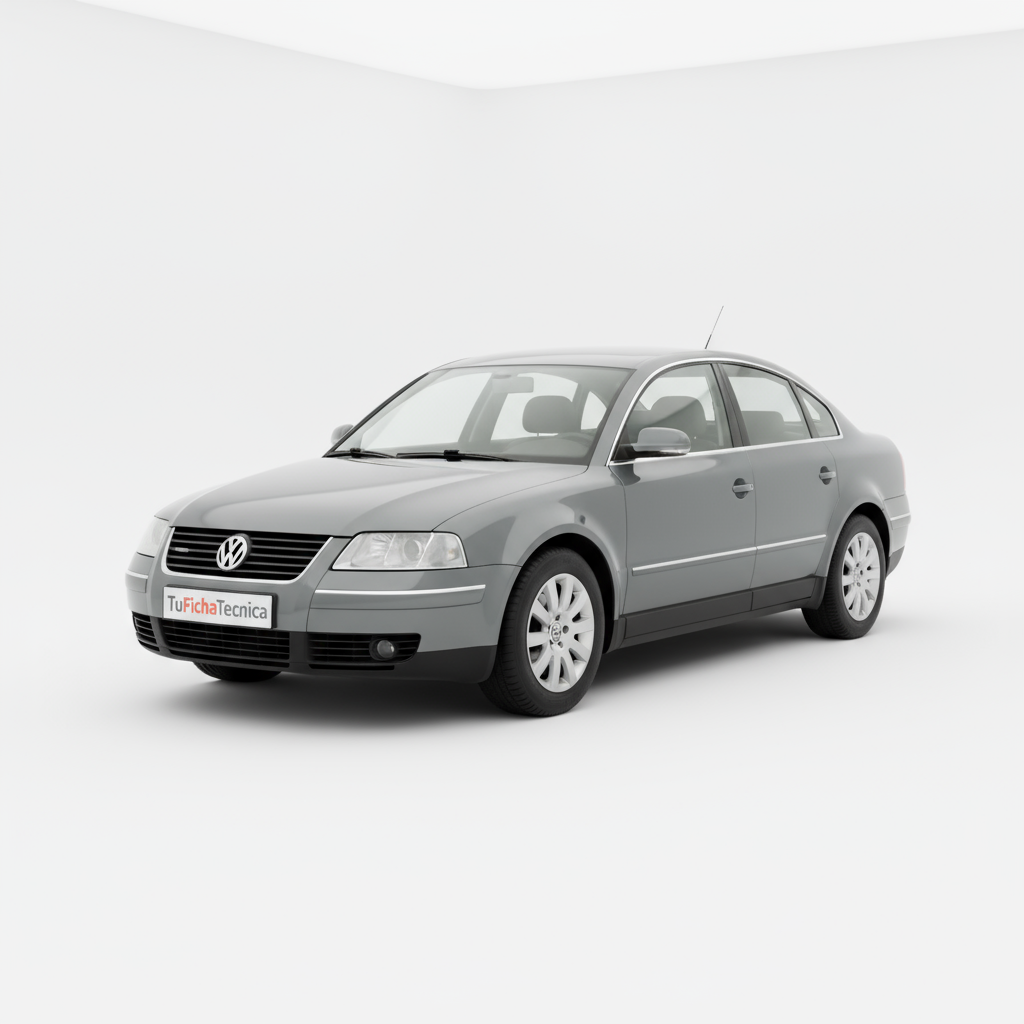
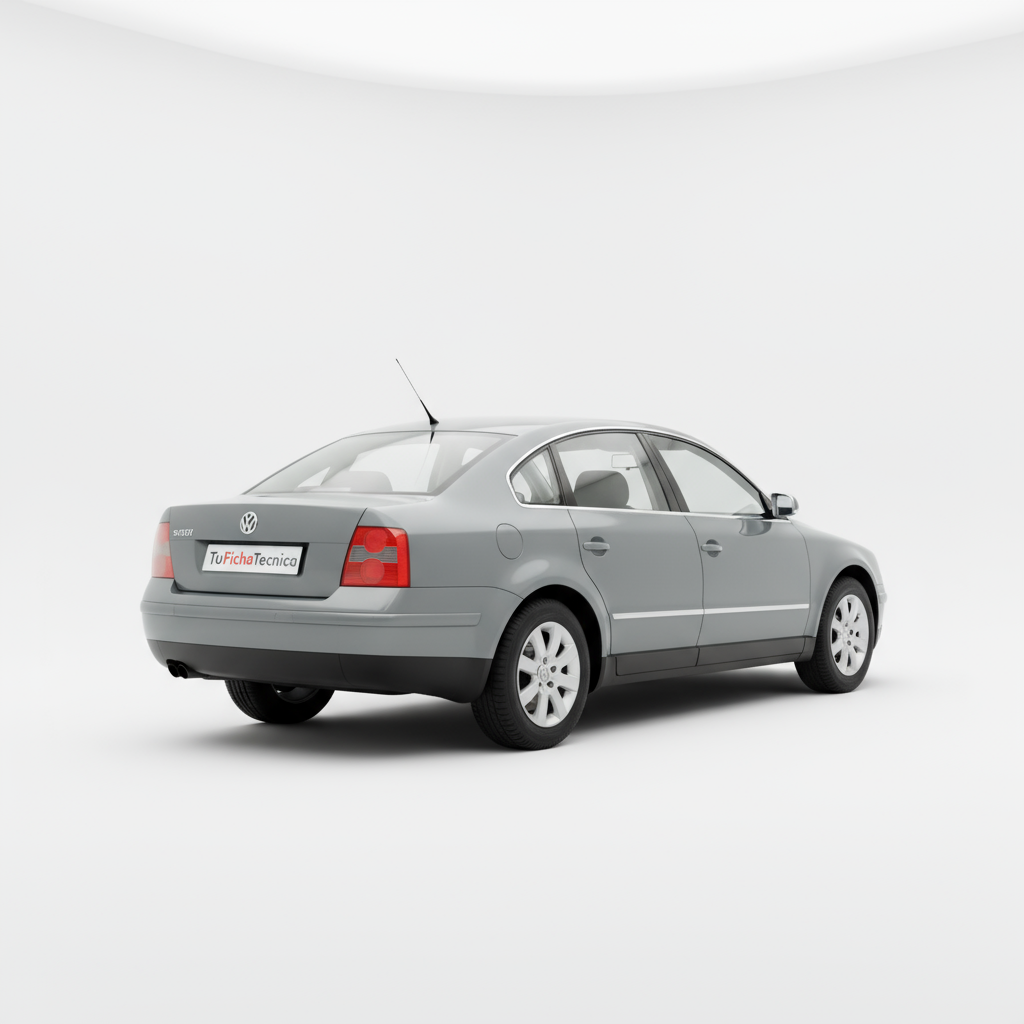
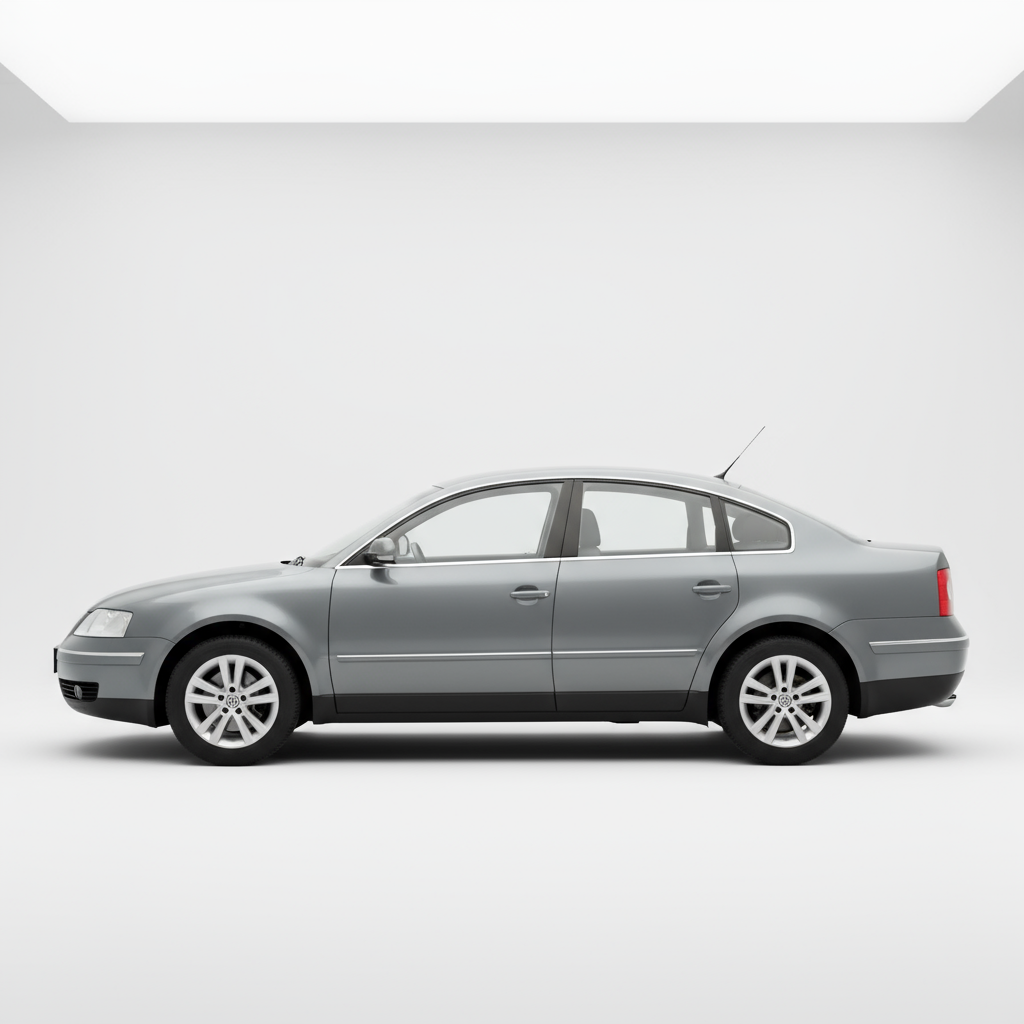
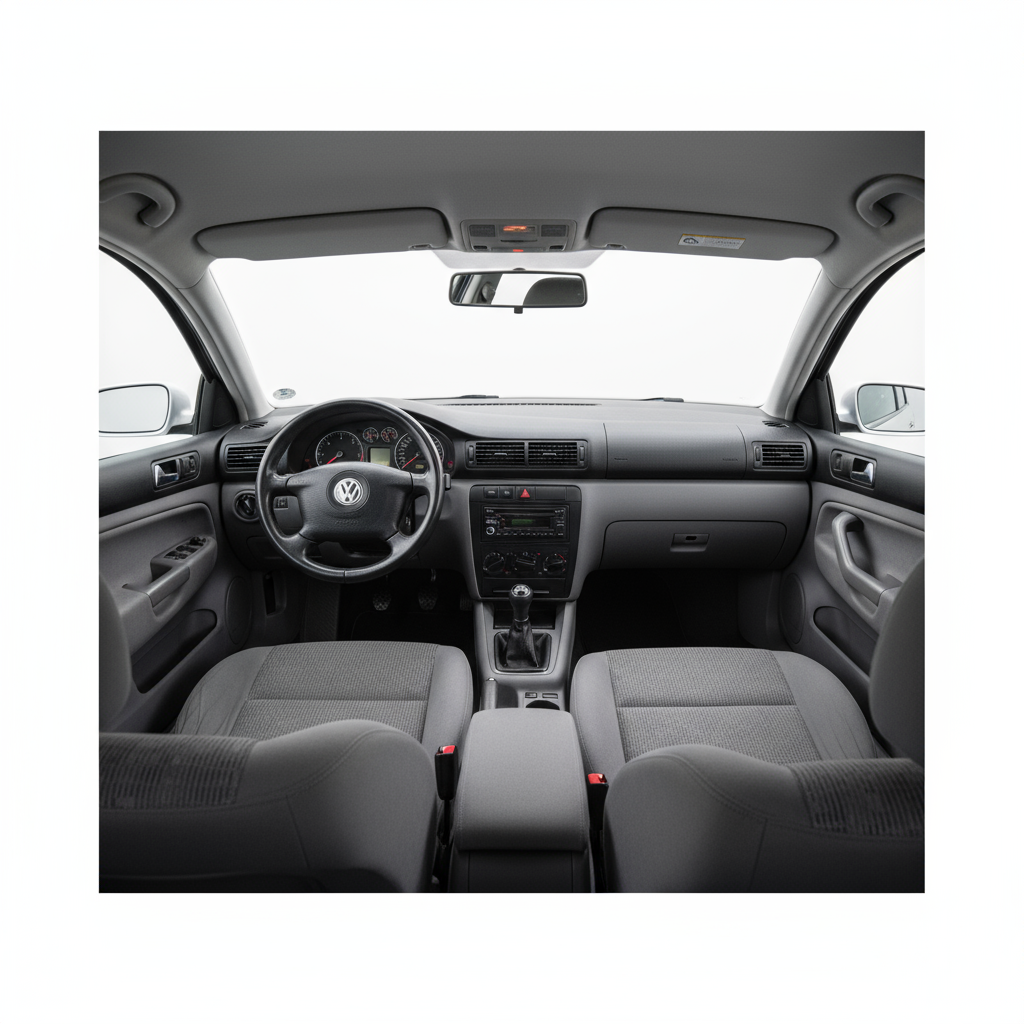
The design of the 2001 Volkswagen Passat maintained the classic and timeless lines that characterized the brand. Its 4-door sedan body, with a length of 4703 mm, a width of 1746 mm, and a height of 1442 mm, projected an elegant and sober image. The exterior details, such as the headlights and the grille, were harmoniously integrated into the whole, creating an aesthetic that, while not groundbreaking, did convey a sense of quality and durability. The interior, for its part, stood out for its functionality and the quality of the materials, with a well-organized dashboard and comfortable seats that invited long journeys. The trunk capacity of 475 liters was generous and allowed the luggage of the whole family to be transported without problems.
Technology and features
In the technological section, the 2001 Passat 1.9 TDI incorporated solutions that, for its time, were advanced and contributed to improving the driving experience and safety. The 1.9 TDI engine, with direct injection by unit injector, variable geometry turbo, and intercooler, was a benchmark in efficiency and performance among diesel engines. The 5-speed Tiptronic gearbox, with torque converter, offered the convenience of an automatic with the possibility of sequential manual control. In terms of safety, it had ventilated disc brakes of 288 mm on the front axle and 245 mm discs on the rear, ensuring effective braking. Although not all assistance systems are specified, Volkswagen has always been a pioneer in incorporating active and passive safety elements in its vehicles.
Competition
In the competitive mid-size sedan segment, the 2001 Volkswagen Passat 1.9 TDI faced tough rivals such as the Audi A4, the BMW 3 Series, the Mercedes-Benz C-Class, the Ford Mondeo, and the Opel Vectra. Compared to them, the Passat stood out for its overall balance, its recognized reliability, the efficiency of its diesel engine, and the quality of its interior finishes. While some rivals could offer a sportier feel or greater luxury, the Passat positioned itself as a sensible and durable option, ideal for those looking for a versatile car with good residual value.
Conclusion
The 2001 Volkswagen Passat Trendline 1.9 TDI 130 hp Tiptronic was a car that earned the respect and trust of its owners. Its combination of a powerful and efficient diesel engine, a smooth automatic transmission, a timeless design, and a spacious and well-finished interior made it a very attractive option for families and professionals. It was a vehicle that conveyed safety, comfort, and the promise of many worry-free kilometers, a true reflection of German engineering of the time. Its market success was no coincidence, but the result of a solid and well-executed proposal.