
Especificaciones y análisis del Volkswagen Lupo
Power
75HP
Torque
195Nm
Consumption
4.3l/100
Emissions
-g/km
0-100 km/h
12.3s
Top Speed
170km/h
Weight
983kg
Price
13,530€
Technical summary
Gasóleo
Manual 5v
FWD
5 / 3 doors
130 L
34 L
55 kW
Current
Technical specifications
Engine
Capacities
Detailed analysis of the Volkswagen Lupo 1.4 TDI 75 CV Advance (2004-2005)
General description
The 1999 Volkswagen Lupo 1.4 TDI 75 HP, in its Advance version, is a small utility car that, despite its compact size, promised remarkable efficiency and surprising performance for its segment. Designed for the city, but with the ability to tackle longer journeys, this Lupo presented itself as an intelligent option for those seeking economy and the inherent quality of Volkswagen.
Driving experience
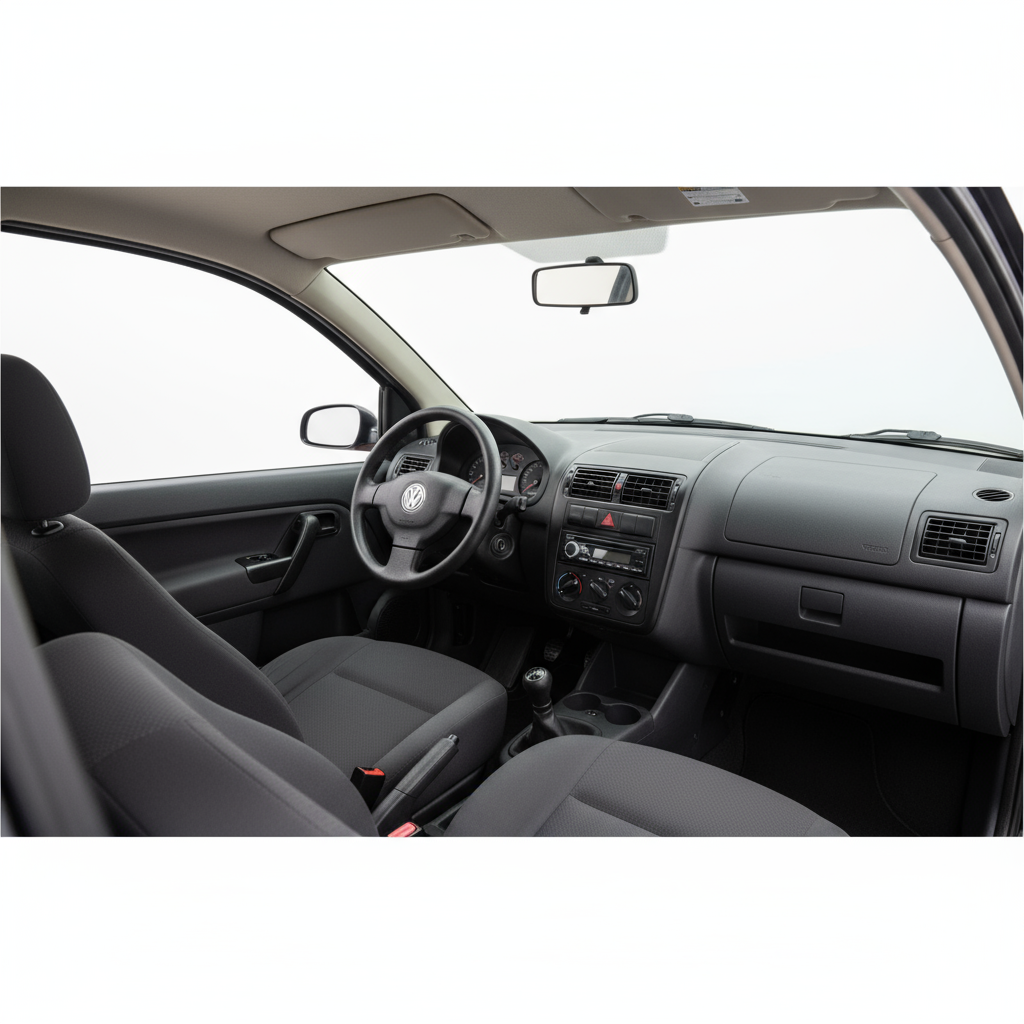
Behind the wheel of the Lupo 1.4 TDI, the feeling is one of agility and lightness. Its 75 HP, combined with a weight of just 983 kg, give it a lively response, especially in urban environments. The steering, although not the most communicative, fulfills its function, and the suspension, McPherson type at the front and trailing arm with torsion beam at the rear, offers a decent balance between comfort and stability. The 5-speed manual gearbox is precise, allowing the 195 Nm of torque delivered by the engine at low revolutions to be exploited. On the road, its top speed of 170 km/h and acceleration from 0 to 100 km/h in 12.3 seconds show that it does not shy away, although its natural habitat is the city. The combined consumption of 4.3 l/100km is one of its great assets, making every journey a pleasure for the wallet.
Design and aesthetics
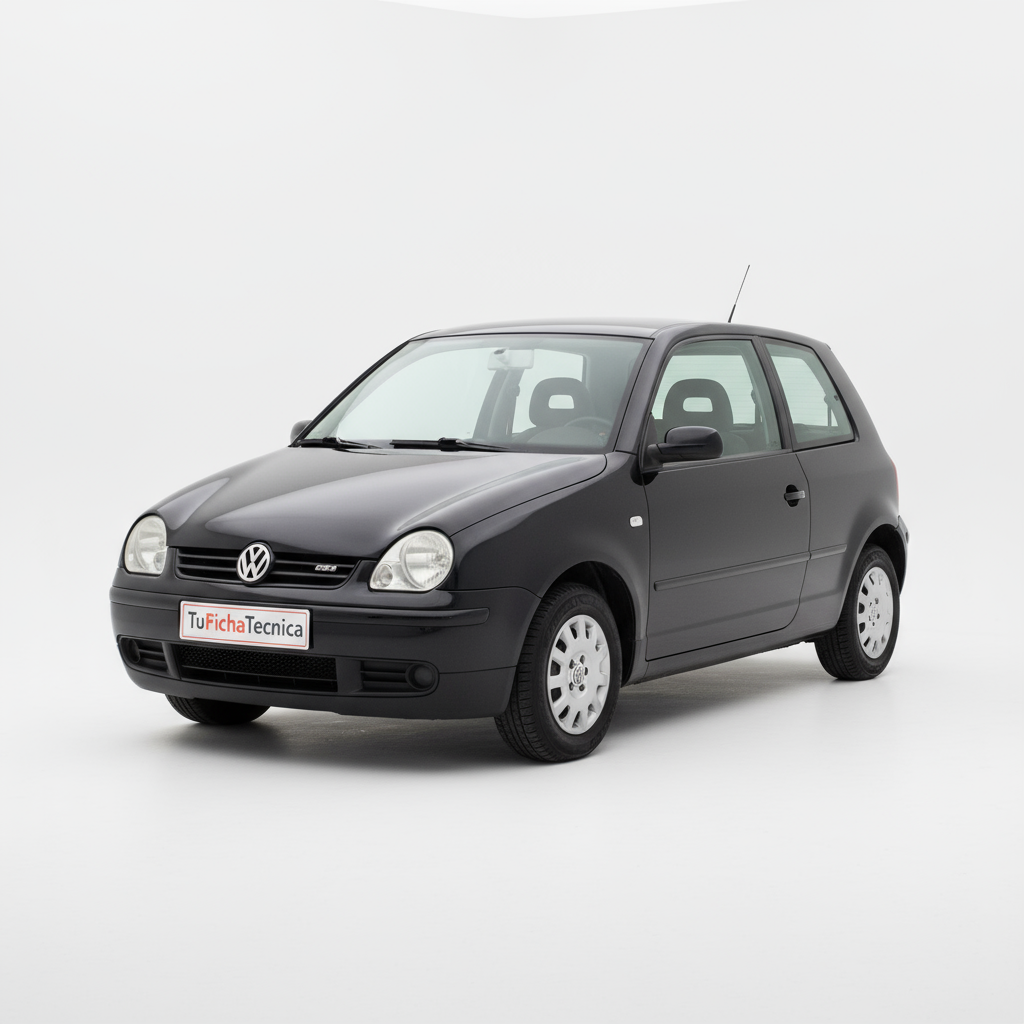
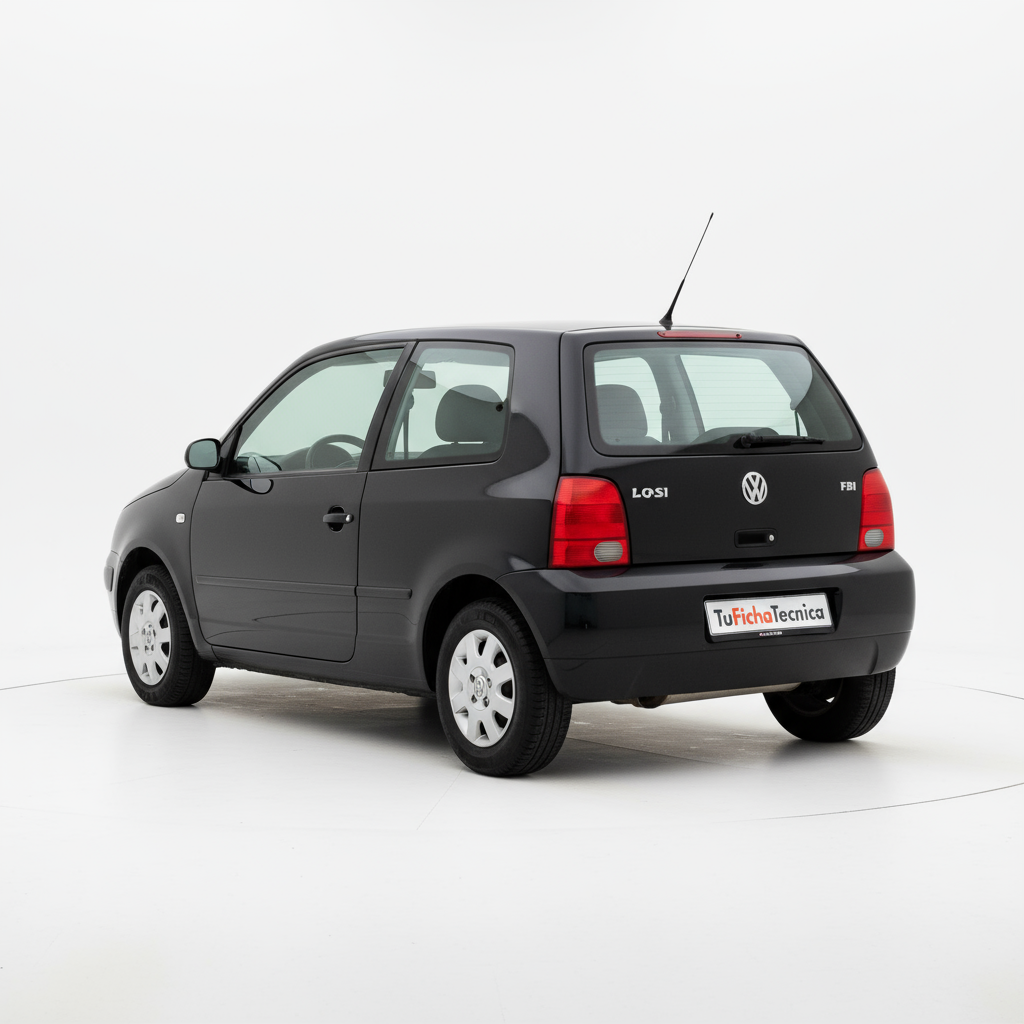
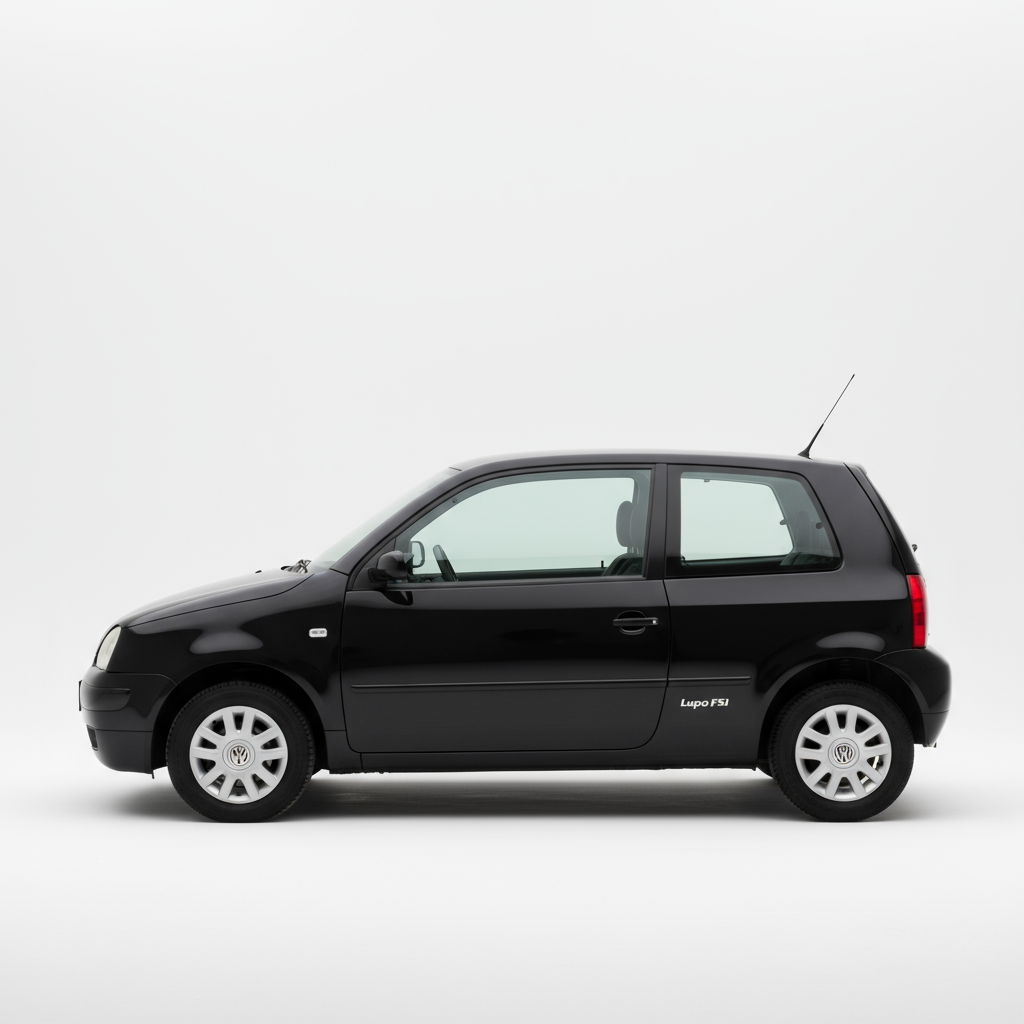
The design of the Volkswagen Lupo is unmistakably Volkswagen, with simple and functional lines that prioritize habitability and visibility. Its compact dimensions, with 3527 mm long, 1639 mm wide and 1460 mm high, make it ideal for moving and parking in the city. Despite being a small car, its timeless aesthetic allows it to maintain a pleasant presence. The three doors give it a youthful and dynamic appearance, although the 130-liter trunk is quite limited, as expected in a vehicle of these characteristics.
Technology and features
In the technological section, the 1999 Lupo 1.4 TDI incorporated the essentials for the time. Its 3-cylinder, 1422 cc diesel engine, with direct injection by unit injector, turbo and intercooler, was an example of efficiency and performance. The aluminum cylinder head and iron block guaranteed durability. Although it lacked current sophistications such as Stop&Start or driving assistance systems, its technology focused on mechanical reliability and optimizing fuel consumption. The ventilated front disc brakes and rear drum brakes, together with rack-and-pinion steering, offered a safe and predictable driving experience.
Competition
At the time, the Volkswagen Lupo 1.4 TDI faced competitors such as the Fiat Seicento, the Ford Ka or the Opel Agila. However, the Lupo stood out for offering superior build quality and a more refined and efficient diesel engine than many of its rivals. Its market positioning was that of a premium utility vehicle, with a price of €13,530 that reflected its value proposition. Although others might be cheaper, few offered the same combination of fuel economy, performance and the characteristic robustness of Volkswagen.
Conclusion
The Volkswagen Lupo 1.4 TDI 75 HP Advance was a car that, despite its size, left an important mark. Its combination of an efficient and powerful diesel engine for its segment, a functional design and Volkswagen's build quality made it a very attractive option for urban mobility and beyond. It is a vehicle that, even today, is still valued for its low consumption and reliability, demonstrating that good things, if small, are twice as good.