
Especificaciones y análisis del Volkswagen Golf
Power
101HP
Torque
240Nm
Consumption
5.2l/100
Emissions
-g/km
0-100 km/h
11.3s
Top Speed
188km/h
Weight
1248kg
Price
21,330€
Technical summary
Gasóleo
Manual 5v
FWD
5 / 5 doors
330 L
55 L
74 kW
Current
Technical specifications
Engine
Capacities
Detailed analysis of the Volkswagen Golf 5p Advance 1.9 TDI 100 CV (2002-2003)
General description
The Volkswagen Golf 5p Advance 1.9 TDI 100 hp, a model that marked an era between 2002 and 2003, is presented as a robust and reliable compact. With its direct injection diesel engine and turbo, it offered a balanced combination of performance and efficiency, consolidating the Golf's reputation as a benchmark in its segment. Its price of €21,330 at the time positioned it as an attractive option for those seeking quality and durability.
Driving experience
Behind the wheel of this Golf, the feeling is one of solidity and control. The 100 hp 1.9 TDI engine, with its torque of 240 Nm at 1800 rpm, provides a powerful response from low revs, ideal for daily driving and overtaking. Acceleration from 0 to 100 km/h in 11.3 seconds and a top speed of 188 km/h demonstrate its capability. The suspension, McPherson type at the front and trailing arm with torsion beam at the rear, offers a good compromise between comfort and stability, absorbing road irregularities without sacrificing agility. The rack-and-pinion steering, although without variable assistance, transmits confidence and precision. It is a car that feels planted on the road, inspiring safety on every journey.
Design and aesthetics
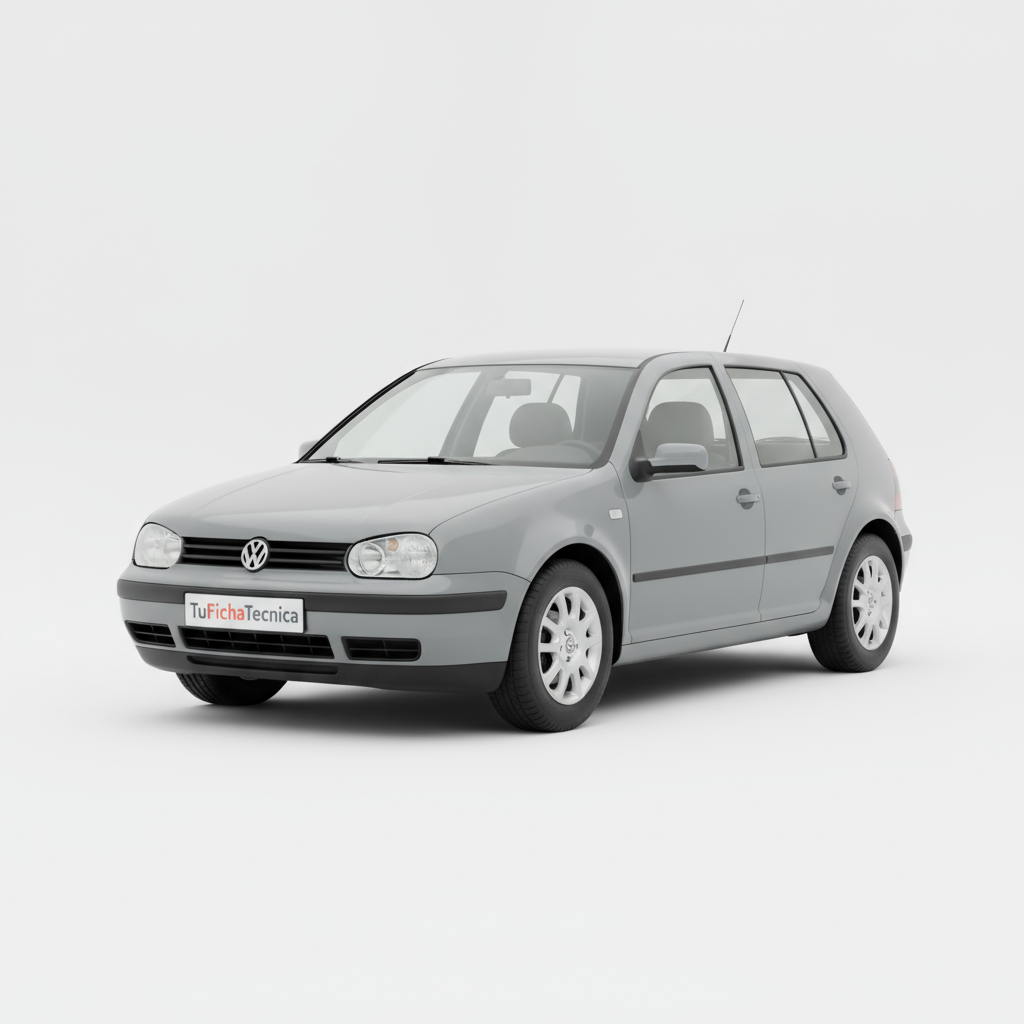
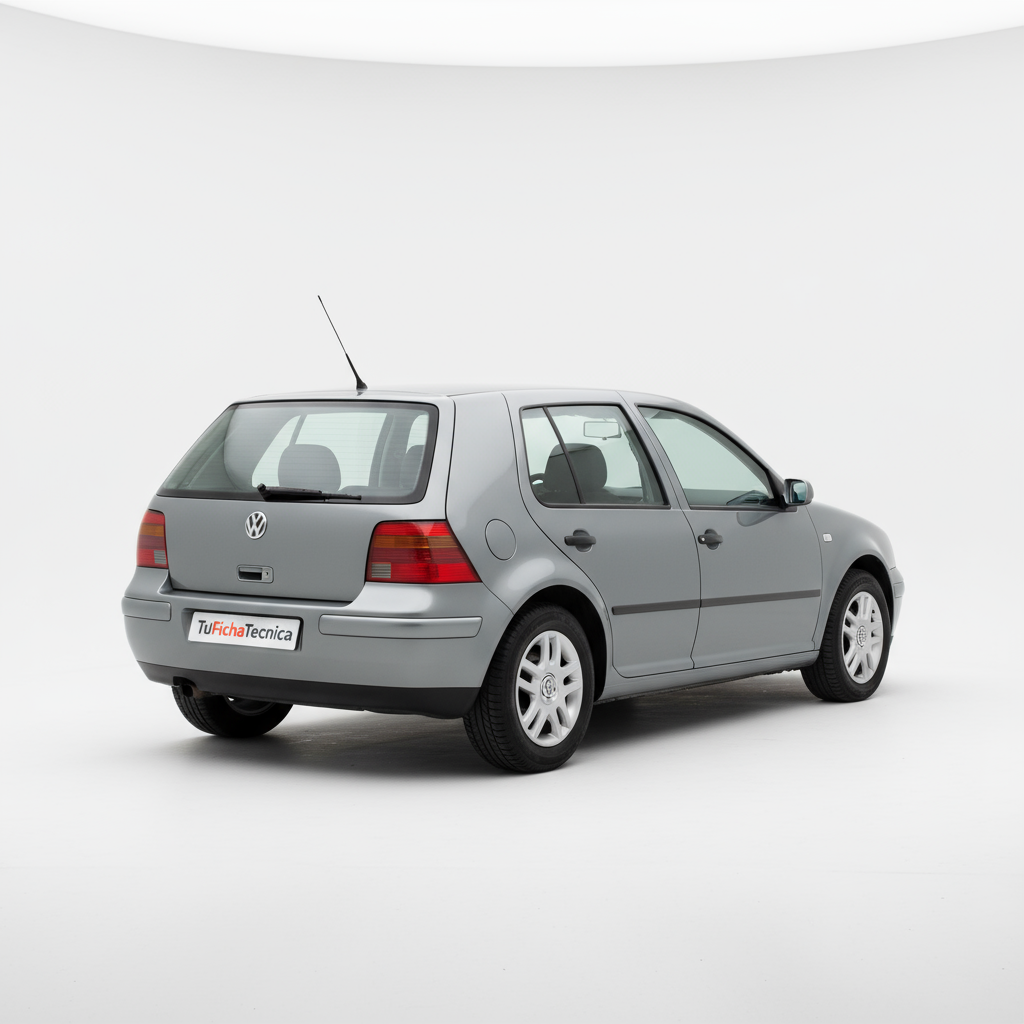
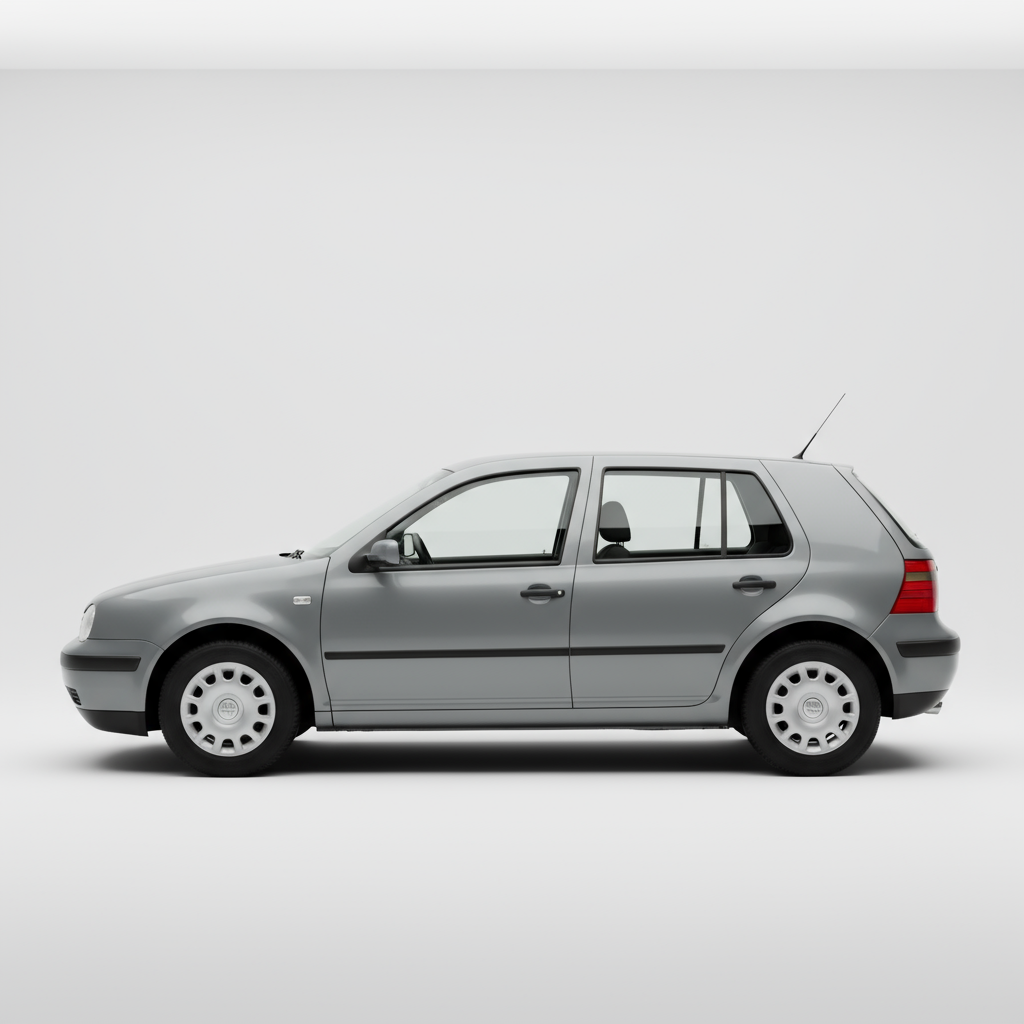
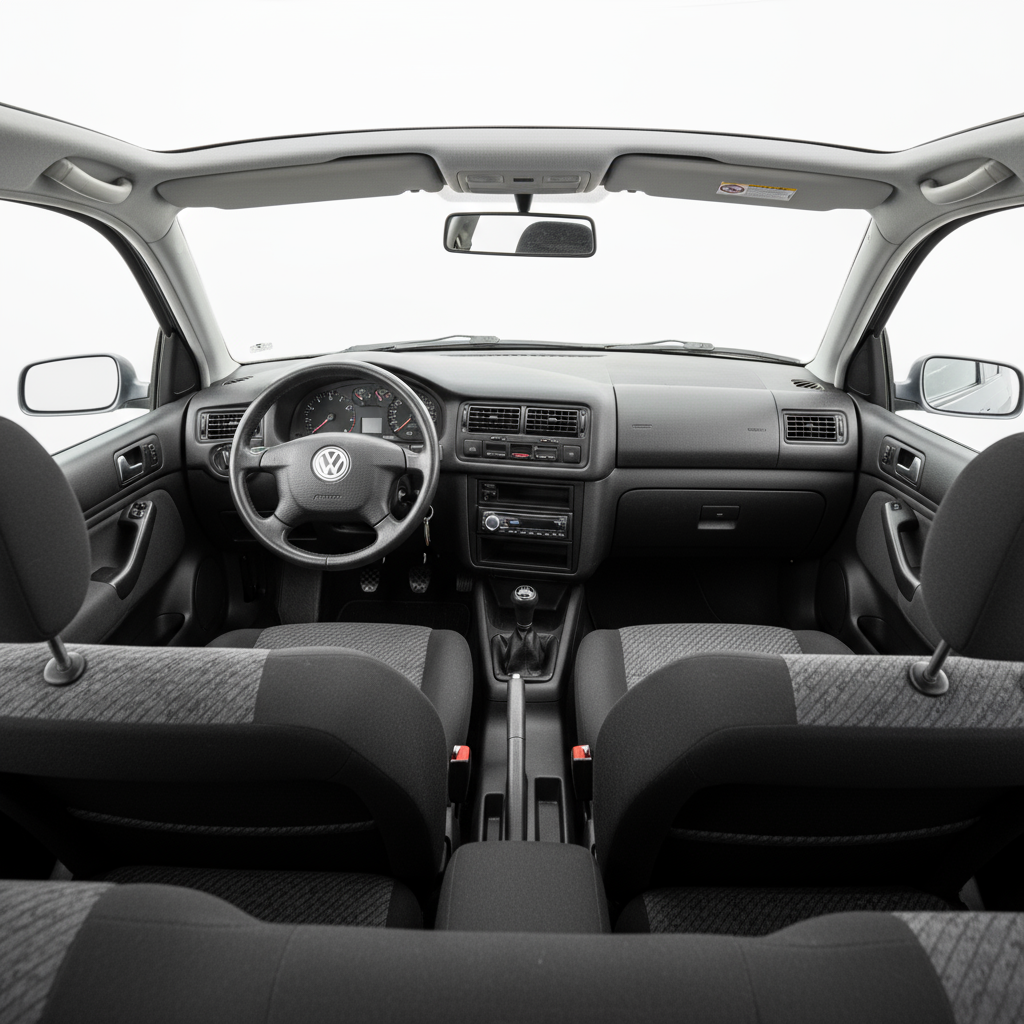
The design of the 1997 Volkswagen Golf, in its 5-door version, is an example of timelessness and functionality. Its lines are clean and sober, without extravagance, which gives it a discreet elegance that has aged remarkably well. With a length of 4149 mm, a width of 1735 mm, and a height of 1444 mm, its proportions are balanced, offering a spacious cabin for five occupants and a 330-liter trunk, very practical for everyday use. The 'Advance' aesthetic focused on details that enhanced its practical character and perceived quality, without falling into excesses. It is a design that prioritizes ergonomics and visibility, making the driving experience comfortable and simple.
Technology and features
At the technological heart of this Golf is its 1.9 TDI engine, a gem of diesel engineering of its time. With direct injection by unit injector, variable geometry turbo, and intercooler, this 100 hp engine was not only powerful but also surprisingly efficient, with a combined consumption of 5.2 l/100km. The precise and well-geared 5-speed manual transmission perfectly complements the engine's character. Although it lacked the electronic sophistication of current models, its technology focused on mechanical reliability and performance optimization. Ventilated disc brakes at the front and disc brakes at the rear ensured effective braking, while power steering contributed to a more relaxed drive.
Competition
At the time, the Volkswagen Golf 5p Advance 1.9 TDI 100 hp faced tough competition in the compact segment. Its main rivals included models such as the Opel Astra, Ford Focus, Peugeot 307, and Renault Mégane. Each offered its own virtues, but the Golf stood out for its reputation for build quality, its proven efficient diesel engine, and its residual value. Although some rivals might offer a bolder design or more abundant equipment, the Golf always remained the preferred option for those seeking a balanced, durable car with a touch of distinction.
Conclusion
The Volkswagen Golf 5p Advance 1.9 TDI 100 hp is more than just a car; it is an icon that represents the essence of German engineering: robustness, efficiency, and quality that endures over time. Its diesel engine is an example of reliability and low consumption, while its timeless design and dynamic behavior make it a very sensible option. It is a vehicle that, despite its age, still offers a rewarding driving experience and an adequate level of comfort for everyday use. A car that, without a doubt, left an indelible mark on automotive history.