
Especificaciones y análisis del Volkswagen Golf
Power
75HP
Torque
126Nm
Consumption
6.6l/100
Emissions
-g/km
0-100 km/h
14s
Top Speed
171km/h
Weight
1126kg
Price
15,970€
Technical summary
Gasolina
Manual 5v
FWD
5 / 5 doors
330 L
55 L
55 kW
Current
Technical specifications
Engine
Capacities
Detailed analysis of the Volkswagen Golf 5p Spirit 1.4 · 75 CV (2003)
General description
The 1997 Volkswagen Golf 5p Spirit 1.4 is a car that, despite its age, still evokes a sense of solidity and reliability. With its 75 hp gasoline engine and a 5-speed manual gearbox, this Golf presents itself as a practical and economical option for everyday use, maintaining the essence of a model that has marked generations.
Driving experience
Behind the wheel, the Golf Spirit 1.4 offers an honest and unpretentious driving experience. Its 75 hp may seem modest, but they are sufficient to move with agility in urban environments and maintain a constant pace on the road. The steering is precise and the suspension, McPherson type at the front and trailing arm with torsional element at the rear, provides a good balance between comfort and stability. Don't expect strong emotions, but rather predictable and safe driving, ideal for those looking for a reliable and uneventful travel companion. The acceleration from 0 to 100 km/h in 14 seconds and a top speed of 171 km/h confirm its functional character.
Design and aesthetics
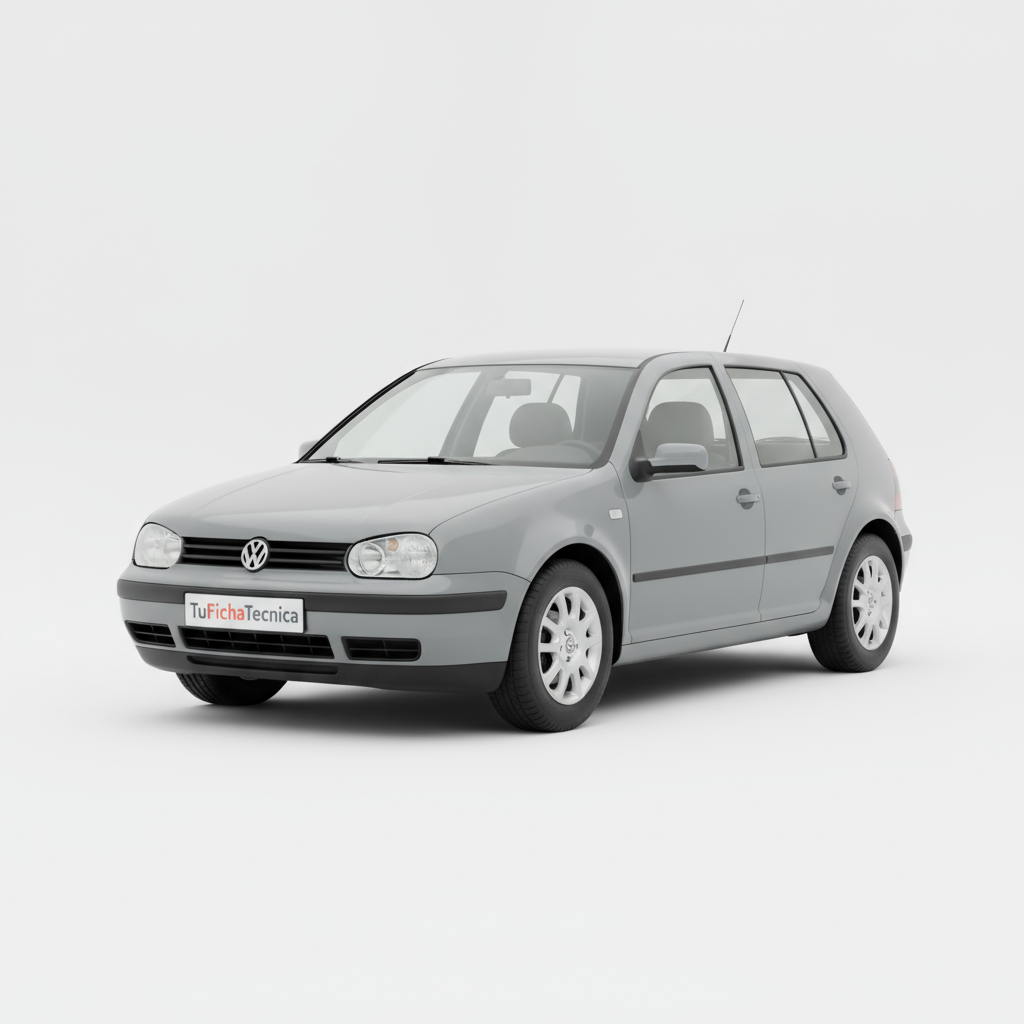
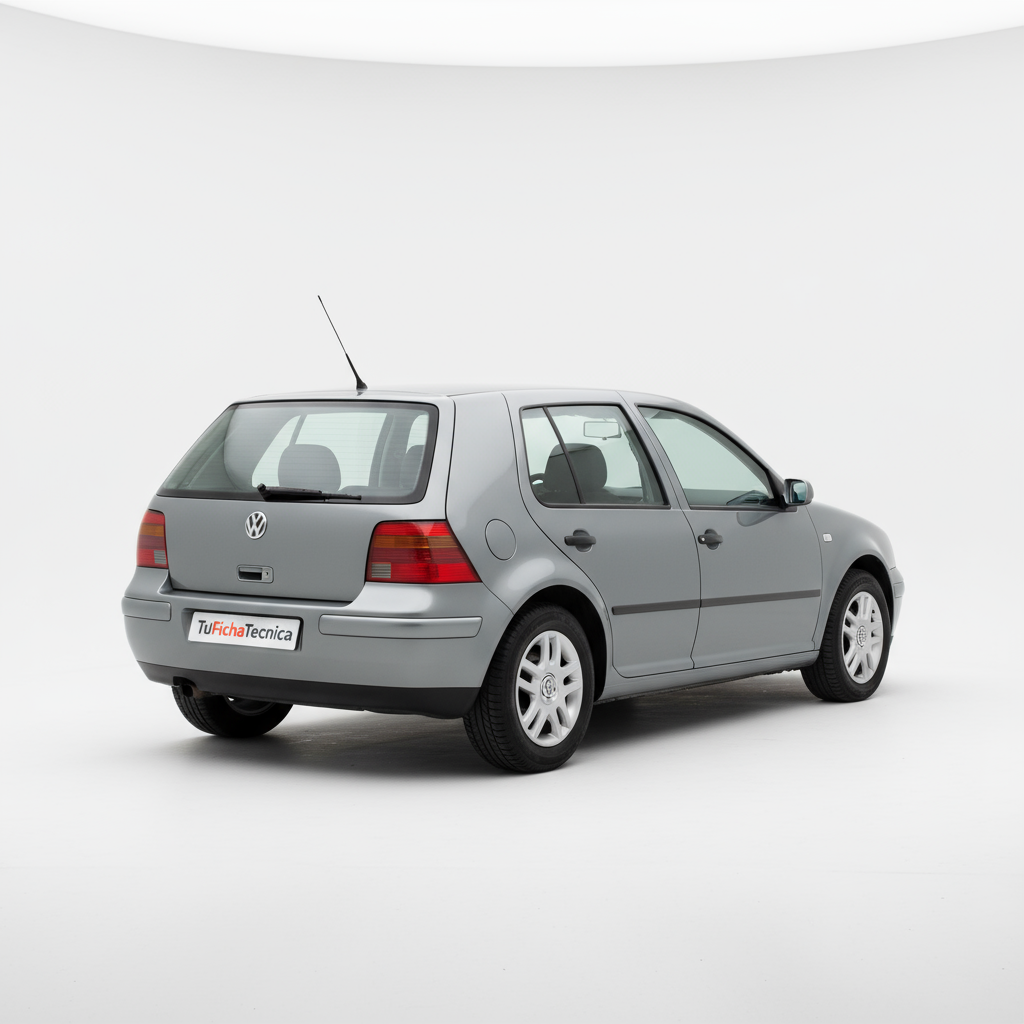
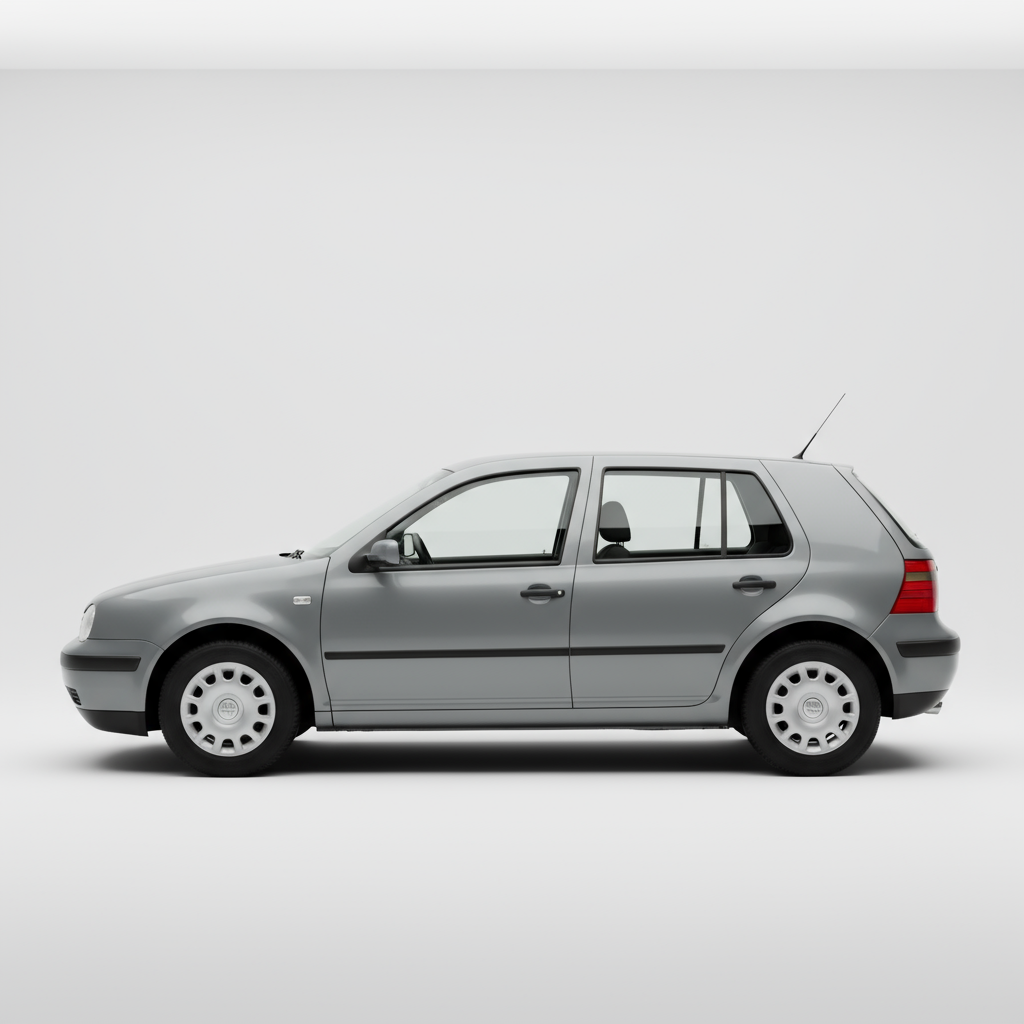
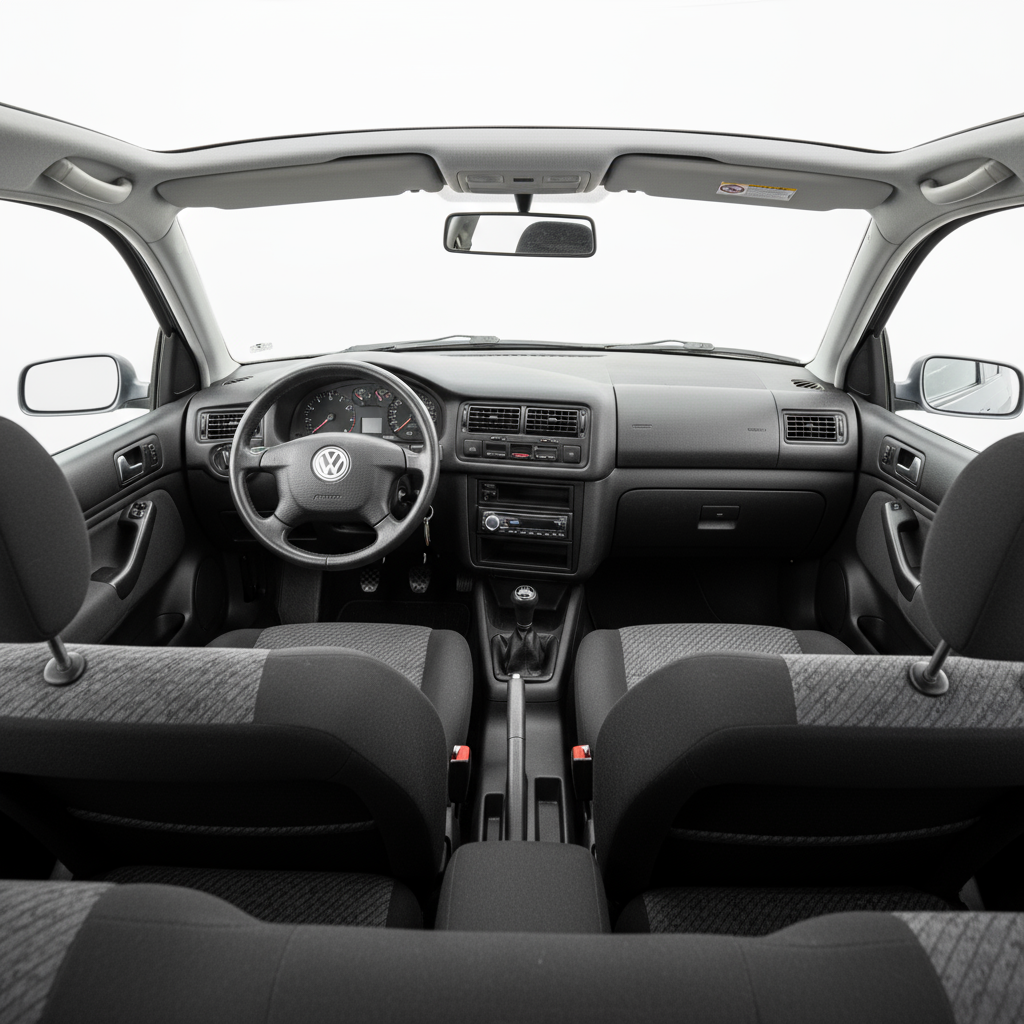
The design of the 1997 Volkswagen Golf is a timeless classic. Its lines are clean and functional, without fanfare, which gives it a discreet elegance that has aged with dignity. The 5-door body maximizes practicality, while its compact dimensions (4149 mm long, 1735 mm wide and 1444 mm high) make it manageable in the city. The interior, although sober, is well built and designed for ergonomics, with a 330-liter trunk that meets the expectations of its segment. It is a design that prioritizes functionality and durability over fleeting trends.
Technology and features
In 1997, the technology of the Golf Spirit 1.4 focused on efficiency and reliability. Its 1.4-liter gasoline engine with indirect injection and 4 valves per cylinder, with an aluminum block and cylinder head, was an example of robust engineering. The 5-speed manual transmission offered direct control over power. Although it lacks the electronic sophistication of modern cars, its mechanical simplicity is an advantage in terms of maintenance and durability. The ventilated front disc brakes and rear disc brakes, along with rack-and-pinion steering, ensured adequate response for the time.
Competition
At the time, the Volkswagen Golf Spirit 1.4 faced tough competition in the compact segment. Its main rivals included models such as the Opel Astra, the Ford Focus, the Renault Mégane, and the Peugeot 306. Compared to them, the Golf stood out for its reputation for build quality, its timeless design, and its resale value. Although some rivals could offer more powerful engines or more striking equipment, the Golf always positioned itself as the sensible and durable option, a car that could be trusted.
Conclusion
The 1997 Volkswagen Golf 5p Spirit 1.4 is more than just a car; it is an automotive icon that represents the essence of German engineering: reliability, functionality, and a design that transcends time. It is a vehicle that, despite its age, remains a valid option for those looking for economical and uncomplicated transportation. Its combined consumption of 6.6 l/100km and its environmental label B make it still relevant. It is a car that will faithfully accompany you, offering an honest driving experience and a legacy of quality that few can match.