
Especificaciones y análisis del Volkswagen Golf
Power
102HP
Torque
148Nm
Consumption
8l/100
Emissions
-g/km
0-100 km/h
12.7s
Top Speed
185km/h
Weight
1155kg
Price
20,510€
Technical summary
Gasolina
Automático 4v
FWD
5 / 3 doors
330 L
55 L
75 kW
Current
Technical specifications
Engine
Capacities
Detailed analysis of the Volkswagen Golf 3p Highline 1.6 Aut. · 102 CV (2000-2003)
General description
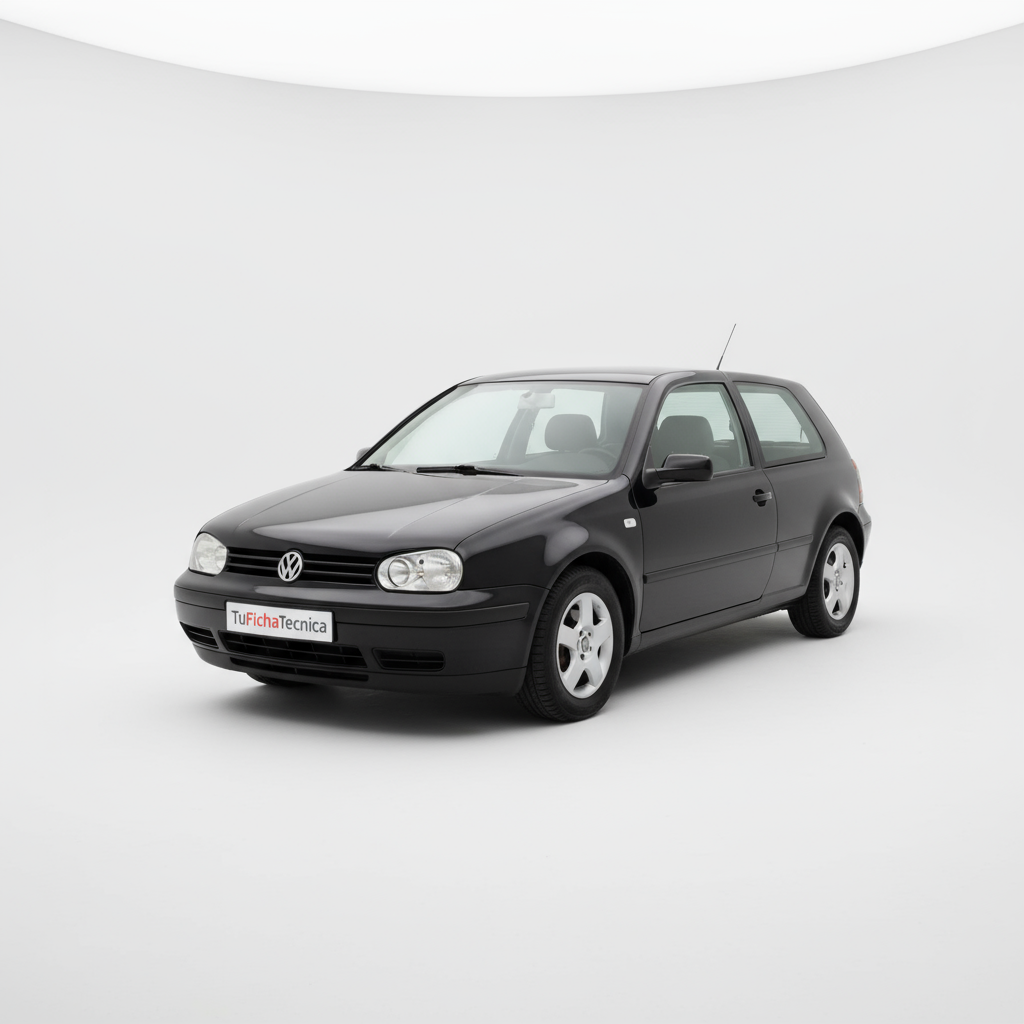
The 1997 Volkswagen Golf, in its 3-door Highline 1.6 Automatic version, represents an era where reliability and functionality met a touch of distinction. This model, with its 102 HP gasoline engine and 4-speed automatic transmission, offered a comfortable and hassle-free driving experience, ideal for daily use and occasional getaways. Its timeless design and the inherent Volkswagen build quality made it a benchmark in its segment, a car that promised durability and a solid residual value.
Driving experience
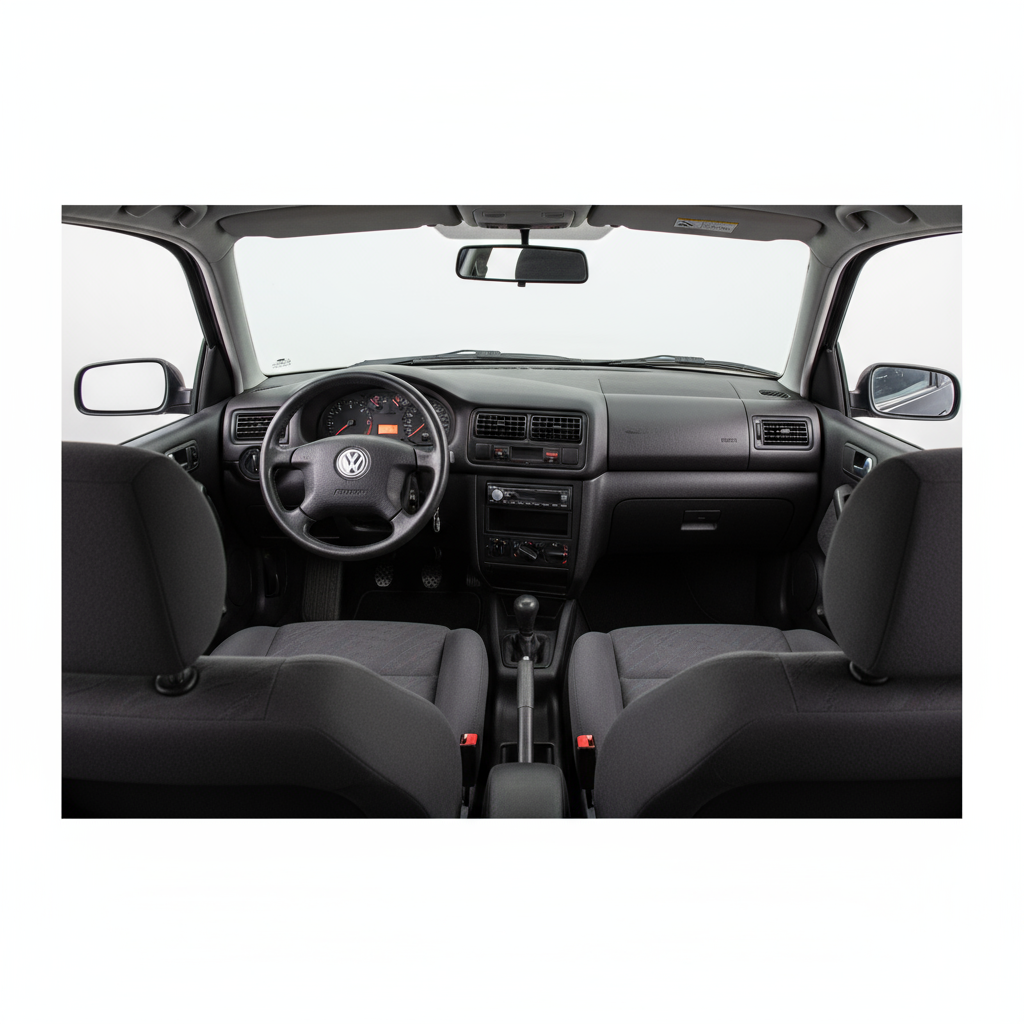
Behind the wheel of this Golf, the predominant feeling is one of solidity and control. The steering, although not overly communicative, is precise and the car feels planted on the road. The 1.6-liter, 102 HP engine, combined with the automatic gearbox, offers a smooth response, though without great sporting pretensions. It's a car that invites relaxed driving, where comfort takes precedence over pure performance. The front McPherson suspension and rear torsion beam axle, along with disc brakes on both axles, provide an adequate balance between comfort and safety. It's not a car for strong emotions, but for enjoying every journey with peace of mind and confidence.
Design and aesthetics
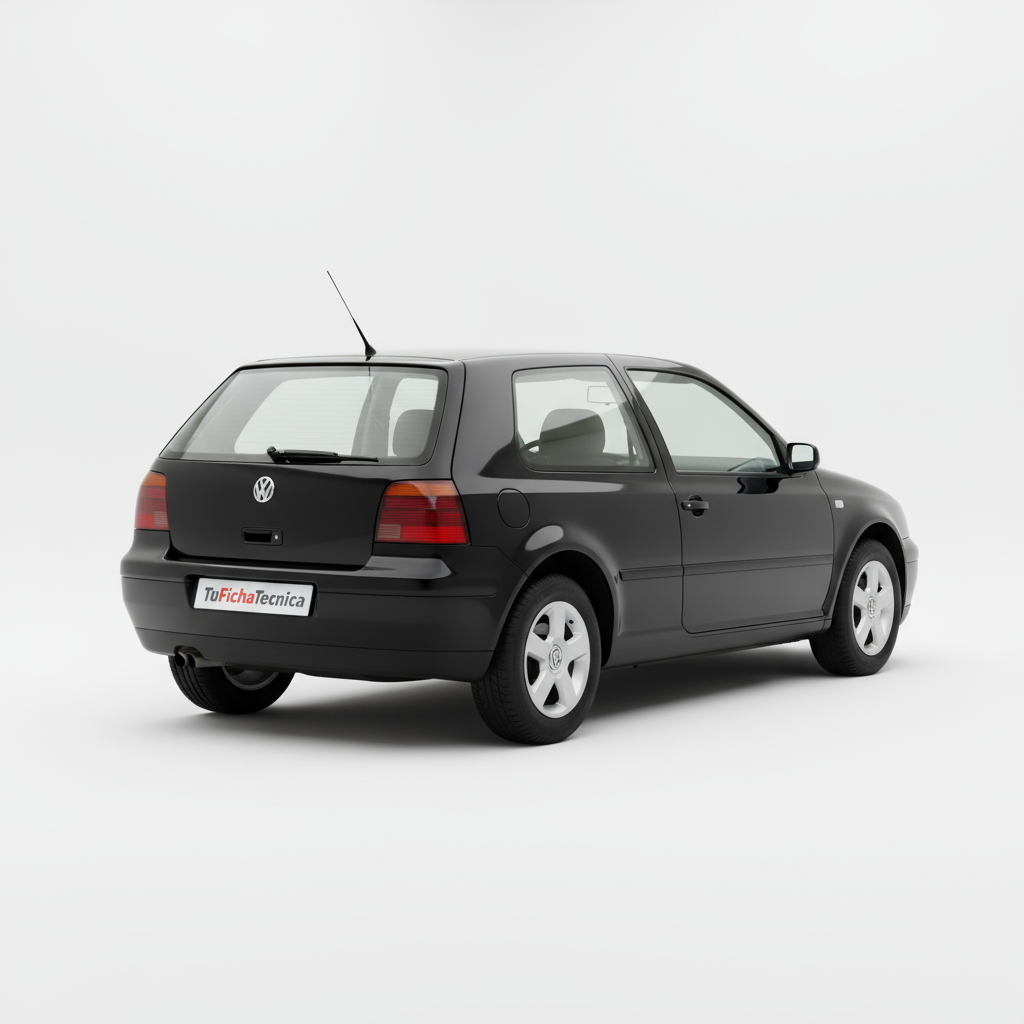
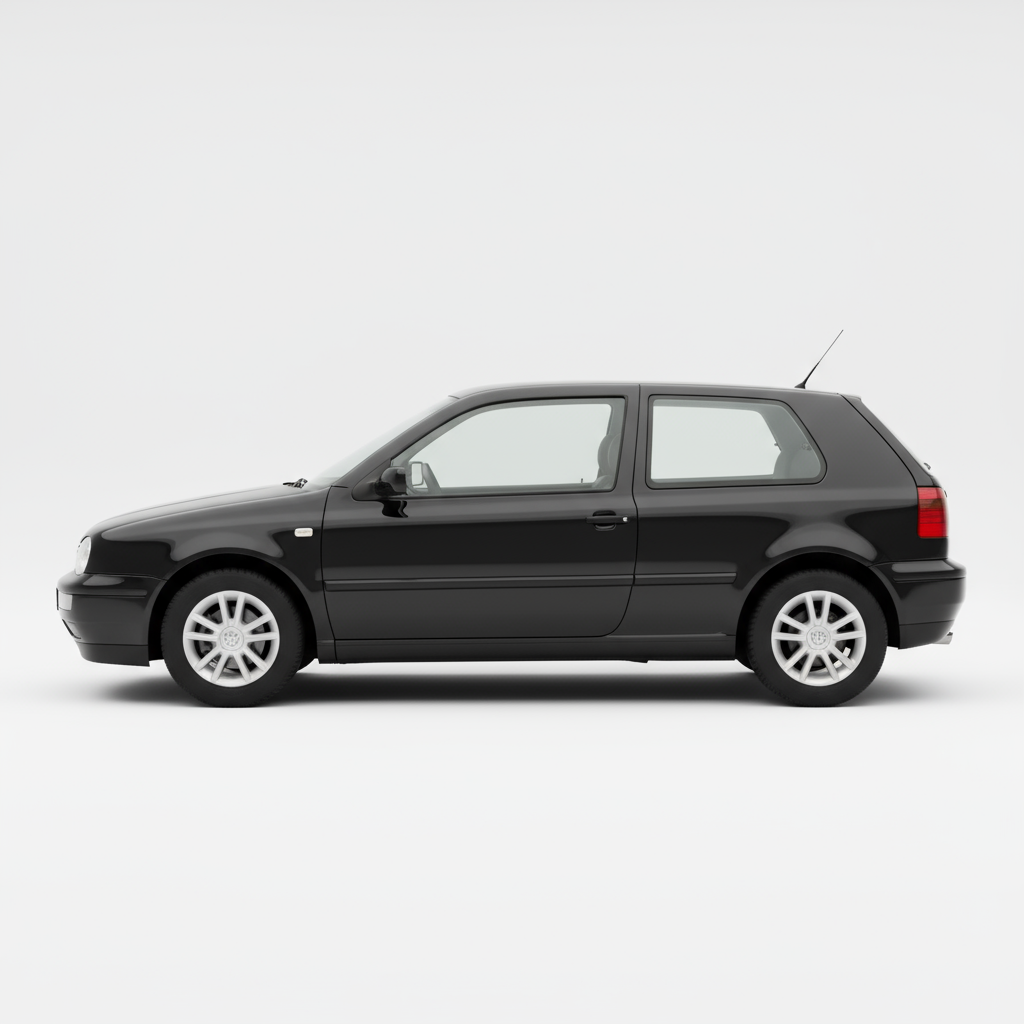
The design of the 1997 Volkswagen Golf is an example of how simplicity can be elegant and durable. Its lines are clean and functional, without ostentation, which has allowed it to age with remarkable dignity. The 3-door body gives it a more youthful and sporty appearance than the 5-door version, while maintaining the practical essence of the model. The details of the Highline version, though subtle, enhance its presence, adding a touch of sophistication. It is a design that does not seek to impress at first glance, but to convince by its coherence and its ability to withstand the test of time.
Technology and features
In terms of technology, the 1997 Golf was at the forefront of its time, although today its features may seem modest. Its 1.6-liter, 102 HP indirect injection engine, with an aluminum block and cylinder head, was an example of efficiency and durability. The 4-speed automatic transmission, although not as sophisticated as current ones, offered great comfort in urban and highway driving. In terms of safety, it featured elements such as ventilated front disc brakes and rear discs, and a robust chassis structure. The rack-and-pinion steering, although without variable assistance, was precise and reliable. It was a car that prioritized functionality and robustness in its technology.
Competition
At the time, the 1997 Volkswagen Golf faced tough competition in the compact segment. Its main rivals included models such as the Opel Astra, Ford Focus, Renault Mégane, and Peugeot 306. Compared to them, the Golf stood out for its reputation for build quality, timeless design, and residual value. Although some rivals might offer more dynamic handling or more abundant equipment in certain versions, the Golf positioned itself as the most balanced and reliable option, a car that inspired confidence and maintained its appeal over time.
Conclusion
The 1997 Volkswagen Golf in its Highline 1.6 Automatic version is a car that, despite the years, remains a testament to German engineering. It offers a comfortable and safe driving experience, a design that has stood the test of time, and a reliability that has made it a classic. It is a car for those who value solidity, functionality, and peace of mind on every journey. Although not the fastest or most equipped of its generation, its overall balance and durability make it a very attractive option for those looking for a car with history and character.