
Especificaciones y análisis del Volkswagen Caddy
Power
109HP
Torque
160Nm
Consumption
-l/100
Emissions
156g/km
0-100 km/h
13.8s
Top Speed
169km/h
Weight
1682kg
Price
26,704€
Technical summary
Gasolina o gas natural
Manual 5v
FWD
5 / 5 doors
750 L
- L
80 kW
Current
Technical specifications
Engine
Capacities
Detailed analysis of the Volkswagen Caddy Comfortline 5 plazas 2.0 Ecofuel 109CV (2010-2013)
General description
The Volkswagen Caddy Comfortline 5-seater 2.0 Ecofuel 109 HP, manufactured between 2010 and 2013, presents itself as a versatile and practical option for those seeking a family or work vehicle with a focus on efficiency. With its ability to run on gasoline or natural gas, this Caddy offers an interesting alternative in a market that was beginning to value dual-fuel options. Its functional design and Volkswagen's reputation for quality and durability make it a reliable everyday companion.
Driving experience
Behind the wheel of the Caddy 2.0 Ecofuel, the predominant feeling is one of solidity and control. Its 109 HP engine, while not promising blistering acceleration (13.8 seconds from 0 to 100 km/h), is sufficient to move its 1682 kg with agility, especially in urban environments and on secondary roads. The 5-speed manual transmission is precise and contributes to a direct driving experience. The suspension, McPherson type at the front and rigid axle at the rear, is designed to support loads, which translates into stable behavior, although perhaps somewhat firm on uneven terrain. Electric power steering facilitates maneuvers, making the Caddy feel more agile than its size might suggest. The versatility of being able to alternate between gasoline and natural gas adds a layer of peace of mind in terms of range and cost per kilometer.
Design and aesthetics
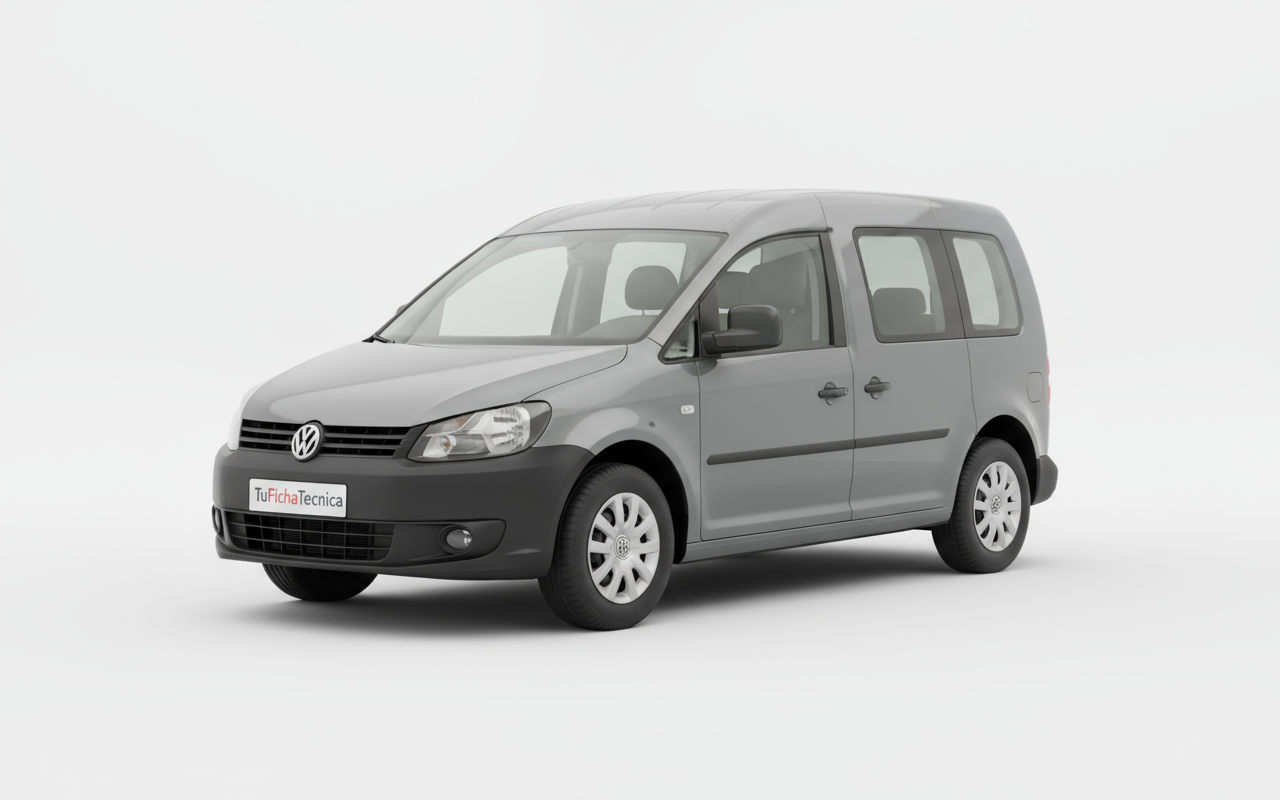
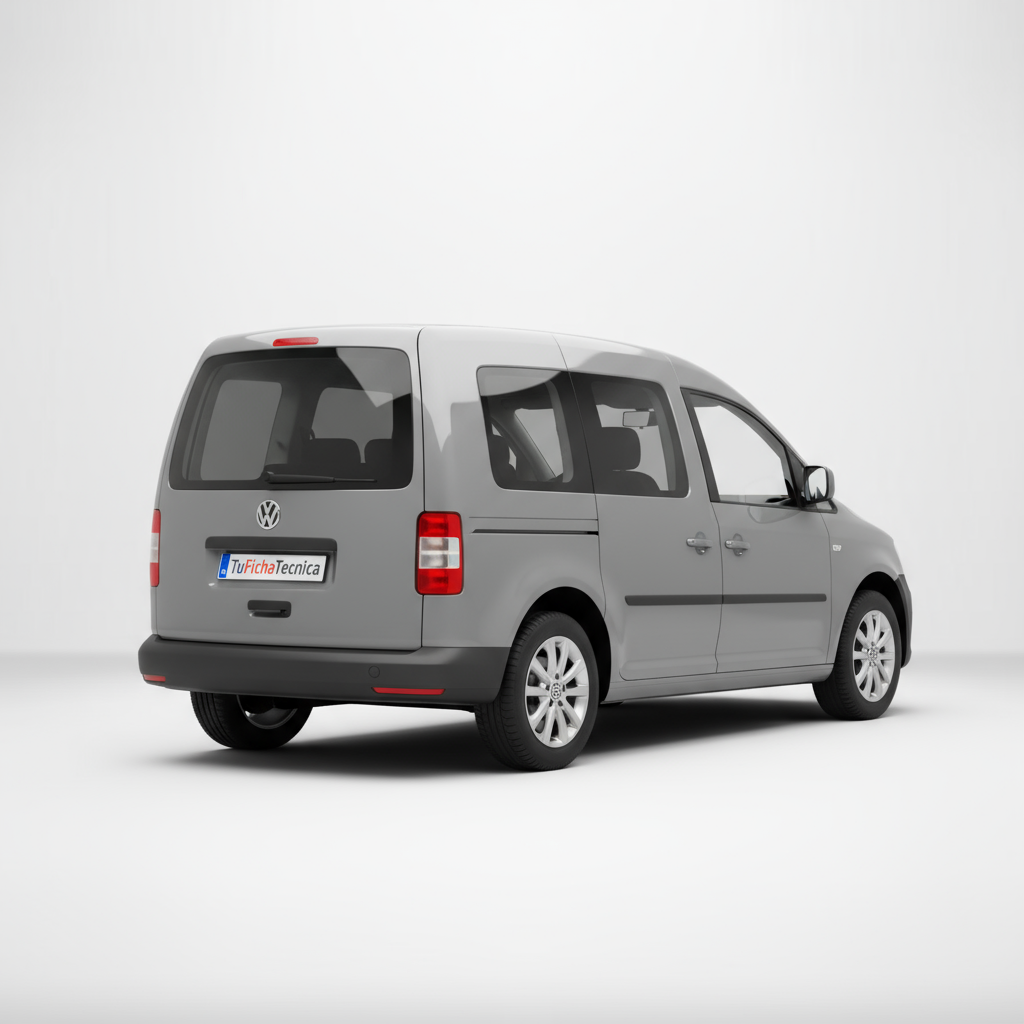
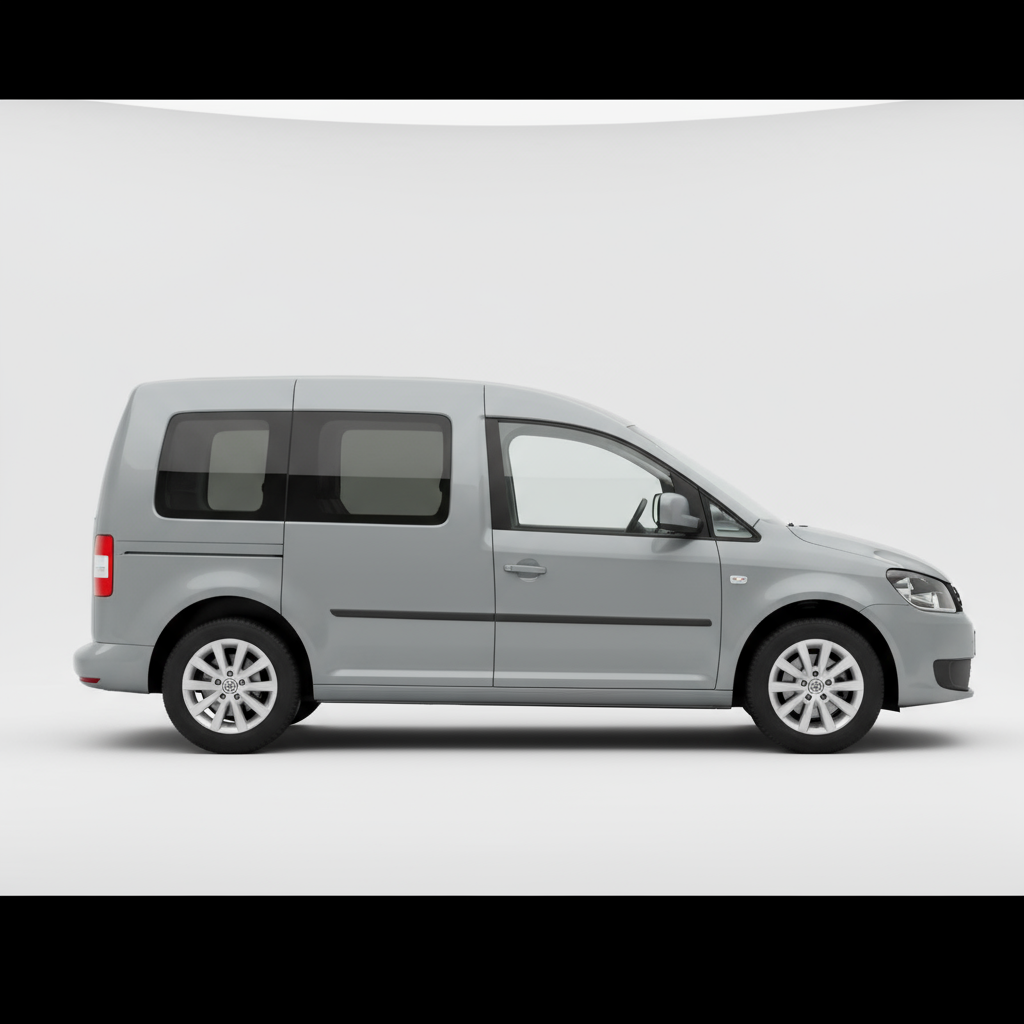
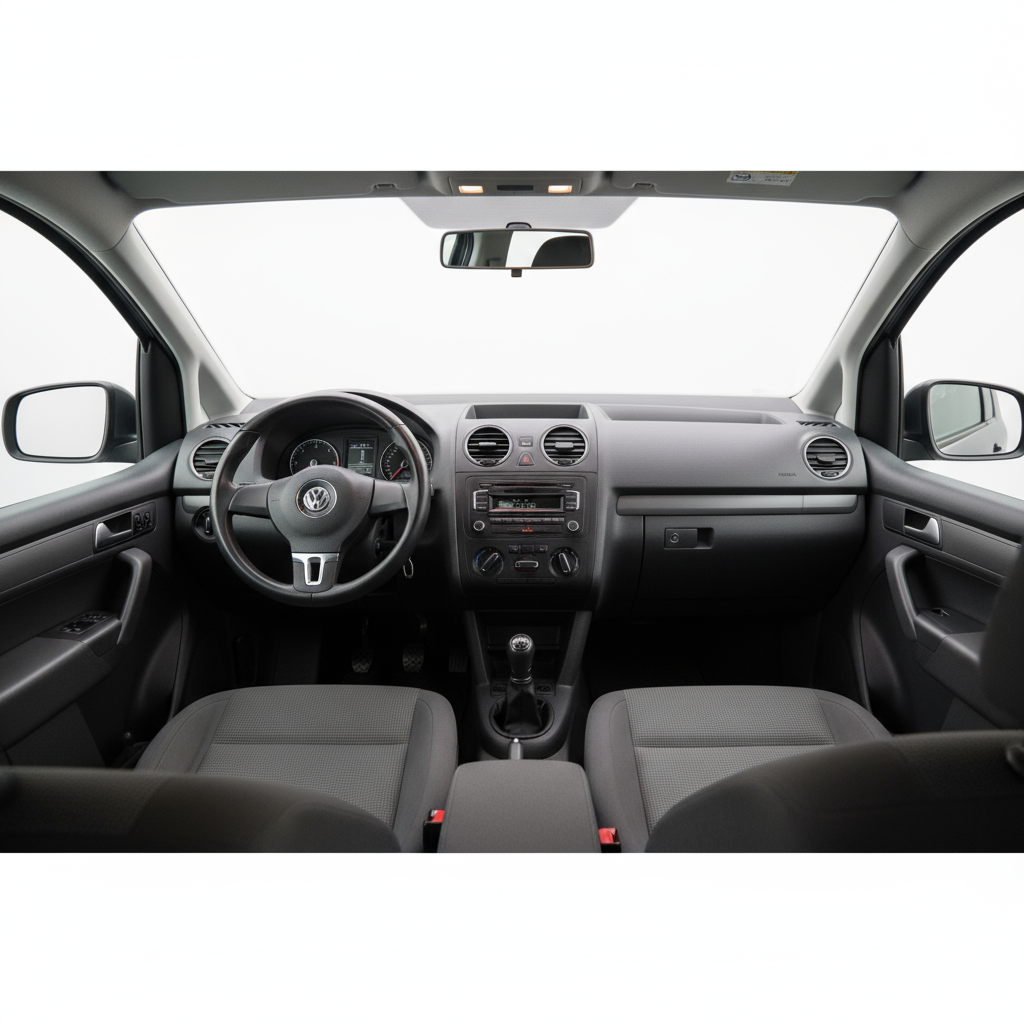
The design of the 2011 Volkswagen Caddy is eminently functional and robust, following the aesthetic line of the brand's commercial vehicles, but with touches that make it suitable for family use. Its lines are clean and pragmatic, prioritizing interior space and ease of loading. At 4406 mm long, 1794 mm wide, and 1822 mm high, it offers an imposing but understated presence. The 5 doors, including the practical rear sliding doors, facilitate access to a spacious cabin. The trunk, with a minimum capacity of 750 liters, is one of its strong points, ideal for large families or those who need to transport bulky items. The interior, although sober, is well finished with durable materials, designed to withstand the test of time and intensive use.
Technology and features
In terms of technology, the 2011 Caddy 2.0 Ecofuel focuses on functionality and efficiency. Its main innovation lies in the dual-fuel engine, which allows the use of gasoline or natural gas, offering greater range and lower CO2 emissions (156 g/km). The 1984 cc engine, with 4 cylinders and 4 valves per cylinder, delivers 109 HP at 5400 rpm and a torque of 160 Nm at 3500 rpm, ensuring adequate response in most situations. Electric power steering is a detail that improves driving comfort. Although it does not have the latest driving aids of more modern models, its basic equipment is solid and meets the expectations of a vehicle of its segment and era. The DGT's ECO label is an added value in terms of access to low emission zones.
Competition
In the segment of light commercial vehicles and compact minivans, the Volkswagen Caddy Comfortline 2.0 Ecofuel faced competitors such as the Renault Kangoo, Citroën Berlingo, Peugeot Partner, and Fiat Doblò. Compared to them, the Caddy stood out for the quality of its finishes, the solidity of its construction, and the option of the Ecofuel engine, which gave it an advantage in terms of efficiency and sustainability. While some rivals might offer a more competitive entry price or a more daring design, the Caddy positioned itself as a more refined and durable option, backed by Volkswagen's German engineering.
Conclusion
The Volkswagen Caddy Comfortline 5-seater 2.0 Ecofuel 109 HP is a vehicle that, despite its age, remains a very interesting option for those looking for a practical, spacious, and economical car for daily use. Its ability to run on natural gas makes it an ecological alternative with tax advantages. It is an honest car, without great aesthetic pretensions, but with functionality and reliability that make it stand out. Ideal for active families or small businesses that need a robust and versatile travel companion. Its price of €26,704 at the time reflected its positioning as a superior quality vehicle in its category.