
Especificaciones y análisis del Volkswagen Caddy
Power
109HP
Torque
160Nm
Consumption
-l/100
Emissions
157g/km
0-100 km/h
13.8s
Top Speed
169km/h
Weight
1583kg
Price
21,934€
Technical summary
Gasolina o gas natural
Manual 5v
AWD
5 / 4 doors
- L
- L
80 kW
Current
Technical specifications
Engine
Capacities
Detailed analysis of the Volkswagen Caddy Kombi 2.0 Ecofuel · 109 CV (2009-2010)
General description
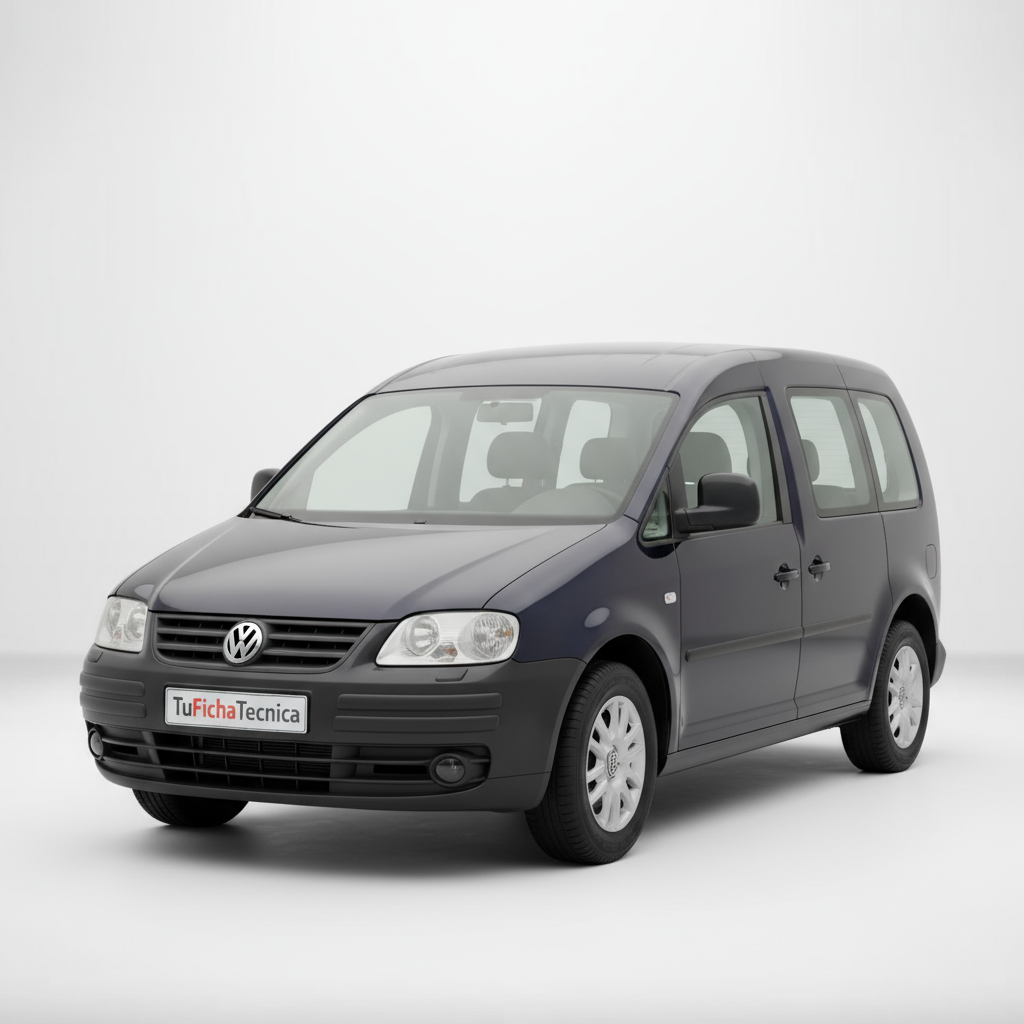
The 2009 Volkswagen Caddy Kombi 2.0 Ecofuel is a vehicle that, at first glance, might seem like just another work van, but it hides an interesting proposition for those seeking versatility and an alternative fuel. With its gasoline and natural gas engine, it positions itself as a practical and economical option for everyday use, without sacrificing the reliability expected from the German brand. Its functional design and its ability to adapt to different needs make it a loyal companion, whether for transporting goods or for family use.
Driving experience
Behind the wheel of the Caddy Kombi 2.0 Ecofuel, the predominant feeling is one of robustness and control. The electric power steering, although not the most communicative, performs its function with precision, facilitating maneuvers in the city. The 109 HP engine, while not offering dazzling acceleration (13.8 seconds from 0 to 100 km/h), proves sufficient to move the vehicle with ease in most situations, especially when driving with a load. The suspension, McPherson type at the front and rigid axle at the rear, is designed to support weight, which translates into a somewhat firm but stable ride, ideal for long journeys or for transporting bulky objects. The ability to alternate between gasoline and natural gas adds a layer of peace of mind, knowing that there will always be an option to continue the journey.
Design and aesthetics
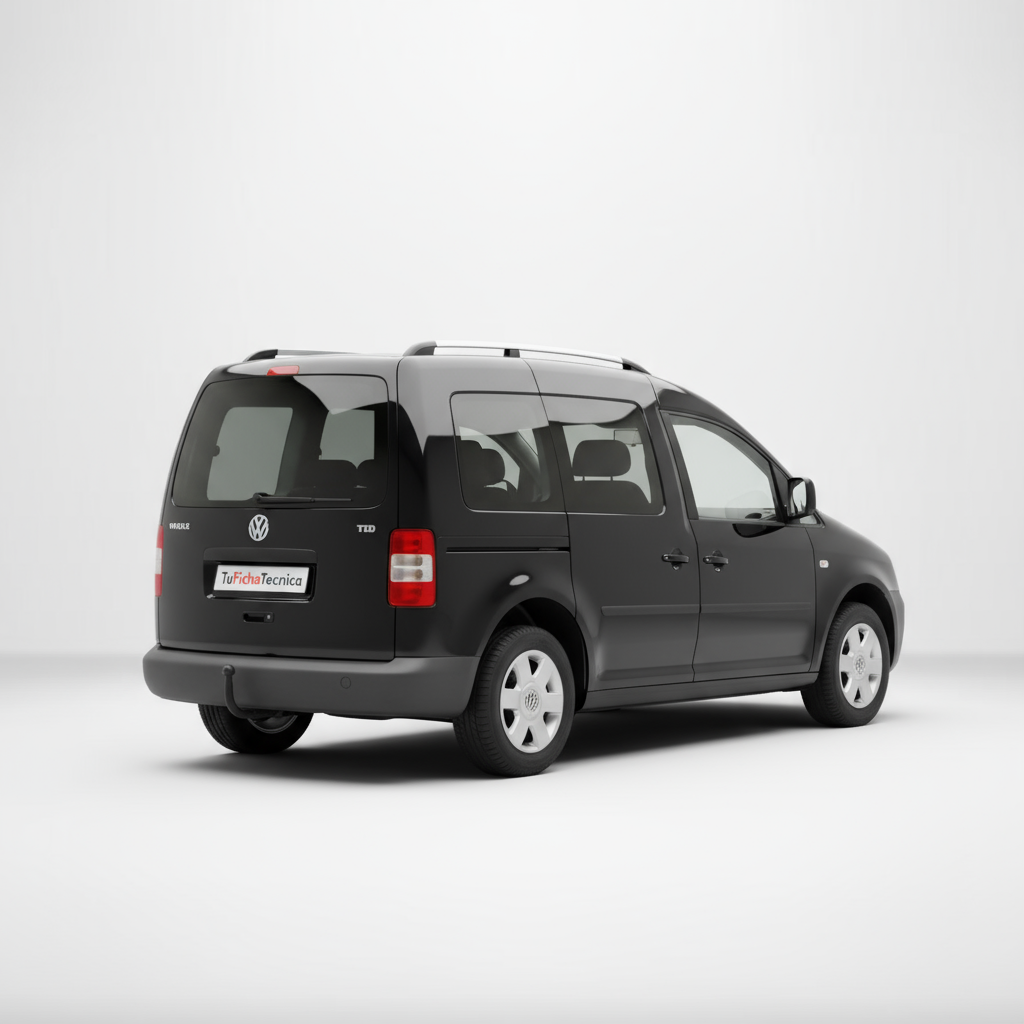
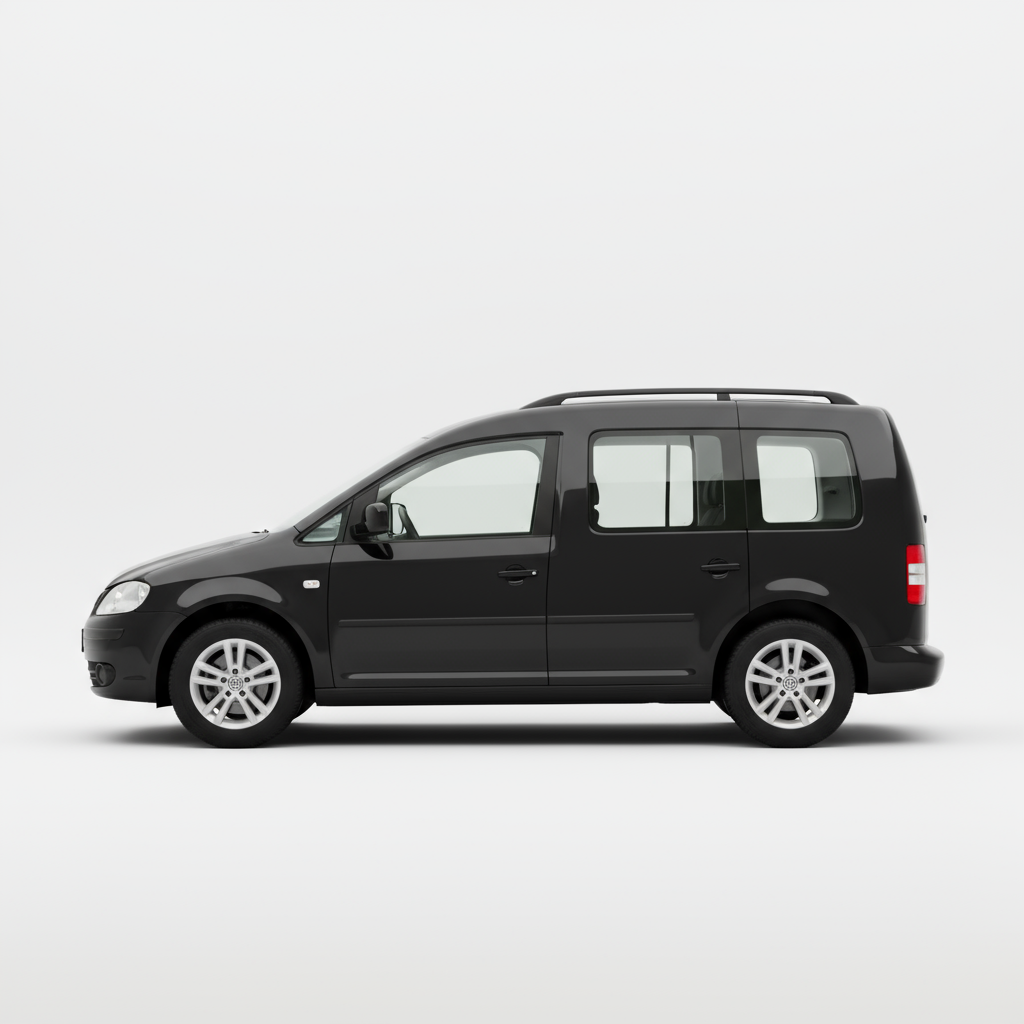
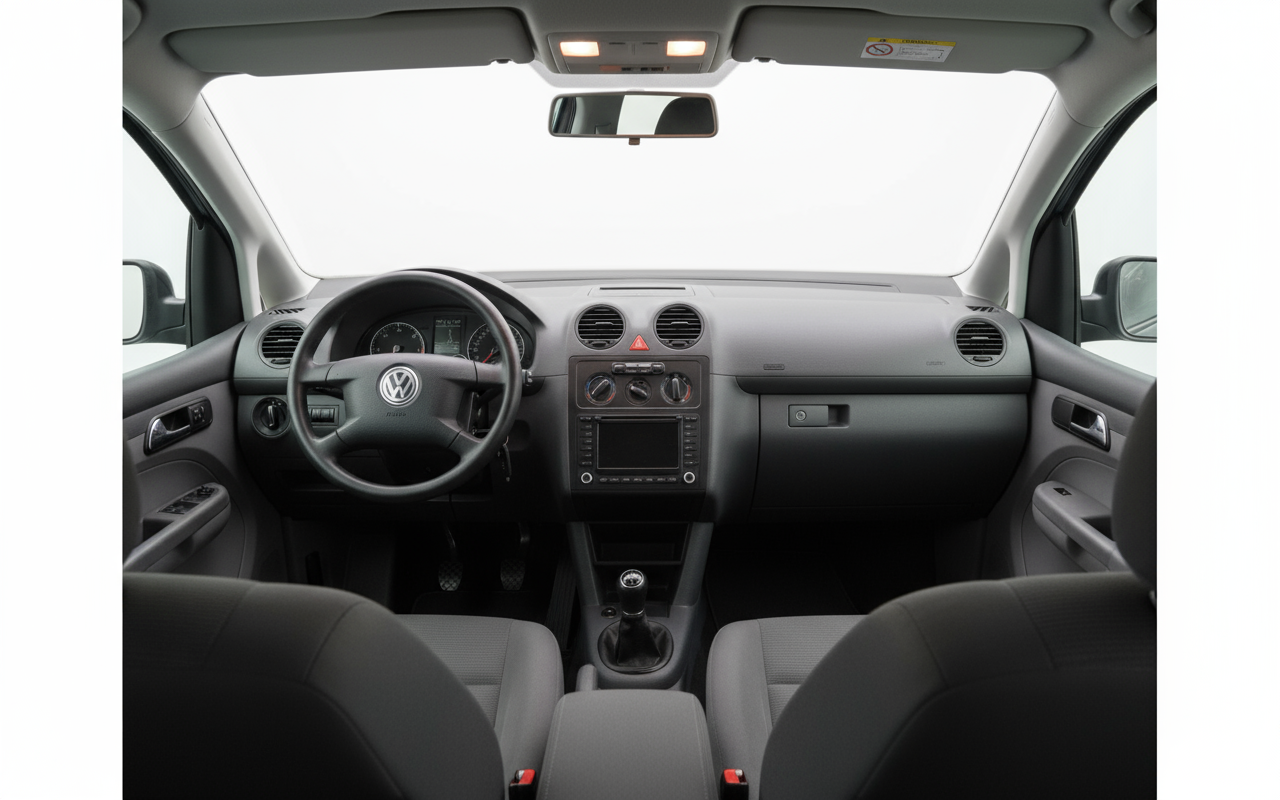
The design of the Volkswagen Caddy Kombi 2.0 Ecofuel is eminently functional and practical. Its lines are clean and simple, prioritizing habitability and cargo capacity over sporty aesthetics. The 4-door body and its generous dimensions (4405 mm long, 1794 mm wide and 1846 mm high) suggest a spacious and versatile interior. Although it is not a car that seeks to attract attention for its beauty, its robust and well-proportioned appearance gives it a solid and reliable presence on the road. The interior, although sober, is designed to be durable and easy to maintain, with materials that withstand the test of time and intensive use.
Technology and features
In the technological section, the 2009 Caddy Kombi 2.0 Ecofuel focuses on efficiency and functionality. Its main innovation lies in the bifuel propulsion system, which allows the use of both gasoline and natural gas (CNG). This system, although not state-of-the-art, offers an ecological and economical alternative to traditional fuel, with CO2 emissions of 157 g/km, earning it the DGT's ECO label. The 2.0-liter 109 HP engine, with 4 cylinders and 4 valves per cylinder, is a reliable and proven block. The 5-speed manual transmission, along with AWD traction, ensures good grip in various conditions. In terms of safety, it has disc brakes on both axles (288 mm front and 260 mm rear) and stabilizers on both trains, which contributes to safe and controlled driving.
Competition
In the market for light commercial vehicles and compact minivans, the Volkswagen Caddy Kombi 2.0 Ecofuel faced competitors such as the Renault Kangoo, the Citroën Berlingo, or the Peugeot Partner. These rivals offered similar proposals in terms of versatility and cargo capacity, but the Caddy stood out for Volkswagen's build quality and, in this specific version, for its bifuel propulsion system. While other models might focus more on price or a more youthful design, the Caddy opted for robustness, reliability, and natural gas efficiency, making it an attractive option for professionals and families who valued these aspects above all else.
Conclusion
The 2009 Volkswagen Caddy Kombi 2.0 Ecofuel is a vehicle that more than fulfills its purpose: to offer versatile, reliable, and economical transport. Its ability to run on natural gas makes it a smart choice for those looking to reduce their carbon footprint and fuel costs. Although its design is more functional than aesthetic and its performance is not that of a sports car, its robustness, spacious interior, and Volkswagen's build quality make it an invaluable travel companion. It is a car for those who value practicality, durability, and efficiency in their daily lives, a true workhorse that does not disappoint.