
Especificaciones y análisis del Toyota RAV4
Power
152HP
Torque
194Nm
Consumption
8.6l/100
Emissions
202g/km
0-100 km/h
10.6s
Top Speed
185km/h
Weight
1540kg
Price
29,050€
Technical summary
Gasolina
Manual 5v
AWD
5 / 5 doors
450 L
60 L
112 kW
Current
Technical specifications
Engine
Capacities
Detailed analysis of the Toyota RAV4 2.0 Sol · 152 CV (2006-2008)
General description
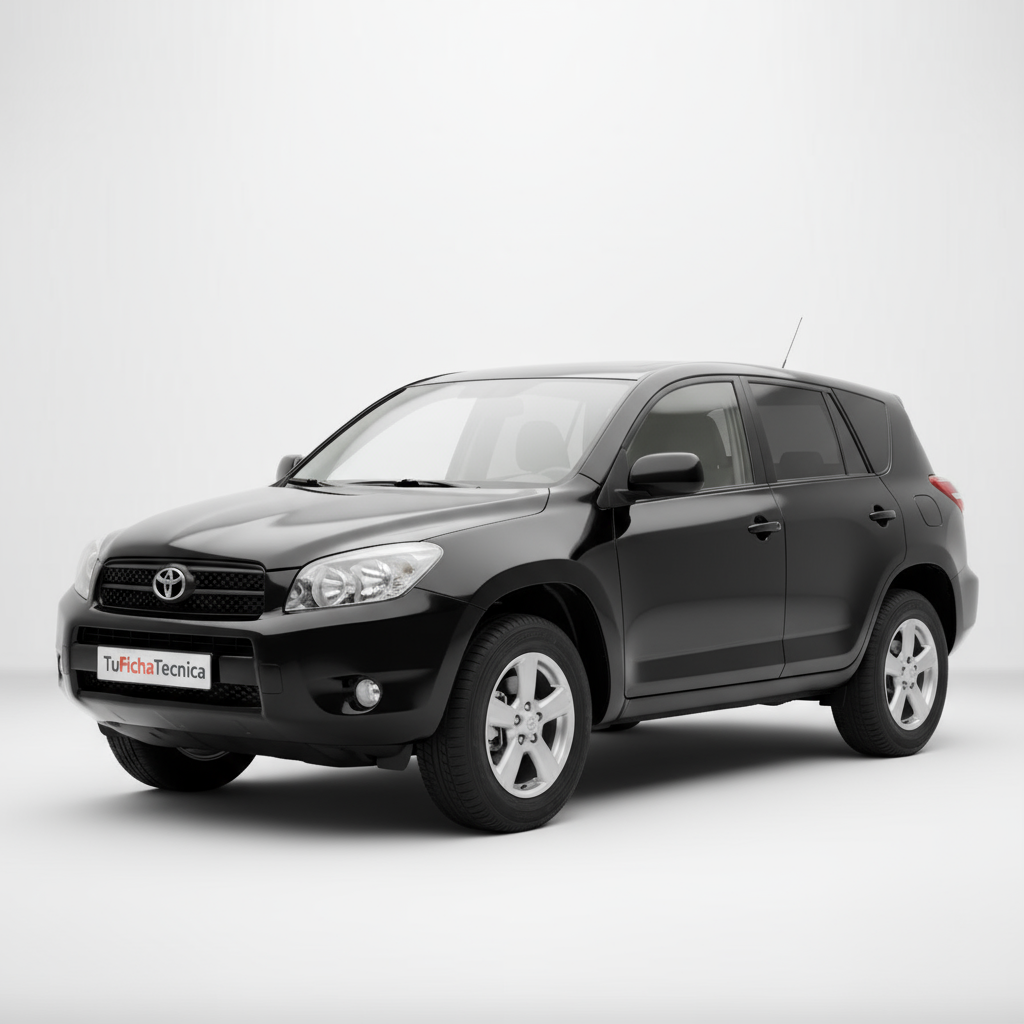
The 2006 Toyota RAV4 2.0 Sol presents itself as a robust and versatile option within the SUV segment. With its 152 hp gasoline engine and all-wheel drive, this model promises a balanced driving experience, both in the city and on off-road excursions. Its design, although several years old, maintains a solid and functional presence, ideal for those seeking a reliable and spacious companion.
Driving experience
Behind the wheel of the RAV4 2.0 Sol, the feeling is one of control and safety. The 152 hp engine offers adequate response for most situations, allowing for 0-100 km/h acceleration in 10.6 seconds and a top speed of 185 km/h. The suspension, McPherson type at the front and deformable parallelogram at the rear, filters out road irregularities well, providing notable comfort. Electric power steering facilitates maneuvers, although it might lack the precision of sportier models. AWD traction inspires confidence in low-grip conditions, making every journey a calm and predictable experience.
Design and aesthetics
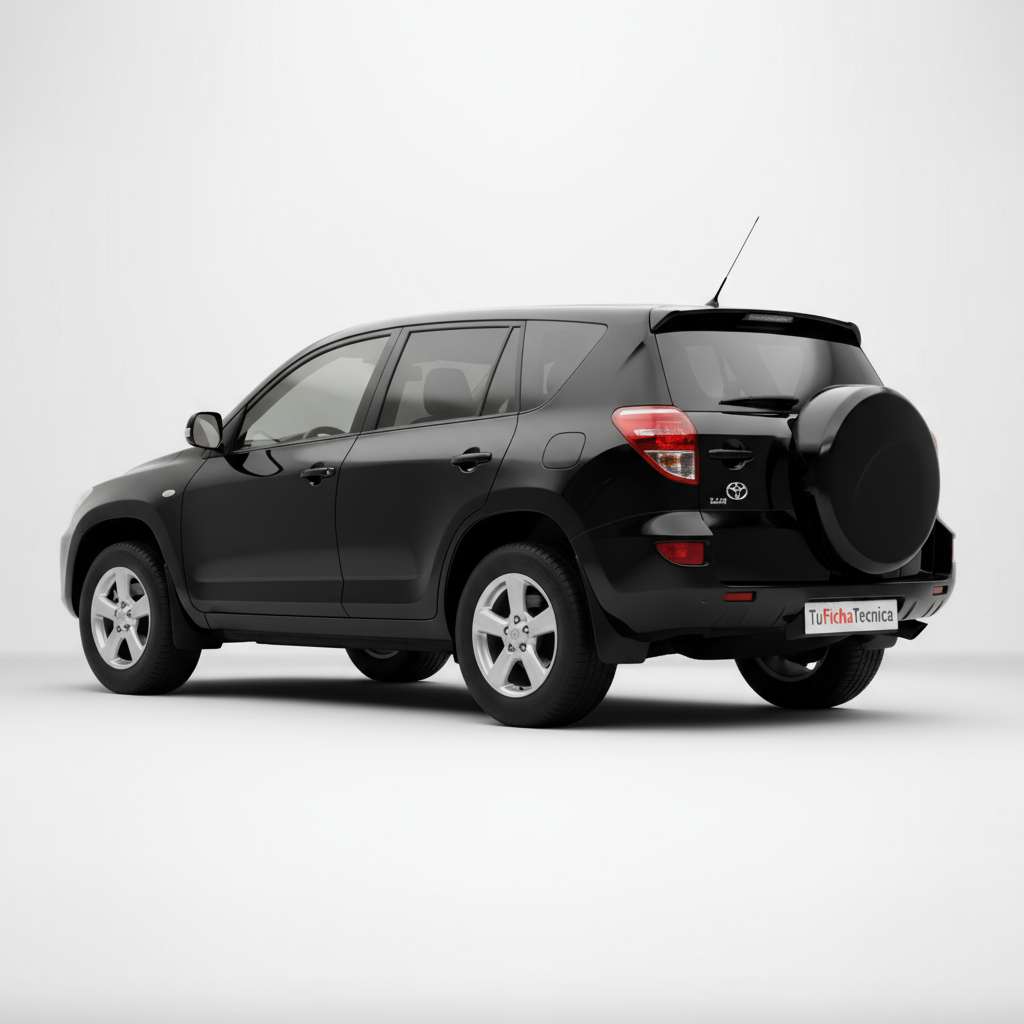
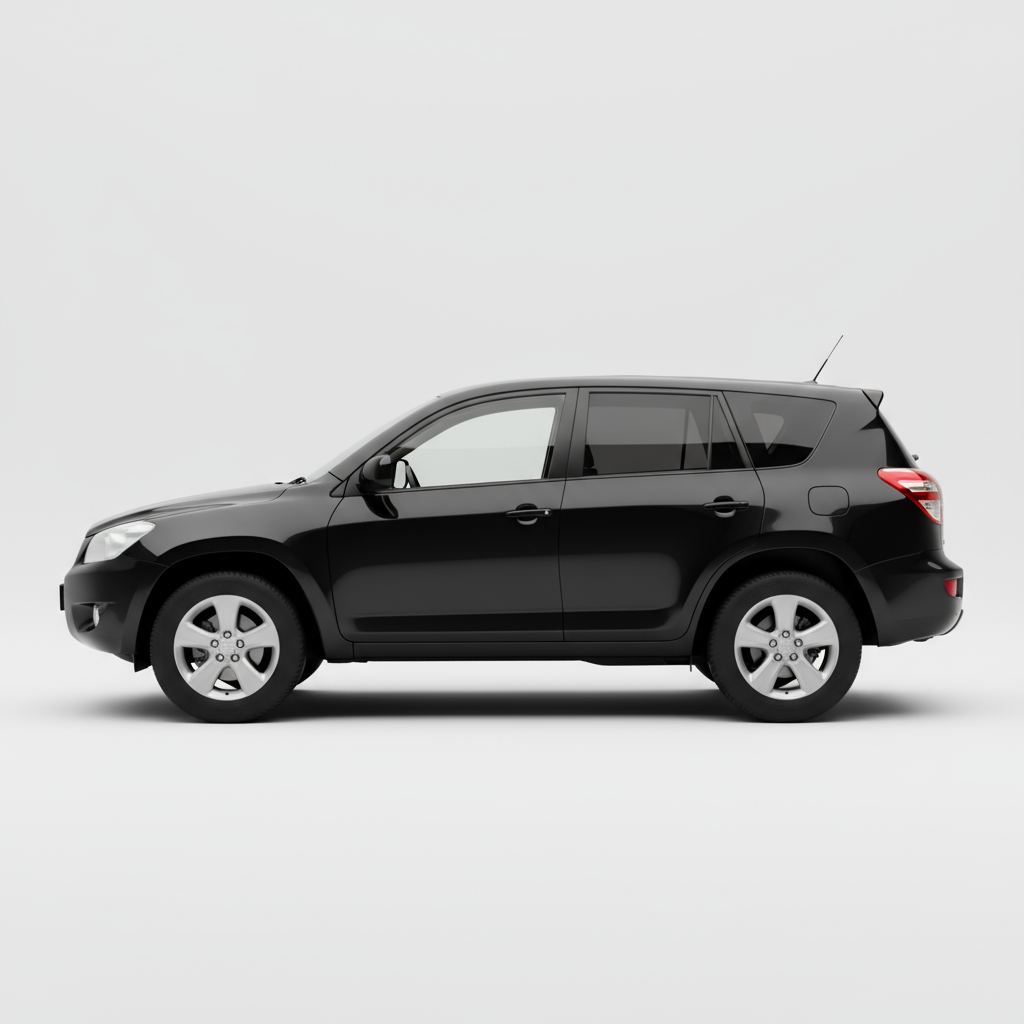
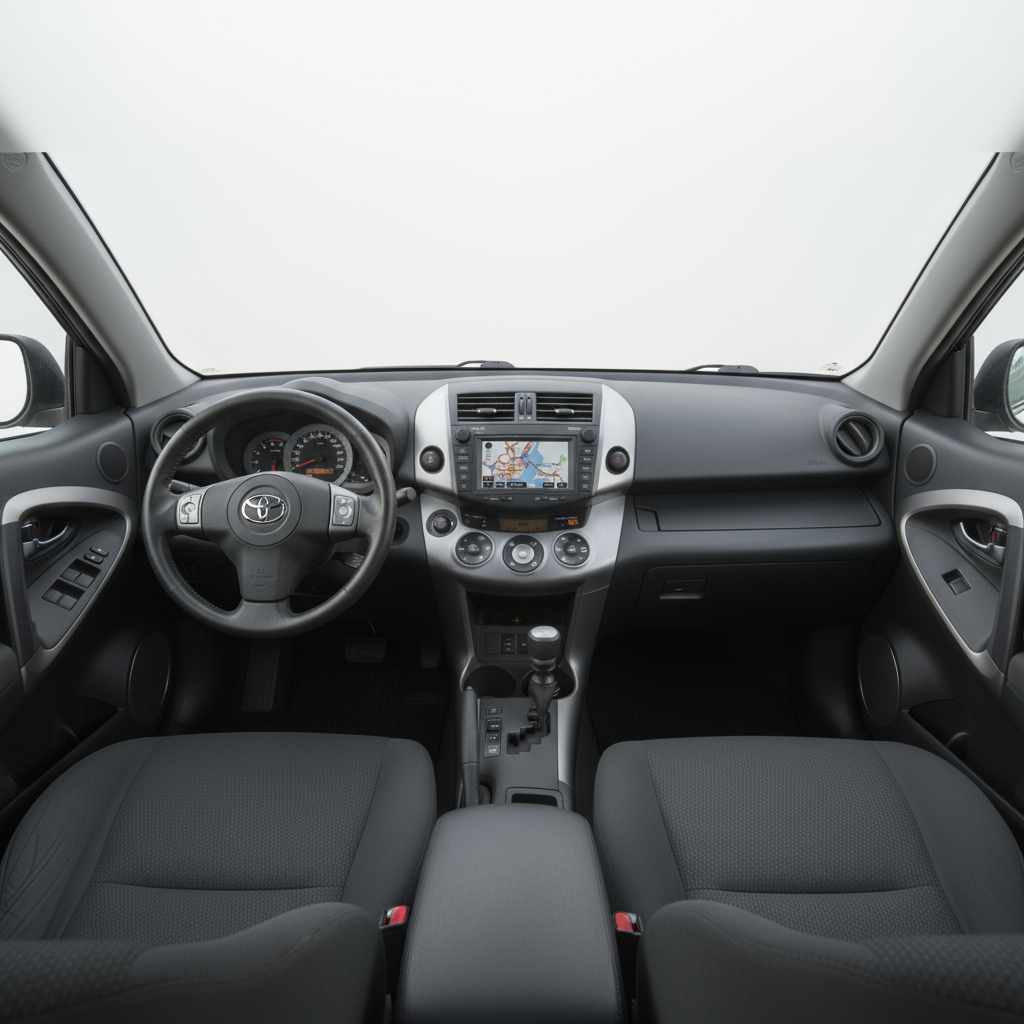
The exterior design of the 2006 Toyota RAV4 reflects its practical and adventurous character. Its lines are robust and functional, with a considerable height that gives it good visibility and an imposing presence. The five doors facilitate access to the cabin, and its compact dimensions (4395 mm long, 1815 mm wide, and 1720 mm high) make it manageable in urban environments without sacrificing interior space. The interior, though sober, is designed for durability and ergonomics, with resistant materials and a logical arrangement of controls. The 450-liter trunk is generous for the segment, expanding its versatility.
Technology and features
In terms of technology, the 2006 RAV4 2.0 Sol incorporates proven and reliable solutions. Its 1998 cc gasoline engine, with indirect injection and 4 valves per cylinder, is an example of durable engineering. The 5-speed manual transmission, combined with permanent all-wheel drive, ensures efficient power delivery and good grip on various surfaces. Ventilated front disc brakes and rear disc brakes guarantee effective braking. Although it does not have the latest connectivity or driving assistance innovations of current models, its technology focuses on functionality and mechanical robustness.
Competition
In its time, the Toyota RAV4 2.0 Sol competed with models such as the Honda CR-V, Nissan X-Trail, and Suzuki Grand Vitara. Compared to them, the RAV4 stood out for its balance between comfort, light off-road capability, and mechanical reliability. Its gasoline engine offered a good combination of power and efficiency for the era, while its all-wheel drive gave it an advantage in complicated terrain. Although some rivals might offer a bolder design or more luxurious interior equipment, the RAV4 positioned itself as a sensible and durable option for daily life and occasional adventures.
Conclusion
The 2006 Toyota RAV4 2.0 Sol is an SUV that, despite its age, remains a very interesting option for those seeking a reliable, spacious, and capable vehicle. Its combination of a competent gasoline engine, all-wheel drive, and a practical design makes it an ideal companion for family life and getaways. It is a car that inspires confidence and, with proper maintenance, promises many miles of satisfaction. Its combined consumption of 8.6 l/100km and emissions of 202 g/km of CO2 are reasonable for its segment and era.