
Especificaciones y análisis del Toyota Hilux
Power
144HP
Torque
343Nm
Consumption
7.3l/100
Emissions
193g/km
0-100 km/h
13.3s
Top Speed
170km/h
Weight
1990kg
Price
29,830€
Technical summary
Gasóleo
Manual 5v
AWD
4 / 2 doors
- L
80 L
106 kW
Current
Technical specifications
Engine
Capacities
Detailed analysis of the Toyota Hilux Cabina Extra GX 144 CV (2014-2016)
General description
The 144 HP Toyota Hilux Extra Cab GX, a vehicle that embodies robustness and reliability, stands as an unwavering option for those seeking a tireless work companion. Launched in 2012, with this specific version available between 2014 and 2016, this pickup not only promises durability but also adaptability to the most demanding terrains, maintaining the essence of a vehicle designed for effort and adventure.
Driving experience
Behind the wheel of the Hilux, the predominant sensation is one of solidity and control. Its 2.5-liter, 144 HP diesel engine, while not aiming for sports car speed, delivers 343 Nm of torque at low revolutions (1600 rpm), which translates into impressive towing capacity and forceful response in load situations or on complicated terrains. The hydraulic steering, though not the most direct, offers the necessary assistance to maneuver this almost two-ton vehicle. The suspension, with a deformable parallelogram at the front and a rigid axle at the rear, is designed to support heavy loads and absorb road irregularities, which may result in a somewhat firmer ride on asphalt, but is greatly appreciated off-road. The AWD traction ensures exceptional grip, instilling confidence in any situation.
Design and aesthetics
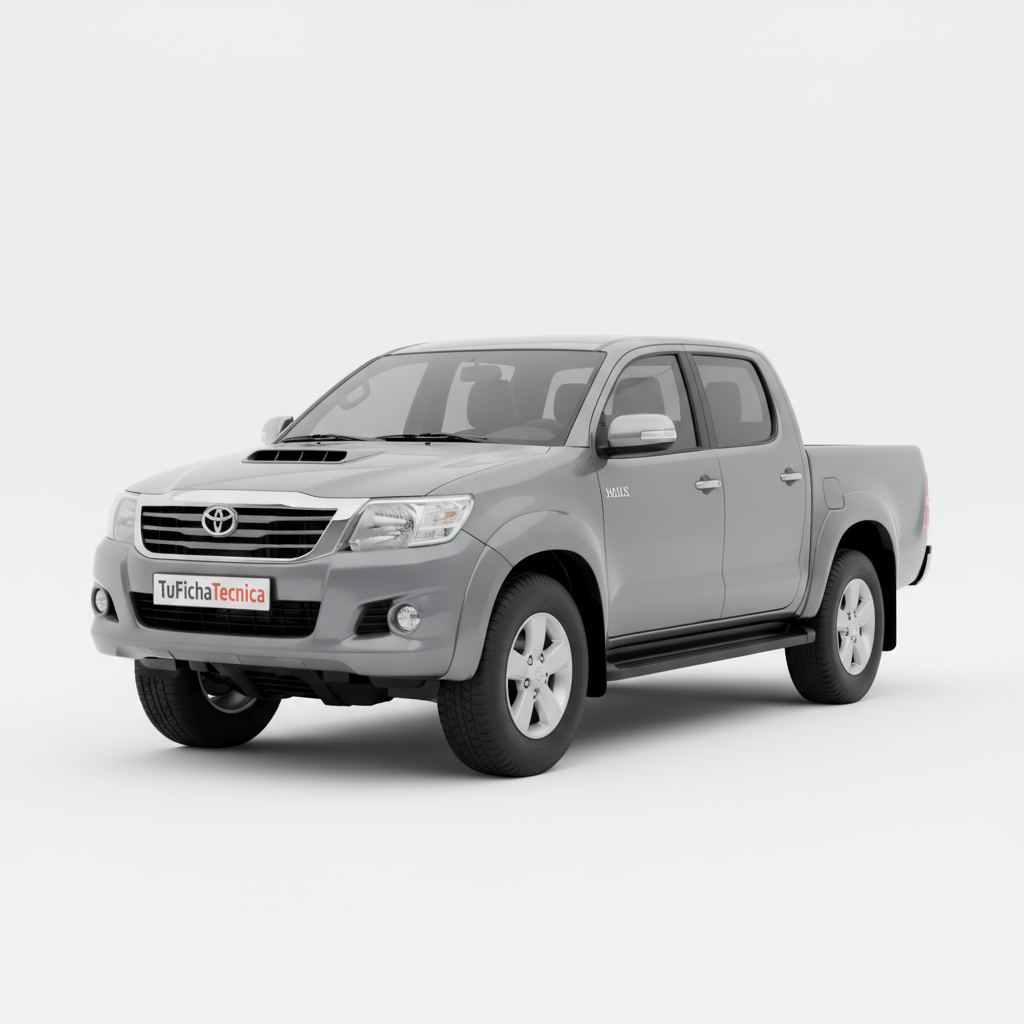
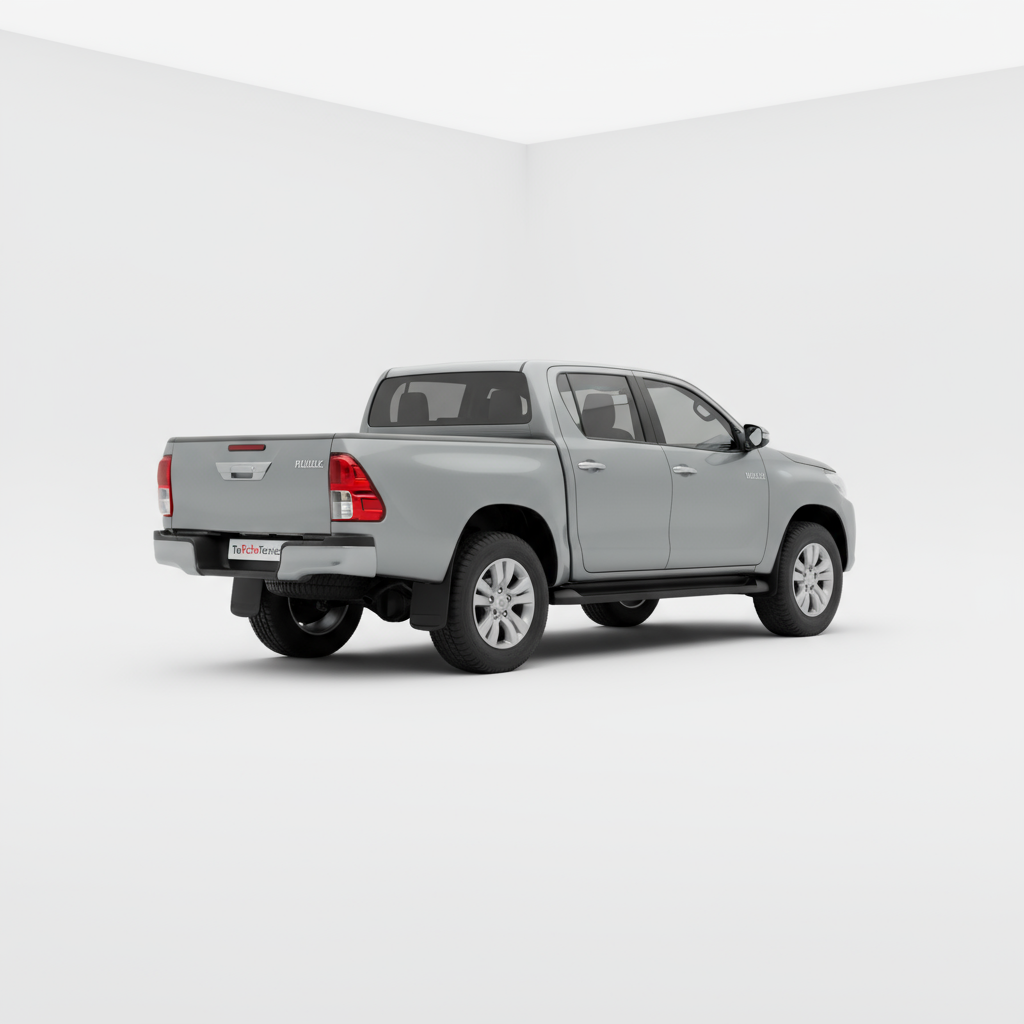
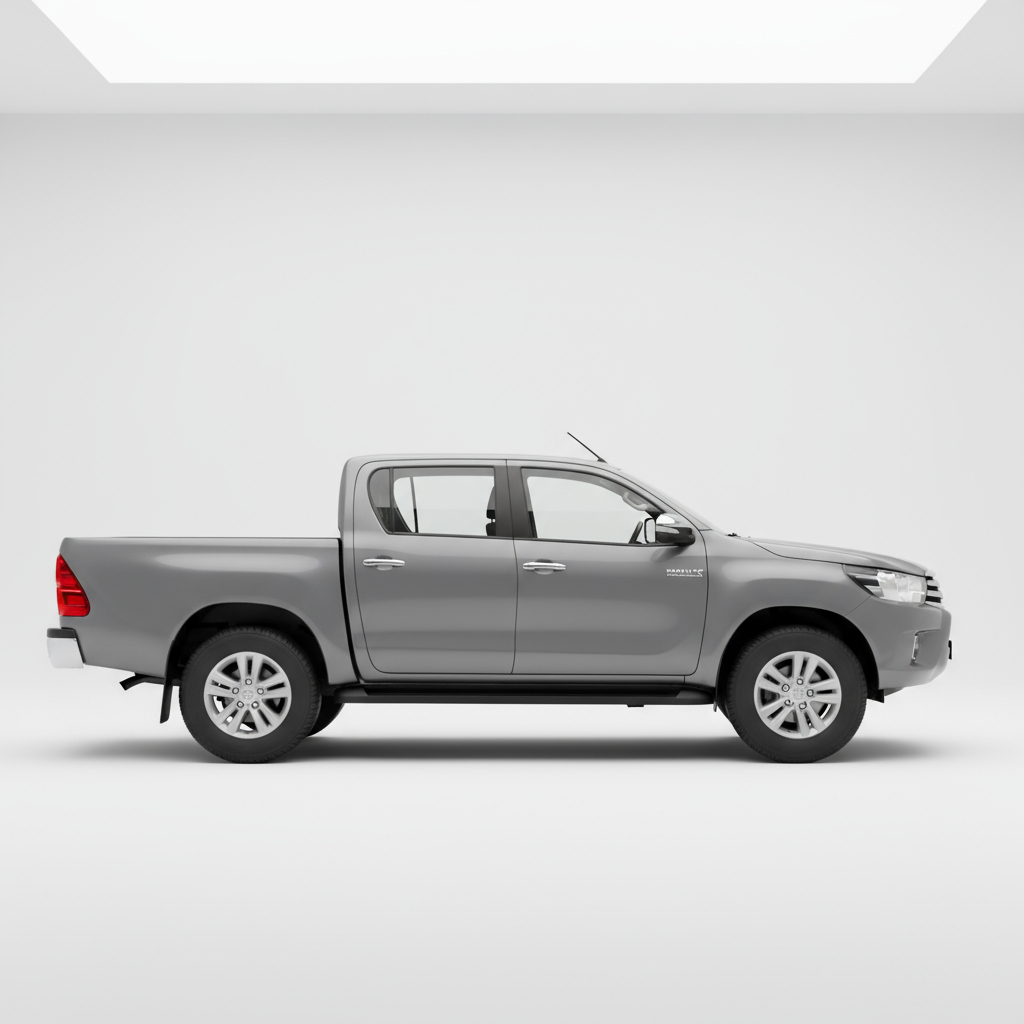
The design of the Toyota Hilux Extra Cab GX is functional and robust, reflecting its utilitarian purpose. With a length of 5260 mm and a width of 1835 mm, its presence is imposing. The extra cab, with two doors and four seats, offers a balance between passenger space and a generous cargo area. The exterior lines are classic pickup, with a prominent front grille and marked wheel arches that suggest its off-road capability. Although it does not seek aesthetic sophistication, its design is timeless and conveys an image of durability and resistance, characteristics that have made it an icon in its segment.
Technology and features
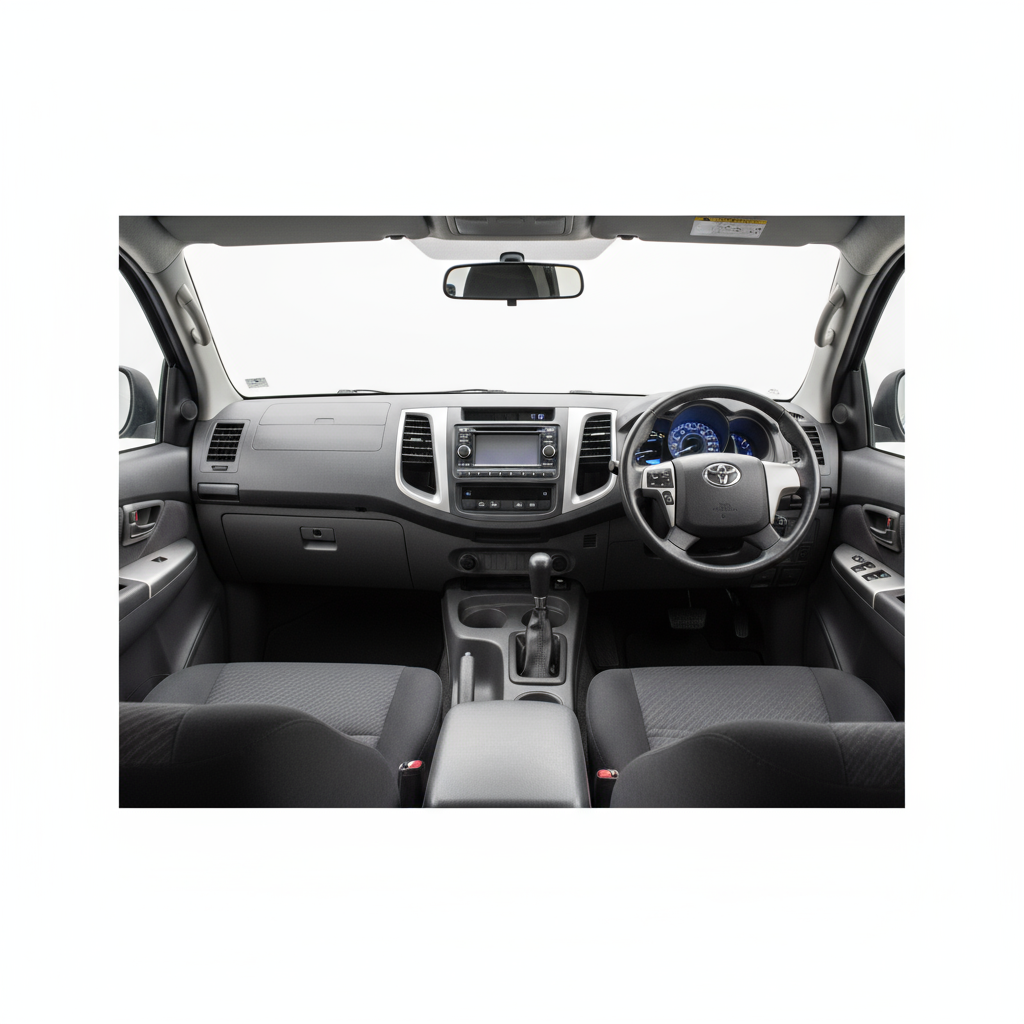
In this generation of the Hilux, technology focuses on functionality and durability. The 2.5-liter diesel engine incorporates common rail direct injection, variable geometry turbo, and intercooler, elements that optimize power delivery and efficiency. The robust and reliable 5-speed manual transmission allows precise control over the vehicle. Although it does not feature the latest infotainment innovations or driving assistants found in more modern vehicles, its technology focuses on the essentials: an effective AWD traction system, ventilated disc brakes at the front and drum brakes at the rear for safe braking, and hydraulically assisted steering that facilitates driving in various conditions. Its mechanical reliability is its greatest technological asset.
Competition
In the competitive pickup segment, the Toyota Hilux Extra Cab GX faced tough rivals such as the Mitsubishi L200, Nissan Navara, and Ford Ranger. Each of them offered their own strengths, but the Hilux has always distinguished itself by its reputation for indestructibility and its ability to tackle the most demanding jobs. While some rivals might offer greater on-road comfort or a more modern design, the Hilux remained firm in its value proposition: a reliable and durable work vehicle, capable of withstanding harsh treatment and maintaining its performance over time.
Conclusion
The 144 HP Toyota Hilux Extra Cab GX is much more than just a vehicle; it is a work tool, an adventure companion, and a symbol of resilience. Its functional design, proven mechanics, and off-road capability make it an exceptional choice for those who need a vehicle that won't let them down, no matter the conditions. Although its combined consumption of 7.3 l/100km and emissions of 193 g/km of CO2 place it in the 'No badge' environmental category, its durability and low long-term maintenance costs offset these figures. It is a vehicle for those who value reliability above all else, a true workhorse that has proven its worth in the most remote corners of the planet.