
Especificaciones y análisis del Toyota C-HR
Power
72HP
Torque
163Nm
Consumption
4.8l/100
Emissions
106g/km
0-100 km/h
11s
Top Speed
170km/h
Weight
1455kg
Price
31,550€
Technical summary
Híbrido
Automático Múltiplesv
FWD
5 / 5 doors
377 L
43 L
53 kW
Current
Technical specifications
Engine
Capacities
Detailed analysis of the Toyota C-HR Hybrid Limited Edition · 72 CV (2018-2019)
General description
The 2017 Toyota C-HR Hybrid Limited Edition is a bold and refreshing proposition in the compact SUV segment. With a design that breaks molds and an efficient hybrid powertrain, this model positions itself as an attractive option for those seeking differentiation and sustainability in their daily lives. Its arrival on the market marked a before and after in Toyota's aesthetics, attracting attention and generating conversation.
Driving experience
Behind the wheel of the C-HR, the sensation is one of agility and comfort. The electric steering, although not the most communicative, offers adequate assistance for city and highway driving. The suspension, McPherson type at the front and deformable parallelogram at the rear, effectively filters out road irregularities, providing a smooth ride. The hybrid system, with its 1.8-liter, 72 hp engine, delivers progressive and quiet response, ideal for relaxed driving. Acceleration from 0 to 100 km/h in 11 seconds and a top speed of 170 km/h show that, while not a sports car, it more than suffices for daily use. The combined consumption of 4.8 l/100km is one of its great assets, allowing for remarkable fuel economy.
Design and aesthetics
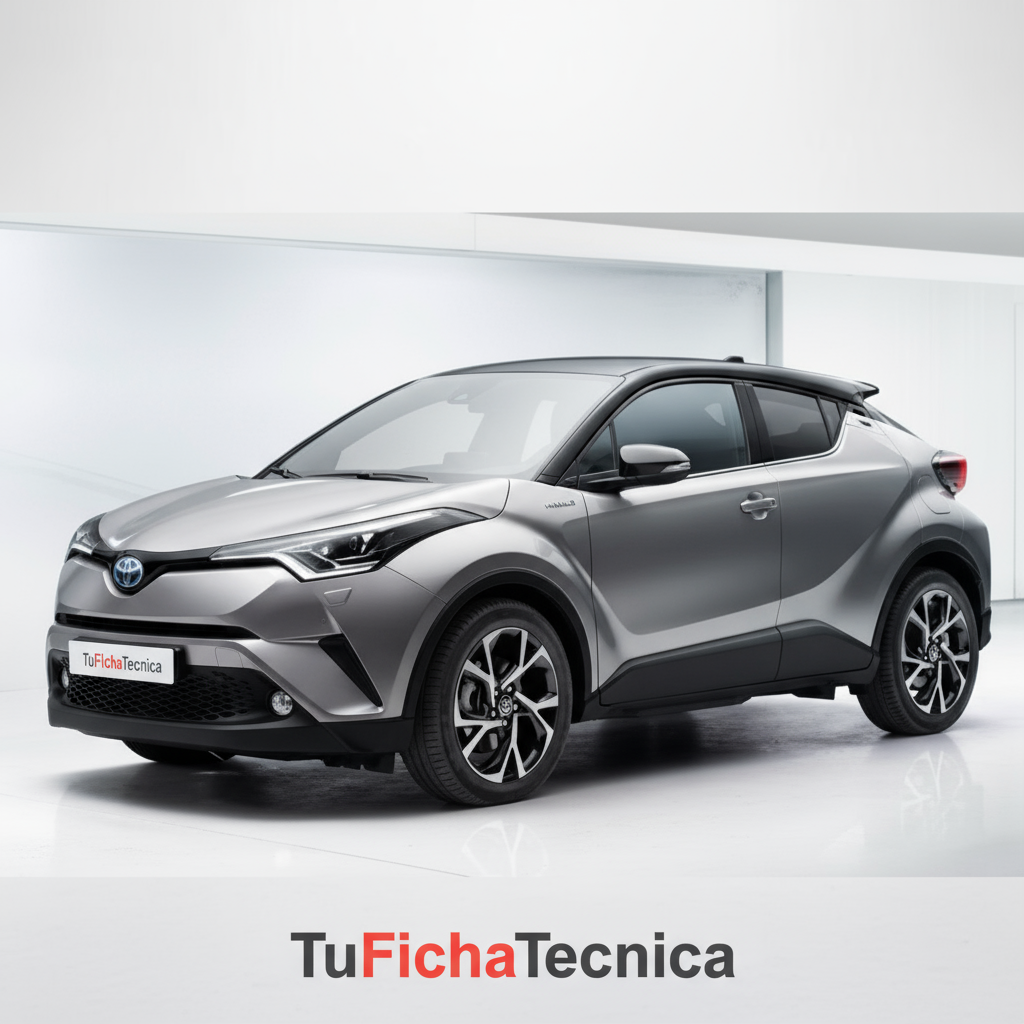
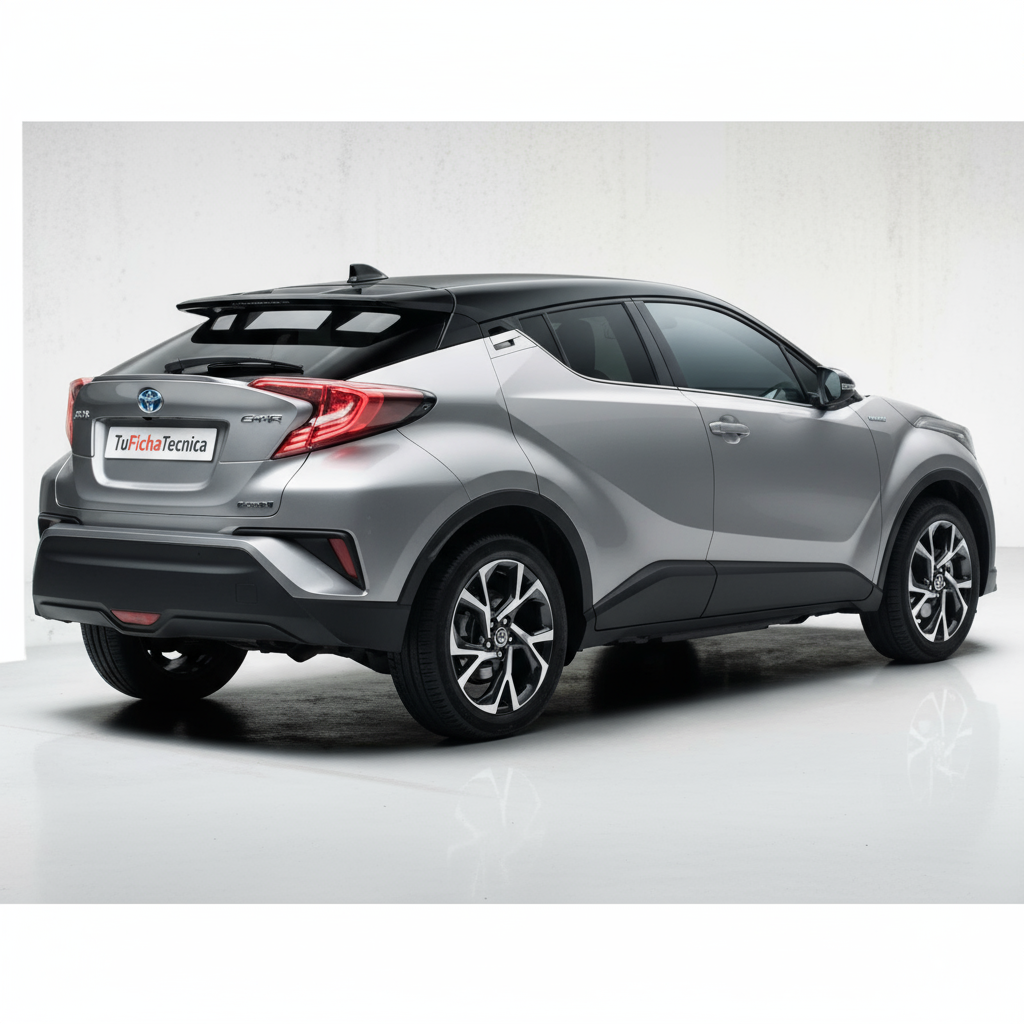
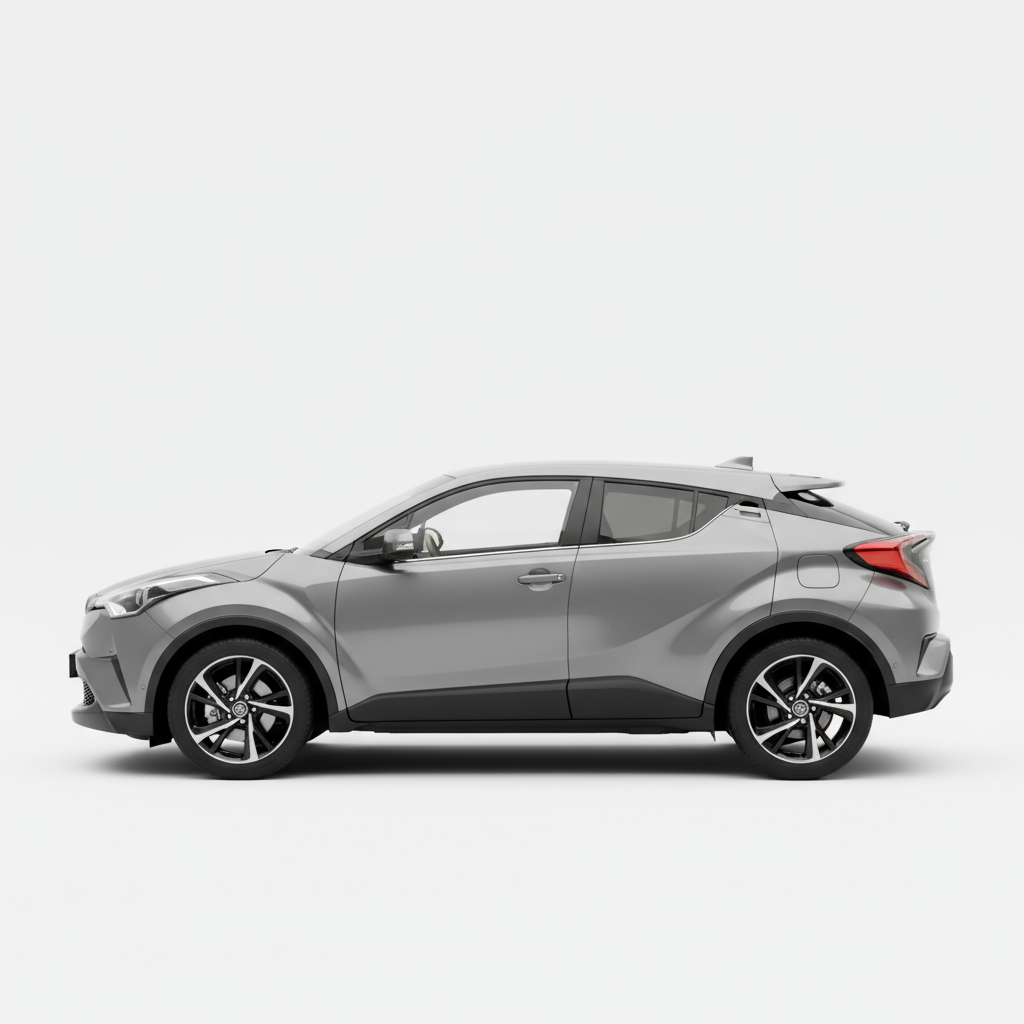
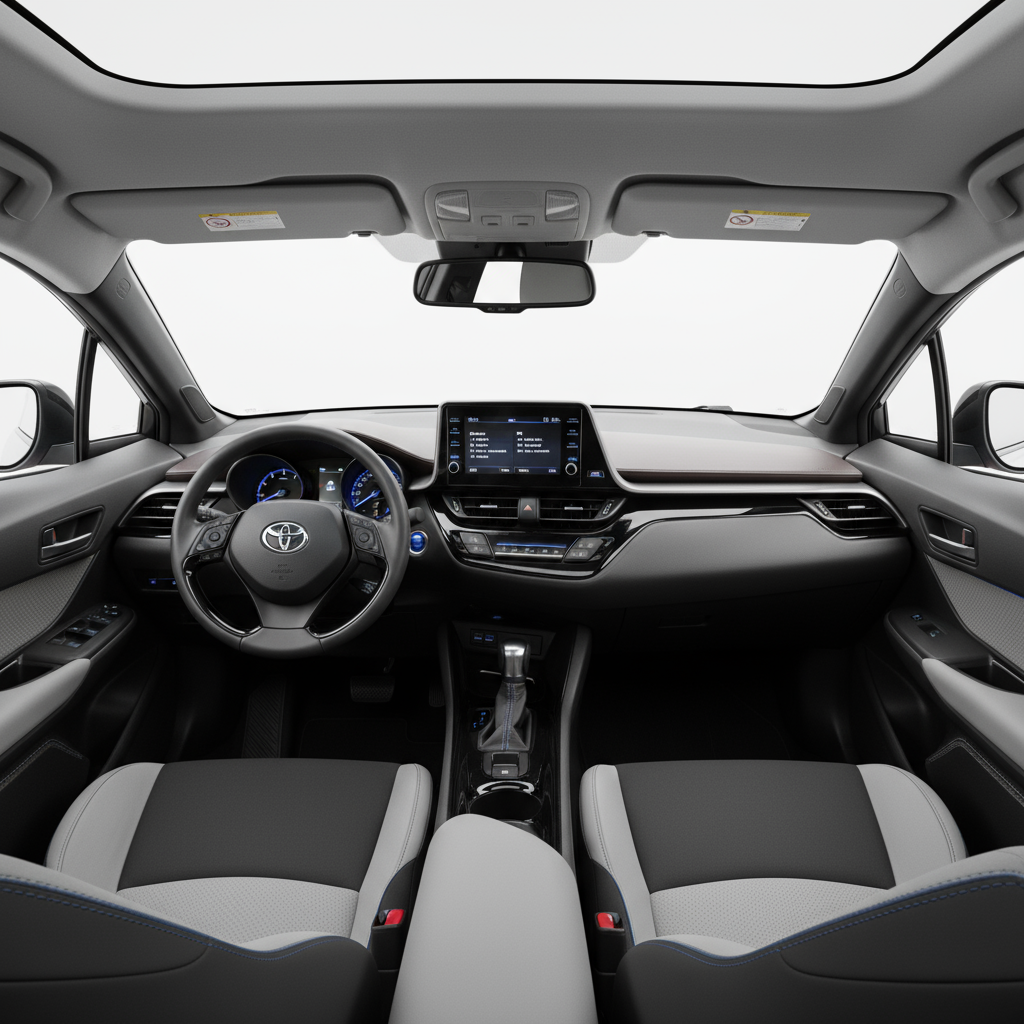
The design is, without a doubt, the most distinctive point of the Toyota C-HR. Its sharp lines, pronounced wheel arches, and coupe-like roofline give it a unique and futuristic presence. The rear door handles integrated into the C-pillar contribute to that three-door aesthetic, despite being a five-door. Inside, modernity continues with a driver-oriented dashboard and good quality materials. The combination of colors and textures creates a welcoming and technological atmosphere, although rear visibility may be compromised by the design.
Technology and features
Toyota's hybrid technology is the heart of the C-HR. It combines a 1.8-liter gasoline engine with an electric motor, managed by a multi-speed automatic transmission. The nickel-metal hydride battery, located in the central rear part, contributes to good weight distribution. Although it is not a plug-in hybrid, its DGT ECO label is a great attraction in urban environments with restrictions. In terms of infotainment, it features a touchscreen and connectivity, although in this 2017 version, options were more limited than in later models.
Competition
The Toyota C-HR competes in a very crowded segment of compact SUVs. Its main rivals include models such as the Nissan Qashqai, Hyundai Kona, Kia Stonic, Honda HR-V, and Renault Captur. However, the C-HR stands out from most due to its daring design and its exclusive hybrid powertrain, which gives it an advantage in efficiency and access to low-emission zones.
Conclusion
The 2017 Toyota C-HR Hybrid Limited Edition is a car that does not go unnoticed. Its avant-garde design, efficient hybrid system, and driving comfort make it a very interesting option for those looking for a compact SUV with personality and low running costs. It is a vehicle that prioritizes aesthetics and efficiency, offering a pleasant driving experience and reduced environmental impact. It is a statement of intent from Toyota, demonstrating that functionality does not have to be at odds with exciting design.