
Especificaciones y análisis del Toyota Avensis
Power
147HP
Torque
196Nm
Consumption
8.1l/100
Emissions
191g/km
0-100 km/h
9.4s
Top Speed
210km/h
Weight
1415kg
Price
26,000€
Technical summary
Gasolina
Manual 5v
FWD
5 / 4 doors
520 L
60 L
108 kW
Current
Technical specifications
Engine
Capacities
Detailed analysis of the Toyota Avensis Sedán 2.0 VVT-i Executive · 147 CV (2006-2007)
General description
The 2006 Toyota Avensis Sedan 2.0 VVT-i Executive is a vehicle that embodies Japanese reliability and sobriety. With its 147 hp gasoline engine and a 5-speed manual transmission, this front-wheel-drive sedan presents itself as a sensible option for those seeking a robust and durable family car, without great sporting pretensions but with remarkable comfort for daily use and long journeys.
Driving experience
Behind the wheel of the Avensis, the predominant feeling is one of calm and control. The steering, although not the most communicative, offers adequate precision for a car in its segment. The suspension, McPherson type at the front and deformable parallelogram at the rear, effectively filters out road irregularities, providing a smooth and comfortable ride. The 2.0 VVT-i engine, with its 147 hp, responds capably, allowing for safe overtakes and good cruising ability, albeit without the explosiveness of more modern powertrains. Acceleration from 0 to 100 km/h in 9.4 seconds is respectable, and the top speed of 210 km/h is more than sufficient for today's roads. The combined consumption of 8.1 l/100km is reasonable for a gasoline engine of its era and displacement.
Design and aesthetics
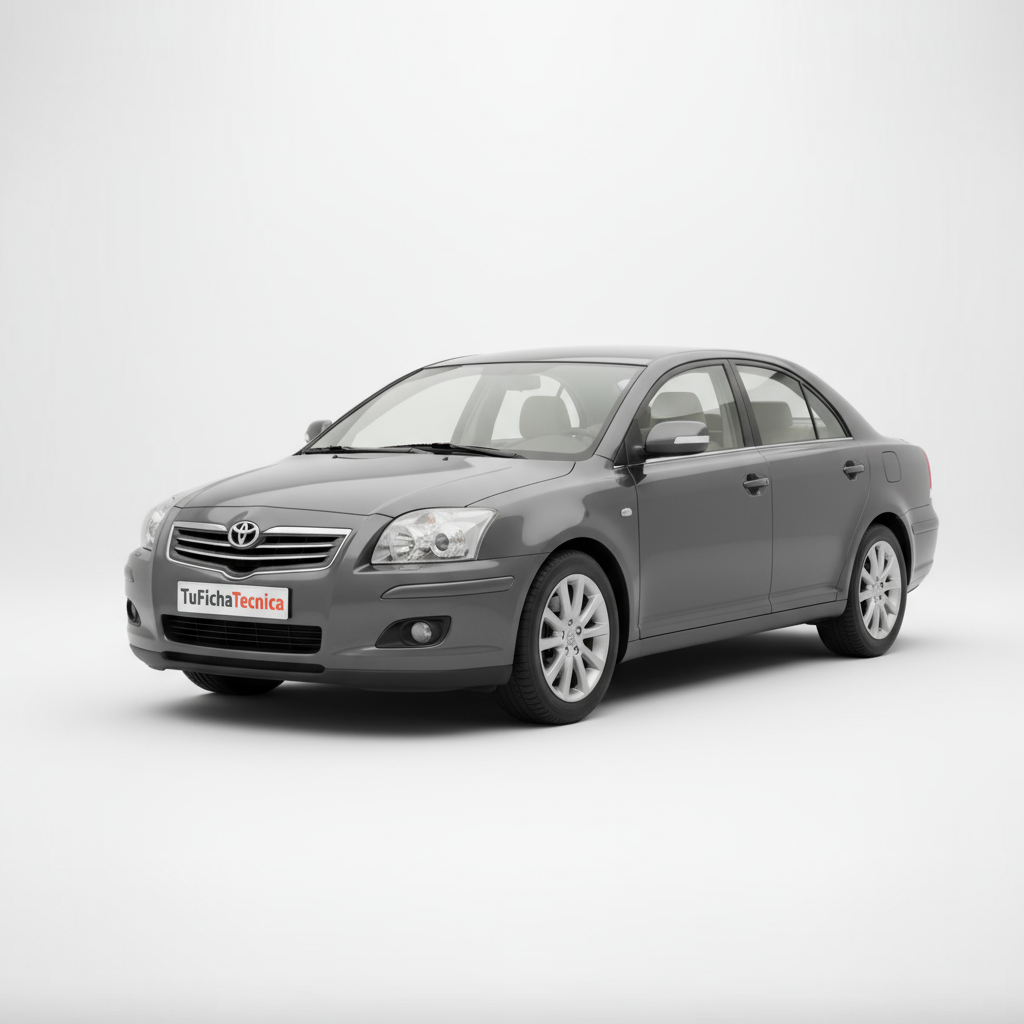
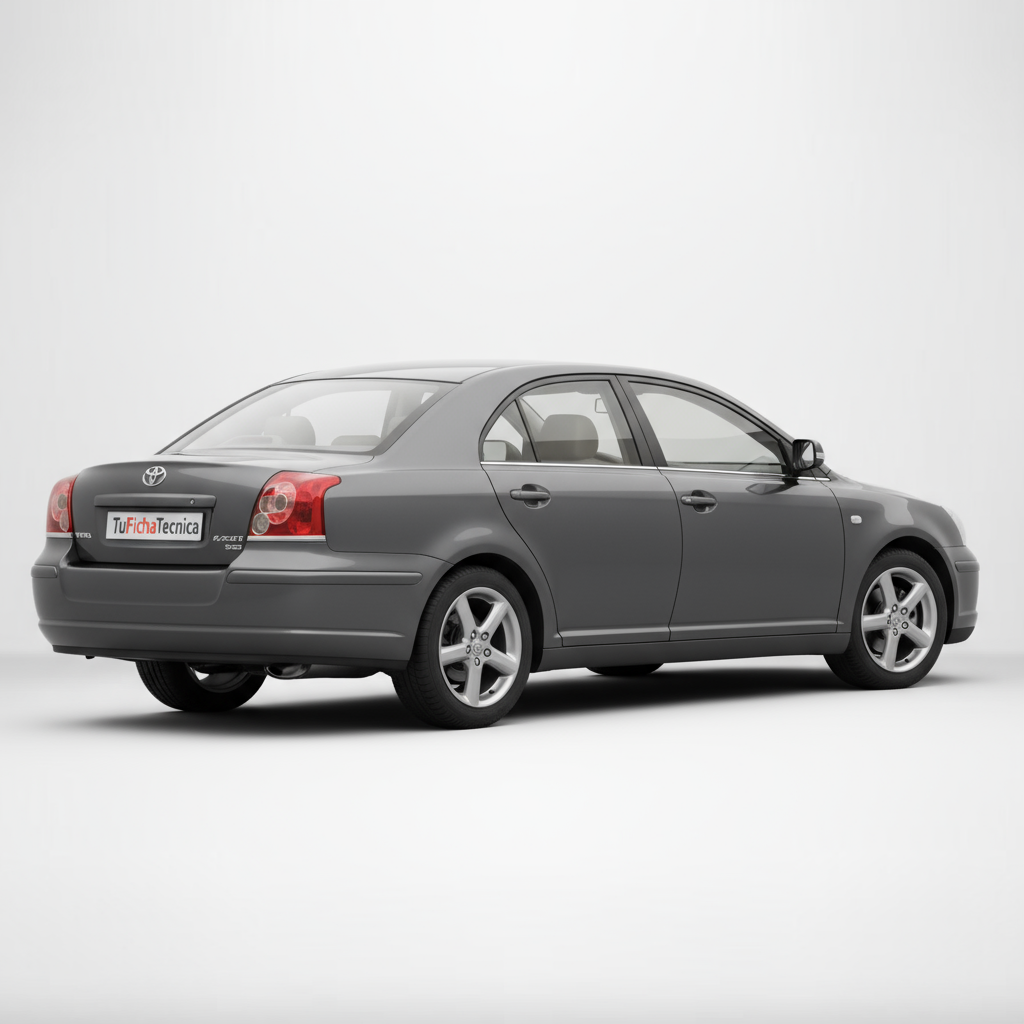
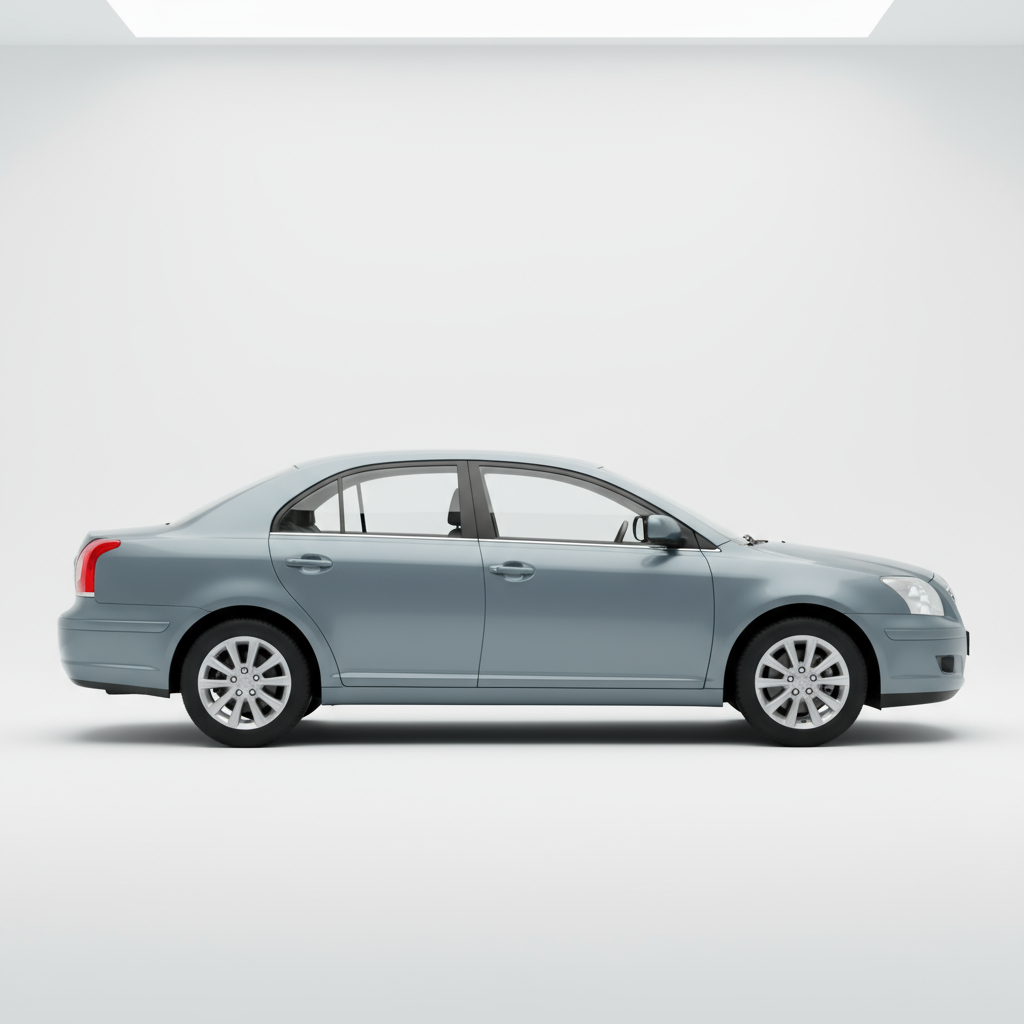
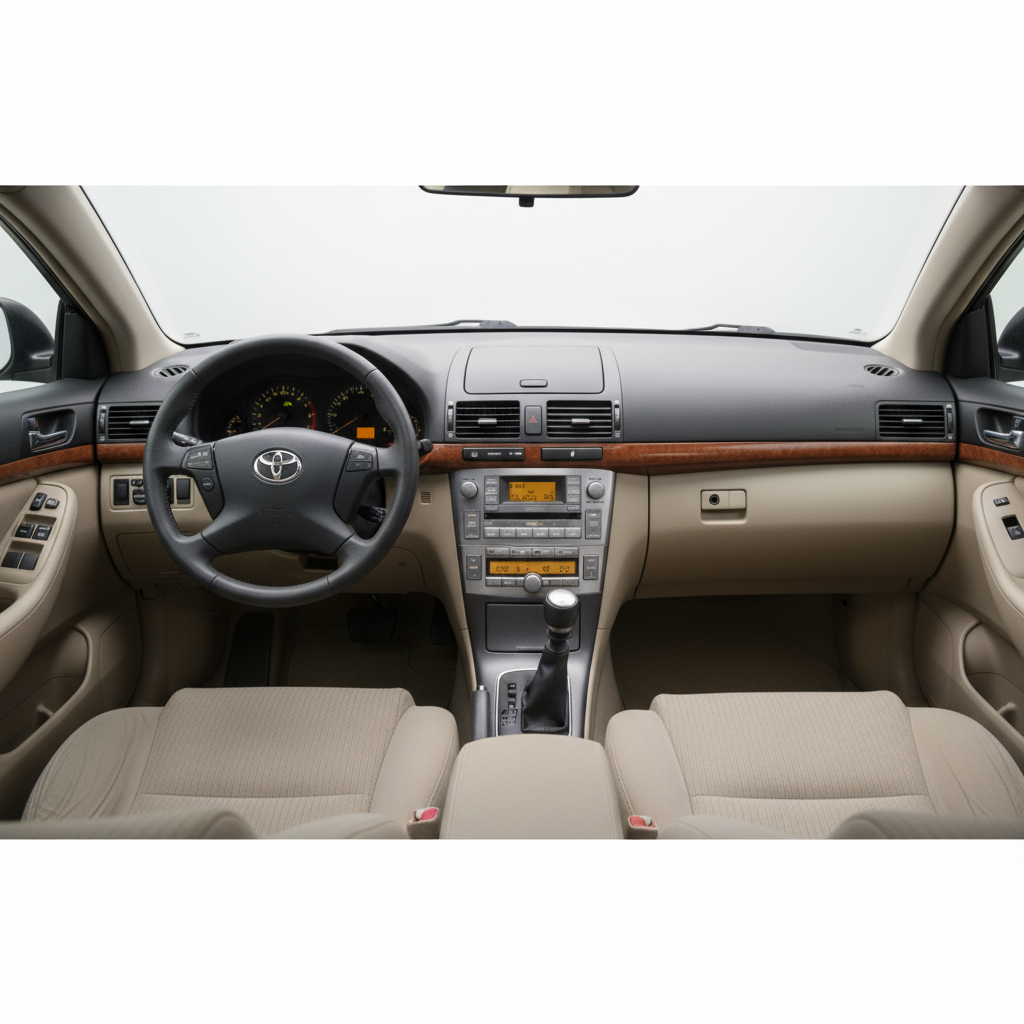
The design of the 2006 Toyota Avensis Sedan is classic and timeless, without ostentation. Its lines are clean and functional, with an aesthetic that prioritizes discreet elegance over aggressiveness. Dimensions of 4645 mm long, 1760 mm wide, and 1480 mm high give it a balanced presence on the road. The 17-inch wheels with 215/50 R17 tires complement its image, adding a touch of distinction. The interior, although not luxurious, is well-finished and offers ergonomics designed for the comfort of the driver and passengers. The trunk capacity of 520 liters is generous, ideal for the needs of a family.
Technology and features
In terms of technology, the 2006 Avensis, in its Executive trim, offered comprehensive equipment for its time. Although it did not feature the latest innovations we see today, it had elements such as direct gasoline injection to optimize engine performance. Safety was well covered with ventilated front disc brakes and rear discs, and a well-balanced chassis with stabilizer bars on both axles. Rack-and-pinion steering contributed to predictable and safe driving. It was a car that relied on proven and reliable technology, without risky experiments.
Competition
At the time, the Toyota Avensis Sedan 2.0 VVT-i Executive competed in a very competitive segment with models such as the Volkswagen Passat, Ford Mondeo, Opel Vectra, or Renault Laguna. Compared to them, the Avensis stood out for its reputation for unwavering reliability and its driving comfort, although it perhaps offered a less dynamic driving experience than some of its European rivals. Its sober design and focus on durability were its main assets in a market where competition was fierce.
Conclusion
The 2006 Toyota Avensis Sedan 2.0 VVT-i Executive is a car that, despite the passage of time, remains a very interesting option in the used car market. Its combination of mechanical reliability, driving comfort, and generous interior space make it an ideal companion for daily use and family trips. It is not a car for those seeking strong emotions behind the wheel, but for those who value tranquility, durability, and predictable maintenance costs. It is a testament to Japanese engineering, designed to last and fulfill its function with admirable efficiency.