
Especificaciones y análisis del Tesla Model S
Power
367HP
Torque
440Nm
Consumption
-l/100
Emissions
-g/km
0-100 km/h
5.6s
Top Speed
200km/h
Weight
2175kg
Price
75,952€
Technical summary
Eléctrico
Automático 1v
RWD
5 / 5 doors
745 L
- L
270 kW
Current
Technical specifications
Engine
Capacities
Detailed analysis of the Tesla Model S 85 kWh · 367 CV (2013-2016)
General description
The 2013 Tesla Model S 85 kWh marked a before and after in the automotive industry. With its bold electric proposal, this vehicle not only challenged conventions but also laid the groundwork for a new era of mobility. Its arrival on the market was a breath of fresh air, promising a future where power and sustainability could coexist in perfect harmony. It was more than a car; it was a statement of intent, a pioneer paving the way.
Driving experience
Driving the Model S 85 kWh is an experience that redefines what is expected of an automobile. The instant acceleration, courtesy of its 367 hp and 440 Nm of torque, pins you to the seat with astonishing smoothness, reaching 100 km/h in just 5.6 seconds. The absence of combustion engine noise and the single-speed transmission create an unparalleled sense of fluidity and calm, transforming every journey into a serene pleasure. The speed-sensitive electric power steering, along with a deformable parallelogram suspension on both axles, offers a remarkable balance between comfort and agility, making every curve feel controlled and precise. It is a symphony of silence and power that envelops you.
Design and aesthetics
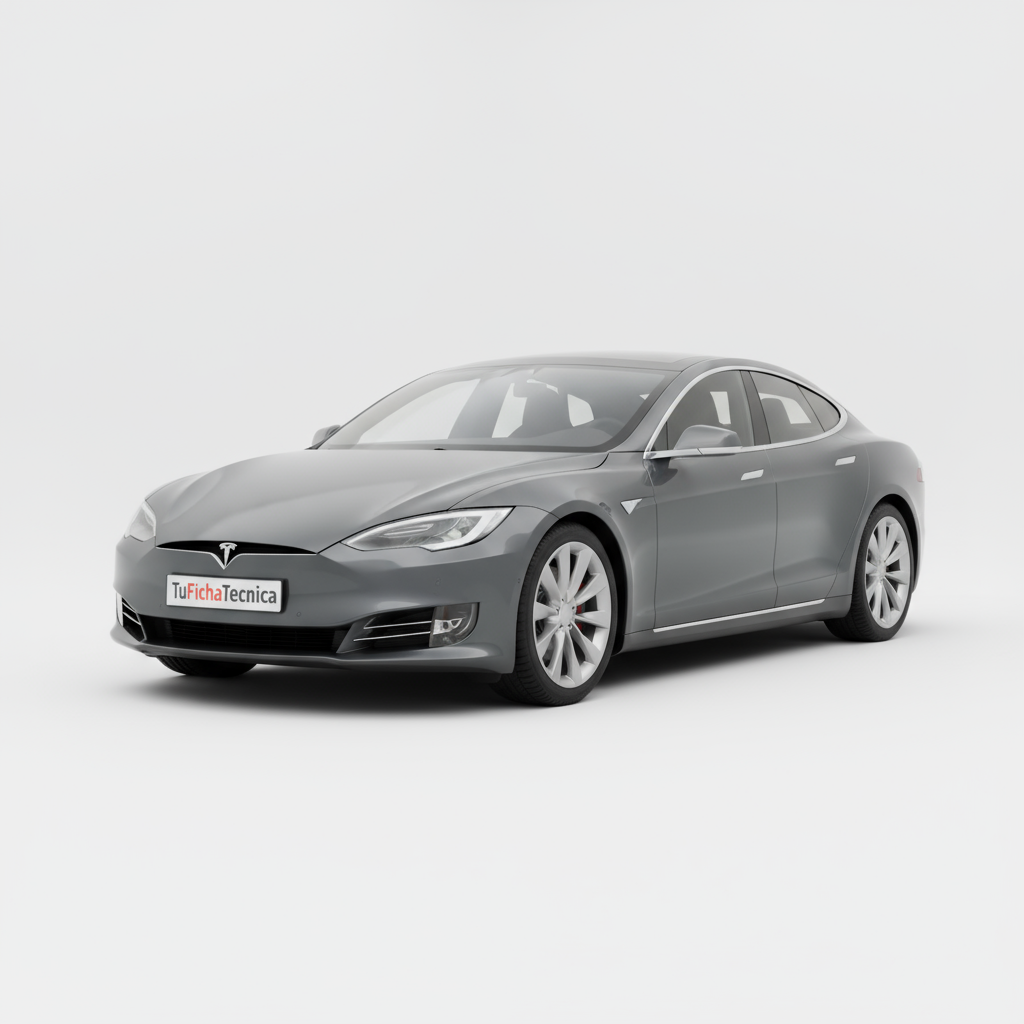
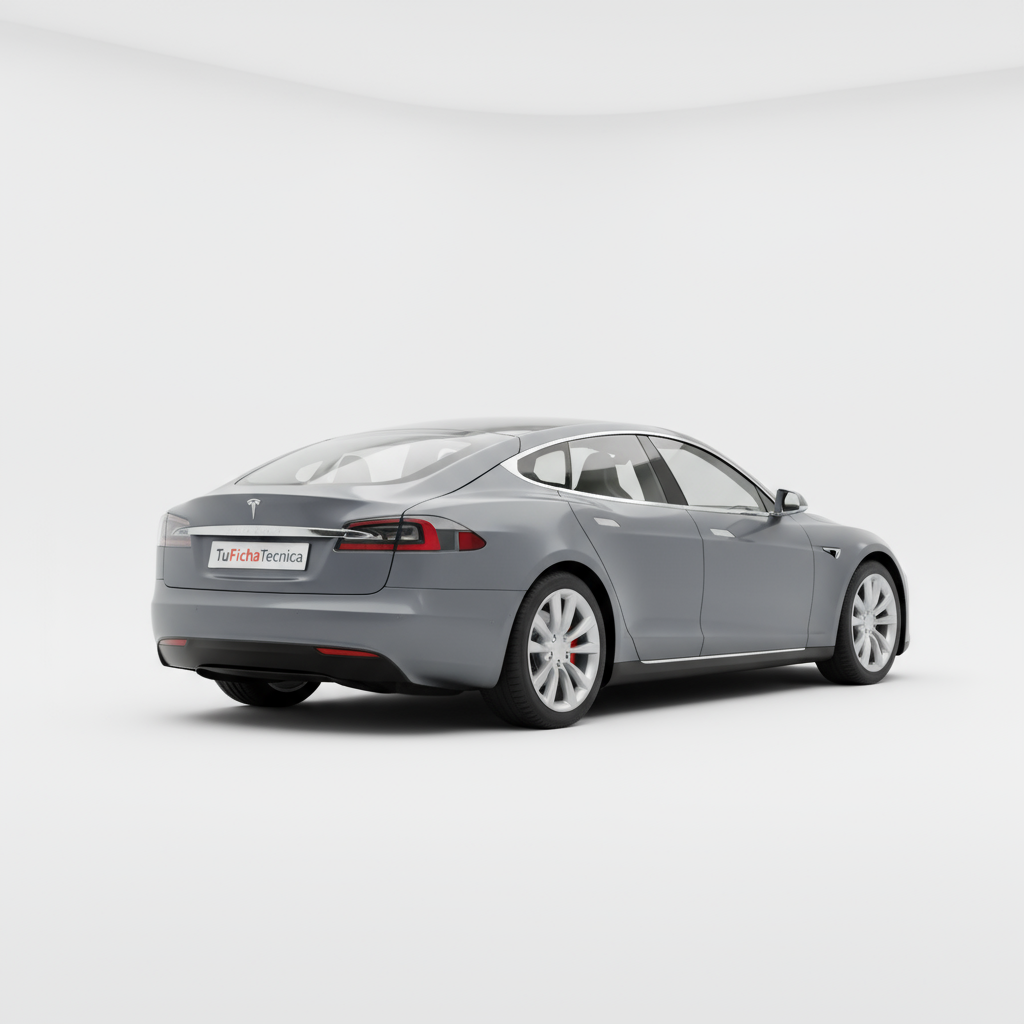
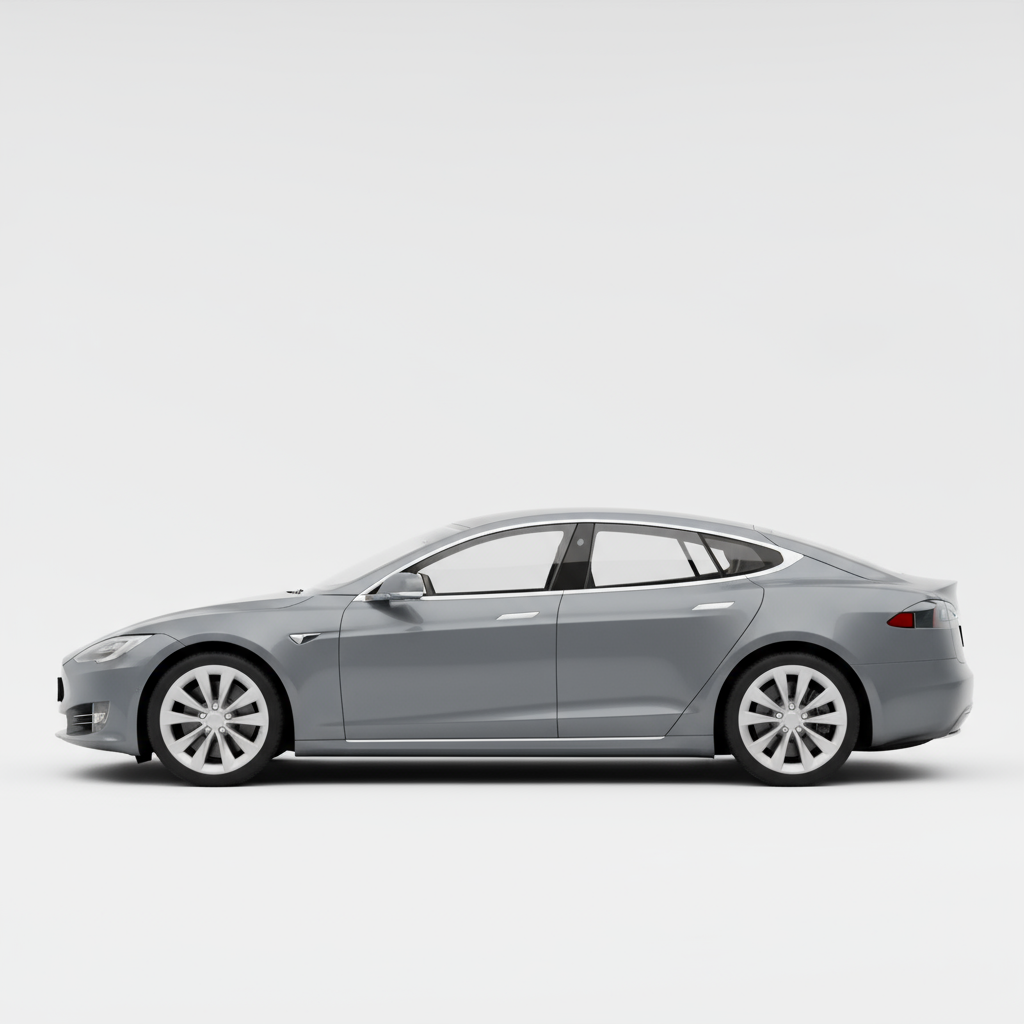
The design of the Tesla Model S 85 kWh is a masterpiece of elegance and functionality. Its fluid and aerodynamic lines, with a length of almost five meters, give it an imposing and sophisticated presence. The absence of a traditional grille at the front, characteristic of electric vehicles, gives it a clean and futuristic aesthetic. The five doors, including a large tailgate, not only enhance its practicality but also contribute to its four-door coupe silhouette. It is a design that, even a decade later, remains modern and attractive, a testament to its vision ahead of its time.
Technology and features
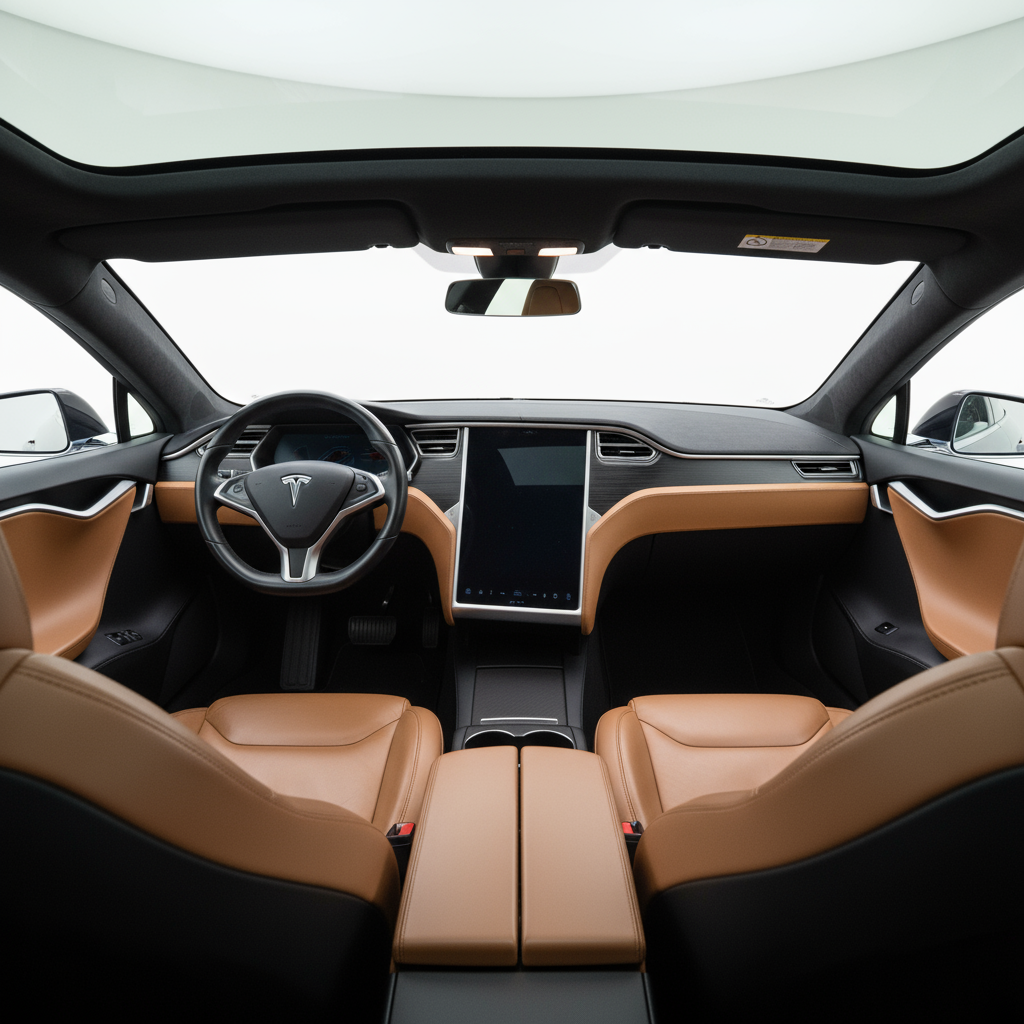
The Model S 85 kWh was a technological showcase at its launch. Its heart is an 85 kWh usable capacity battery, strategically located in the center of the chassis to optimize weight distribution and safety. Although a full AC charge could take up to 28 hours, its NEDC range of 502 km was impressive for the time, mitigating 'range anxiety'. The infotainment system, dominated by a huge central touchscreen, was revolutionary, offering an intuitive interface and advanced connectivity. Rear-wheel drive and a single-speed automatic transmission simplified driving, while large ventilated disc brakes ensured effective stopping. It was a pioneer in the integration of software and hardware, laying the groundwork for the evolution of connected vehicles.
Competition
In 2013, the Tesla Model S 85 kWh faced an automotive landscape dominated by traditional luxury sedans with internal combustion engines. Its main rivals were models such as the Mercedes-Benz E-Class, the BMW 5 Series, and the Audi A6. However, the Model S not only competed in the luxury segment but also opened a new category: high-performance electric vehicles. Its proposal was so disruptive that, more than direct rivals, it had competitors representing the 'status quo' that it itself was challenging. Its true competition was public perception and charging infrastructure, rather than other electric cars, which were scarce and less capable at the time.
Conclusion
The 2013 Tesla Model S 85 kWh was not just a car; it was a catalyst for change. Its combination of avant-garde design, thrilling performance, and pioneering technology made it an instant icon. It demonstrated that electric vehicles could be desirable, powerful, and practical, paving the way for the mass adoption of electric mobility. Despite initial infrastructure challenges, its impact on the industry is undeniable, leaving a legacy of innovation and boldness that endures to this day. It is a vehicle that will be remembered as the one that changed the rules of the game.