
Especificaciones y análisis del Skoda Fabia
Power
86HP
Torque
160Nm
Consumption
5.1l/100
Emissions
119g/km
0-100 km/h
11.8s
Top Speed
178km/h
Weight
1136kg
Price
12,750€
Technical summary
Gasolina
Manual 5v
FWD
5 / 5 doors
480 L
45 L
63 kW
Current
Technical specifications
Engine
Capacities
Detailed analysis of the Skoda Fabia Combi 1.2 TSI 85 CV Style (2010-2011)
General description
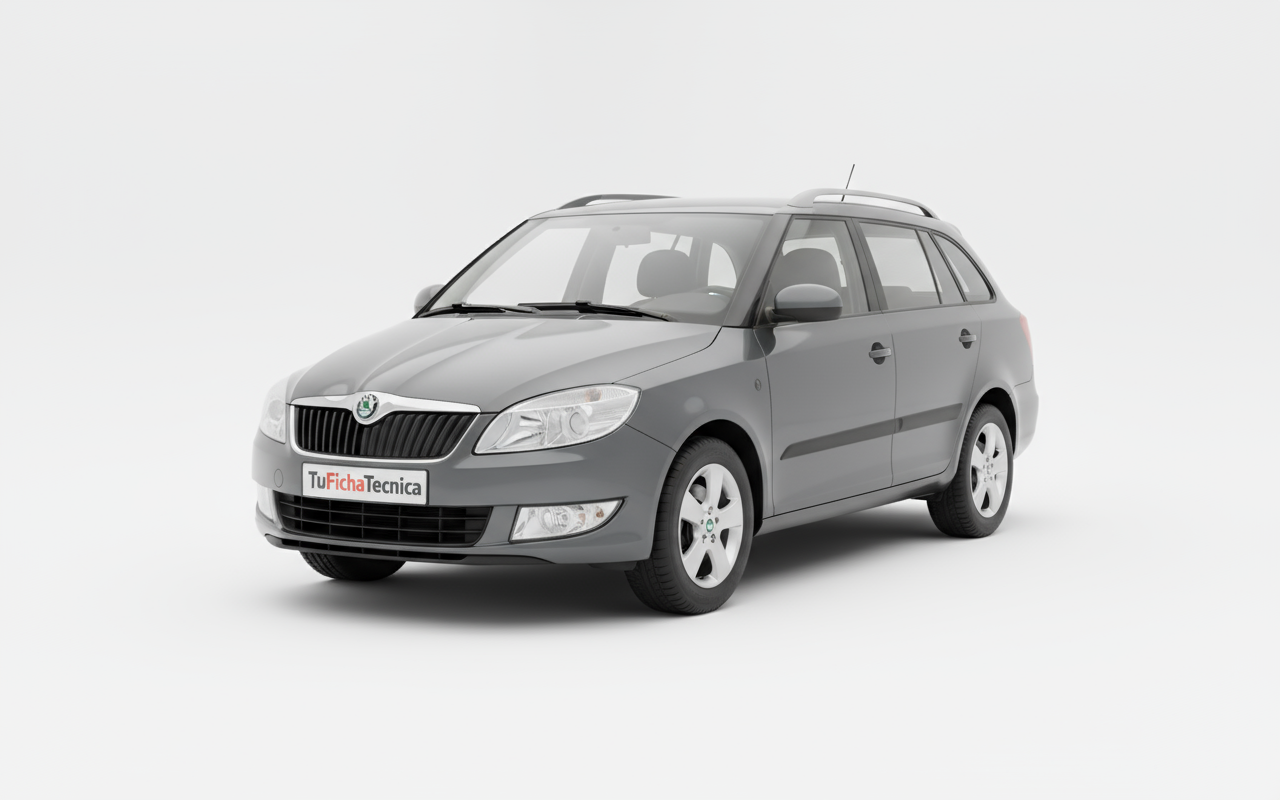
The 2010 Skoda Fabia Combi 1.2 TSI 85 HP, in its Style version, is presented as a practical and balanced option for those looking for a compact family vehicle. With a price of €12,750, this model offers an interesting combination of space, efficiency, and adequate equipment for daily use. Its 1.2 TSI engine, although modest in power, promises solid performance for most situations, standing out for its low consumption and emissions.
Driving experience
Behind the wheel of the Fabia Combi, the general feeling is one of comfort and ease of handling. The 1.2 TSI 85 HP engine, with its turbo and direct injection, delivers 160 Nm of torque from 1500 rpm, which translates into agile response in the city and decent recovery capacity on the road. Acceleration from 0 to 100 km/h in 11.8 seconds and a top speed of 178 km/h are reasonable figures for its segment. The suspension, McPherson type at the front and torsion beam with trailing arm at the rear, filters out road irregularities well, offering a smooth ride. The electro-hydraulic steering contributes to precise and comfortable driving, albeit without sporting pretensions. Overall, it is a car that inspires confidence and adapts well to family and daily use.
Design and aesthetics
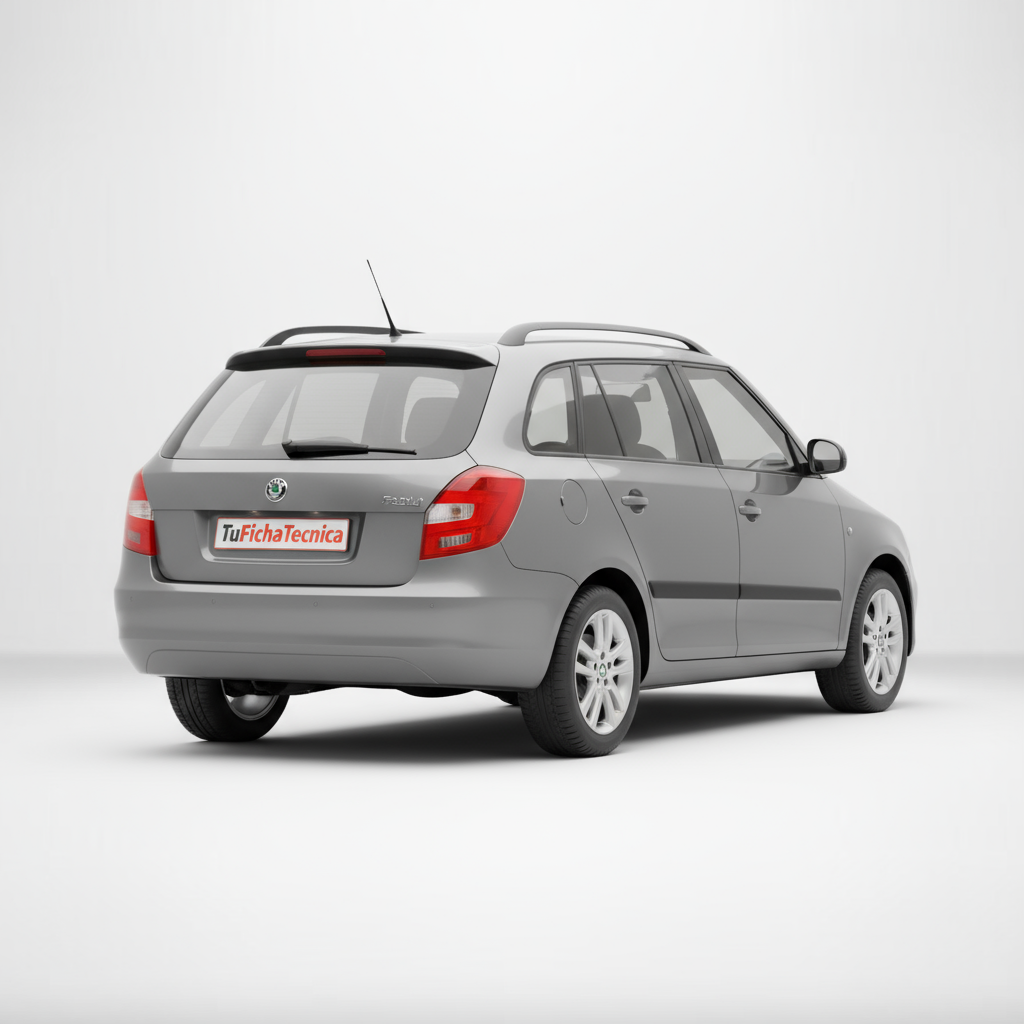
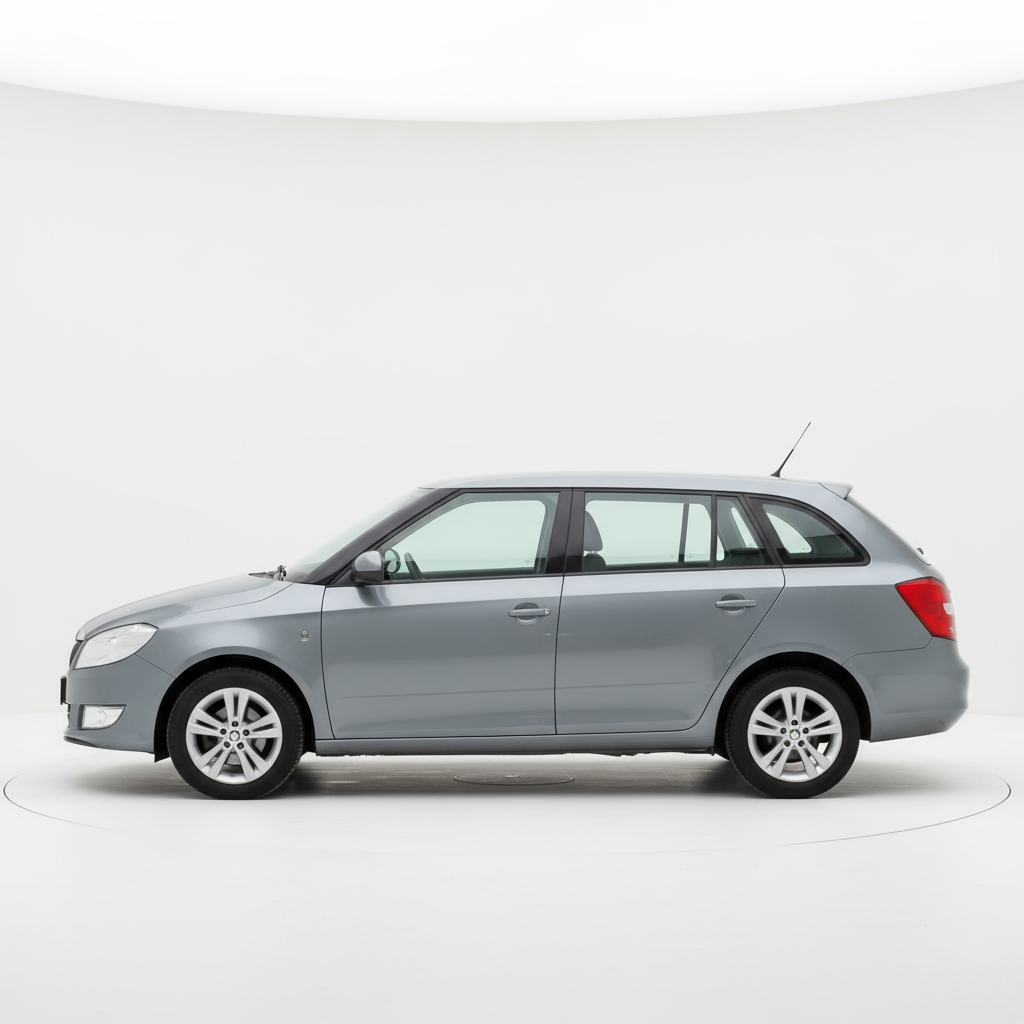
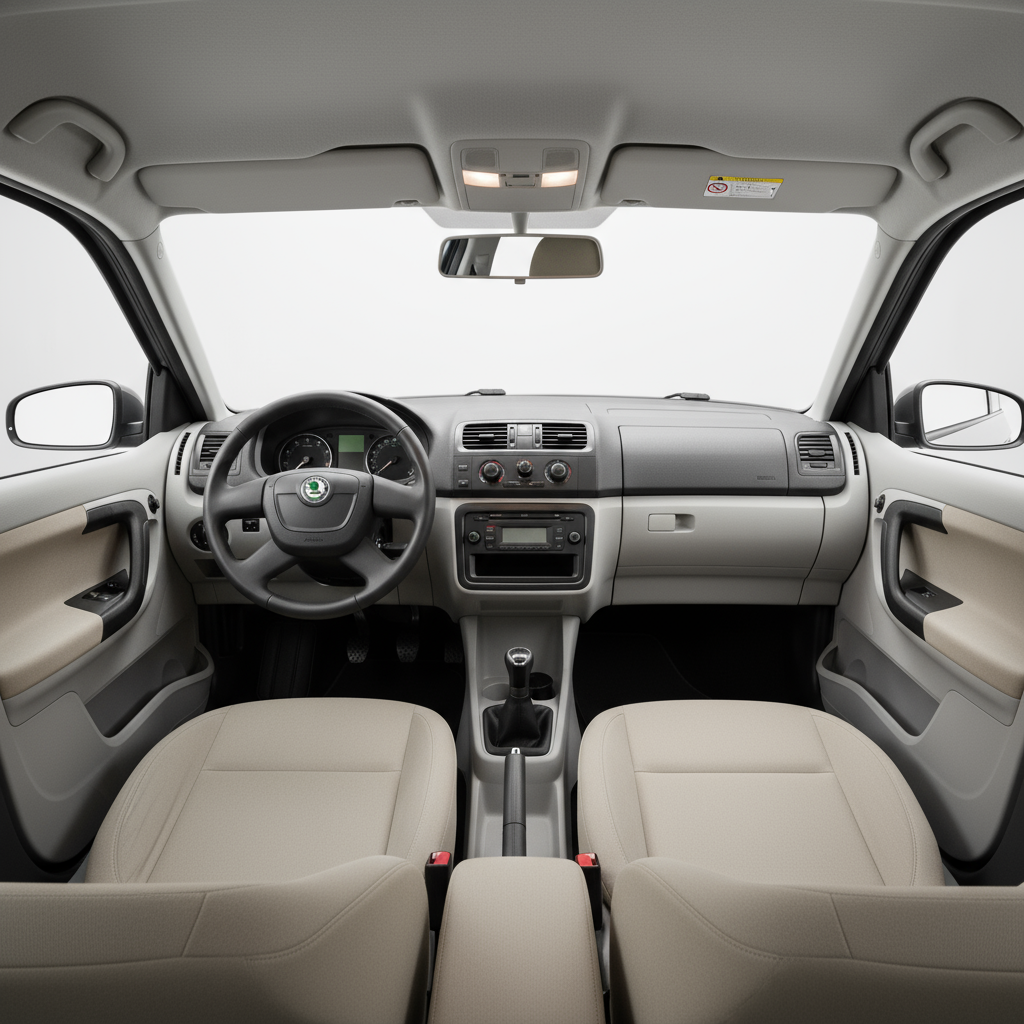
The design of the 2010 Skoda Fabia Combi is functional and discreet, without great aesthetic flourishes, but with a clear orientation towards practicality. Its lines are clean and its Combi (estate) silhouette emphasizes interior space and load capacity. With a length of 4247 mm, a width of 1642 mm, and a height of 1498 mm, it offers compact dimensions that facilitate maneuverability in urban environments, without sacrificing a generous 480-liter boot. The interior, although sober, is well resolved, with materials that, without being luxurious, convey solidity and durability. The Style version adds details that improve the perception of quality and comfort.
Technology and features
In terms of technology, the 2010 Fabia Combi 1.2 TSI Style incorporates elements that, for its time, were quite competent. The 1.2 TSI engine is an example of efficient engineering, with direct injection, turbo, and intercooler, which optimizes consumption and emissions (5.1 l/100km combined and 119 g/km of CO2). The 5-speed manual transmission is precise and contributes to efficiency. In terms of safety, it has ventilated front disc brakes and rear disc brakes, and electro-hydraulic power steering that improves the driving experience. Although it does not have the latest driving aids of current models, its equipment is sufficient to offer a safe and comfortable journey.
Competition
In the 2010 market, the Skoda Fabia Combi 1.2 TSI Style faced rivals such as the SEAT Ibiza ST, the Renault Clio Grand Tour, or the Peugeot 207 SW. Compared to them, the Fabia Combi stood out for its excellent value for money, its interior spaciousness, and the robustness of its mechanics. Although it perhaps did not offer the same dynamism as some of its competitors, its practical approach and generous boot made it a very attractive option for families or those who needed additional cargo space without sacrificing a compact size.
Conclusion
The 2010 Skoda Fabia Combi 1.2 TSI 85 HP Style is a car that more than fulfills its purpose: to be a compact, efficient, and reliable family vehicle. Its functional design, its capable engine, and its large boot make it a very sensible option for everyday use. Although it is not a car that will make you fall in love with its sportiness or its avant-garde design, it does so with its practicality, its low maintenance cost, and its ability to transport the family and their luggage comfortably. It is a smart choice for those who value functionality and economy without sacrificing the build quality of the Volkswagen Group.