
Especificaciones y análisis del SEAT Toledo
Power
125HP
Torque
170Nm
Consumption
8.5l/100
Emissions
-g/km
0-100 km/h
10.5s
Top Speed
200km/h
Weight
1257kg
Price
20,270€
Technical summary
Gasolina
Manual 5v
FWD
5 / 4 doors
500 L
55 L
92 kW
Current
Technical specifications
Engine
Capacities
Detailed analysis of the SEAT Toledo 1.8 20V Signa · 125 CV (1998-2004)
General description
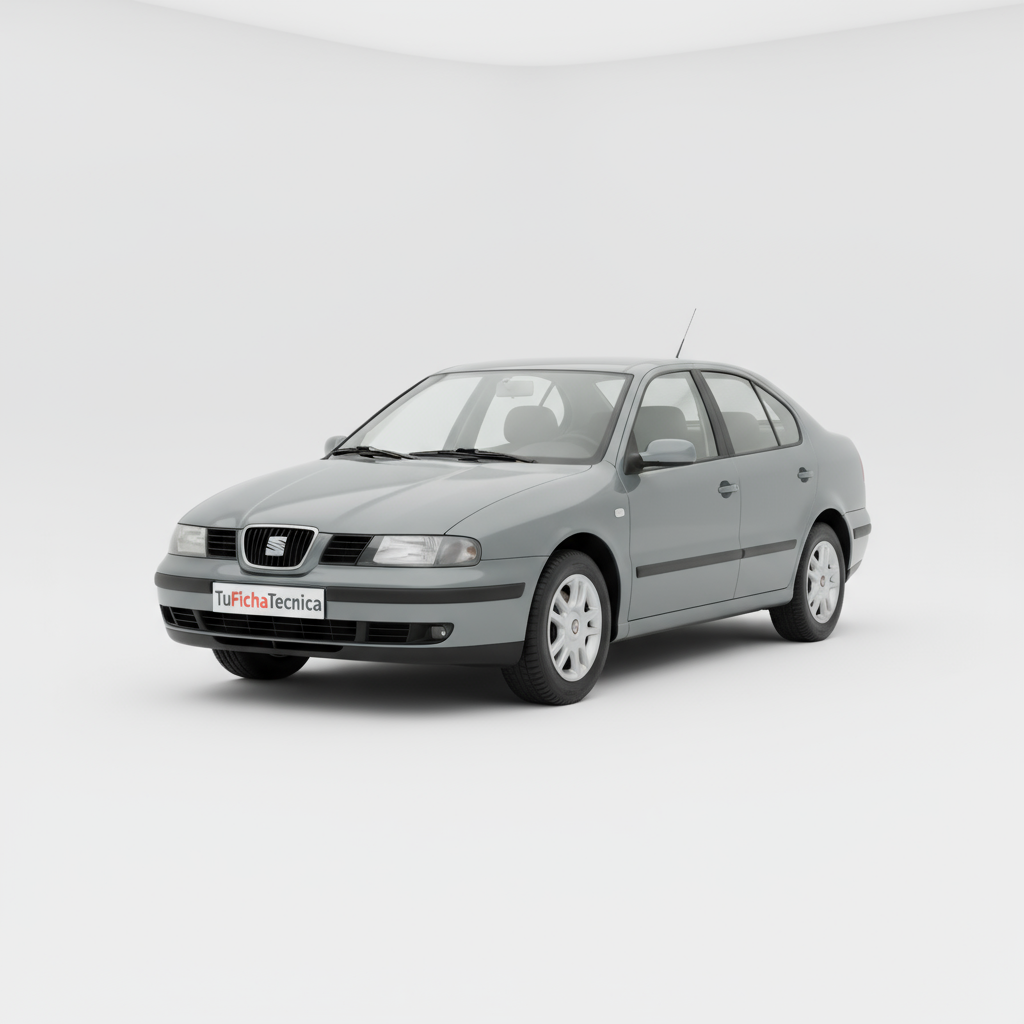
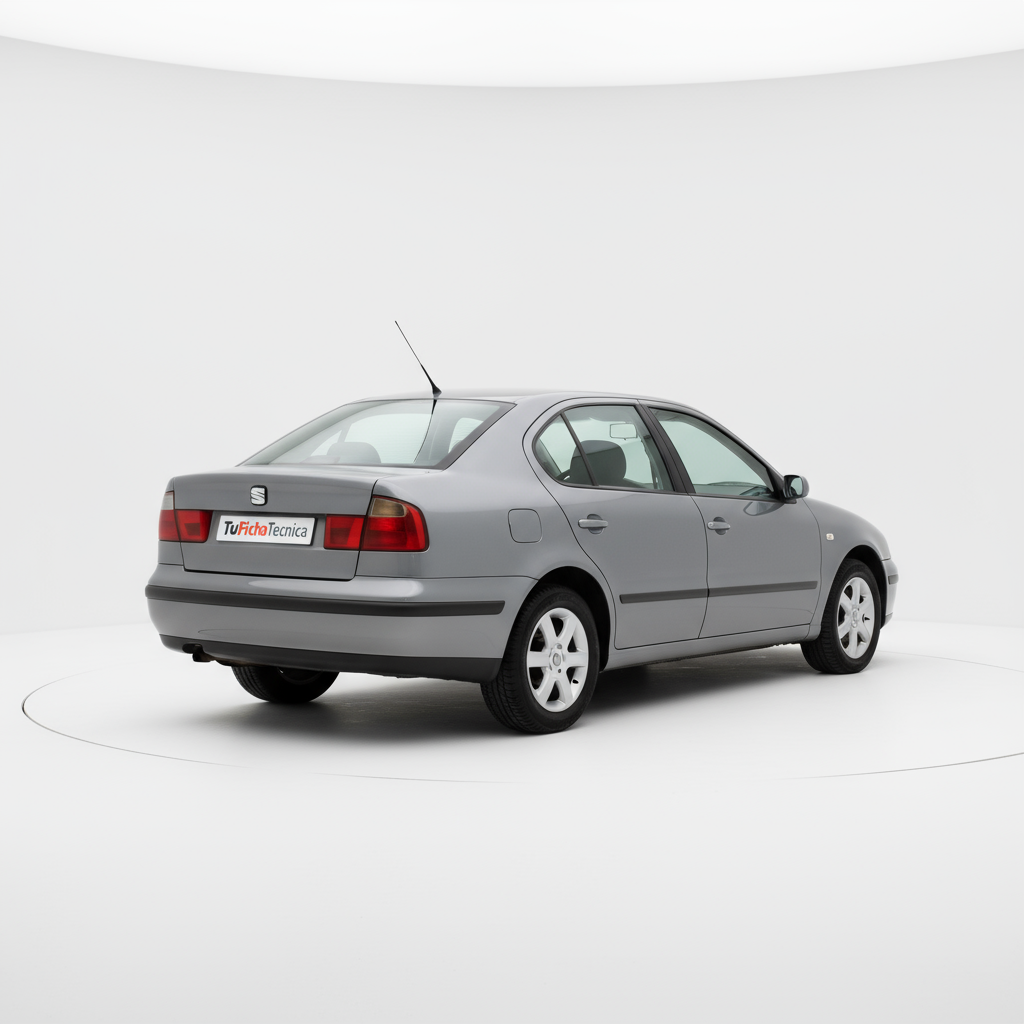
The 1999 SEAT Toledo, in its 1.8 20V Signa version, was presented as a four-door sedan that sought to conquer the mid-range segment with a balanced proposal between functionality and a touch of sportiness. With a 125 HP gasoline engine and a five-speed manual gearbox, it promised an agile and efficient driving experience for daily use and road trips. Its design, although sober, did not go unnoticed on the streets of the late nineties, offering ample interior space and a generous trunk, characteristics highly valued by families and professionals of the time.
Driving experience
Behind the wheel of the Toledo 1.8 20V Signa, the general sensation was one of solidity and control. The 125 HP engine, with its 170 Nm of torque at 3500 rpm, offered an adequate response for most situations, allowing acceleration from 0 to 100 km/h in 10.5 seconds and a top speed of 200 km/h. The suspension, McPherson type at the front and trailing arm with torsion beam at the rear, provided a good balance between comfort and stability, absorbing road irregularities without sacrificing confidence in curves. The rack-and-pinion steering, although without variable assistance, transmitted a direct connection to the road, making every journey predictable and pleasant. The combined consumption of 8.5 l/100km was reasonable for the time, although in the city it could rise to 11.9 l/100km.
Design and aesthetics
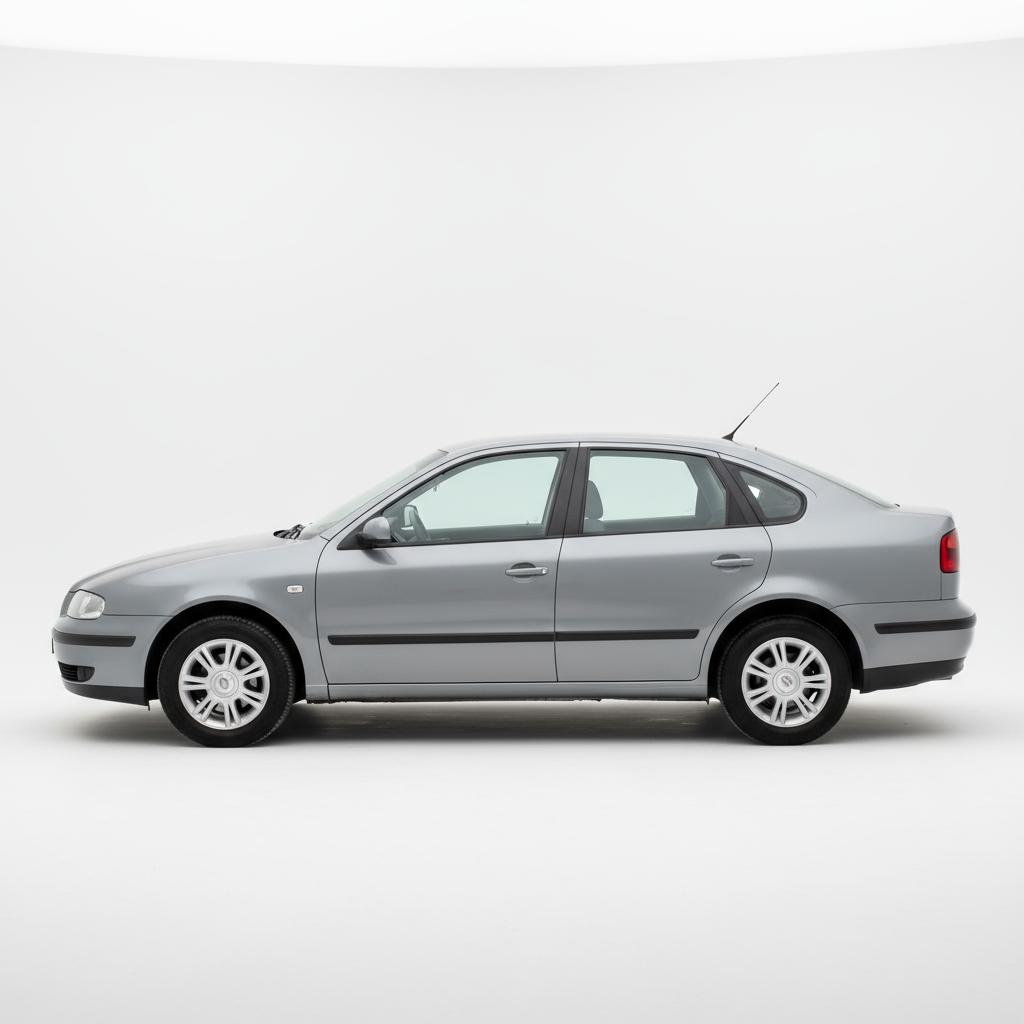
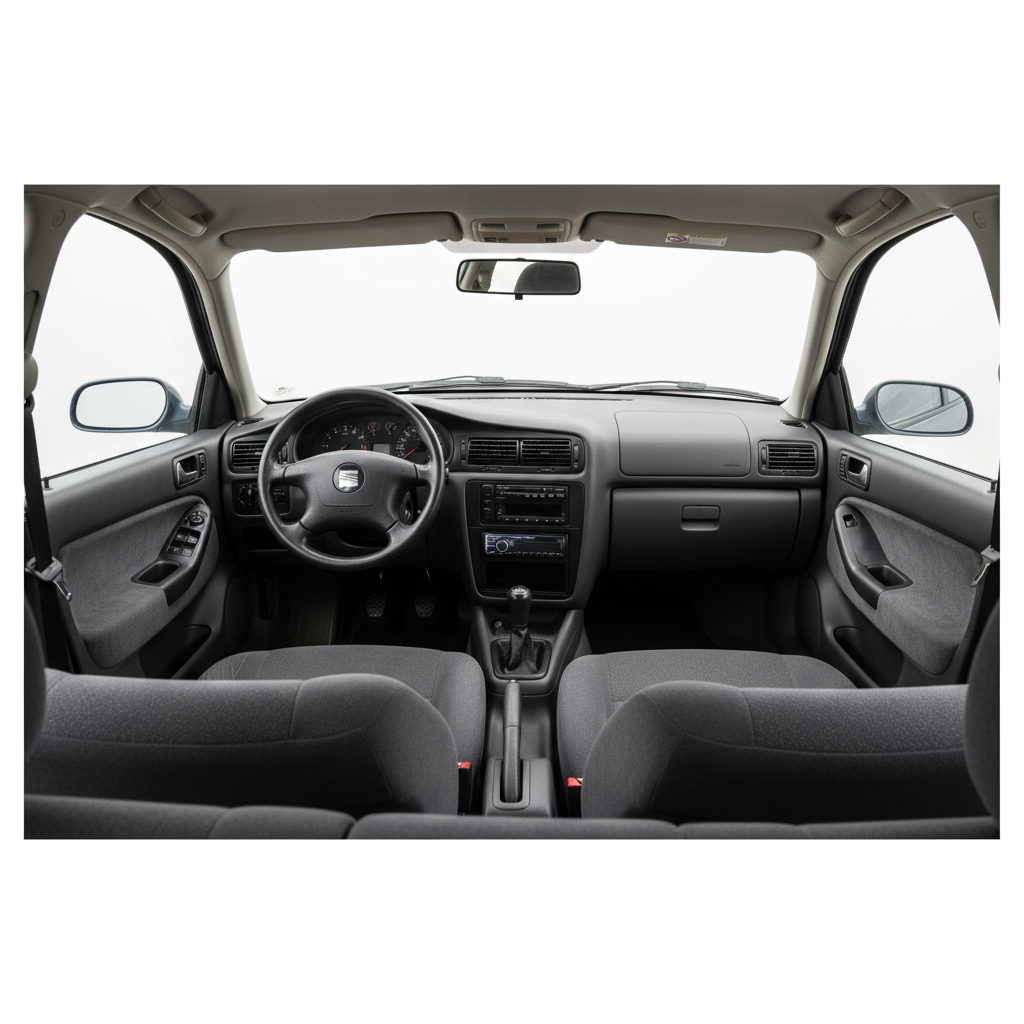
The design of the 1999 SEAT Toledo was a sample of the automotive aesthetics of the late nineties: clean lines, functional shapes, and a silhouette that prioritized habitability. Its 4439 mm length, 1742 mm width, and 1436 mm height gave it an imposing yet elegant presence. The Signa version, in particular, often included details that enhanced its appeal, such as 16-inch alloy wheels with 205/55 R16 tires, which not only improved aesthetics but also grip. The interior, although not notable for excessive luxuries, offered a spacious and well-organized cabin, with capacity for five occupants and a 500-liter trunk, ideal for long trips or for transporting bulky luggage.
Technology and features
In the technological section, the 1999 SEAT Toledo 1.8 20V Signa incorporated proven and efficient mechanical solutions. Its 1.8-liter, 20-valve (5 per cylinder) gasoline engine with indirect injection was a robust and reliable powerplant. The 5-speed manual transmission, with a dry single-disc clutch, ensured smooth and precise gear changes. In terms of safety, it had ventilated disc brakes of 288 mm on the front axle and 232 mm discs on the rear, ensuring adequate braking capacity. The suspension, with stabilizer bars both front and rear, contributed to greater road stability. Although it did not have the advanced driving aids of current vehicles, it offered the essentials for safe and comfortable driving in its time.
Competition
In the competitive mid-size sedan market of the late nineties, the SEAT Toledo 1.8 20V Signa faced tough rivals. Models such as the Opel Vectra, Ford Mondeo, Renault Laguna, or Peugeot 406 were its main competitors. Each offered its own virtues, whether in design, equipment, or performance. The Toledo was positioned as an attractive option for its overall balance, its efficient engine, and its good interior space, often with a very competitive price-quality ratio that made it stand out in the segment.
Conclusion
The 1999 SEAT Toledo 1.8 20V Signa was a car that knew how to combine the functionality of a family sedan with a touch of dynamism. Its 125 HP engine offered sufficient performance for most drivers, while its sober design and spacious interior made it a practical and comfortable option. Although it was not the most luxurious or the sportiest in its category, its mechanical reliability and good road behavior made it a highly appreciated vehicle at the time. It represented an intelligent choice for those looking for a versatile and well-built car, with a price of 20,270 euros that made it accessible to a wide audience.