
Especificaciones y análisis del SEAT Ibiza
Power
101HP
Torque
240Nm
Consumption
5l/100
Emissions
-g/km
0-100 km/h
10.8s
Top Speed
190km/h
Weight
1165kg
Price
14,206€
Technical summary
Gasóleo
Manual 5v
FWD
5 / 5 doors
267 L
45 L
74 kW
Current
Technical specifications
Engine
Capacities
Detailed analysis of the SEAT Ibiza 5p 1.9 TDi Stella · 101 CV (2002-2004)
General description
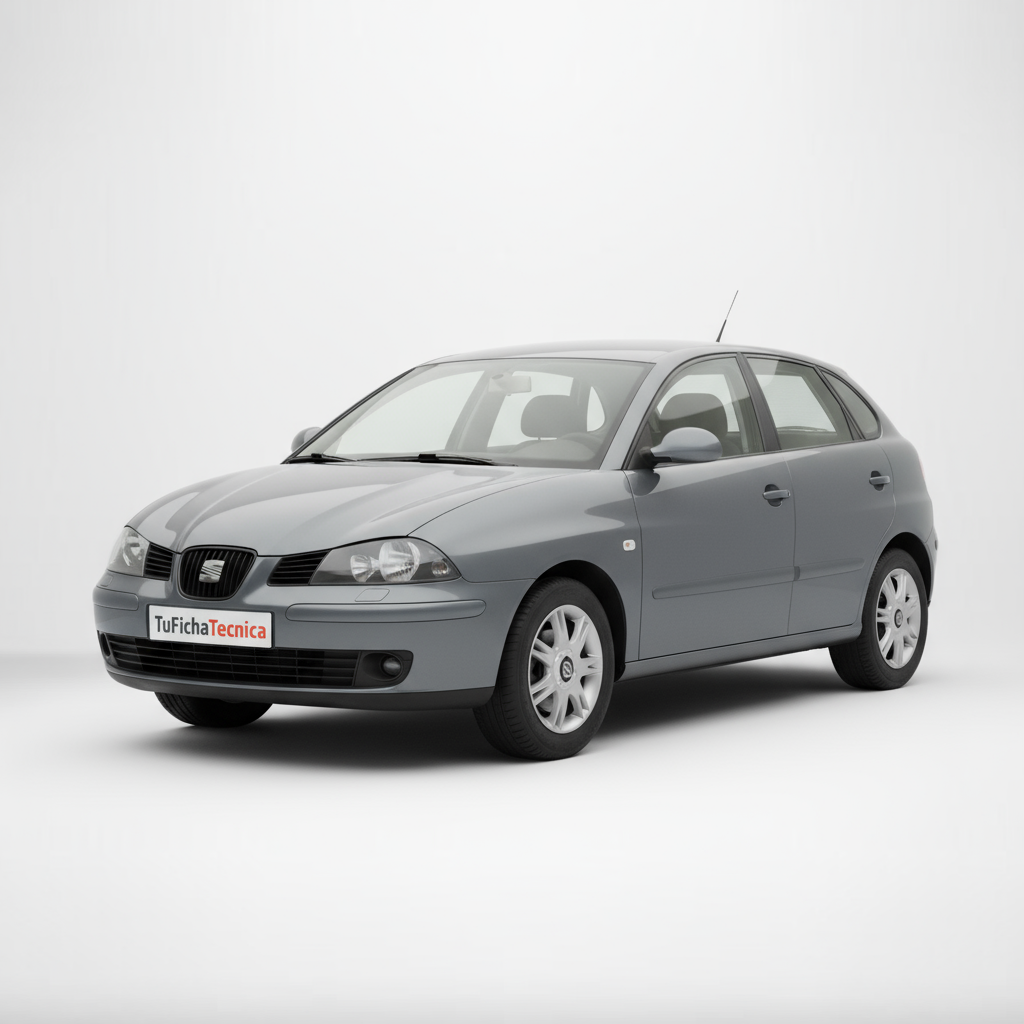
The 2002 SEAT Ibiza, in its 5-door 1.9 TDi Stella version, is presented as a compact and efficient option that marked an era. With its 101 HP diesel engine, this model offered an attractive combination of performance and fuel economy, ideal for daily use and occasional getaways. Its design, although already a few years old, still evokes the essence of the Spanish brand in a practical and functional format.
Driving experience
Behind the wheel of the Ibiza 1.9 TDi, the feeling is one of solidity and agility. The diesel engine, with its 101 HP and a torque of 240 Nm at 1900 rpm, offers a strong response from low revolutions, which facilitates overtaking and city driving. Acceleration from 0 to 100 km/h in 10.8 seconds and a top speed of 190 km/h demonstrate its capability. The suspension, McPherson type at the front and trailing arm with torsional element at the rear, provides a good balance between comfort and stability, allowing you to enjoy the road with confidence. The rack-and-pinion steering, although without variable assistance, transmits a direct connection to the asphalt, making every journey a gratifying experience.
Design and aesthetics
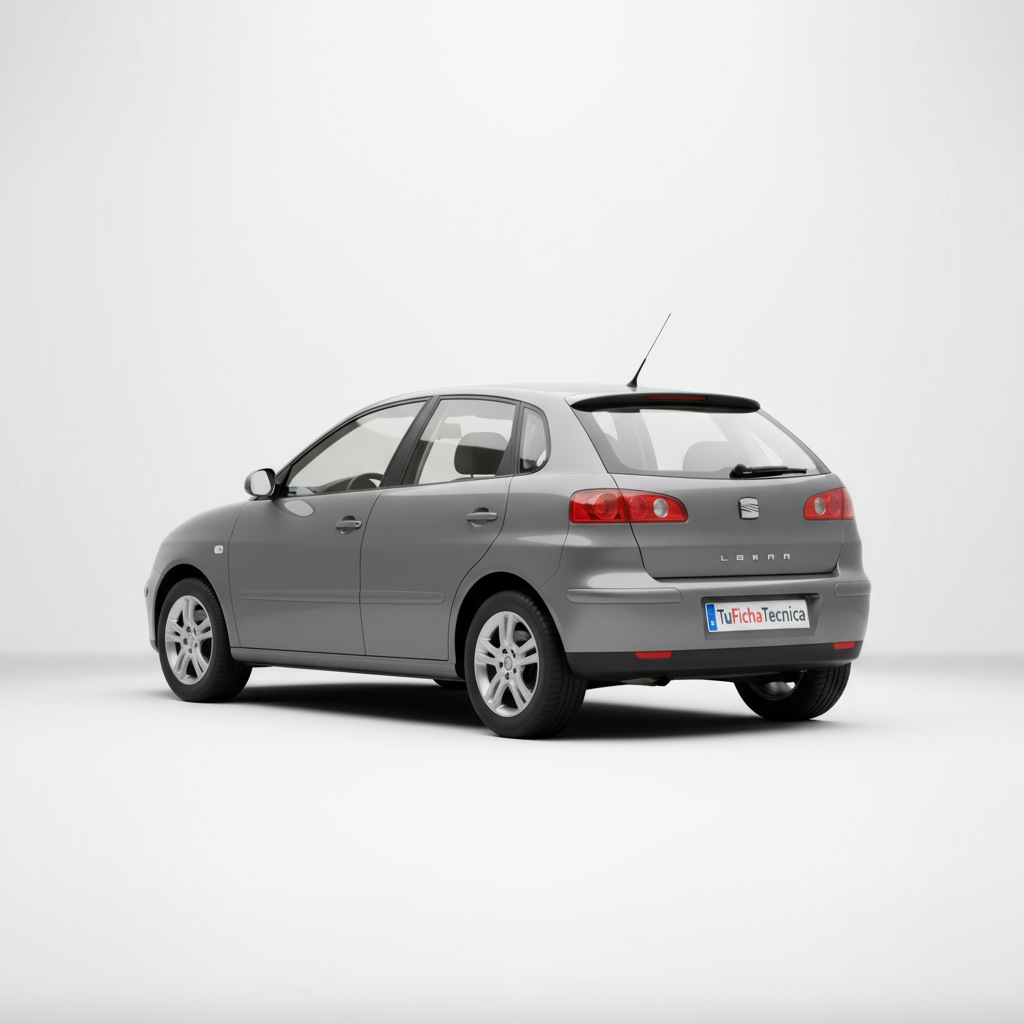
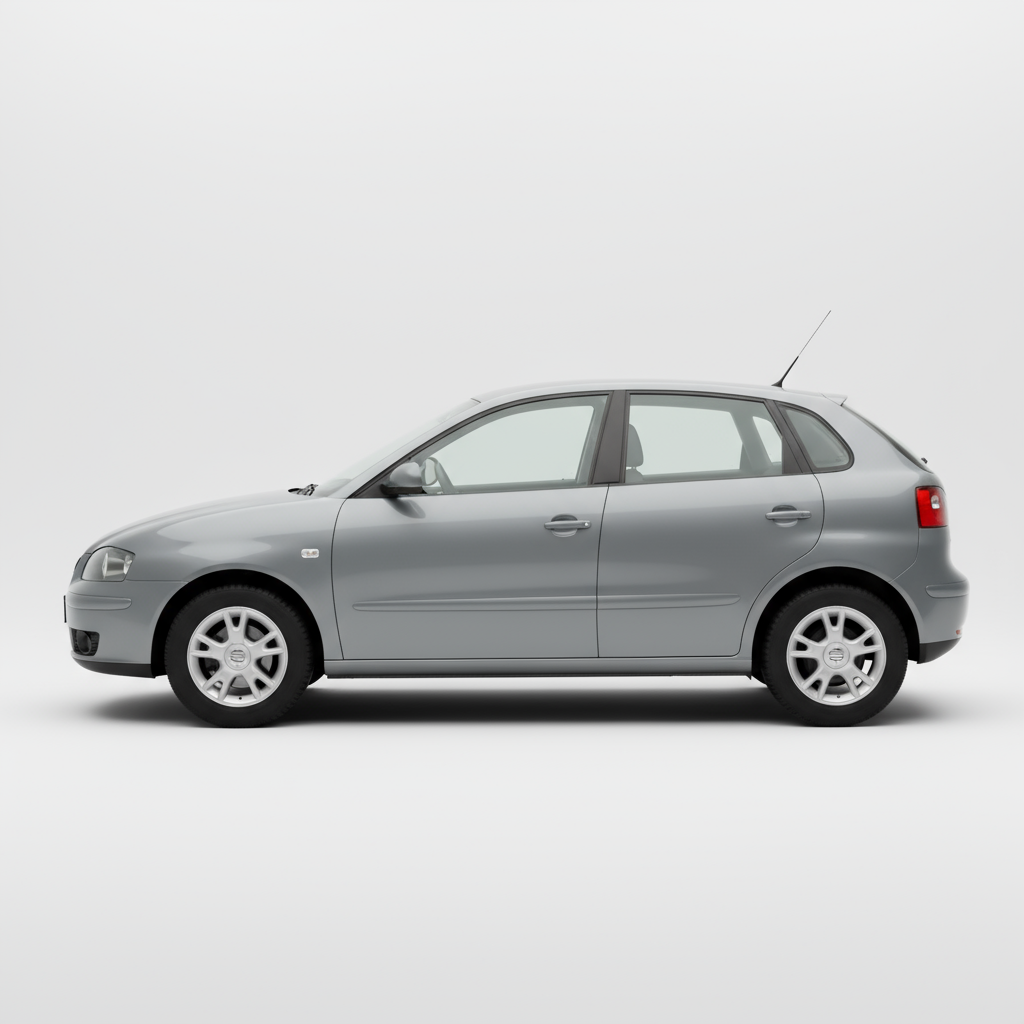
The design of the 2002 SEAT Ibiza is a reflection of the early 2000s aesthetic, with lines that combine functionality with a youthful touch. Its 3953 mm length, 1698 mm width, and 1441 mm height give it a compact yet well-proportioned presence. The five doors facilitate access to the cabin, while the 267-liter trunk offers adequate capacity for the segment. Although it does not seek extravagance, its design is timeless and remains recognizable on the streets, with an aesthetic that prioritizes practicality without sacrificing a dynamic image.
Technology and features
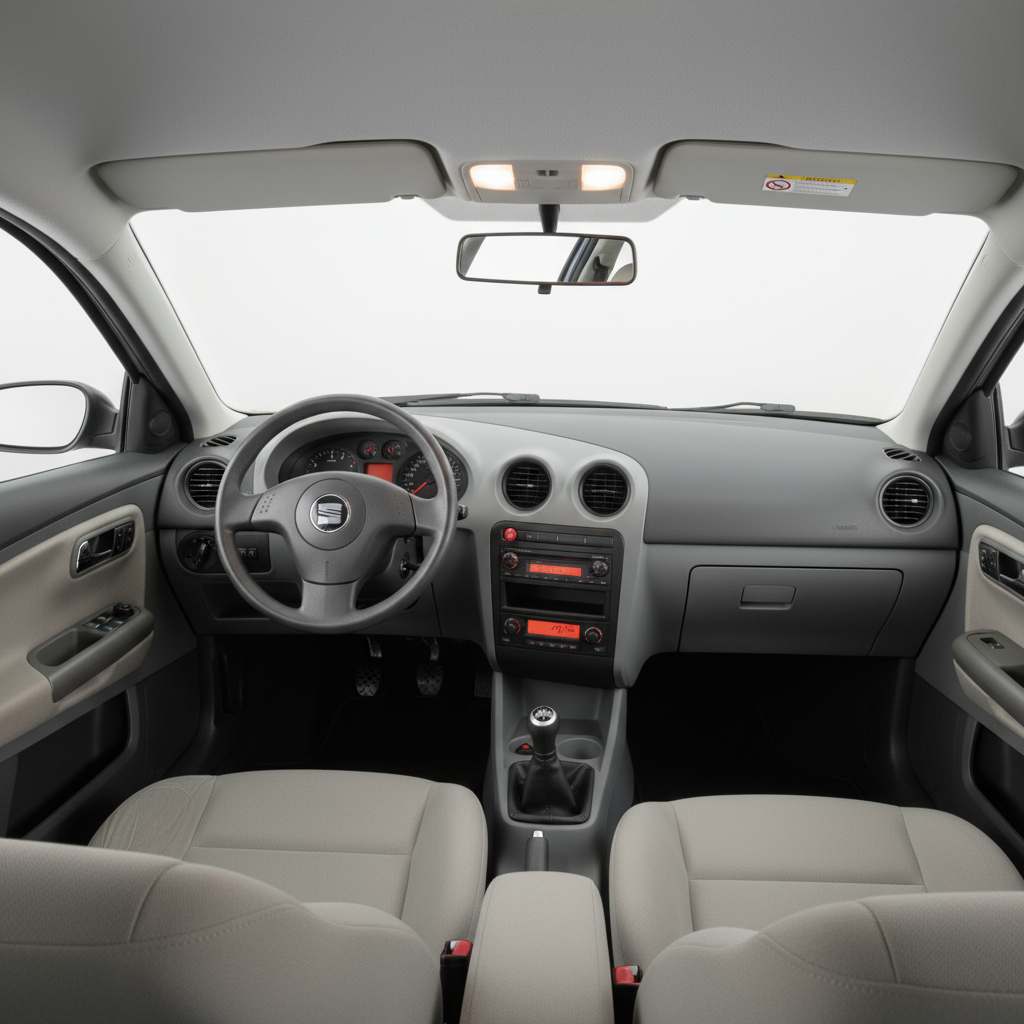
In terms of technology, the 2002 Ibiza 1.9 TDi Stella incorporates robust and proven solutions. Its direct injection diesel engine with unit injector pump, variable geometry turbo, and intercooler is an example of mechanical efficiency of the era. The 5-speed manual transmission, with a single-disc dry clutch, ensures precise control and smooth power delivery. Although it lacks the electronic sophistication of current models, its technology focuses on reliability and durability, offering the essentials for safe and efficient driving. The ventilated front disc brakes and rear disc brakes guarantee adequate braking capacity for its weight and performance.
Competition
At the time, the SEAT Ibiza 1.9 TDi Stella competed with models such as the Volkswagen Polo, Ford Fiesta, Peugeot 206, and Renault Clio. Compared to them, the Ibiza stood out for its high-performance diesel engine and its balance between sportiness and comfort. Its price of 14,206 euros positioned it as a competitive option in the compact segment, offering excellent value for money and a more dynamic character than some of its direct rivals.
Conclusion
The 2002 SEAT Ibiza 5-door 1.9 TDi Stella is a car that, despite the passage of time, remains an interesting option for those looking for a compact, economical, and reliable vehicle. Its diesel engine is a strong point, offering a combined consumption of 5 l/100km and more than decent performance. Its functional design and dynamic behavior make it an ideal companion for both city and longer trips. It is a car that evokes nostalgia and at the same time demonstrates the solidity of SEAT's engineering from the turn of the century.