
Especificaciones y análisis del SEAT Ibiza
Power
75HP
Torque
126Nm
Consumption
6.5l/100
Emissions
-g/km
0-100 km/h
13.2s
Top Speed
174km/h
Weight
1057kg
Price
12,126€
Technical summary
Gasolina
Manual 5v
FWD
5 / 5 doors
267 L
45 L
55 kW
Current
Technical specifications
Engine
Capacities
Detailed analysis of the SEAT Ibiza 5p 1.4 16V 75 CV Reference (2003-2005)
General description
The 2002 SEAT Ibiza, in its 1.4 16V 75 HP Reference version, is presented as a compact and functional option for everyday use. With its 5-door body, this model sought to offer a balance between urban practicality and a touch of dynamism, characteristic of the Spanish brand. Its price of €12,126 at the time positioned it as an accessible alternative in the utility vehicle segment.
Driving experience
Behind the wheel, the Ibiza 1.4 16V 75 HP offers an honest driving experience without great pretensions. Its 75 horsepower, delivered at 5000 rpm, allows for 0 to 100 km/h acceleration in 13.2 seconds and a top speed of 174 km/h, adequate figures for city and interurban journeys. The engine, with its indirect injection and aluminum block, feels willing in mid-ranges, although it can be somewhat lacking in demanding recoveries or overtakes. The rack-and-pinion steering, although without variable assistance, provides a decent connection with the road. The suspension, McPherson type at the front and trailing arm with torsional element at the rear, seeks a compromise between comfort and stability, absorbing irregularities well without excessively sacrificing composure. The combined consumption of 6.5 l/100km is reasonable for the time, making this Ibiza an economical car for daily use. The brakes, with ventilated front discs and rear drums, fulfill their function without fanfare.
Design and aesthetics
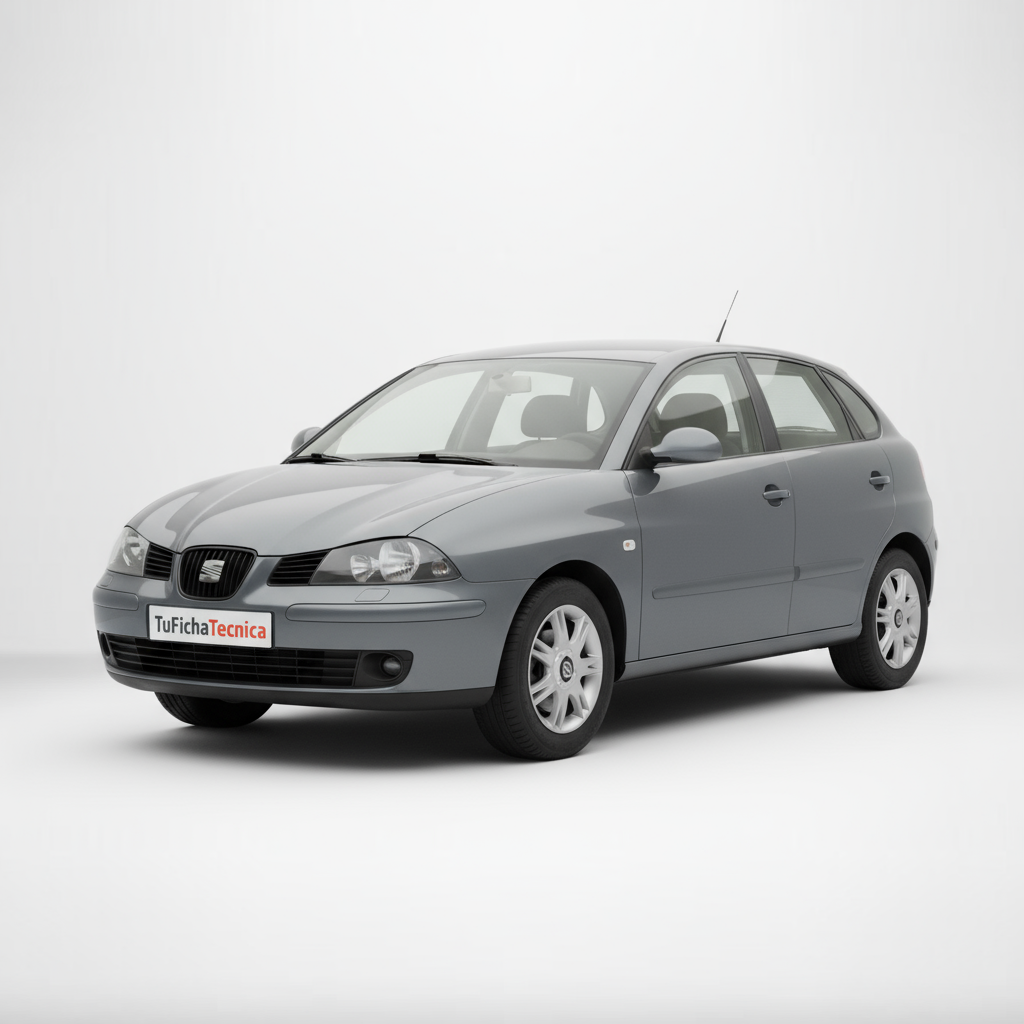
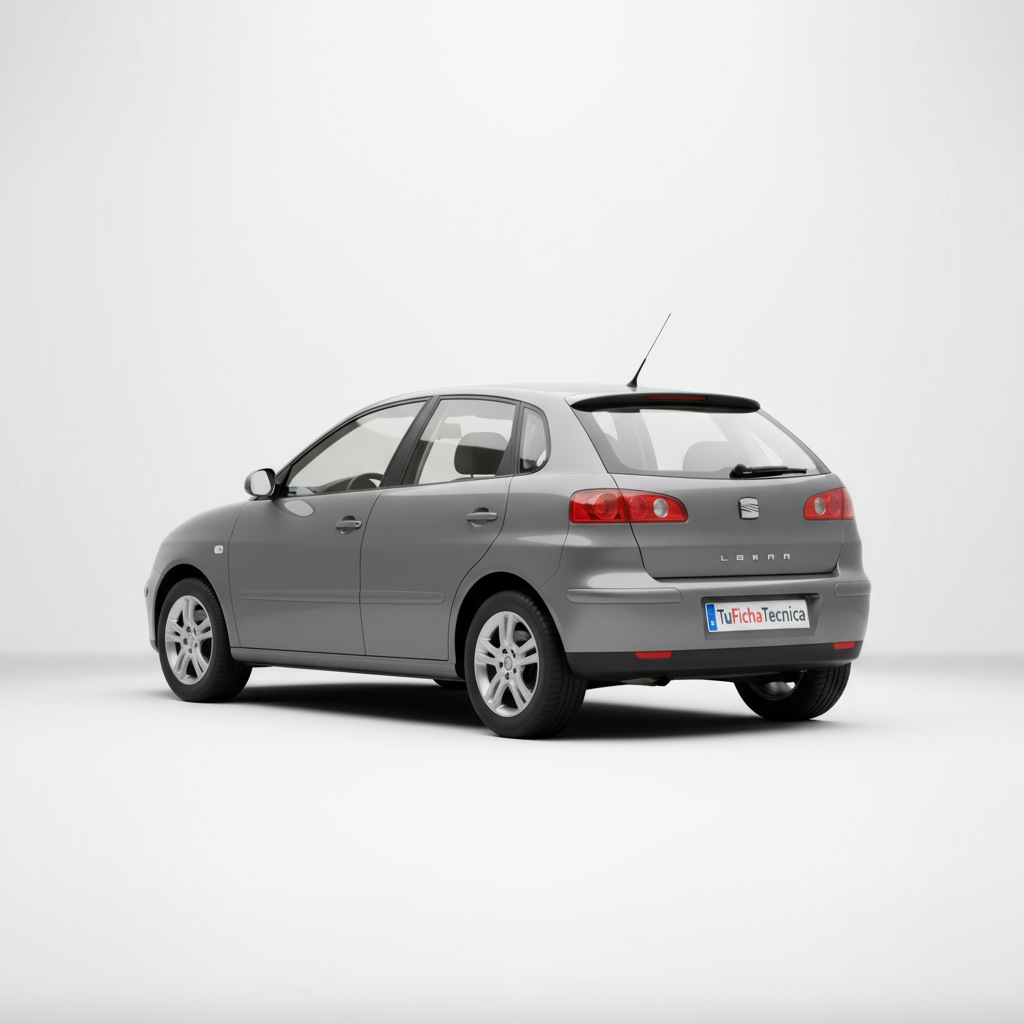
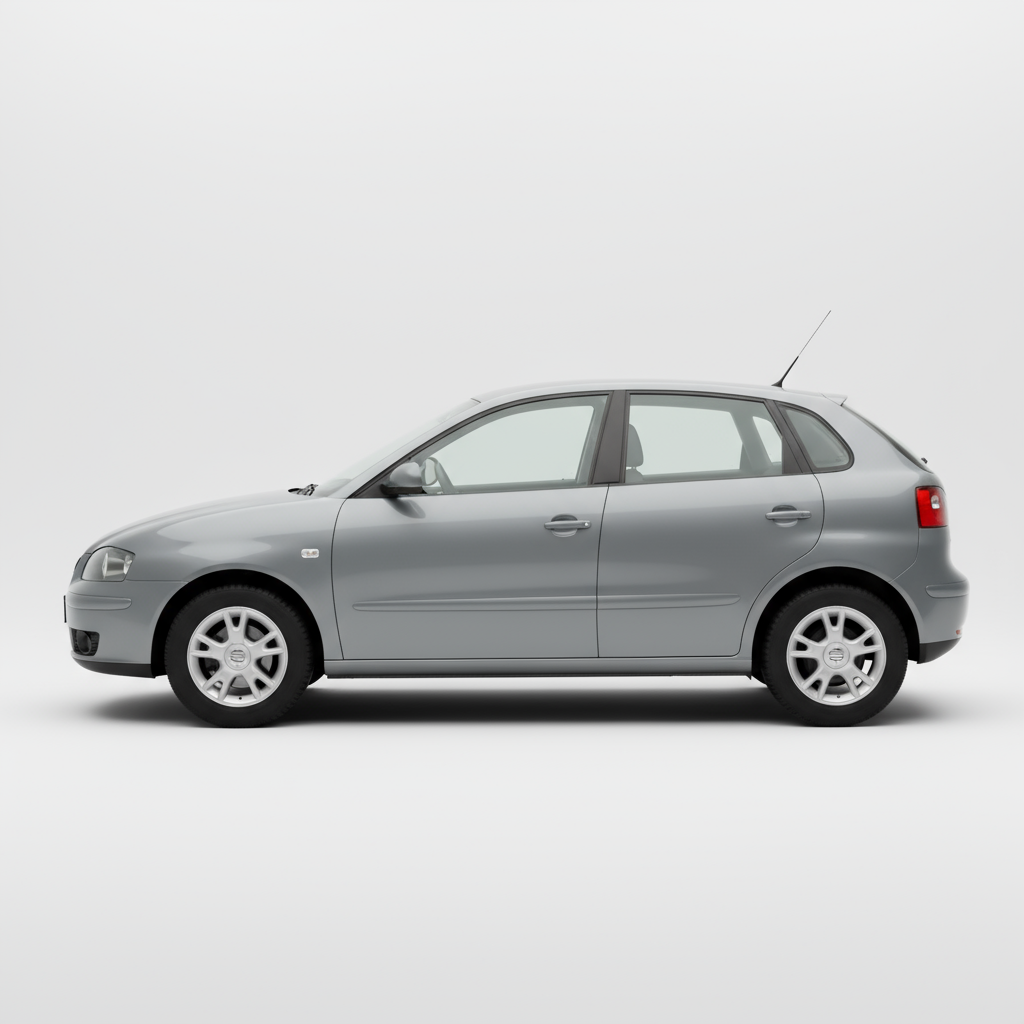
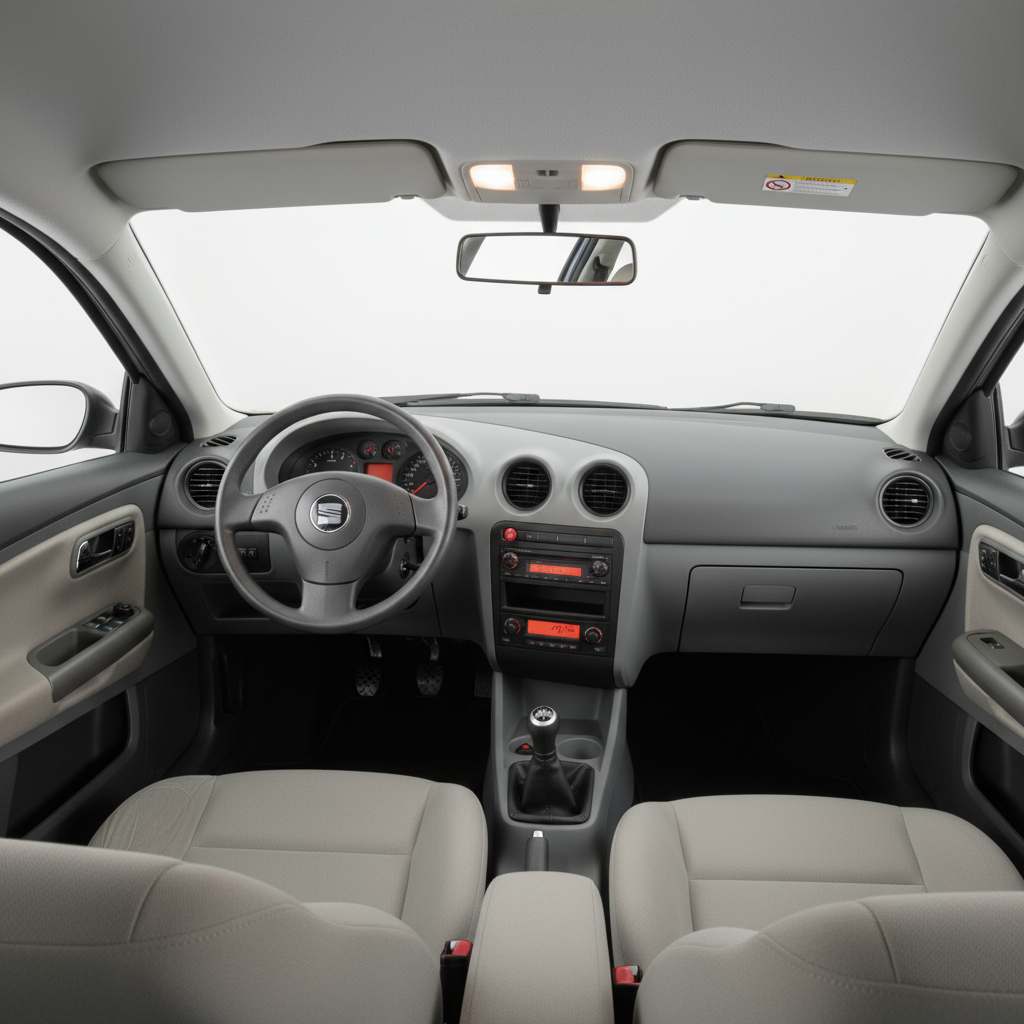
The design of the 2002 SEAT Ibiza is framed within the aesthetics of the early 2000s, with rounder and softer lines than its predecessors, but maintaining a youthful and sporty identity. The 5-door version emphasizes functionality, facilitating access to the rear seats. Its compact dimensions, with 3953 mm long, 1698 mm wide and 1441 mm high, make it agile in urban environments. The front features more modernly designed headlights and a grille that prominently integrates the SEAT logo. The interior, although sober, is designed to be practical, with a 267-liter trunk that, although not the largest in its category, is sufficient for daily needs. The choice of 185/60 R14 tires on 6x14 inch wheels contributes to a balanced aesthetic and predictable behavior.
Technology and features
In terms of technology, the 2002 Ibiza is at an intermediate point, offering the essentials for the time. Its 1.4-liter 16-valve gasoline engine, with indirect injection, is a proven and reliable powertrain. The 5-speed manual transmission is the standard option, offering direct control over power delivery. Although it lacks advanced features such as Stop&Start or modern driving assistance systems, it incorporates rack-and-pinion steering and a braking system with ventilated front discs. The engine's construction with an aluminum block and cylinder head contributes to a contained vehicle weight of 1057 kg, which benefits both performance and consumption. The absence of a speed-sensitive steering system or a rear suspension with a stabilizer bar in this Reference version denotes its focus on functionality and cost containment.
Competition
In the competitive utility vehicle segment, the SEAT Ibiza 1.4 16V 75 HP Reference faced tough competitors such as the Volkswagen Polo, Ford Fiesta, Renault Clio, and Peugeot 206. Each of them offered their own virtues, whether in design, equipment, or driving dynamics. The Ibiza positioned itself as an alternative with a more dynamic and youthful touch than the Polo, its close relative, and with an attractive price-quality ratio compared to other European rivals. Its 75 HP engine placed it in an intermediate power level, suitable for those looking for a versatile car without great performance demands.
Conclusion
The 2002 SEAT Ibiza 1.4 16V 75 HP Reference is a car that, despite the years, remains a testament to SEAT's philosophy: to offer vehicles with a touch of sportiness, yet accessible and practical. It is a reliable companion for urban life and short trips, with contained consumption and predictable maintenance. Its timeless design and functionality make it an interesting option for those looking for a simple, robust car with a reasonable acquisition and running cost. Although it does not dazzle with its performance or technological equipment, it more than fulfills its purpose as a versatile and honest utility vehicle.