
Especificaciones y análisis del SEAT Córdoba
Power
101HP
Torque
126Nm
Consumption
6.7l/100
Emissions
-g/km
0-100 km/h
11.5s
Top Speed
193km/h
Weight
1090kg
Price
14,805€
Technical summary
Gasolina
Manual 5v
FWD
5 / 4 doors
485 L
45 L
74 kW
Current
Technical specifications
Engine
Capacities
Detailed analysis of the SEAT Córdoba 1.4 16V 100 CV Top (2004)
General description
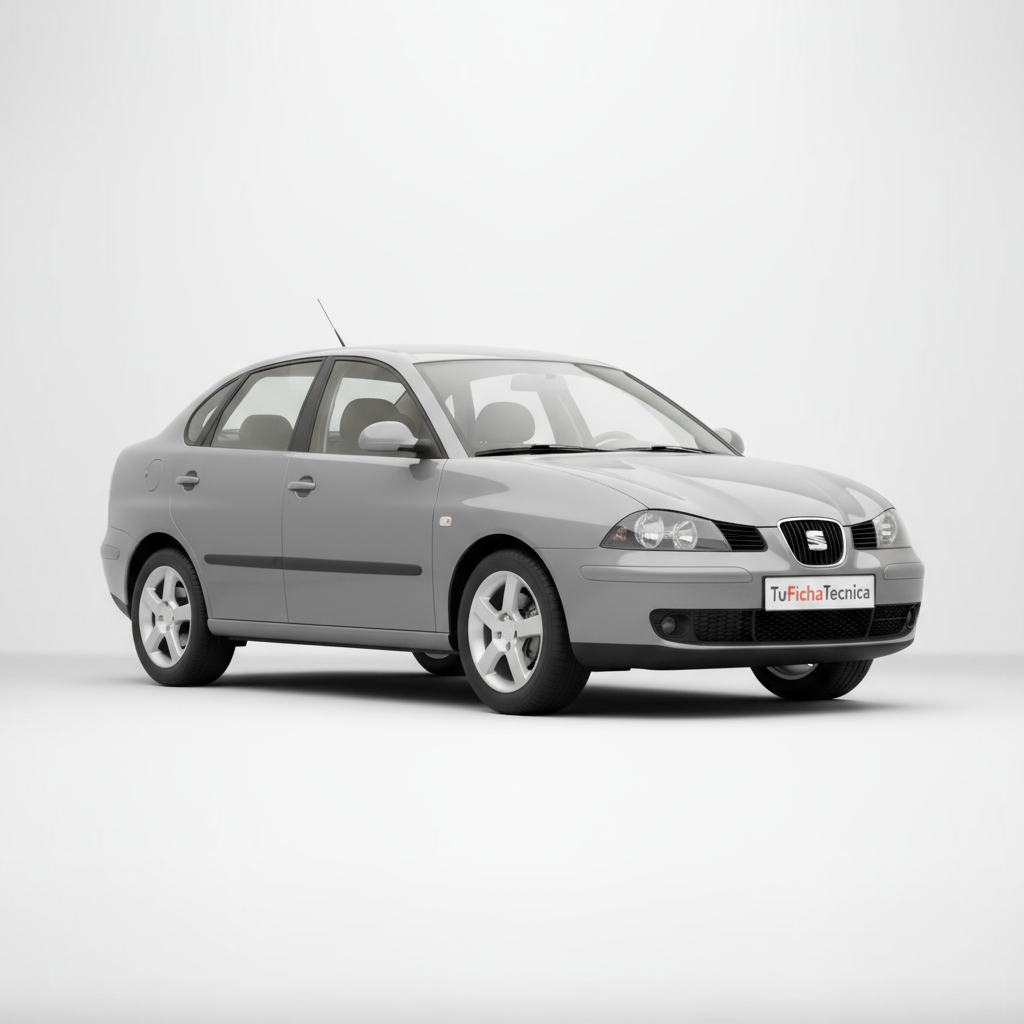
The 2003 SEAT Córdoba 1.4 16V 100 HP, in its Top version, presents itself as a balanced and functional option within the compact sedan segment. With its four-door body, this model aimed to offer generous interior space and trunk capacity, without sacrificing the agility expected of a car of its size. It was a proposal designed for those who valued practicality and economy of use, with a touch of dynamism that has always characterized the Spanish brand.
Driving experience
Behind the wheel, the Córdoba 1.4 16V 100 HP offered an honest and predictable driving experience. Its gasoline engine, although not an overabundance of power, proved willing and allowed for agile movement both in the city and on the highway, as long as sporty performance was not demanded. The rack-and-pinion steering provided an adequate sense of control, and the suspension, McPherson type on the front axle and torsion beam with trailing arms on the rear, filtered road irregularities competently, offering a good compromise between comfort and stability. The brakes, with ventilated discs at the front and discs at the rear, performed their function effectively. Overall, it was a car that inspired confidence and adapted well to daily and family use.
Design and aesthetics
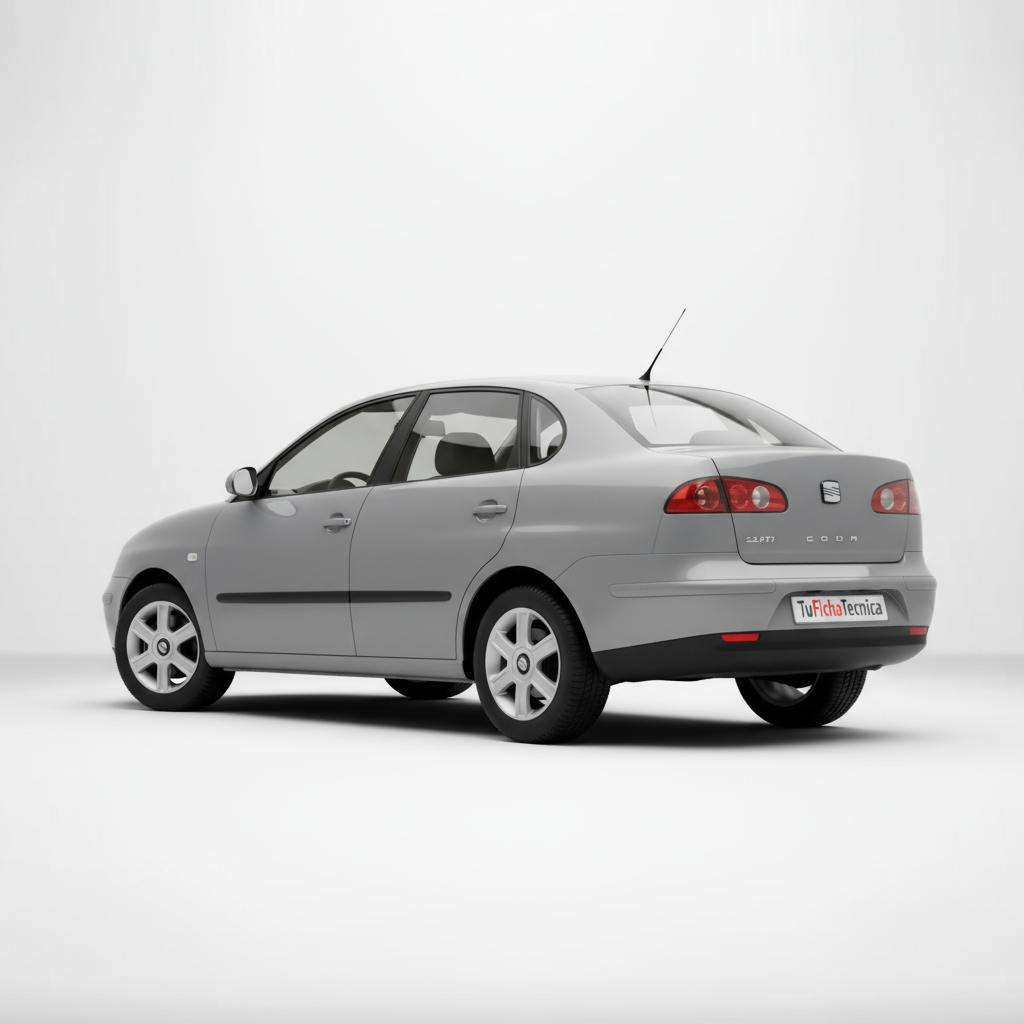
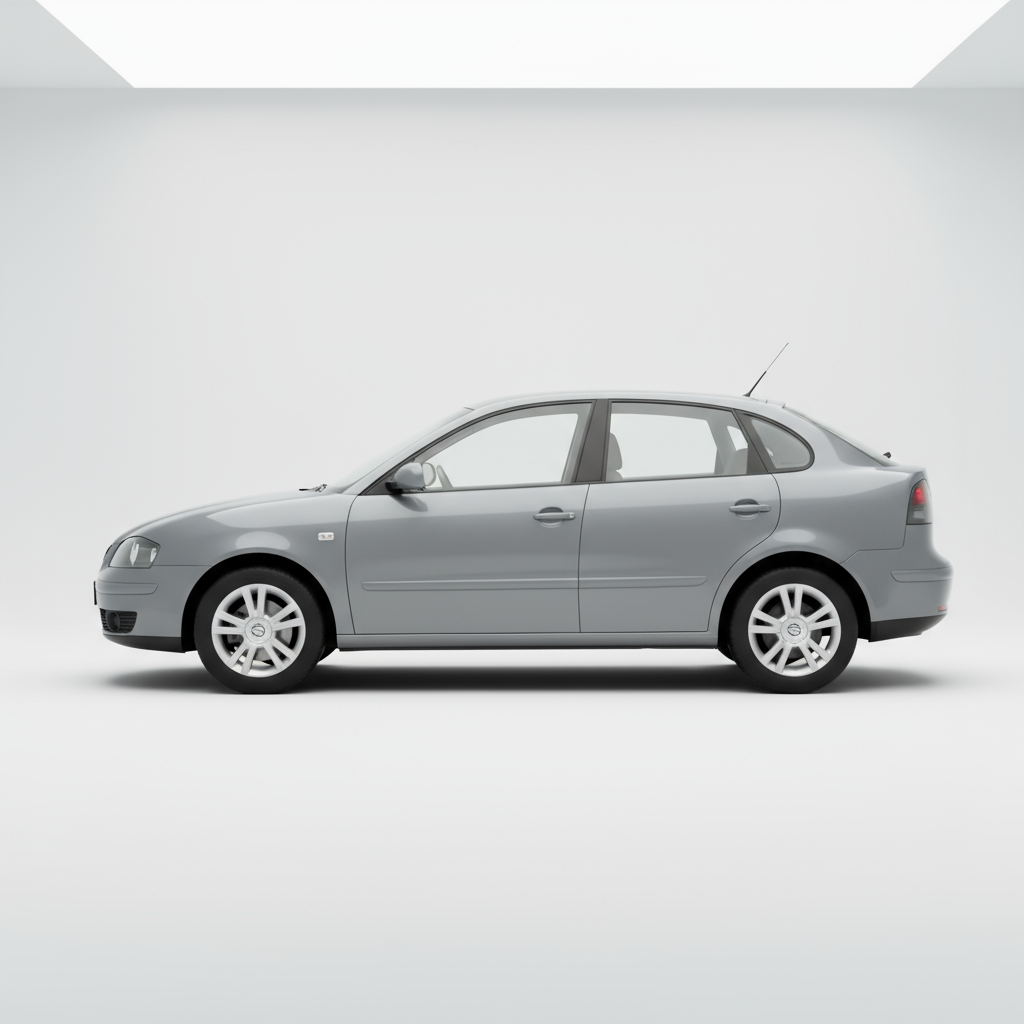
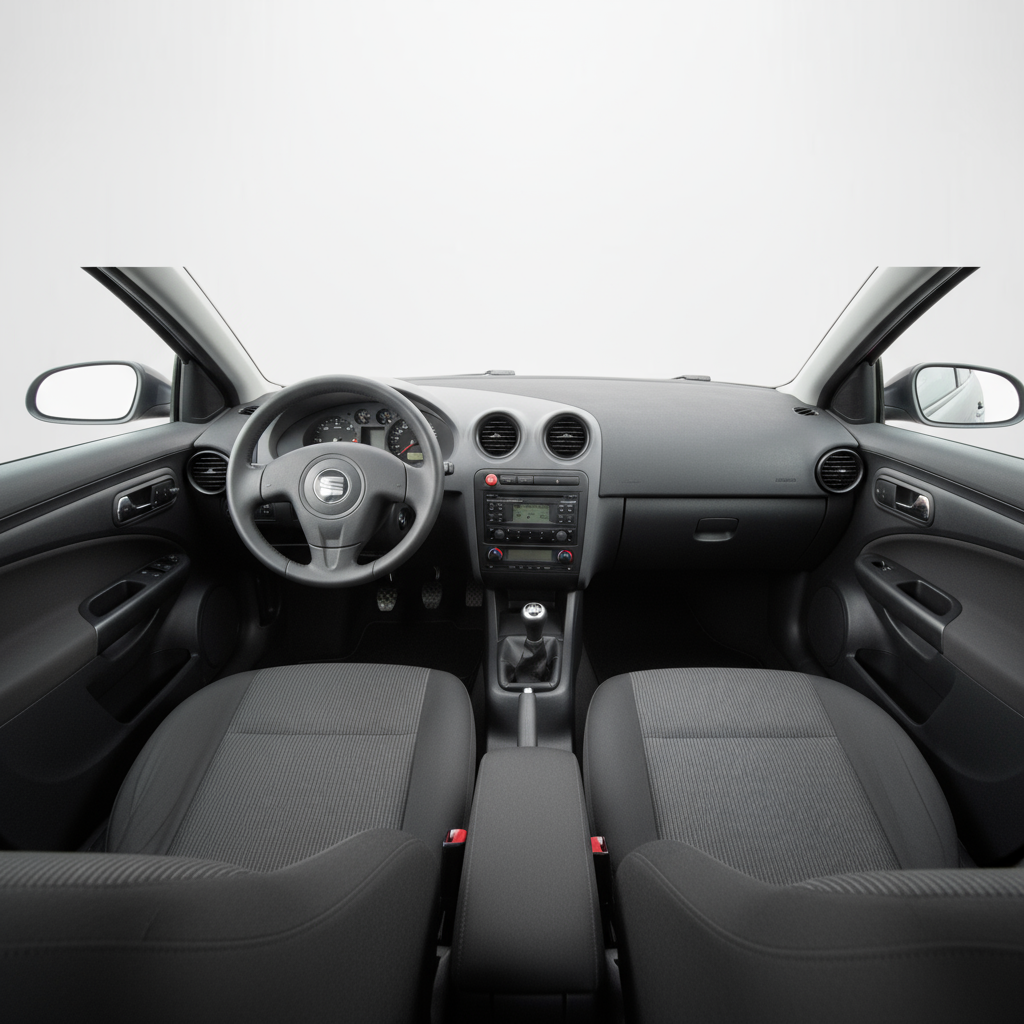
The design of the 2003 SEAT Córdoba followed the aesthetic lines of the era, with a sober and functional silhouette. The four-door body gave it a more formal presence and a larger trunk volume, making it attractive for families or those who needed cargo space. The softly shaped headlights integrated harmoniously with the grille, while the rear, with its discreet taillights, completed an understated ensemble. Inside, the design was equally functional, with a well-organized dashboard and materials that, without being luxurious, conveyed a sense of solidity and durability. It was a design that prioritized ergonomics and ease of use.
Technology and features
In terms of technology, the 2003 SEAT Córdoba 1.4 16V incorporated the essentials for its time. Its 1.4-liter, 16-valve gasoline engine with indirect injection offered 100 HP, allowing it to reach a top speed of 193 km/h and accelerate from 0 to 100 km/h in 11.5 seconds. The five-speed manual transmission was precise and well-geared, contributing to a combined fuel consumption of 6.7 l/100km. Regarding safety, it featured disc brakes on both axles, and although specific driving assistance systems are not mentioned, it is expected to have included basic passive safety elements. The rack-and-pinion steering, without variable assistance, offered direct and predictable feedback.
Competition
In its segment, the SEAT Córdoba 1.4 16V 100 HP faced varied competition. Its direct rivals included models such as the Renault Clio Sedan, the Ford Fiesta Sedan, or the Opel Corsa Sedan, all with similar proposals in terms of size, performance, and price. It also competed with entry-level versions of larger compact sedans, such as the Volkswagen Bora or the Skoda Octavia. The Córdoba stood out for its overall balance, sober design, and good use of space, offering a solid and reliable alternative in the market.
Conclusion
The 2003 SEAT Córdoba 1.4 16V 100 HP Top was a car that more than fulfilled its purpose. It offered a good balance between performance, fuel consumption, and space, making it a very interesting option for those looking for a practical and economical vehicle for daily use. Its functional design and proven mechanics guaranteed a satisfactory user experience without major complications. Although it did not stand out for its sportiness or cutting-edge technological equipment, its reliability and value for money made it a highly valued model at the time.