


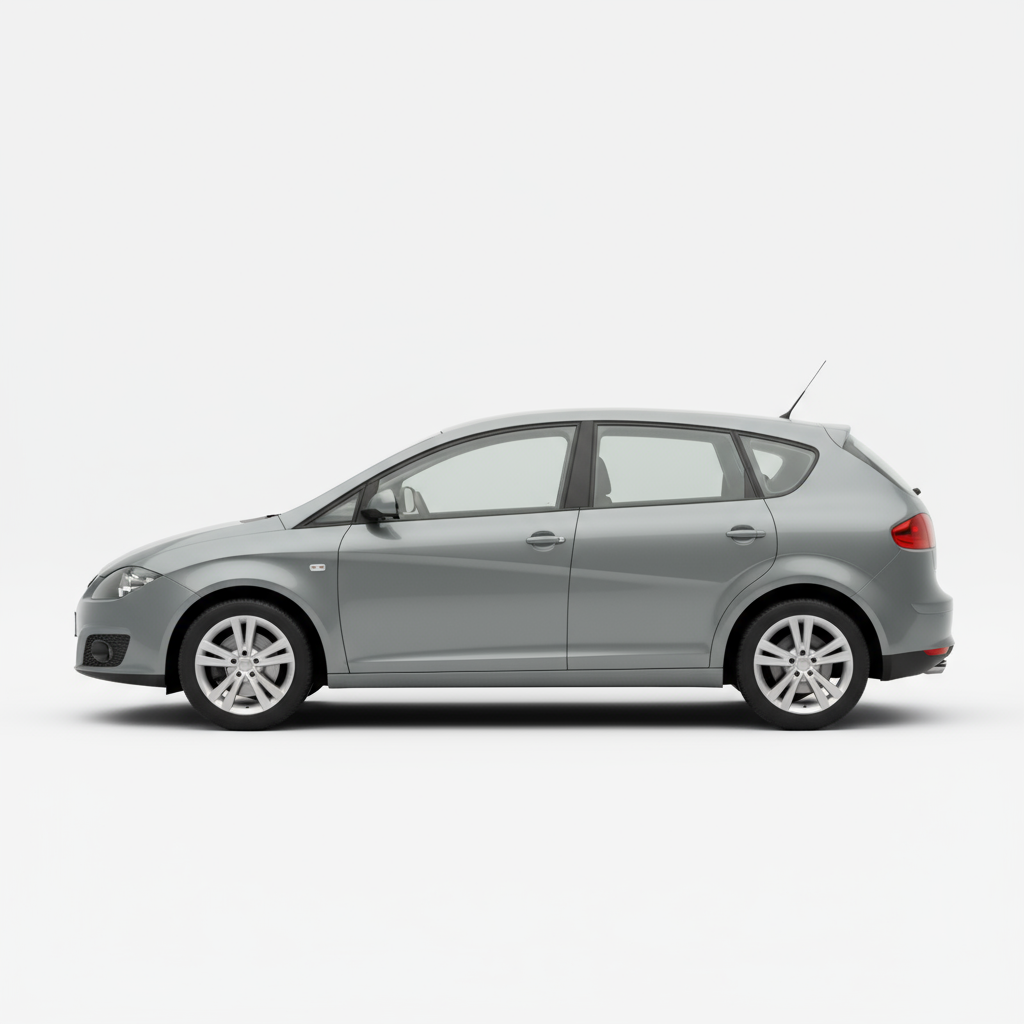
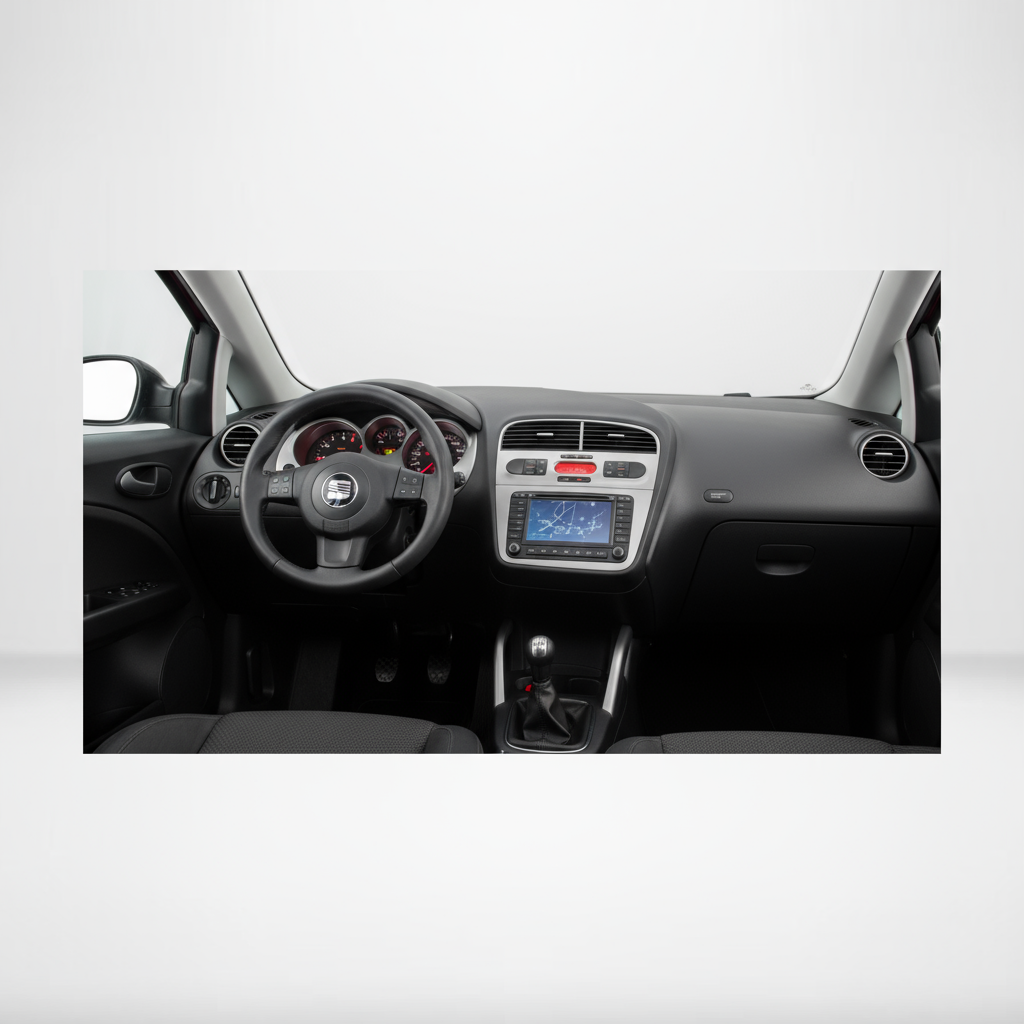
Especificaciones y análisis del SEAT Altea
Power
105HP
Torque
250Nm
Consumption
5.4l/100
Emissions
-g/km
0-100 km/h
12.3s
Top Speed
183km/h
Weight
1405kg
Price
20,613€
Technical summary
Gasóleo
Manual 5v
FWD
5 / 5 doors
409 L
55 L
77 kW
Current
Technical specifications
Engine
Capacities
Detailed analysis of the SEAT Altea 1.9 TDI 105 CV Sport-up (2004-2005)
General description
The 2004 SEAT Altea 1.9 TDI 105 CV Sport-up is a compact minivan that burst onto the market with the promise of combining family functionality with a touch of Spanish dynamism. Priced at €20,613, it positioned itself as an attractive option for those seeking space and efficiency without sacrificing a sportier aesthetic. This model, with its 105 hp diesel engine, offered an interesting balance between performance and consumption, becoming a solid proposition within its segment.
Driving experience
Behind the wheel of the Altea 1.9 TDI 105 CV Sport-up, the feeling is one of control and stability. The diesel engine, while not an abundance of power, delivers its 105 hp linearly and with a torque of 250 Nm at 1900 rpm, allowing for good response in most situations. The 0 to 100 km/h acceleration in 12.3 seconds is not dazzling, but sufficient for daily use. The top speed of 183 km/h is adequate for long journeys. The McPherson front suspension and deformable rear parallelogram, along with 225/45 R17 tires, contribute to agile handling and good road grip, instilling confidence in the driver. The electric power steering is precise, and the overall feel of the car is robust and predictable.
Design and aesthetics
The design of the 2004 SEAT Altea was a statement of intent. With its 4280 mm length, 1768 mm width, and 1568 mm height, it broke away from the traditional minivan image, opting for more dynamic lines and an appearance closer to that of a sporty touring car. The Sport-up version accentuated this sportiness with specific details. Its distinctive front, with swept-back headlights and SEAT's characteristic grille, gave it a strong personality. The silhouette, with a slightly sloping roofline and a compact rear, gave it a modern and athletic image for its time. The interior, with capacity for 5 occupants and a 409-liter trunk, was functional and well-resolved, though without great aesthetic flourishes, prioritizing ergonomics and habitability.
Technology and features
In terms of technology, the 2004 SEAT Altea 1.9 TDI 105 CV Sport-up incorporated practical and efficient solutions for its time. The 1.9 TDI engine, a Volkswagen classic, stood out for its direct injection via unit injector, variable geometry turbo, and intercooler – technologies that optimized performance and diesel consumption, which stood at 5.4 l/100km in the NEDC combined cycle. The 5-speed manual transmission was precise and well-geared. Electric power steering contributed to a more comfortable and efficient driving experience. Although it did not have the latest innovations in connectivity or driving assistants that we see today, it offered what was necessary for a safe and pleasant driving experience, with ventilated front disc brakes and rear discs that guaranteed good stopping power.
Competition
In the competitive compact minivan segment of 2004, the SEAT Altea 1.9 TDI 105 CV Sport-up faced tough rivals. Models like the Renault Scénic, the Citroën C4 Picasso (although this arrived a little later), the Opel Zafira, or the Ford C-Max were its main competitors. The Altea differentiated itself by its sportier design approach and dynamic behavior, seeking to attract those who wanted a family car but with a more passionate touch. Its TDI engine, known for its reliability and efficiency, was also a strong point compared to some alternatives from the competition.
Conclusion
The 2004 SEAT Altea 1.9 TDI 105 CV Sport-up was a car that managed to combine the versatility of a minivan with a bolder design and dynamic behavior that set it apart. Its diesel engine offered a very good balance between performance and contained consumption, ideal for daily use and family trips. Although its technology was not the most cutting-edge, it more than met the expectations of the time. It was an honest and well-executed proposal from SEAT, aiming for an audience that valued both functionality and a certain driving emotion. A car that, while not perfect, left a significant mark on its segment.