


Especificaciones y análisis del SEAT Altea
Power
102HP
Torque
148Nm
Consumption
7.6l/100
Emissions
-g/km
0-100 km/h
12.8s
Top Speed
181km/h
Weight
1320kg
Price
20,063€
Technical summary
Gasolina
Manual 5v
FWD
5 / 5 doors
409 L
55 L
75 kW
Current
Technical specifications
Engine
Capacities
Detailed analysis of the SEAT Altea 1.6 102 CV Sport-up (2004-2005)
General description
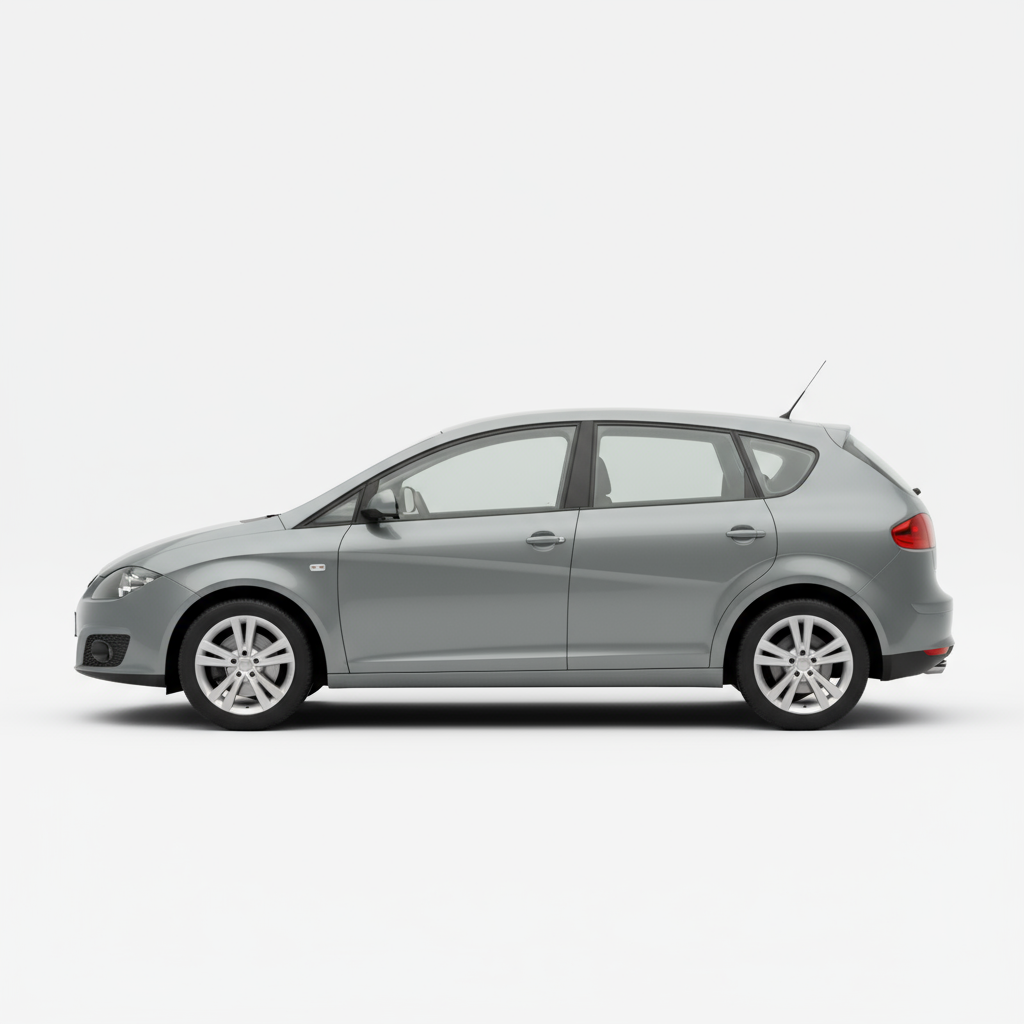
The 2004 SEAT Altea 1.6 102 CV Sport-up is a compact minivan that burst onto the market with the promise of combining family functionality with a touch of sportiness. With its 1.6-liter, 102 hp gasoline engine, it offered a balanced option for those looking for a versatile vehicle with the distinctive character of the Spanish brand. Its groundbreaking design for the time, and its focus on driving dynamics, differentiated it from its competitors, seeking to conquer an audience that did not want to give up the pleasure of driving despite the need for space.
Driving experience
Behind the wheel of the Altea 1.6 102 CV Sport-up, the sensation is that of an agile and predictable car. The electric power steering offers precise response, inviting you to enjoy every curve. Although its 102 hp does not make it a race car, the 1.6-liter gasoline engine proves willing, especially in the mid-range of revolutions, allowing for fluid city driving and enough to tackle road trips with solvency. The suspension, McPherson type at the front and deformable parallelogram at the rear, is well balanced to offer comfort without sacrificing stability, absorbing road irregularities with composure. The 5-speed manual gearbox is smooth and precise, contributing to a pleasant and connected driving experience. It is a car that transmits confidence and, despite its family configuration, does not give up a certain dynamism.
Design and aesthetics
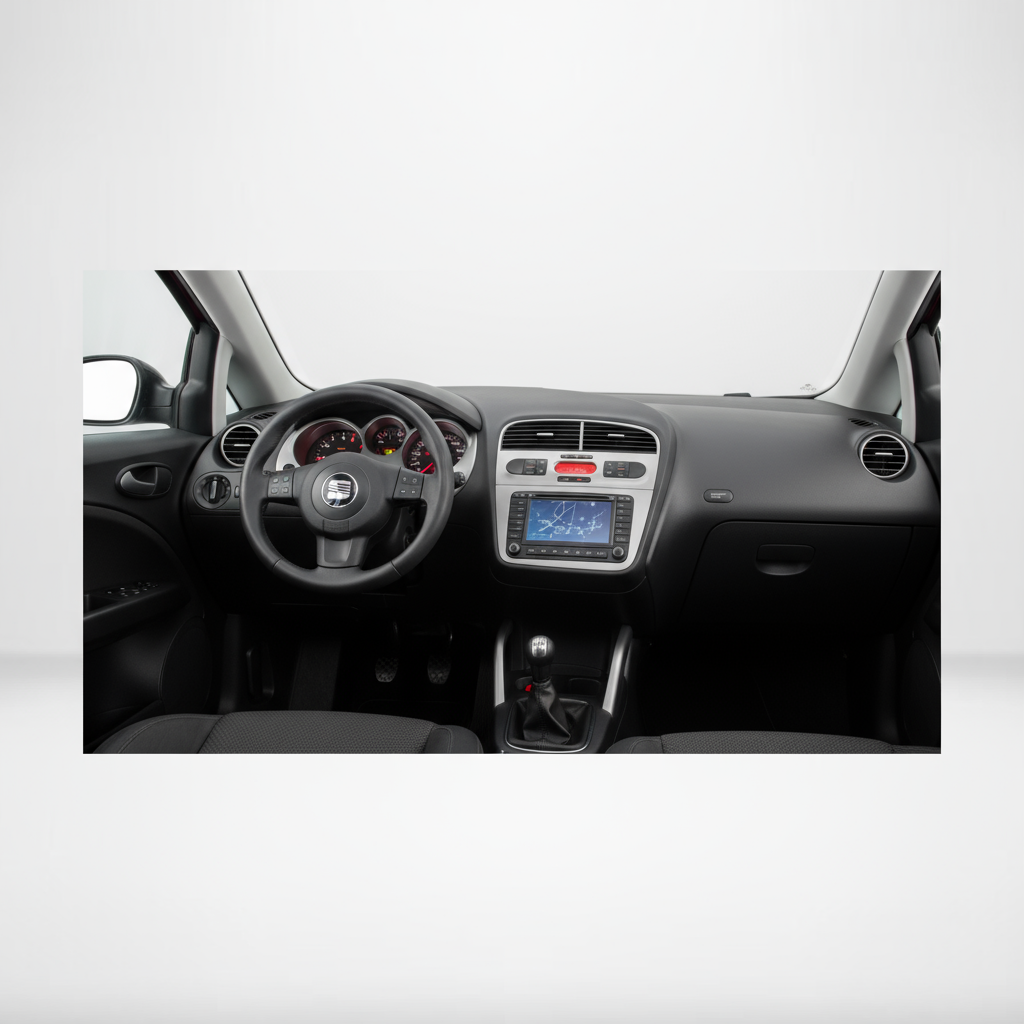
The design of the SEAT Altea was, without a doubt, one of its strongest and most distinctive points. With its 4280 mm long, 1768 mm wide and 1568 mm high, it presented proportions that broke with the traditional canons of minivans. Its fluid and sporty lines, with the characteristic 'Dynamic Line' on the sides, gave it a unique personality. The sharp headlights and the front grille gave it a modern and aggressive look, while the rear, with its integrated taillights, maintained aesthetic coherence. The 17-inch wheels with 225/45 R17 tires, typical of the Sport-up version, enhanced its athletic image. Inside, the design was functional and ergonomic, with a well-organized dashboard and quality materials that conveyed a sense of solidity. The comfortable and supportive seats invited long journeys, and the interior space, with 5 doors and 5 seats, offered good habitability for the whole family, complemented by a 409-liter trunk.
Technology and features
In 2004, the SEAT Altea 1.6 102 CV Sport-up incorporated solid and functional technology for its segment. Its 1.6-liter gasoline engine with indirect injection and 102 hp at 5600 rpm, together with a torque of 148 Nm at 3800 rpm, offered adequate performance for daily use. The 5-speed manual transmission, combined with front-wheel drive, ensured efficient driving. In terms of safety, it had ventilated front disc brakes and rear discs, providing effective braking capability. Electric power steering contributed to greater comfort and precision in driving. Although it did not stand out for revolutionary innovations, the Altea offered a well-resolved and reliable technological package for its time, focused on functionality and user experience.
Competition
In the competitive compact minivan segment, the SEAT Altea 1.6 102 CV Sport-up faced tough rivals. Models such as the Renault Scénic, the Citroën C4 Picasso or the Ford C-MAX offered alternatives with different approaches in terms of design, space and equipment. The Scénic stood out for its modularity and comfort, while the C4 Picasso opted for a more avant-garde design and a bright interior. The Ford C-MAX, for its part, was positioned as an option with driving dynamics closer to that of the Altea. Each of these competitors had their own strengths, but the Altea differentiated itself by its sportier aesthetic and its focus on a more dynamic driving experience, seeking to attract those who did not want to sacrifice driving pleasure for the practicality of a minivan.
Conclusion
The 2004 SEAT Altea 1.6 102 CV Sport-up was a vehicle that successfully combined the versatility of a minivan with an attractive design and a rewarding driving dynamic. Its gasoline engine, although not the most powerful, offered sufficient performance for daily use and family getaways. Its sporty aesthetic and functional interior made it an interesting option for those looking for a practical car with character. Despite strong competition, the Altea managed to carve out a niche in the market, leaving its mark as a different minivan, with the soul of a SEAT. It is a car that, even today, can offer a pleasant driving experience and a good level of comfort for its occupants, maintaining a balance between functionality and emotion.