
Especificaciones y análisis del Saab 9-5
Power
200HP
Torque
310Nm
Consumption
11.4l/100
Emissions
-g/km
0-100 km/h
9.4s
Top Speed
230km/h
Weight
1650kg
Price
41,091€
Technical summary
Gasolina
Automático 4v
FWD
5 / 5 doors
416 L
75 L
147 kW
Current
Technical specifications
Engine
Capacities
Detailed analysis of the Saab 9-5 SE 3.0t SW · 200 CV (2000-2001)
General description
The Saab 9-5 wagon 3 Gasoline 200 HP, with its 3.0-liter engine and 4-speed automatic transmission, is a vehicle that embodies the essence of the Swedish brand. Launched in 2000, this model is positioned as a distinctive option for those seeking a combination of comfort, safety, and a touch of exclusivity in the wagon segment.
Driving experience
Behind the wheel of the Saab 9-5, the feeling is one of solidity and poise. The 200 HP engine, while not a pure sports car, offers a powerful and smooth response, ideal for long journeys. The 4-speed automatic transmission, while not the most modern, performs its function with fluid transitions. The suspension, McPherson type on the front axle, filters road irregularities well, providing a comfortable ride. The steering, although not the most communicative, conveys confidence. Overall, it is a car that invites you to devour kilometers with peace of mind and a sense of control.
Design and aesthetics
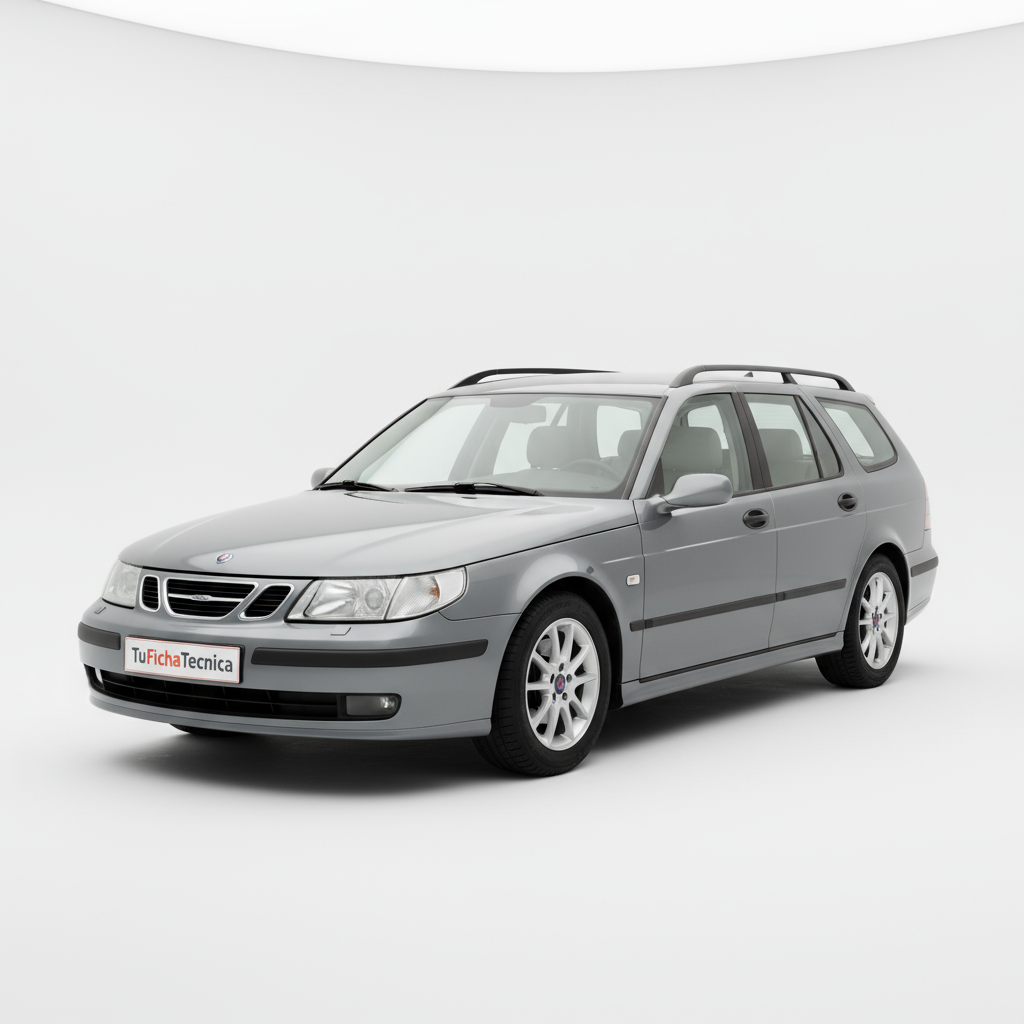
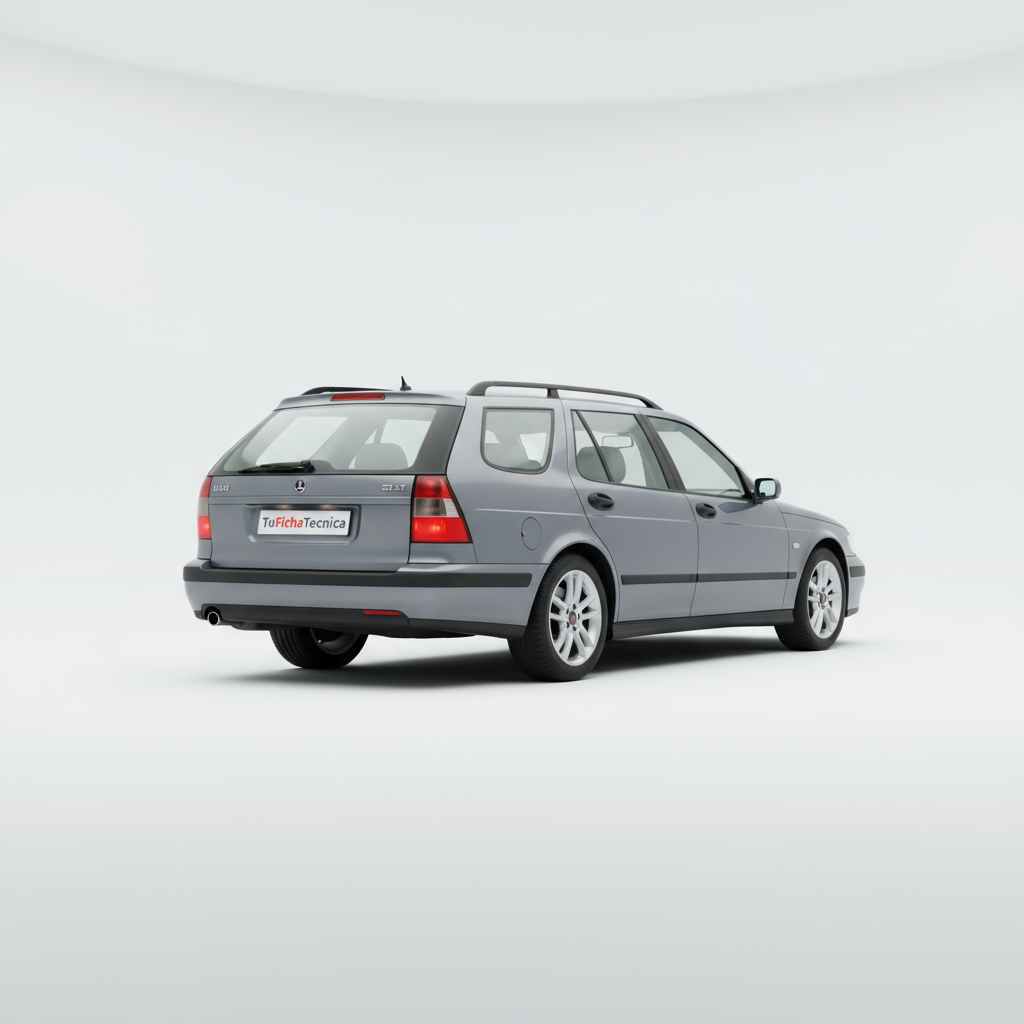
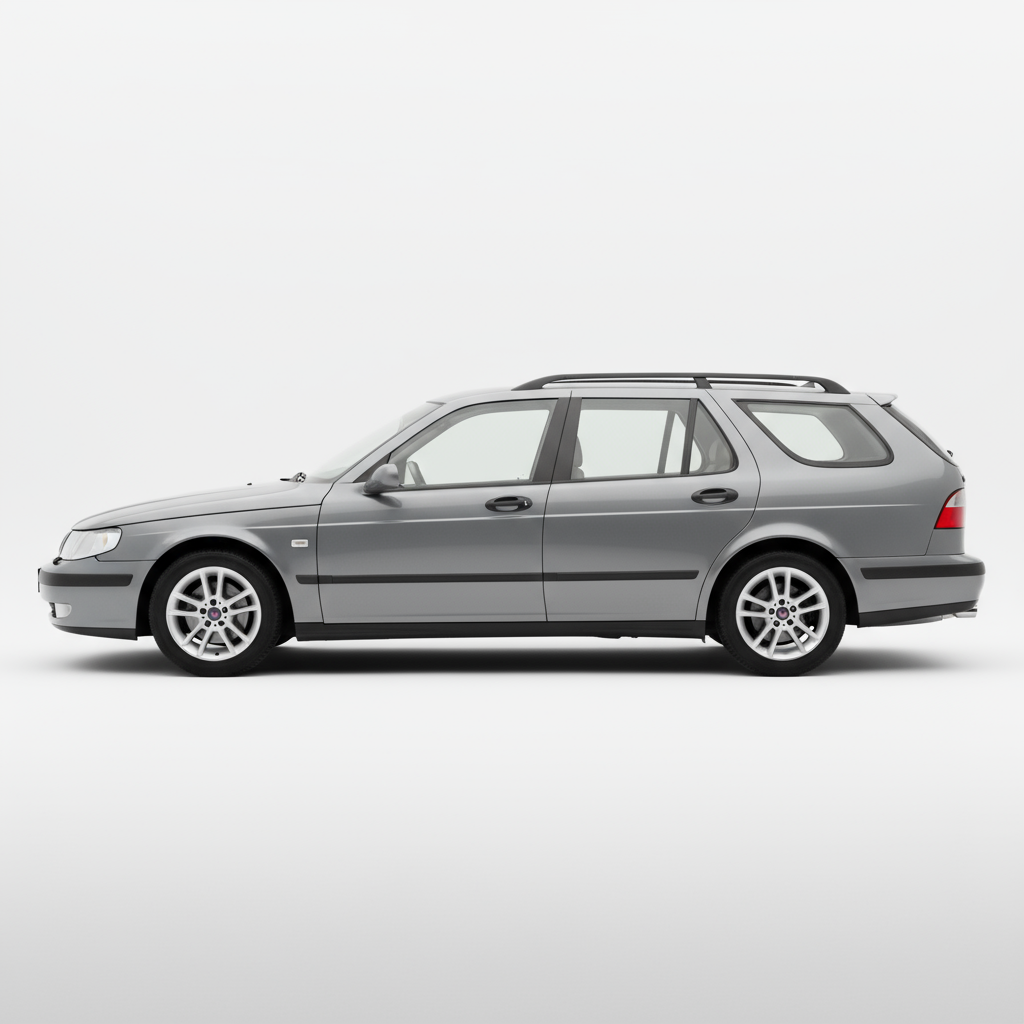
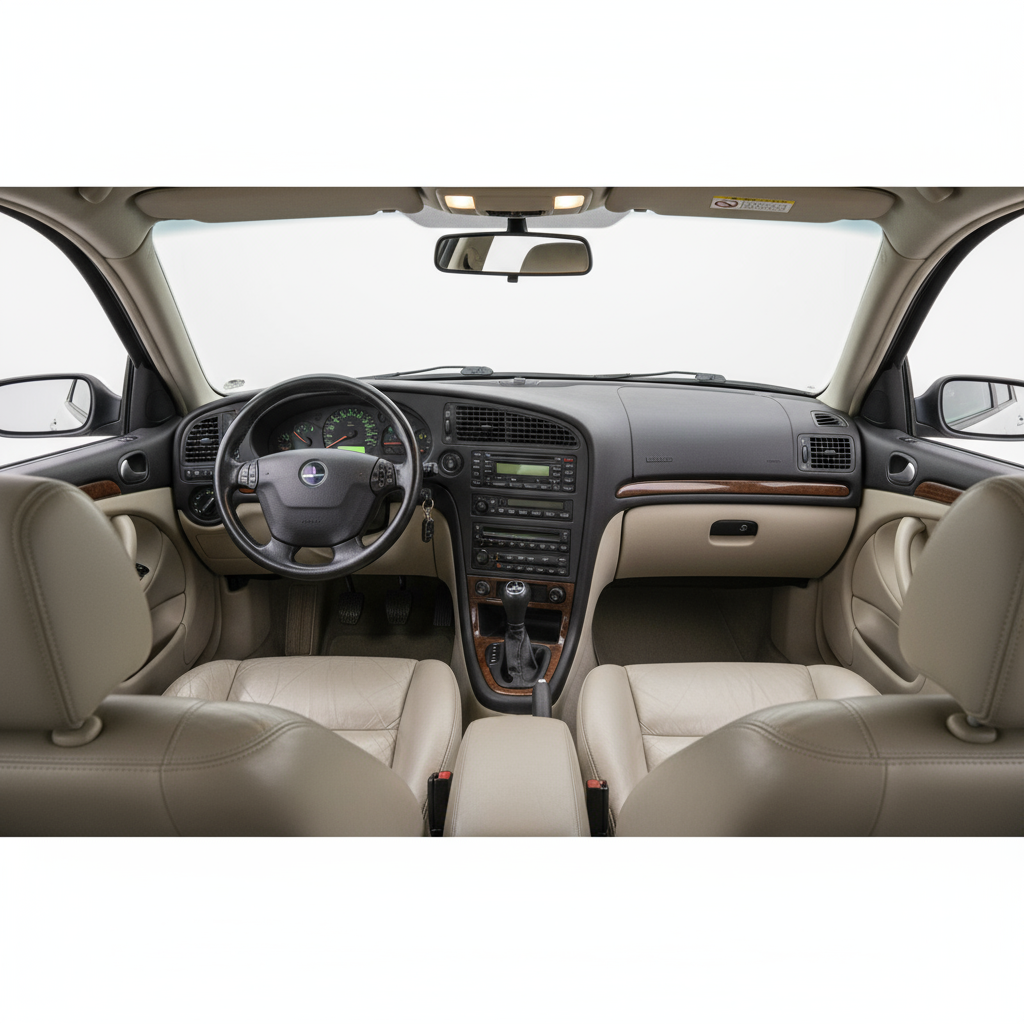
The design of the Saab 9-5 wagon is unmistakably Saab. Its lines are elegant and functional, with a silhouette that prioritizes interior space and aerodynamics. The front, with its characteristic headlights and distinctive grille, gives it a unique personality. The rear, with its wide tailgate, emphasizes its family character. Inside, ergonomics are key, with a driver-oriented dashboard and good quality materials that convey a sense of durability and good taste. It is a design that, despite the years, maintains its appeal and its own identity.
Technology and features
In 2000, the Saab 9-5 incorporated advanced technology for its time. Its 3.0-liter engine with indirect injection, turbo, and intercooler is an example of Swedish engineering. The 4-speed automatic transmission, although it may seem limited today, was a standard of comfort. In terms of safety, it had ventilated disc brakes on the front axle and discs on the rear, as well as stabilizers on both axles. Although it lacks modern driving aids, its focus on passive safety and structural robustness were strong points. The clear and functional instrumentation complements a driver-centric driving experience.
Competition
In its segment, the Saab 9-5 wagon competed with models such as the Volvo V70, the Audi A6 Avant, and the Mercedes-Benz E-Class Estate. Compared to them, the Saab offered an alternative with a more individualistic approach, standing out for its distinctive design, its emphasis on safety, and its turbo engine. While its German rivals could offer greater refinement or a more consolidated brand image, the Saab was aimed at an audience that valued originality and a different driving experience.
Conclusion
The Saab 9-5 wagon 3 Gasoline 200 HP is a car with character, offering a comfortable and safe driving experience. Its timeless design and its focus on functionality make it an interesting option for those looking for a wagon with personality. Although its combined consumption of 11.4 l/100km may be high by current standards, its powerful engine and spaciousness compensate for it. It is a car that, despite the years, continues to convey a sense of quality and robustness, a true modern classic for lovers of the Swedish brand.