
Especificaciones y análisis del Saab 9-5
Power
200HP
Torque
310Nm
Consumption
11.4l/100
Emissions
-g/km
0-100 km/h
9.4s
Top Speed
230km/h
Weight
1650kg
Price
45,298€
Technical summary
Gasolina
Automático 4v
FWD
5 / 5 doors
416 L
75 L
147 kW
Current
Technical specifications
Engine
Capacities
Detailed analysis of the Saab 9-5 Griffin 3.0t SW · 200 CV (2000-2001)
General description
The 2000 Saab 9-5 Griffin 3.0t SW is a family sedan that embodies the essence of the Swedish brand: safety, comfort, and a touch of distinction. With its 200 hp gasoline engine and automatic transmission, it promised pleasant journeys and adequate performance for its time. It was a car designed for those who valued functionality without sacrificing a refined driving experience.
Driving experience
Behind the wheel of the Saab 9-5 Griffin, the feeling of solidity and safety is palpable. The 3.0-liter V6 turbo engine delivers its power smoothly but forcefully, allowing for respectable acceleration for a wagon of its size. The 4-speed automatic gearbox, although not the fastest, prioritizes comfort. The McPherson strut suspension on the front axle filters out road irregularities well, offering remarkable ride comfort. The steering, while not the most communicative, is precise, and the car feels planted on the road, inviting long, fatigue-free journeys. Fuel consumption, however, is high, especially in the city, reminding us that we are dealing with an engine from another era.
Design and aesthetics
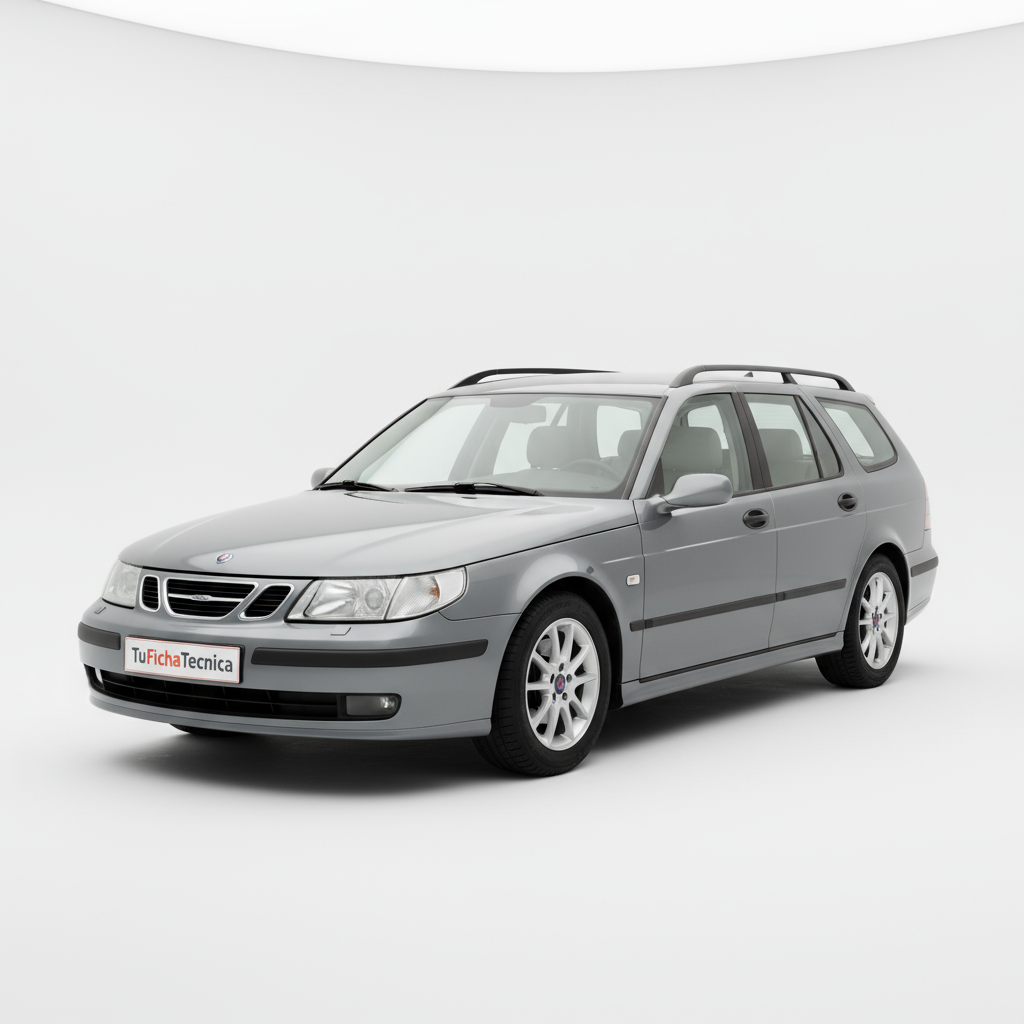
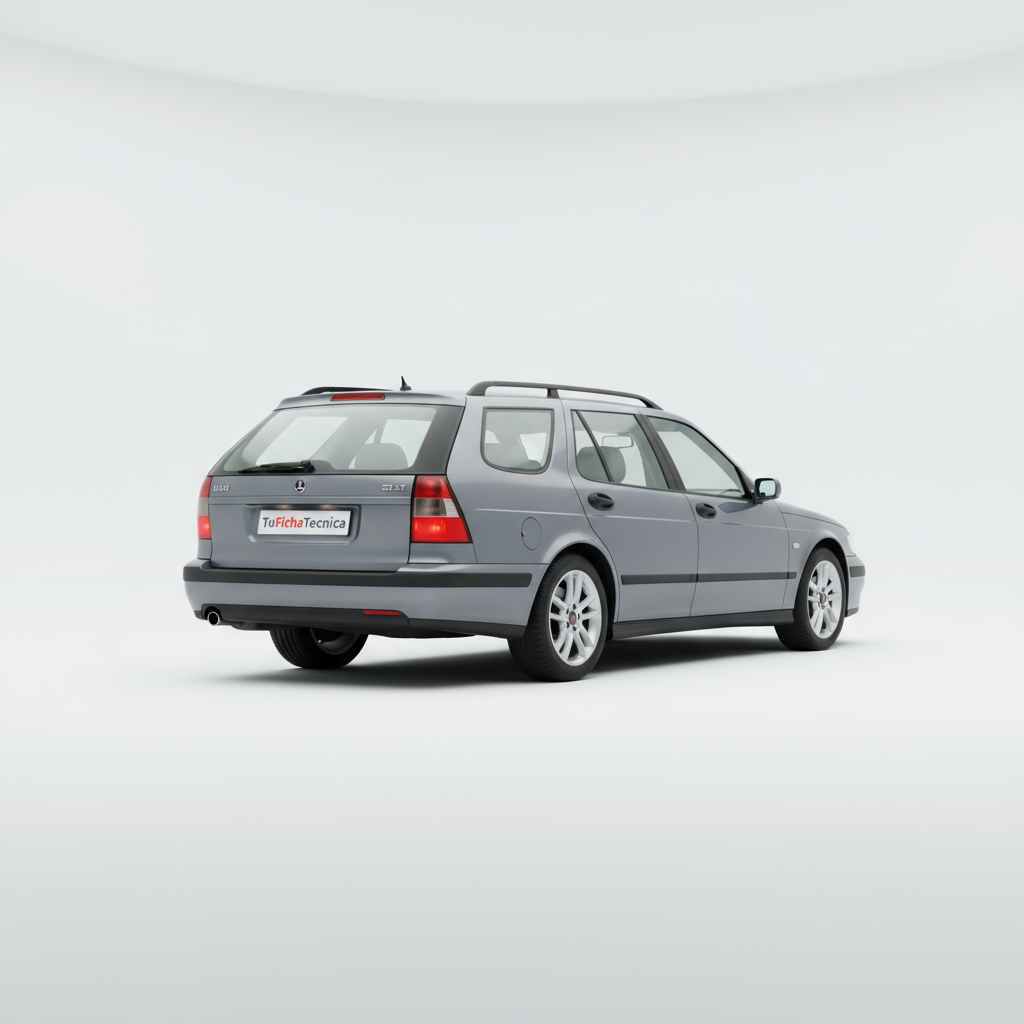
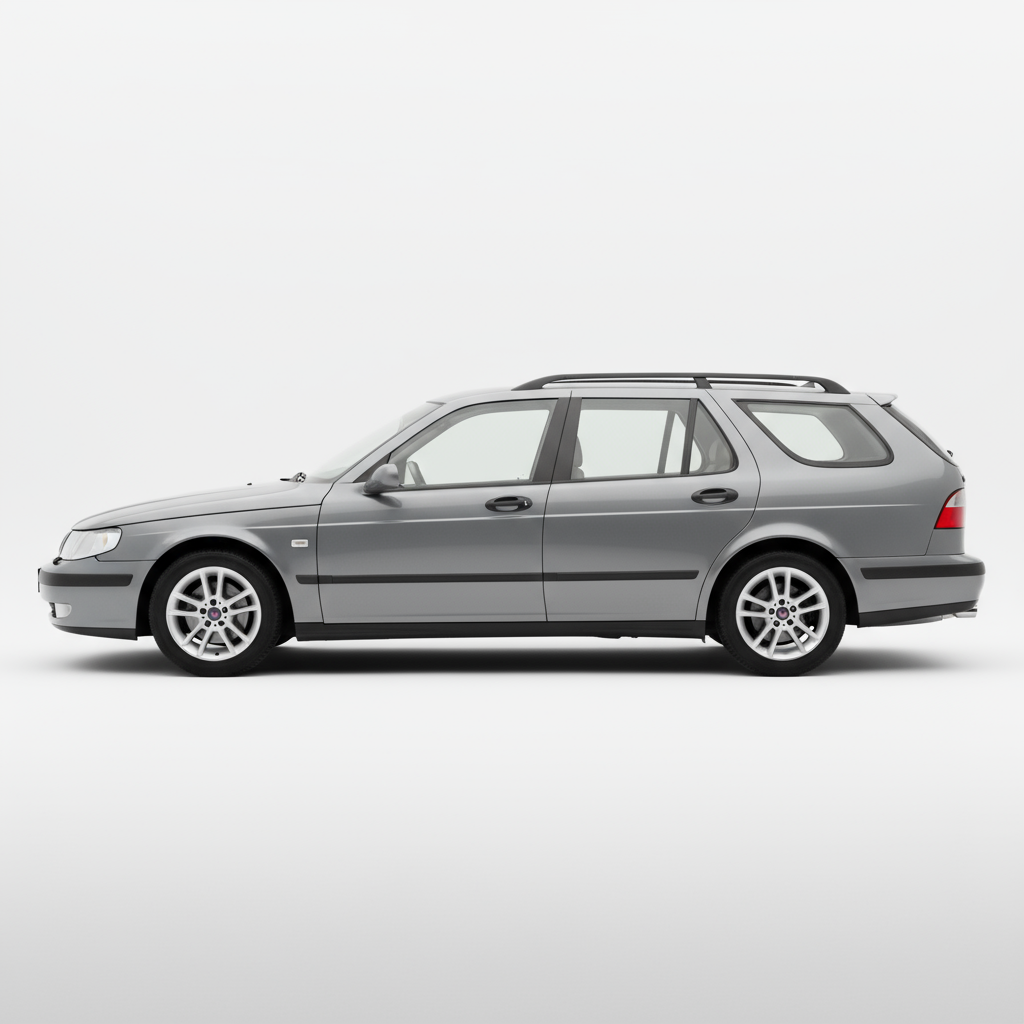
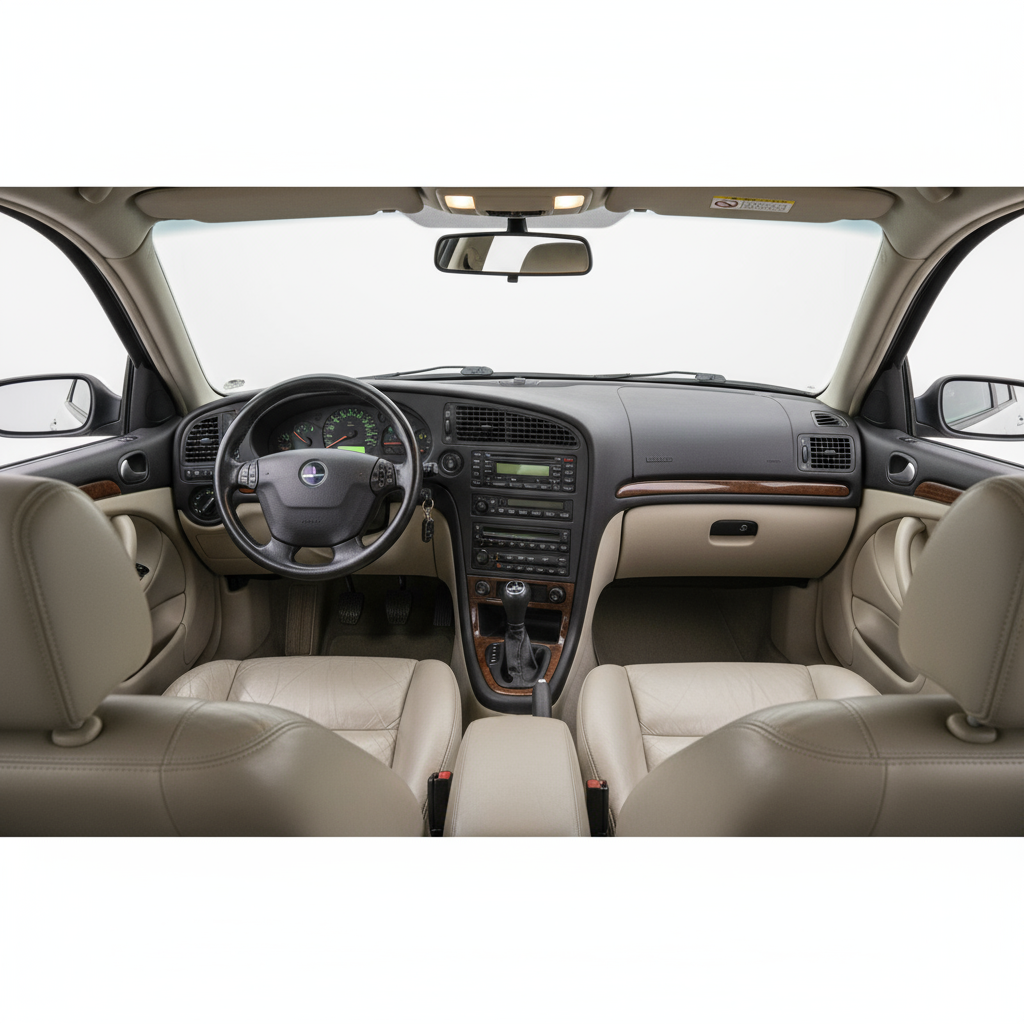
The design of the Saab 9-5 SW is timeless and functional. Its lines are elegant and discreet, with a silhouette that emphasizes its family character. The front, with the characteristic Saab grille and elongated headlights, gives it an unmistakable personality. The rear, with a wide tailgate and well-integrated lights, highlights its cargo capacity. Inside, ergonomics are key, with a driver-oriented dashboard and good quality materials that convey a sense of robustness and durability. Space is generous for both occupants and luggage, with a 416-liter trunk that adapts to the needs of a family.
Technology and features
In 2000, the Saab 9-5 Griffin incorporated advanced technology for its segment. Its 3.0-liter V6 engine with turbo and intercooler was an example of engineering, offering a good combination of power and smoothness. Indirect injection and an aluminum cylinder head were notable features. As for the transmission, the 4-speed automatic gearbox was standard in cars of its category. Although it lacked modern systems like Stop&Start or current connectivity, Saab always cared about safety, incorporating elements such as ventilated front disc brakes and rear discs, and a well-calibrated suspension for predictable handling.
Competition
At the time, the Saab 9-5 Griffin 3.0t SW competed in the premium family sedan segment with models such as the Volvo V70, Audi A6 Avant, BMW 5 Series Touring, and Mercedes-Benz E-Class Estate. Compared to them, the Saab offered an alternative with a more individualistic approach, standing out for its comfort, safety, and a less ostentatious but equally distinguished design. Its turbocharged gasoline engine gave it a particular character compared to the diesel or naturally aspirated engines of its rivals.
Conclusion
The 2000 Saab 9-5 Griffin 3.0t SW is a car that, despite the passage of time, still retains its charm. It is an ideal vehicle for those looking for a spacious, comfortable, and safe family car, with a touch of exclusivity and robust mechanics. Its high fuel consumption is the main point to consider today, but for brand enthusiasts and those who enjoy relaxed driving, it remains a very interesting option in the used car market. It represents a golden age for Saab, where engineering and design came together to create cars with soul.