
Especificaciones y análisis del Saab 9-5
Power
170HP
Torque
280Nm
Consumption
10.4l/100
Emissions
-g/km
0-100 km/h
10.5s
Top Speed
215km/h
Weight
1510kg
Price
38,114€
Technical summary
Gasolina
Automático 4v
FWD
5 / 5 doors
416 L
75 L
125 kW
Current
Technical specifications
Engine
Capacities
Detailed analysis of the Saab 9-5 SE 2.3t SW Aut. · 170 CV (2000)
General description
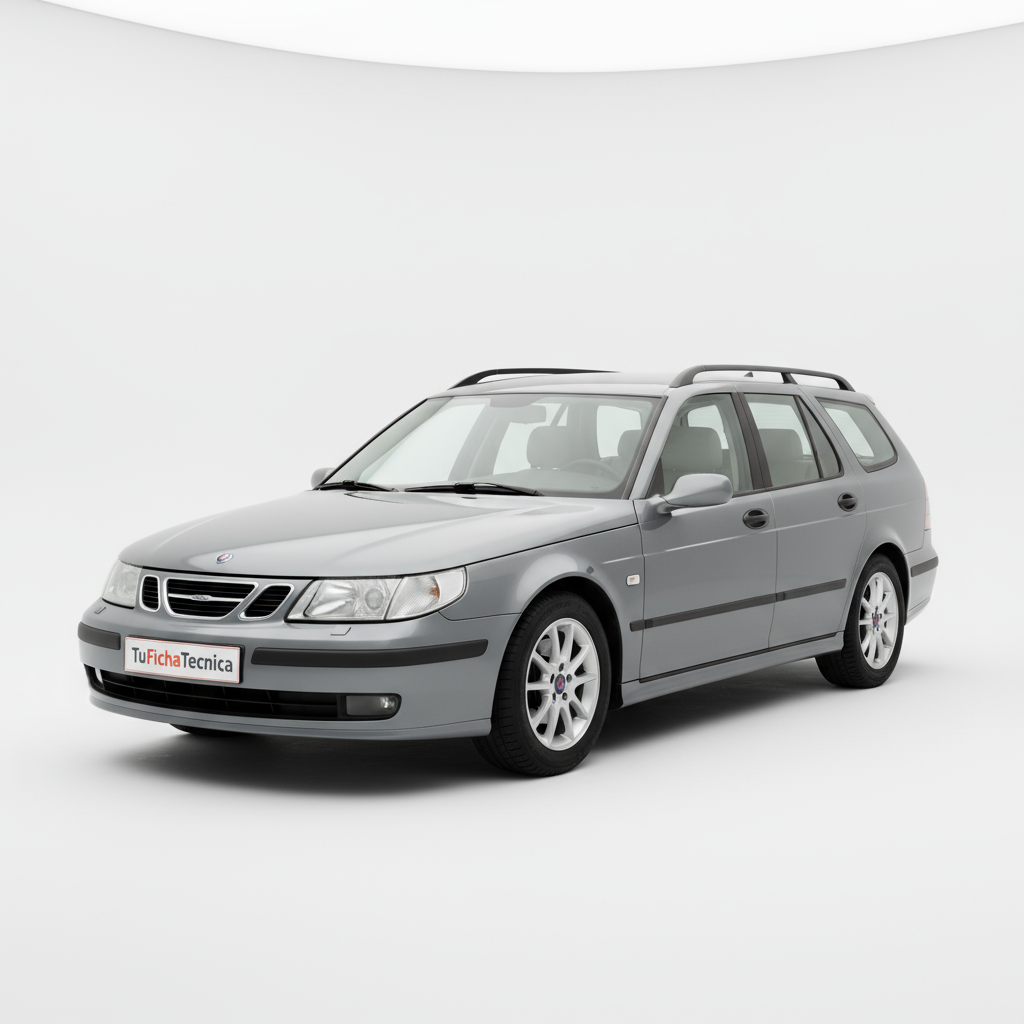
The 2000 Saab 9-5 wagon, in its SE 2.3t SW Aut. version, is a vehicle that evokes a golden age of Swedish engineering. With its 170 hp gasoline engine and 4-speed automatic transmission, this wagon not only promised space and comfort, but also a touch of distinction and safety that few rivals could match. Its launch price of €38,114 positioned it in a premium segment, offering a different alternative to German family sedans.
Driving experience
Behind the wheel of the Saab 9-5, the feeling is one of solidity and poise. The 2.3t engine, with its 170 hp and 280 Nm of torque available from 1800 rpm, offers a powerful and progressive response, ideal for long journeys and safe overtakes. The 4-speed automatic transmission, although not the fastest, contributes to a smooth and relaxed drive. The front McPherson suspension and the rear, although not specified in detail, along with the stabilizer bars, provide a good balance between comfort and stability. A top speed of 215 km/h and acceleration from 0 to 100 km/h in 10.5 seconds show that, despite its size, the 9-5 is not lacking in verve. The combined consumption of 10.4 l/100km is reasonable for a car of its era and characteristics.
Design and aesthetics
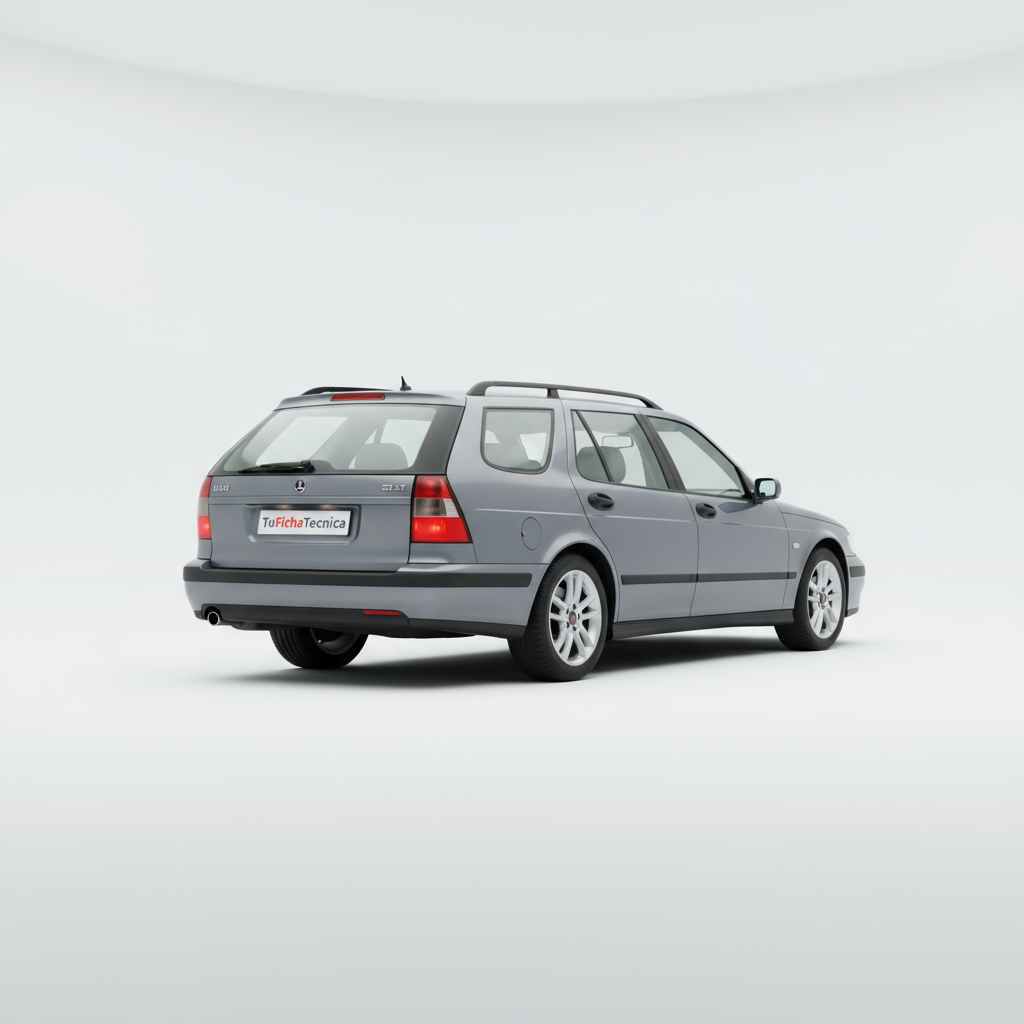
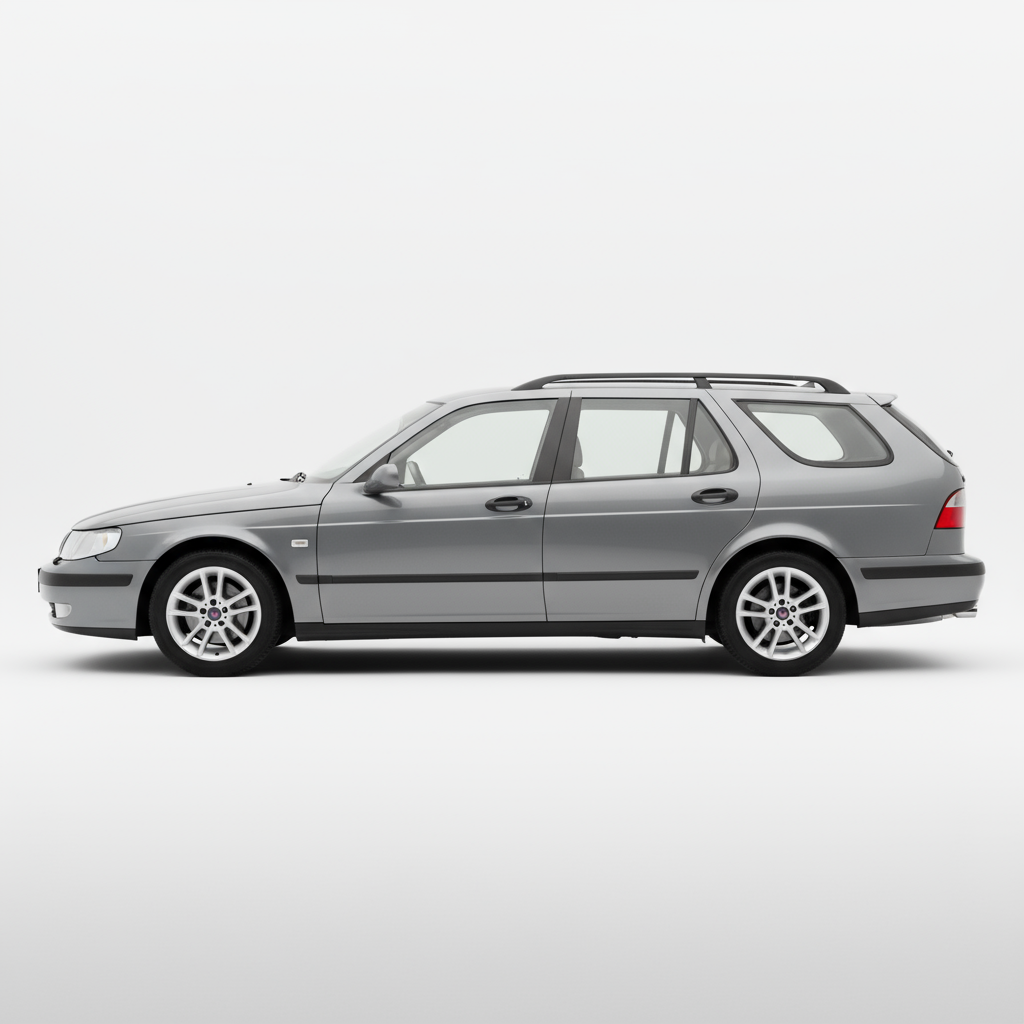
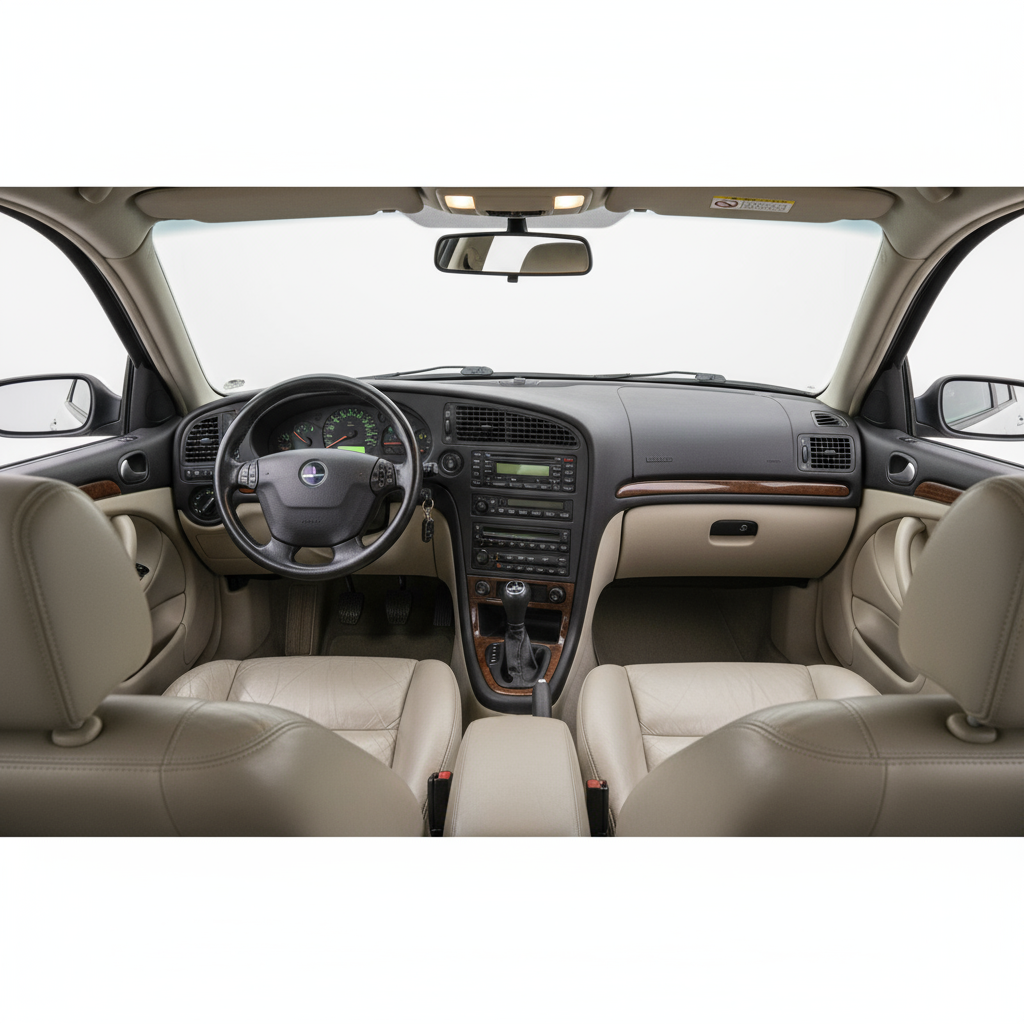
The design of the Saab 9-5 wagon is unmistakably Swedish, with clean and functional lines that prioritize aerodynamics and habitability. Its bodywork, 4808 mm long, 1792 mm wide, and 1497 mm high, along with a wheelbase of 2705 mm, give it an imposing and elegant presence. The 5 doors and 5 seats, along with a 416-liter trunk, make it a practical car for the family. The 215/55 R16 tires on 6.5 x 16-inch wheels complement its robust and safe aesthetic. The interior design, although not detailed, was characterized by ergonomics and quality materials, with a focus on occupant safety and comfort.
Technology and features
In 2000, the Saab 9-5 incorporated advanced technology for its time. The 2.3-liter gasoline engine with indirect injection, turbo, and intercooler was an example of efficient engineering. The 4-speed automatic transmission, although it may seem limited today, offered a comfortable driving experience. In terms of safety, Saab was always a pioneer, and the 9-5 was no exception, with ventilated disc braking systems on the front axle and disc on the rear, and power steering that facilitated maneuvers. Although active and passive safety systems are not specified, it is expected to have included airbags and ABS, elements already common in vehicles of its category.
Competition
In its segment, the Saab 9-5 wagon competed with models such as the Volvo V70, Audi A6 Avant, BMW 5 Series Touring, and Mercedes-Benz E-Class Estate. Compared to them, the Saab offered an alternative with a more individualistic approach, standing out for its safety, distinctive design, and turbocharged engine. While German rivals focused on sportiness or more traditional luxury, the Saab appealed to an audience that valued innovation, functionality, and a certain Scandinavian eccentricity.
Conclusion
The 2000 Saab 9-5 wagon is a car that, despite its age, still retains a special charm. It is a testament to Saab's philosophy: safe, innovative vehicles with their own character. Its combination of a powerful and efficient engine, a practical and elegant design, and remarkable ride comfort make it an interesting option for those looking for a modern classic with a different touch. Although its fuel consumption is not the lowest and its 4-speed automatic transmission may seem outdated, its reliability and the driving experience it offers compensate for these aspects. It is a car to enjoy journeys, with space for the whole family and the safety that always characterized the Swedish brand.