
Especificaciones y análisis del Saab 9-5
Power
220HP
Torque
350Nm
Consumption
8.2l/100
Emissions
189g/km
0-100 km/h
7.9s
Top Speed
240km/h
Weight
1725kg
Price
37,500€
Technical summary
Gasolina o etanol
Manual 6v
FWD
5 / 4 doors
515 L
70 L
162 kW
Current
Technical specifications
Engine
Capacities
Detailed analysis of the Saab 9-5 Sedan Linear 2.0T 220 CV BioPower (2010-2012)
General description
The 2010 Saab 9-5, in its Sedan Linear 2.0T 220 HP BioPower version, represents the last generation of the Swedish sedan, a car that sought to maintain the brand's essence in an increasingly competitive market. With a 220 HP engine capable of running on gasoline or ethanol, this model offered a different proposition and a touch of exclusivity that distinguished it from its rivals. Its price of 37,500 euros in 2011 positioned it in the premium segment, seeking to attract those who valued Saab's originality and distinctive engineering.
Driving experience
Behind the wheel of the Saab 9-5, the sensation is one of solidity and comfort. The 2.0T 220 HP engine, with its transverse front layout and front-wheel drive, offers an energetic response, allowing acceleration from 0 to 100 km/h in 7.9 seconds and a top speed of 240 km/h. The 6-speed manual gearbox contributes to a more connected driving experience. The suspension, with McPherson at the front and deformable parallelogram at the rear, along with anti-roll bars on both axles, provides a balance between comfort and dynamism. However, its weight of 1725 kg and its dimensions (5008 mm long) make it feel more like a highway cruiser than an agile sports car, although its rack-and-pinion steering offers good precision. The combined consumption of 8.2 l/100km, although reasonable for its power, can be a factor to consider.
Design and aesthetics
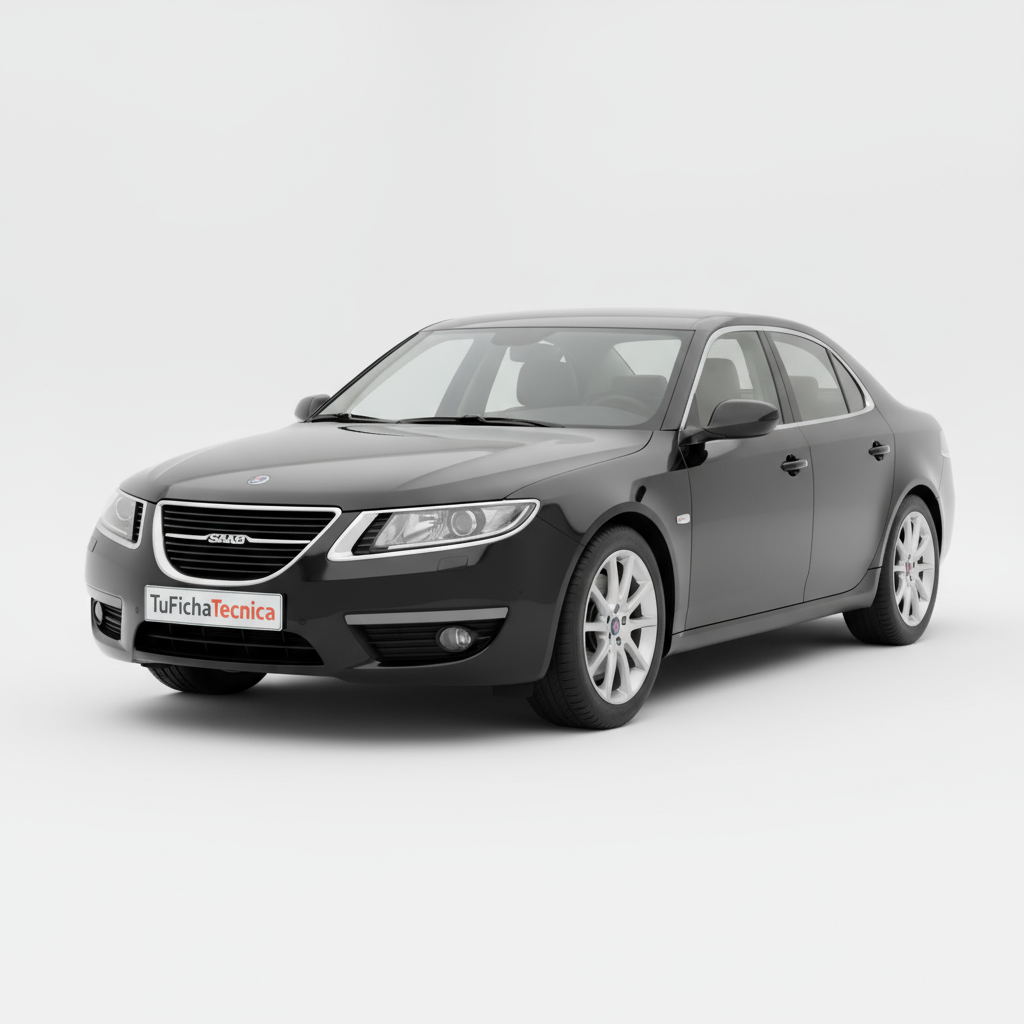
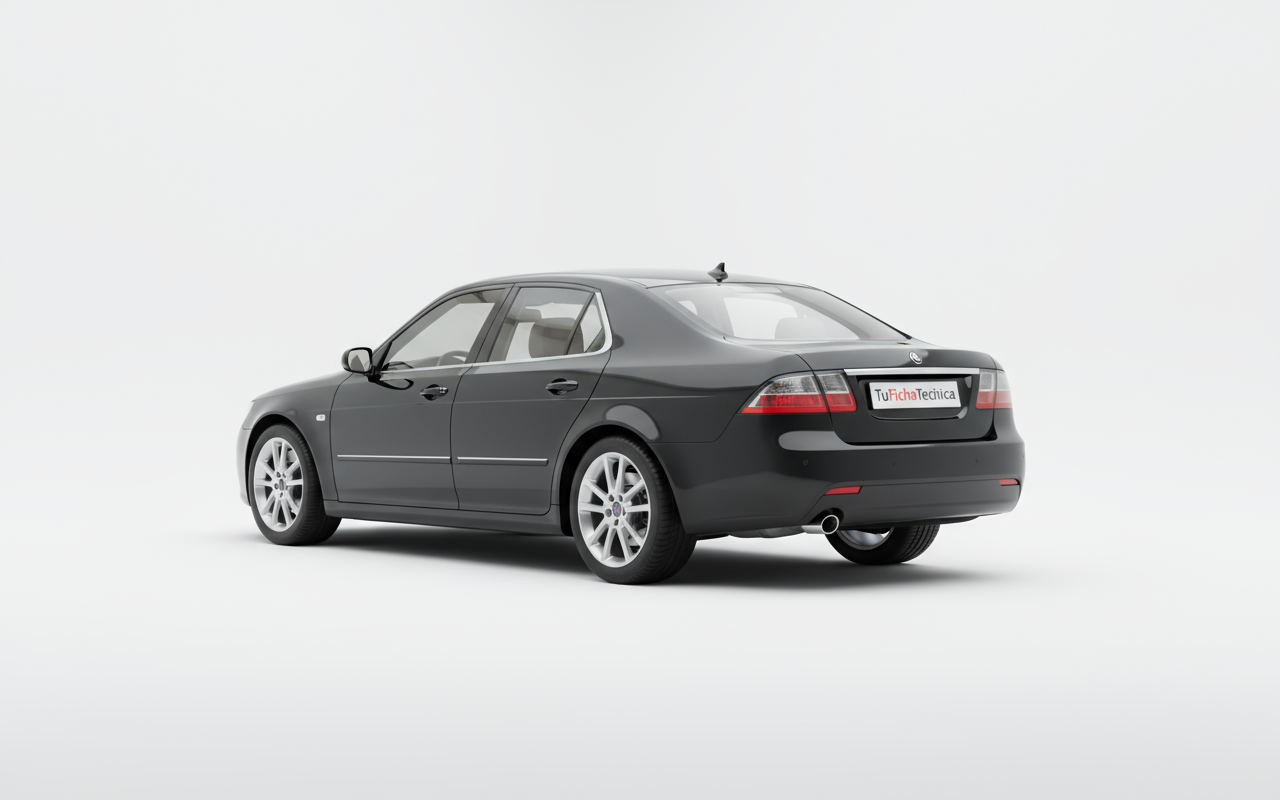
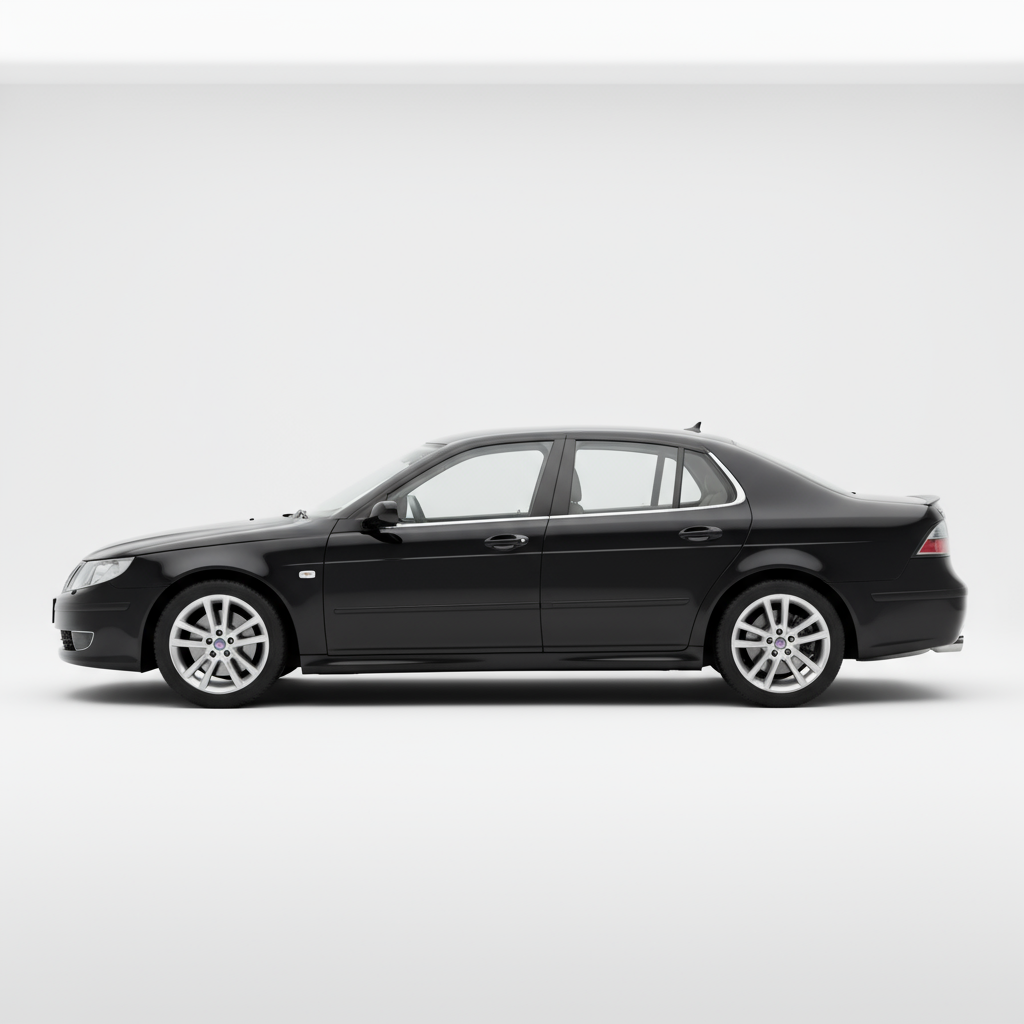
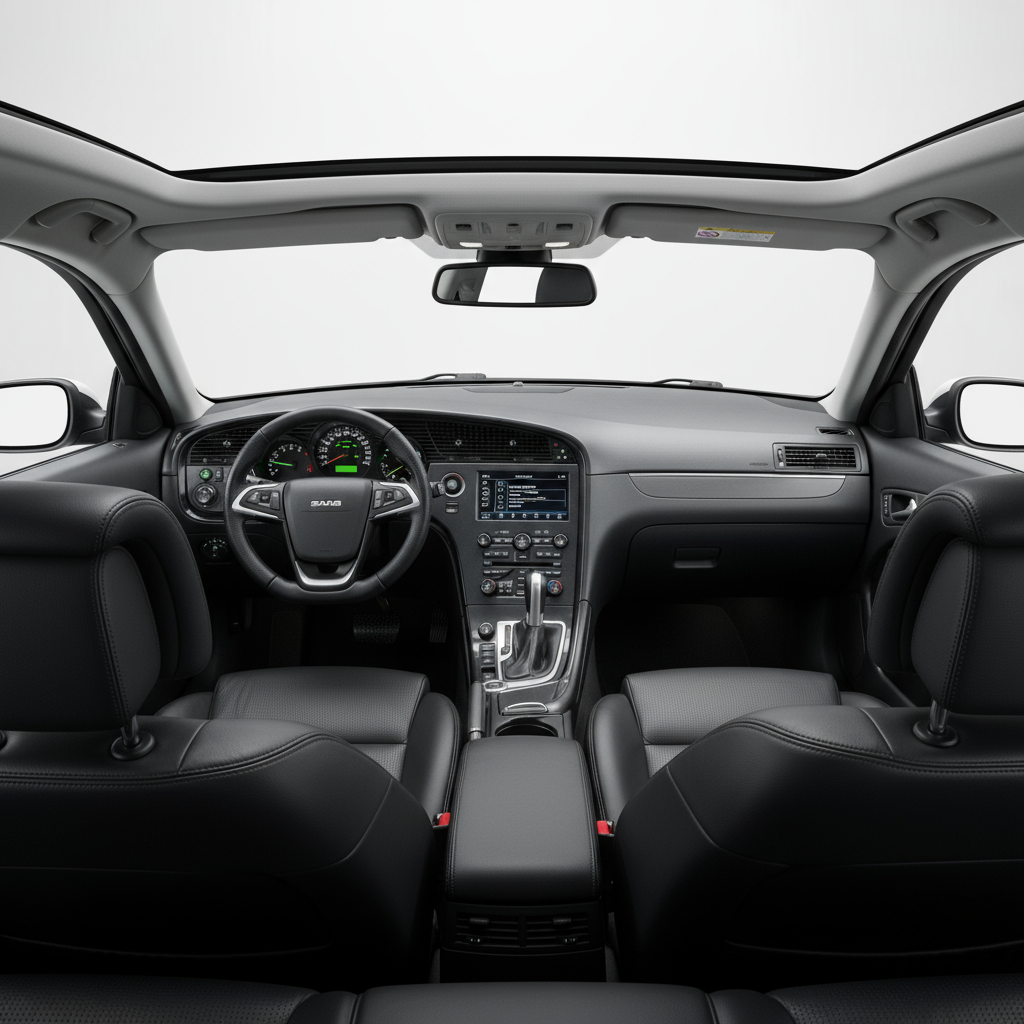
The design of the 2010 Saab 9-5 is an evolution of the brand's classic aesthetic, with more modern and fluid lines, but maintaining distinctive elements. Its 4-door, 5-seater sedan body projects an elegant and robust image. The front, with its characteristic headlights and distinctive grille, gives it a unique personality. The rear, with a gentle roofline, contributes to an aerodynamic silhouette. Inside, the layout of the controls and the quality of the materials seek to create a cozy and functional environment, with a touch of aviation that has always characterized Saab. The 515-liter trunk is spacious and practical for long trips.
Technology and features
In terms of technology, the 2010 Saab 9-5 incorporated interesting solutions for its time. The 2.0T 220 HP engine with direct injection, turbo and intercooler, and the ability to run on BioPower (ethanol), stood out for its efficiency and its commitment to the environment. The 6-speed manual transmission offered precise control. Although it did not have the latest driving aids seen today, its standard equipment included safety and comfort features expected in its segment. The independent suspension on both axles and the ventilated front and solid rear disc brakes ensured good dynamic behavior and effective braking. The 17-inch wheels with 225/55 R17 tires contributed to stability and grip.
Competition
At the time, the Saab 9-5 competed in the premium sedan segment with models such as the Audi A6, the BMW 5 Series, the Mercedes-Benz E-Class, and the Volvo S80. Compared to them, the Saab offered a more distinctive and less conventional alternative, appealing to an audience looking for something different. While its German rivals could offer a more prestigious image or a wider range of engines, the Saab defended itself with its unique personality, its focus on safety, and its driving comfort. The Volvo S80 was perhaps its most direct rival in terms of philosophy and origin, sharing a focus on safety and Scandinavian design.
Conclusion
The 2010 Saab 9-5 was a car with a special charm, a sedan that tried to keep the flame of an iconic brand alive. It offered a balance between performance, comfort, and a distinctive design, with the particularity of its BioPower engine. Although its fuel consumption was not the lowest and its agility was not that of a sports car, its solidity and character made it an interesting option for those looking for something beyond the conventional. Unfortunately, its launch coincided with the brand's last years, making it a desirable object for Saab enthusiasts and a testament to different engineering.