
Especificaciones y análisis del Saab 9-5
Power
179HP
Torque
230Nm
Consumption
7.6l/100
Emissions
179g/km
0-100 km/h
9.5s
Top Speed
220km/h
Weight
1695kg
Price
35,500€
Technical summary
Gasolina
Manual 6v
FWD
5 / 4 doors
515 L
70 L
132 kW
Current
Technical specifications
Engine
Capacities
Detailed analysis of the Saab 9-5 Sedan Linear 1.6T 180 CV (2010-2012)
General description
The 2010 Saab 9-5 Sedan Linear 1.6T is a vehicle that embodies the essence of the Swedish brand, offering a distinctive proposition in the sedan segment. With its 1.6-liter turbocharged gasoline engine and 179 hp, this model sought to combine efficiency and adequate performance for everyday use, maintaining the safety and comfort that always characterized Saab. Its launch at a time of uncertainty for the brand makes it an example with particular historical and emotional value for enthusiasts.
Driving experience
Behind the wheel of the Saab 9-5, the feeling is one of solidity and composure. The suspension, McPherson type at the front and deformable parallelogram at the rear, along with 225/55 R17 tires, provides a remarkable balance between comfort and stability. Although not a pure sports car, its 179 hp and 230 Nm of torque, available from 2200 rpm, allow it to accelerate from 0 to 100 km/h in 9.5 seconds and reach a top speed of 220 km/h, respectable figures for its size and focus. The rack-and-pinion steering offers good feedback, and the 6-speed manual gearbox allows precise control. The combined consumption of 7.6 l/100km is reasonable for the time and segment, inviting long journeys with a sense of safety and well-being.
Design and aesthetics
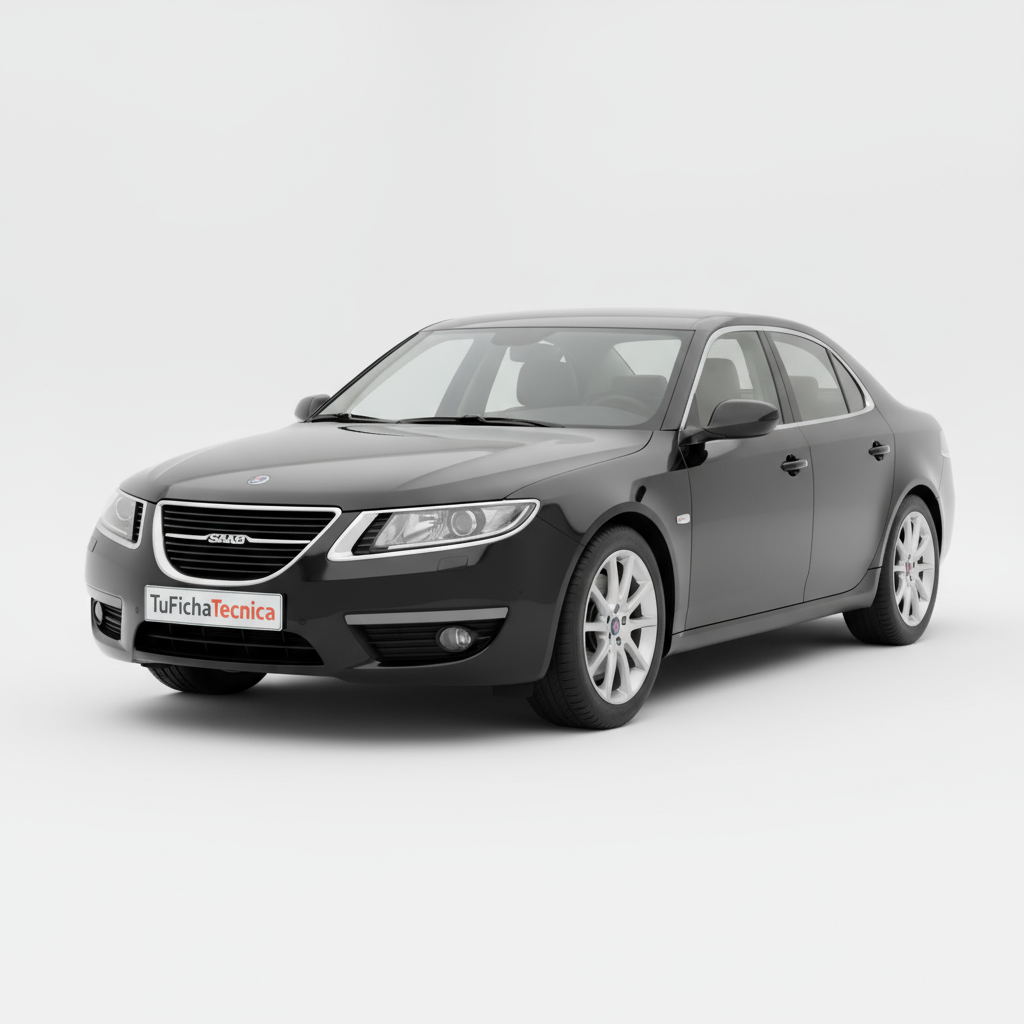
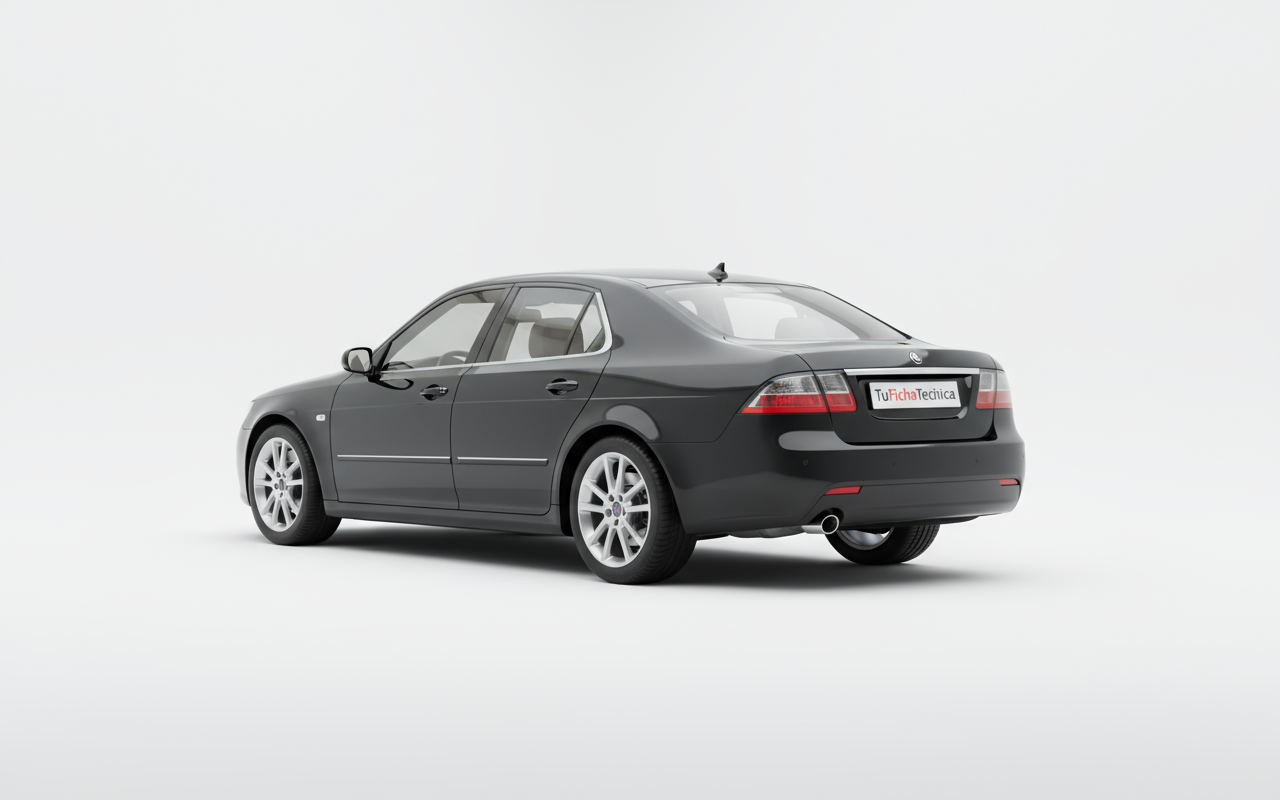
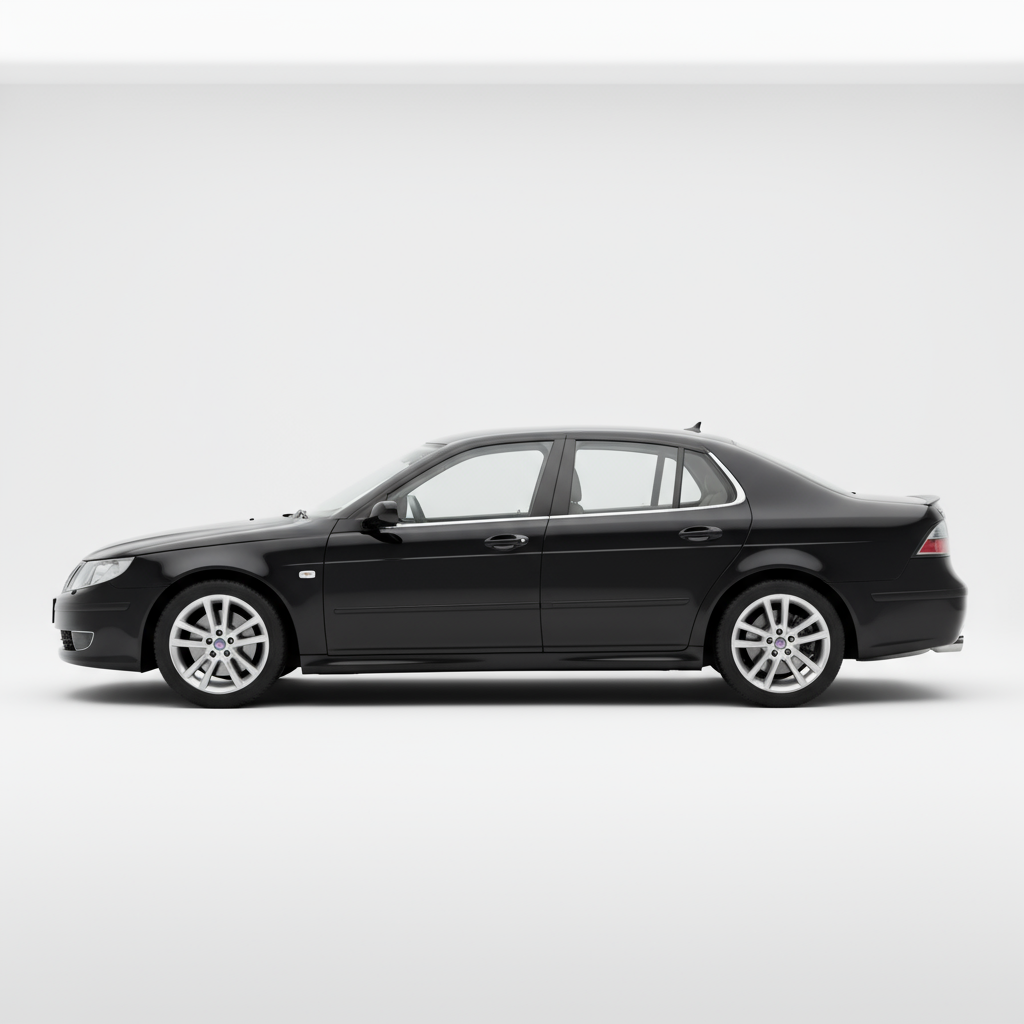
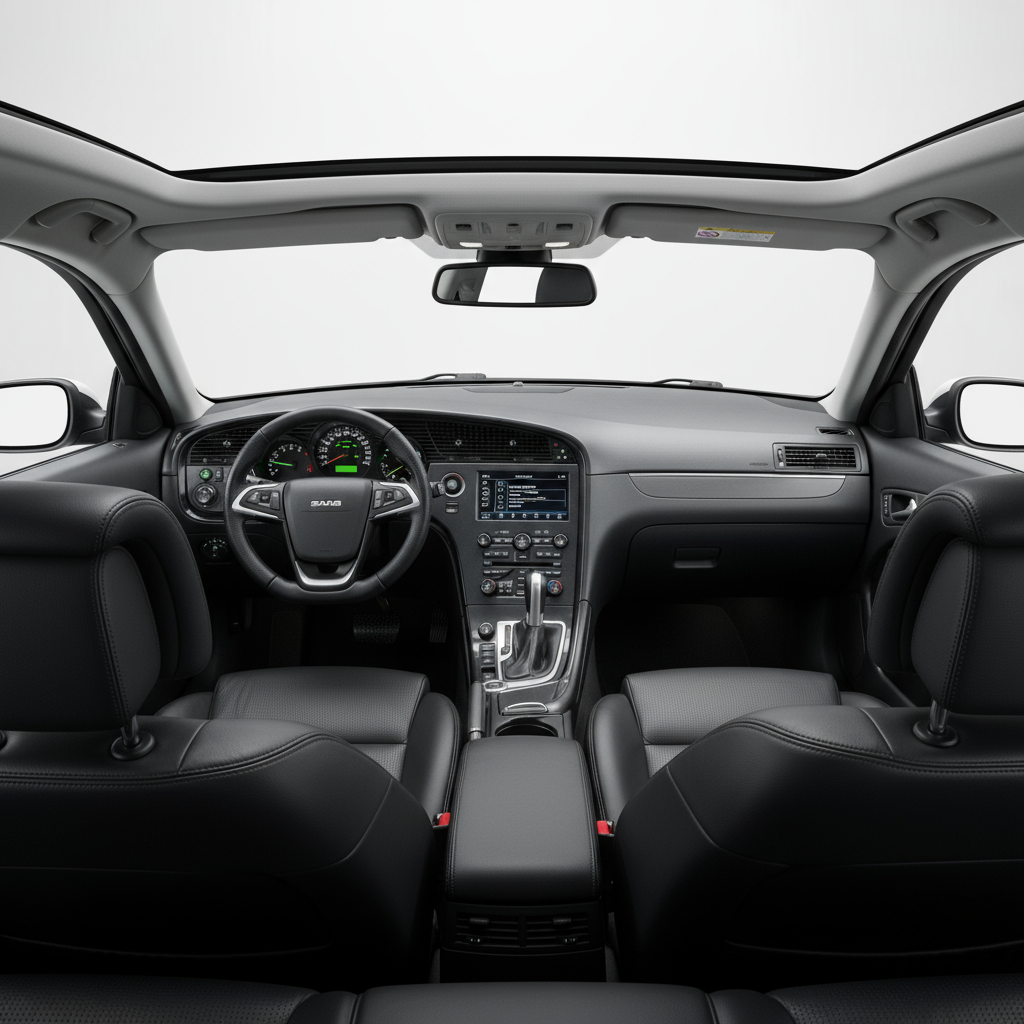
The design of the 2010 Saab 9-5 is a statement of intent, merging the brand's aeronautical heritage with a modern and elegant aesthetic. Its fluid lines and elongated silhouette, with a length of 5008 mm, a width of 1868 mm, and a height of 1466 mm, give it an imposing presence. The distinctive front, with Saab's characteristic grille and sharp headlights, gives it a unique personality. Inside, the cabin is driver-oriented, with an ergonomic design and quality materials that prioritize functionality and comfort. The 515-liter trunk is generous, underscoring its vocation as a family and executive sedan.
Technology and features
Despite being a 2010 model, the Saab 9-5 incorporated advanced technology for its time. The 1.6T gasoline engine, with indirect injection and an iron block with an aluminum cylinder head, demonstrates a focus on durability and efficiency. The 6-speed manual transmission is a key component for optimizing performance and consumption. In terms of safety, Saab was always a pioneer, and this model is no exception; although the specific details of its driving assistance systems are not detailed, it is expected to have comprehensive equipment for occupant protection. Independent suspension on both axles and ventilated front disc brakes and solid rear brakes ensure effective control in various driving situations.
Competition
In the competitive premium sedan segment, the Saab 9-5 faced tough rivals such as the Audi A6, BMW 5 Series, and Mercedes-Benz E-Class. It also competed with models like the Volvo S80 and the Lexus GS. Compared to them, the Saab 9-5 offered an alternative with a more distinctive design, a focus on safety, and a unique personality that appealed to an audience looking for something different from the more conventional German options. Its 1.6T engine, although less powerful than some of its rivals' options, offered a good balance between performance and consumption.
Conclusion
The 2010 Saab 9-5 Sedan Linear 1.6T is more than a car; it is a testament to Saab's engineering and innovative spirit. Despite the difficulties the brand was facing at the time, this model represented an effort to keep the flame of distinction and quality alive. It offers a comfortable and safe driving experience, a timeless design, and remarkable habitability. For those who value originality, safety, and a touch of exclusivity, the 9-5 remains a fascinating option, a car with a soul that evokes a golden age of Swedish automotive.