
Especificaciones y análisis del Saab 9-5
Power
177HP
Torque
350Nm
Consumption
7.3l/100
Emissions
-g/km
0-100 km/h
9.3s
Top Speed
215km/h
Weight
1690kg
Price
39,500€
Technical summary
Gasóleo
Manual 5v
FWD
5 / 4 doors
500 L
75 L
130 kW
Current
Technical specifications
Engine
Capacities
Detailed analysis of the Saab 9-5 Sedán 3.0 V6 TiD (176 CV) Vector Sport · 177 CV (2003-2005)
General description
The 2002 Saab 9-5 Sedan 3.0 V6 TiD, in its Vector Sport version, is a sedan that embodies the essence of the Swedish brand: safety, innovation, and a touch of distinction. With its 177 HP diesel engine, this model promised a balance between performance and efficiency, ideal for those looking for a car with character and an imposing presence on the road.
Driving experience
Behind the wheel of the Saab 9-5, the feeling is one of solidity and control. Its V6 diesel engine, with 177 HP and a torque of 350 Nm from low revolutions, offers a forceful response and an acceleration from 0 to 100 km/h in 9.3 seconds, allowing for safe overtakes and agile driving. The front McPherson suspension and ventilated disc brakes on the front axle, along with the rear discs, guarantee a comfortable and safe driving experience, albeit with a sporty touch that invites you to enjoy every journey. The rack-and-pinion steering, although without variable assistance, transmits a direct connection to the road, making every curve a rewarding experience.
Design and aesthetics
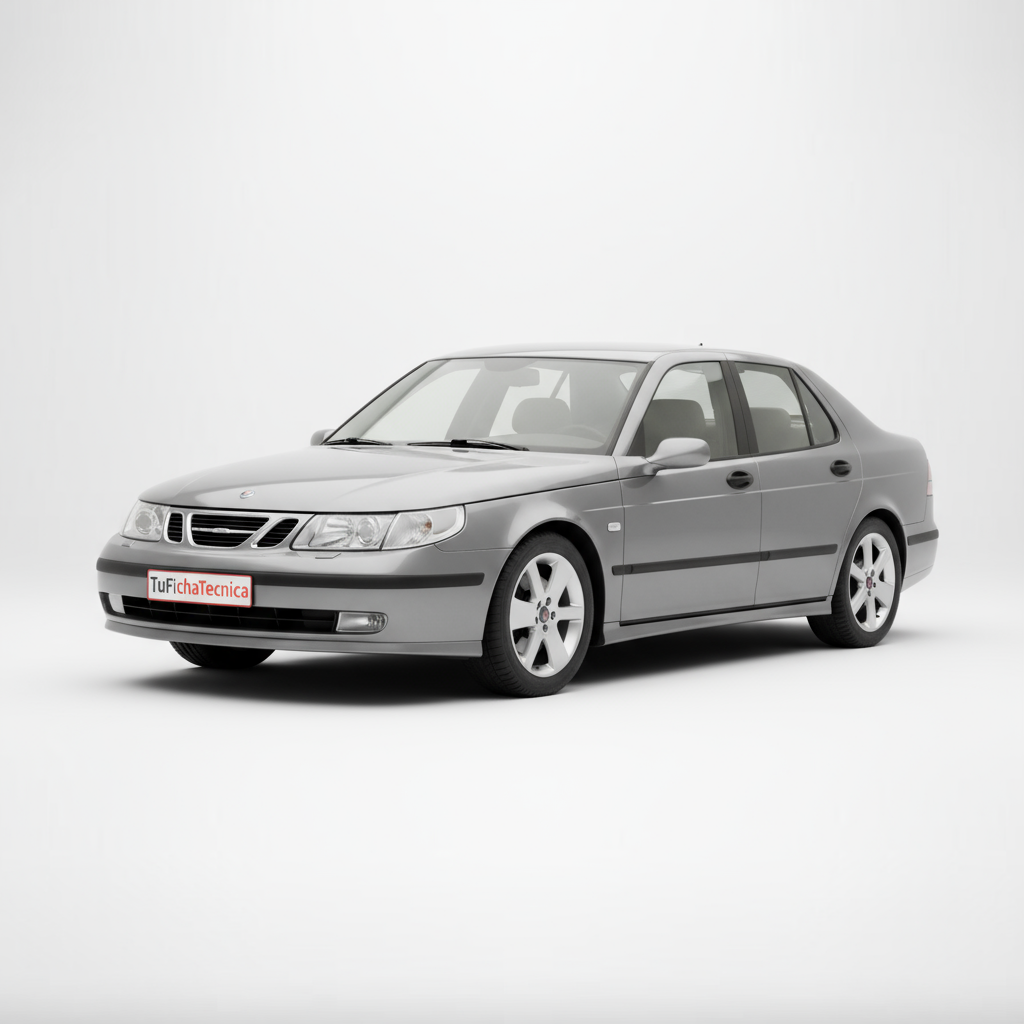
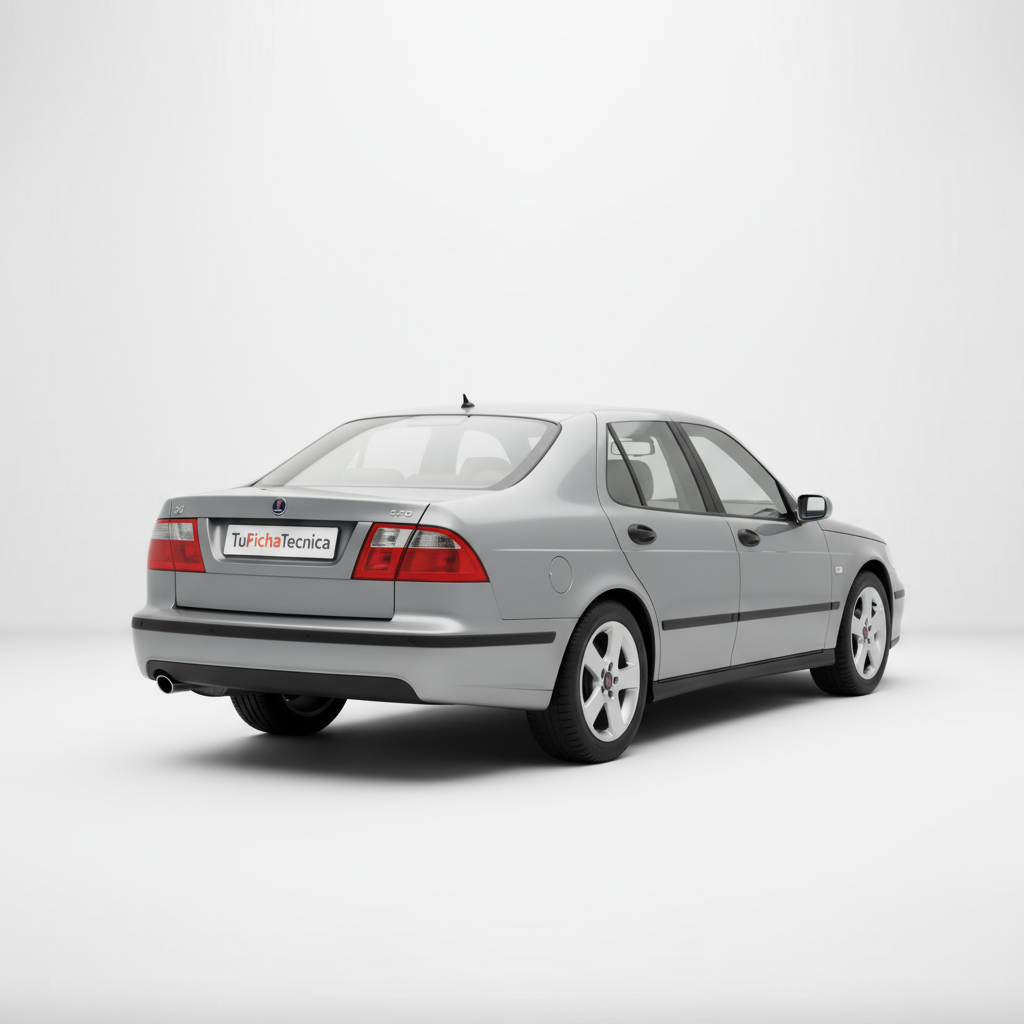
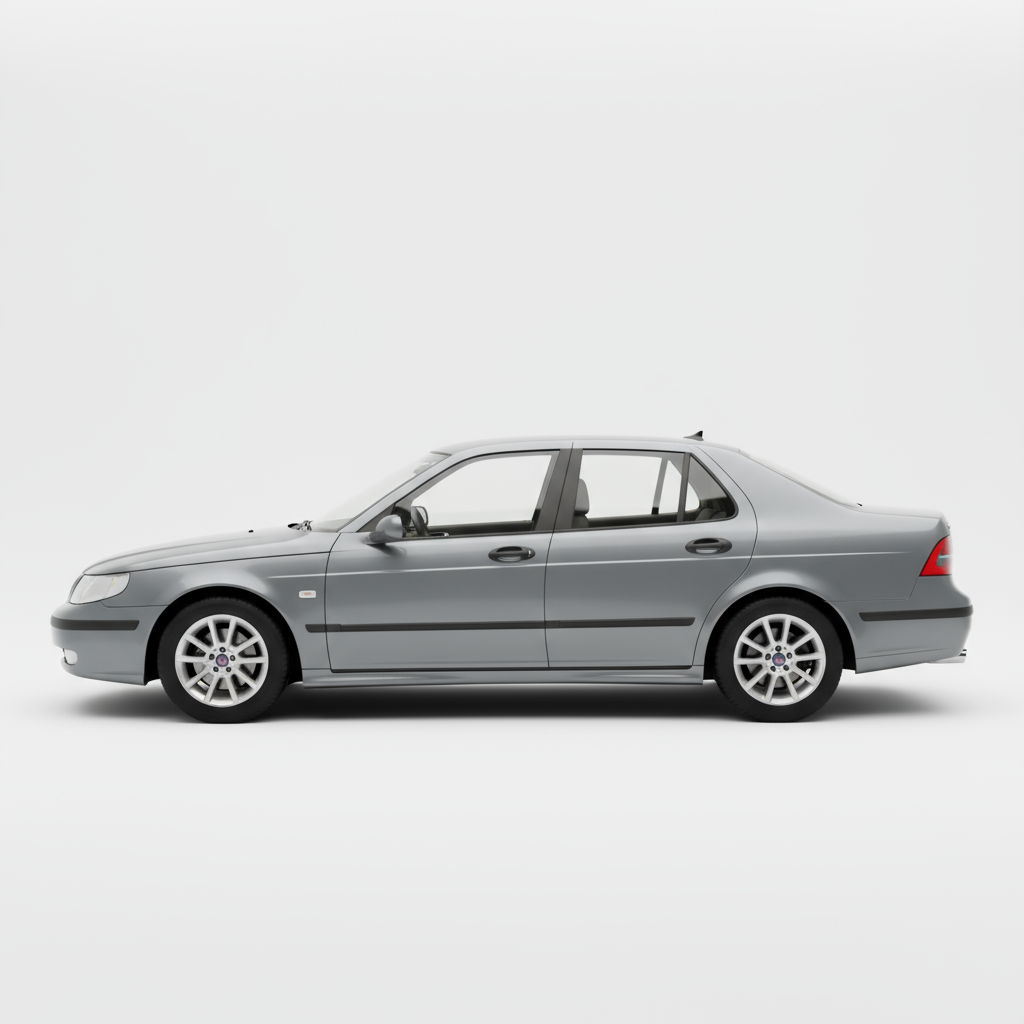
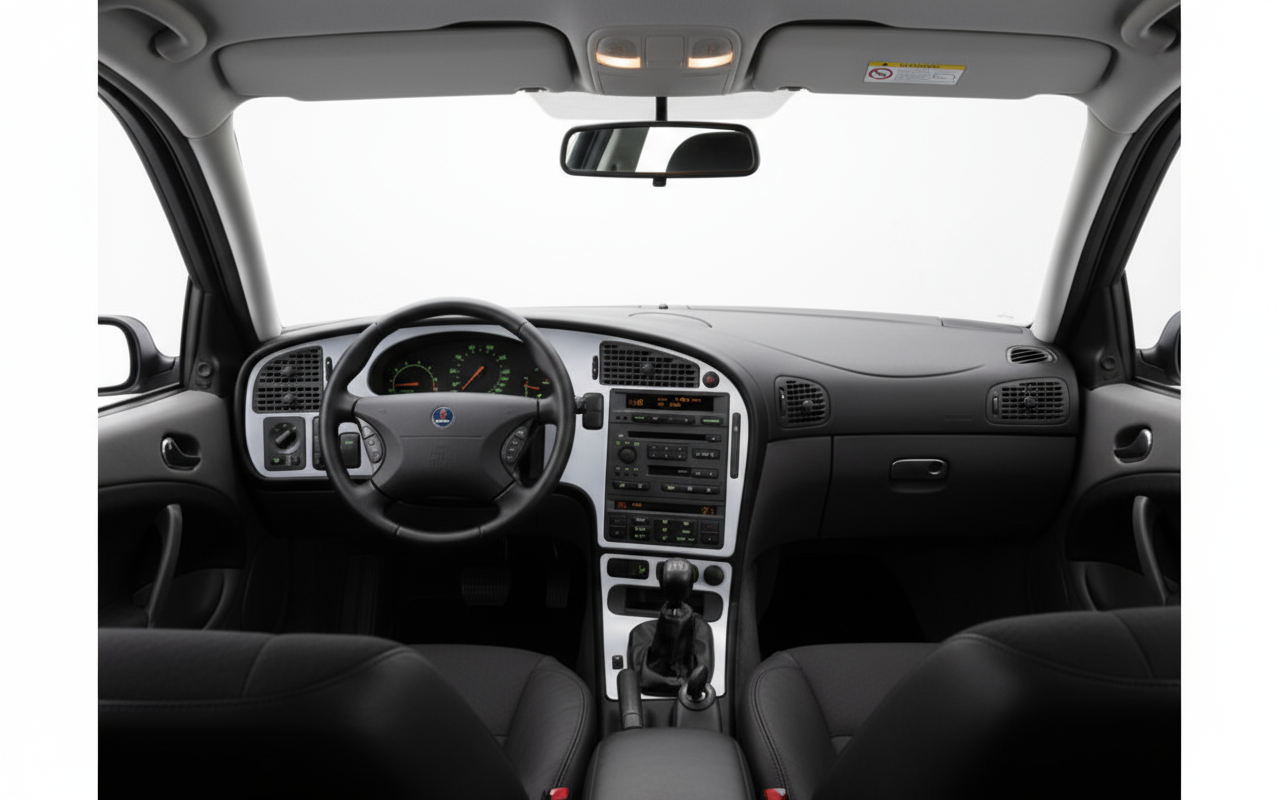
The design of the 2002 Saab 9-5 Sedan is timeless and elegant, with lines that evoke the brand's aeronautical heritage. Its four-door sedan body, with a length of 4827 mm and a width of 1792 mm, gives it a robust and sophisticated presence. The 17-inch wheels with 225/45 R17 W tires, both front and rear, enhance its sporty character. The interior, although not detailed in the data, is characterized by ergonomics and quality materials, with a focus on functionality and comfort for the driver and passengers. The 500-liter trunk is spacious and practical for daily use or long trips.
Technology and features
In terms of technology, the 2002 Saab 9-5 incorporated advanced solutions for its time. The 3.0 V6 TiD engine, with common rail direct injection, variable geometry turbo, and intercooler, was an example of diesel engineering that sought to optimize performance and efficiency. The 5-speed manual transmission, although not the most modern, offered precise control over engine power. In terms of safety, Saab was always a pioneer, and this model was no exception, with a robust chassis and effective braking systems. The absence of a DGT environmental badge and a combined consumption of 7.3 l/100km reflect the regulations and technologies of the era.
Competition
In its segment, the Saab 9-5 Sedan 3.0 V6 TiD competed with premium sedans from brands such as BMW, Mercedes-Benz, and Audi. Models like the BMW 5 Series, the Mercedes-Benz E-Class, or the Audi A6 were its main contenders. The Saab differentiated itself by its focus on safety, its distinctive design, and a personality that appealed to an audience looking for something different from the more conventional German options. It offered an alternative with a Scandinavian touch, combining discreet luxury with a unique driving experience.
Conclusion
The 2002 Saab 9-5 Sedan 3.0 V6 TiD (177 HP) Vector Sport is a car that, despite the passage of time, maintains its appeal. It is a sedan that offers a combination of power, comfort, and safety, with a design that remains elegant and distinctive. For those who value Swedish engineering and a car with character, this Saab represents an interesting option in the used car market, a testament to a brand that left an indelible mark on automotive history.