
Especificaciones y análisis del Saab 9-5
Power
175HP
Torque
350Nm
Consumption
7.3l/100
Emissions
-g/km
0-100 km/h
9.3s
Top Speed
215km/h
Weight
1690kg
Price
37,700€
Technical summary
Gasóleo
Manual 5v
FWD
5 / 4 doors
500 L
75 L
129 kW
Current
Technical specifications
Engine
Capacities
Detailed analysis of the Saab 9-5 Sedán 3.0 V6 TiD (176CV) Vector · 175 CV (2001-2003)
General description
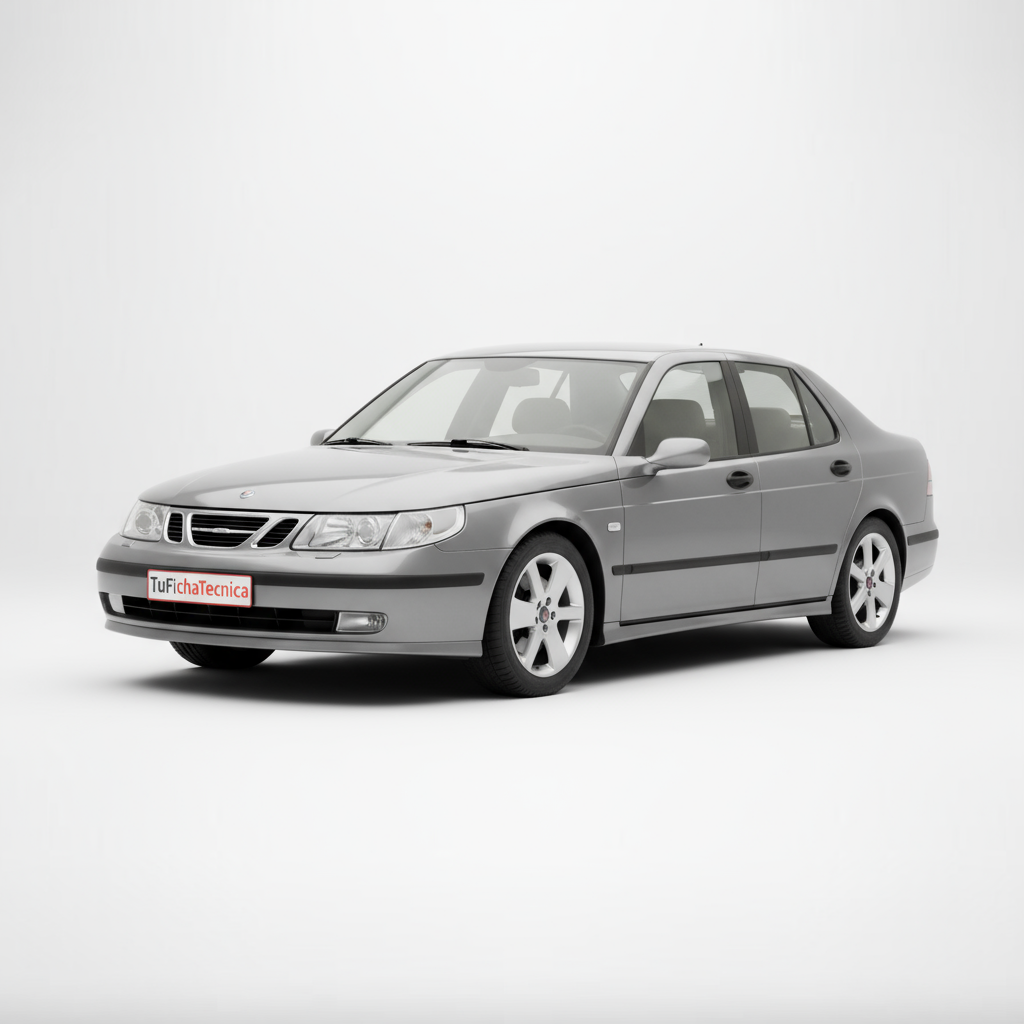
The 2002 Saab 9-5 Sedan 3.0 V6 TiD is a sedan that embodies the essence of the Swedish brand: innovation, safety, and a touch of distinction. With its 175 hp diesel engine, this model offered a powerful and efficient alternative in the luxury sedan segment, standing out for its comfort and timeless design. It was a car for those looking for something different, away from more conventional options.
Driving experience
Behind the wheel of the Saab 9-5, the feeling is one of solidity and poise. The V6 diesel engine, with its 175 hp and 350 Nm of torque, pulls strongly from low revs, offering 0 to 100 km/h acceleration in 9.3 seconds and a top speed of 215 km/h. The McPherson strut front suspension filters out road irregularities well, providing a smooth and comfortable ride. The rack-and-pinion steering, while not the most communicative, offers enough precision for relaxed driving. It's a car that invites you to devour kilometers calmly, without sacrificing a good power reserve for overtakes or merges.
Design and aesthetics
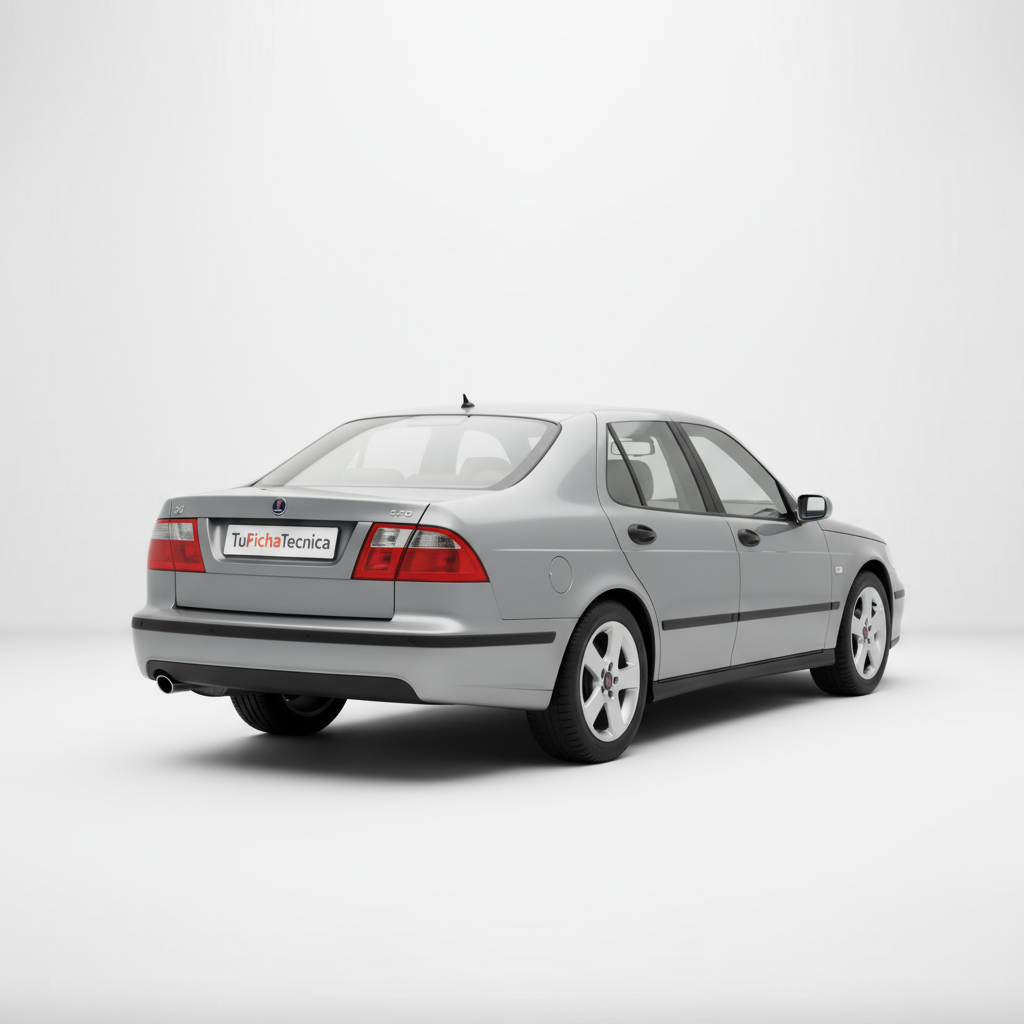
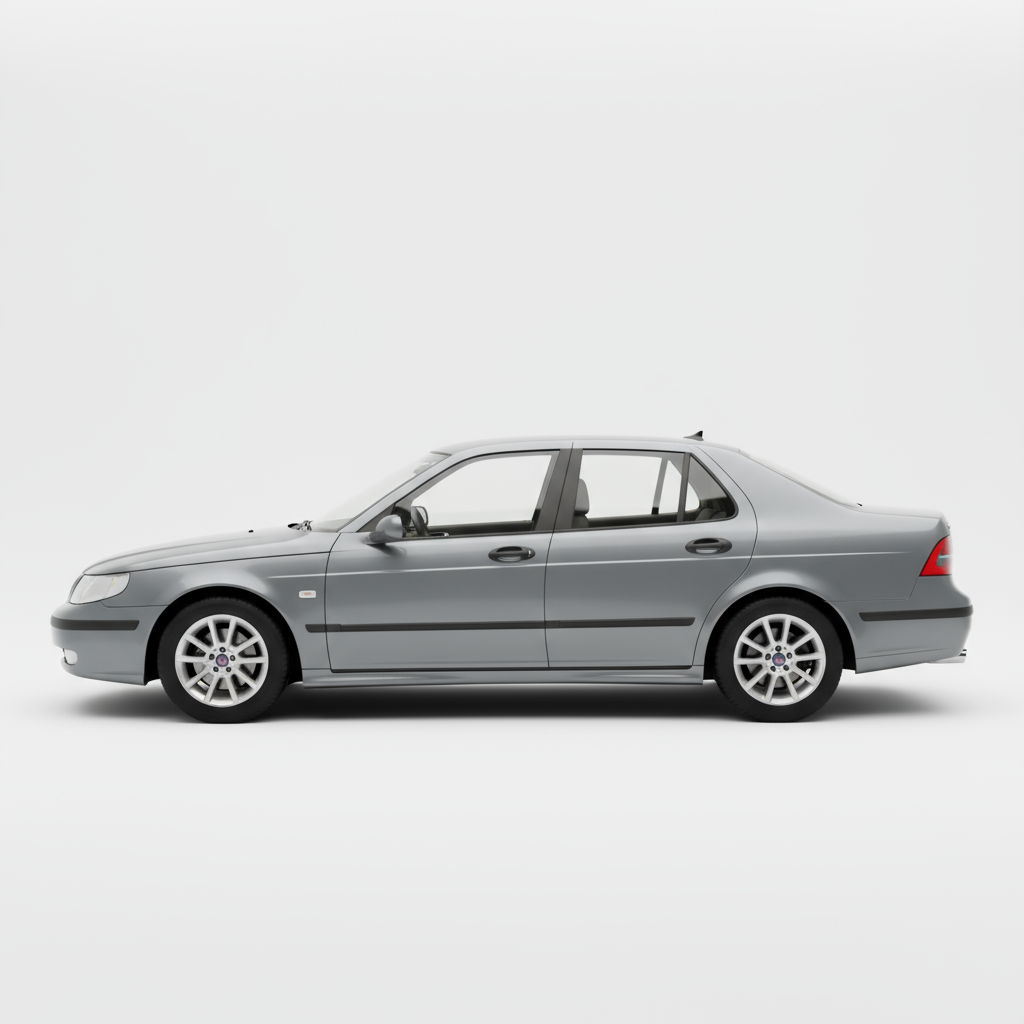
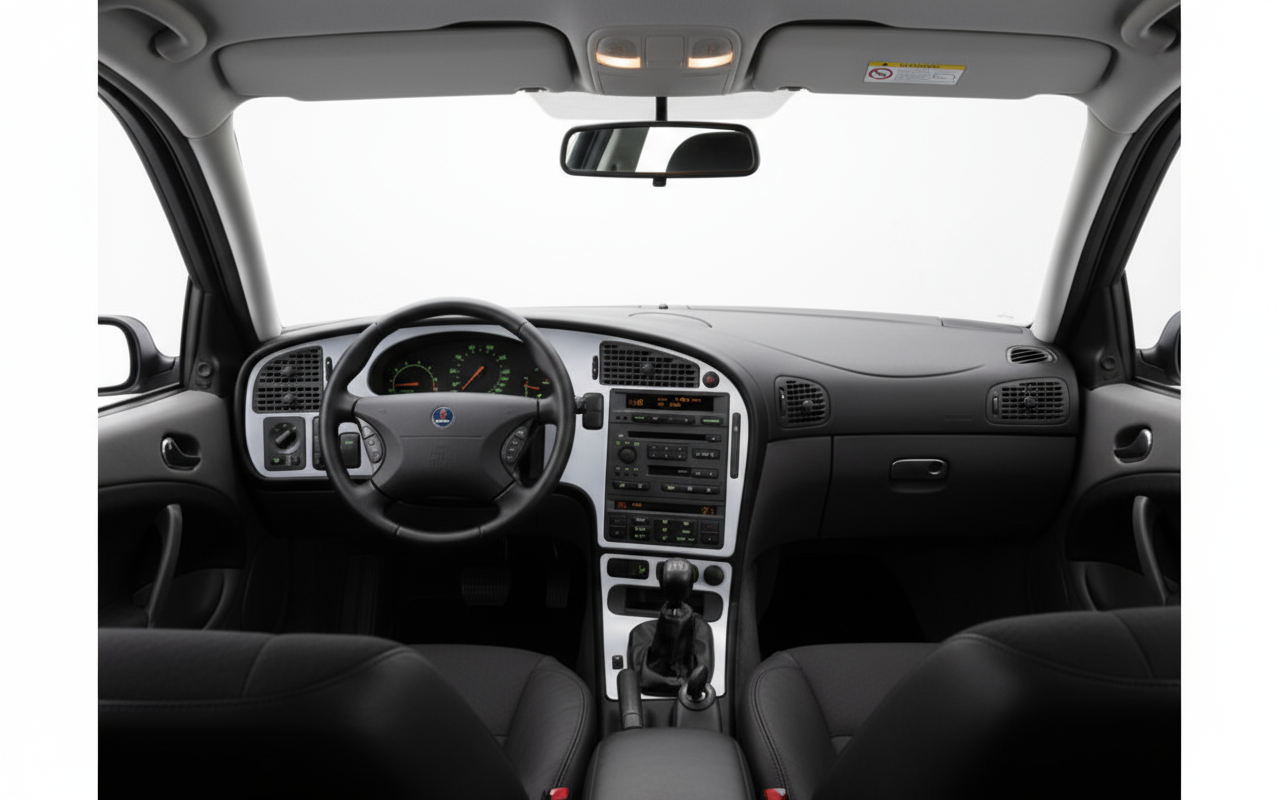
The design of the 2002 Saab 9-5 is a clear example of the brand's philosophy. Its lines are elegant and functional, with a silhouette that, although classic, maintains a distinctive air. The front, with Saab's characteristic grille and elongated headlights, gives it a unique personality. The rear, with its wraparound taillights, completes a harmonious ensemble. Inside, ergonomics are key, with a driver-oriented dashboard and a control layout reminiscent of an aircraft cockpit, a nod to Saab's aeronautical heritage. The materials, while not always the most luxurious, are of good quality and the fit is precise, conveying a sense of durability.
Technology and features
In its time, the Saab 9-5 incorporated advanced technology to improve safety and comfort. It stood out for its common rail direct injection system, variable geometry turbo, and intercooler in its diesel engine, which optimized performance and efficiency. In the chassis, it featured 306 mm ventilated disc brakes at the front and 300 mm discs at the rear, ensuring effective braking. Power steering and anti-roll bars on both axles contributed to safe and stable driving. Although it did not have current driving assistance systems, its passive safety equipment was notable for the era.
Competition
In the premium sedan segment, the Saab 9-5 competed with models such as the BMW 5 Series, the Mercedes-Benz E-Class, and the Audi A6. Compared to them, the Saab offered a more original and less conventional proposal, with a focus on safety, ergonomics, and a distinctive design. Although it perhaps did not reach the same level of prestige or sportiness as some of its German rivals, the 9-5 stood out for its unique personality and ride comfort, attracting an audience that valued individuality and Swedish engineering.
Conclusion
The 2002 Saab 9-5 Sedan 3.0 V6 TiD is a car with character, a sedan that offered an interesting alternative in the premium market. Its combination of a powerful diesel engine, an elegant and functional design, and a driver-focused interior made it an attractive option for those looking for more than just a means of transport. It is a car that, despite the passage of time, still retains its charm and innovative spirit, a true representative of Swedish engineering.