
Especificaciones y análisis del Saab 9-5
Power
120HP
Torque
280Nm
Consumption
6.6l/100
Emissions
-g/km
0-100 km/h
11s
Top Speed
200km/h
Weight
-kg
Price
29,990€
Technical summary
Gasóleo
Manual 5v
FWD
5 / 4 doors
500 L
75 L
88 kW
Current
Technical specifications
Engine
Capacities
Detailed analysis of the Saab 9-5 Sedán 2.2 TiD (120CV) Linear · 120 CV (2002-2005)
General description
The 2002 Saab 9-5 Sedan 2.2 TiD is a saloon that embodies the essence of the Swedish brand: safety, comfort, and a touch of distinction. With its 120 hp diesel engine, it offered an efficient and robust alternative for those seeking a premium vehicle with a practical and durable approach. This model, in its Linear trim, promised a balanced driving experience and an interior designed for the well-being of its occupants, maintaining Saab's philosophy of offering something different in the luxury saloon segment.
Driving experience
Behind the wheel of the Saab 9-5 2.2 TiD, the predominant feeling is one of solidity and poise. The diesel engine, while not an outpouring of power, delivers its 120 hp linearly and with a torque of 280 Nm available from low revolutions (1500 rpm), which facilitates relaxed and efficient driving on the road. Acceleration from 0 to 100 km/h in 11 seconds and a top speed of 200 km/h are adequate figures for its segment and era. The McPherson strut suspension on the front axle and the ventilated disc brakes at the front and solid at the rear contribute to a safe and comfortable driving experience, absorbing road irregularities well. The rack-and-pinion steering, although without variable assistance, offers a good connection with the road, transmitting confidence to the driver. It is a car that invites long journeys, where its comfort and stability shine.
Design and aesthetics
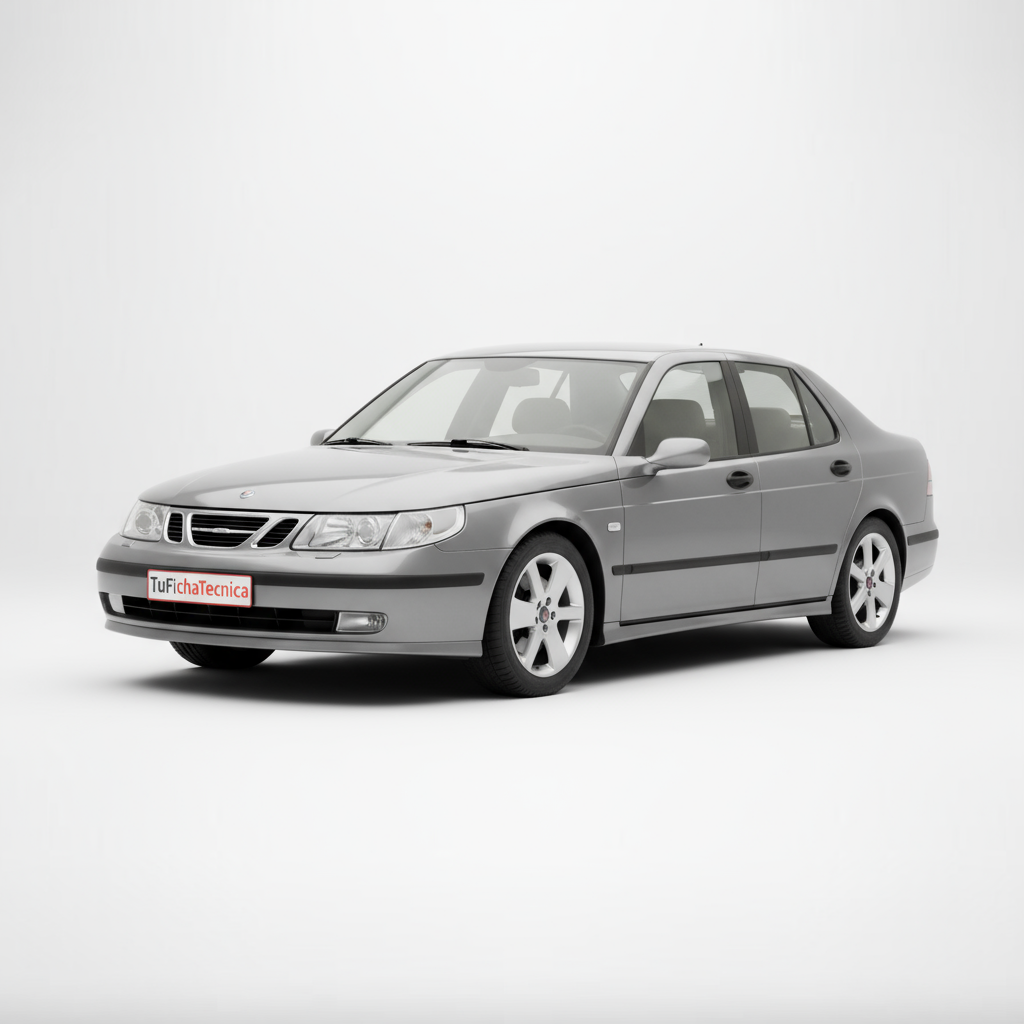
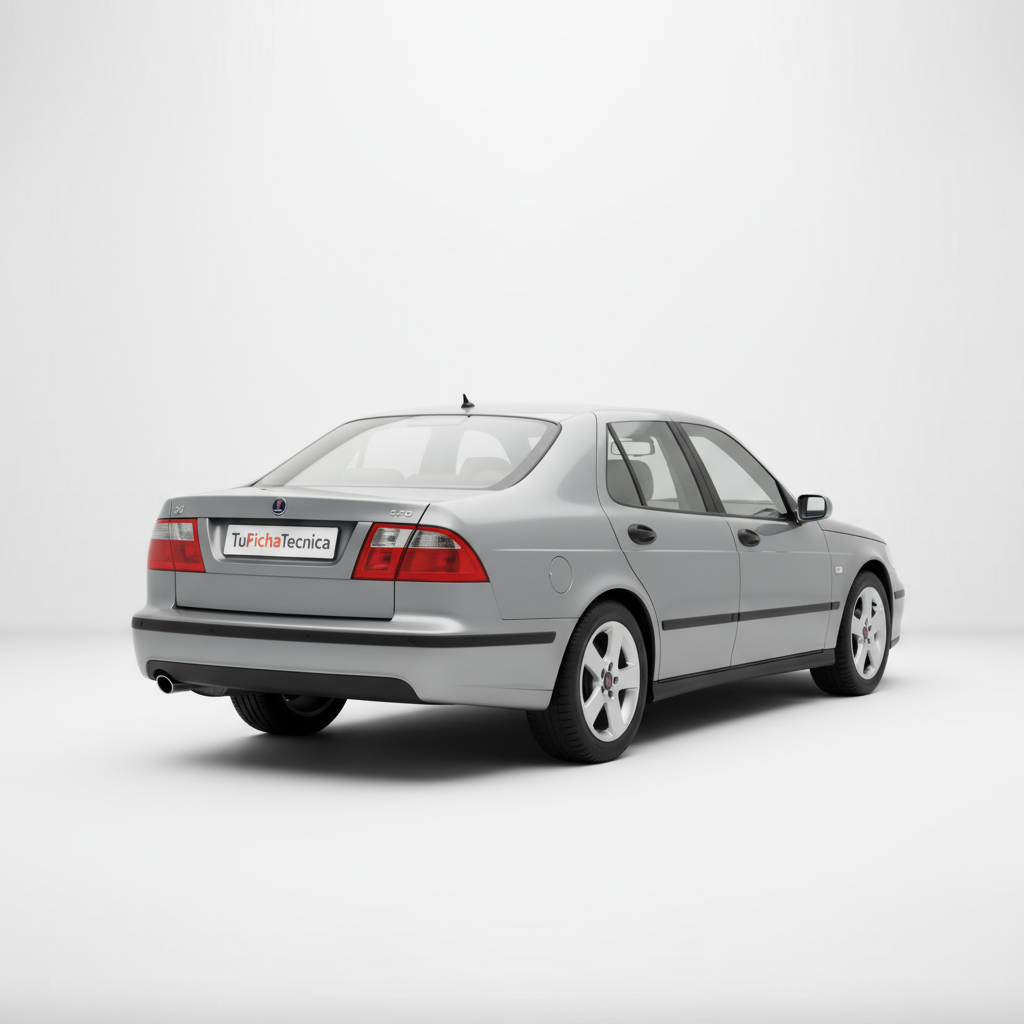
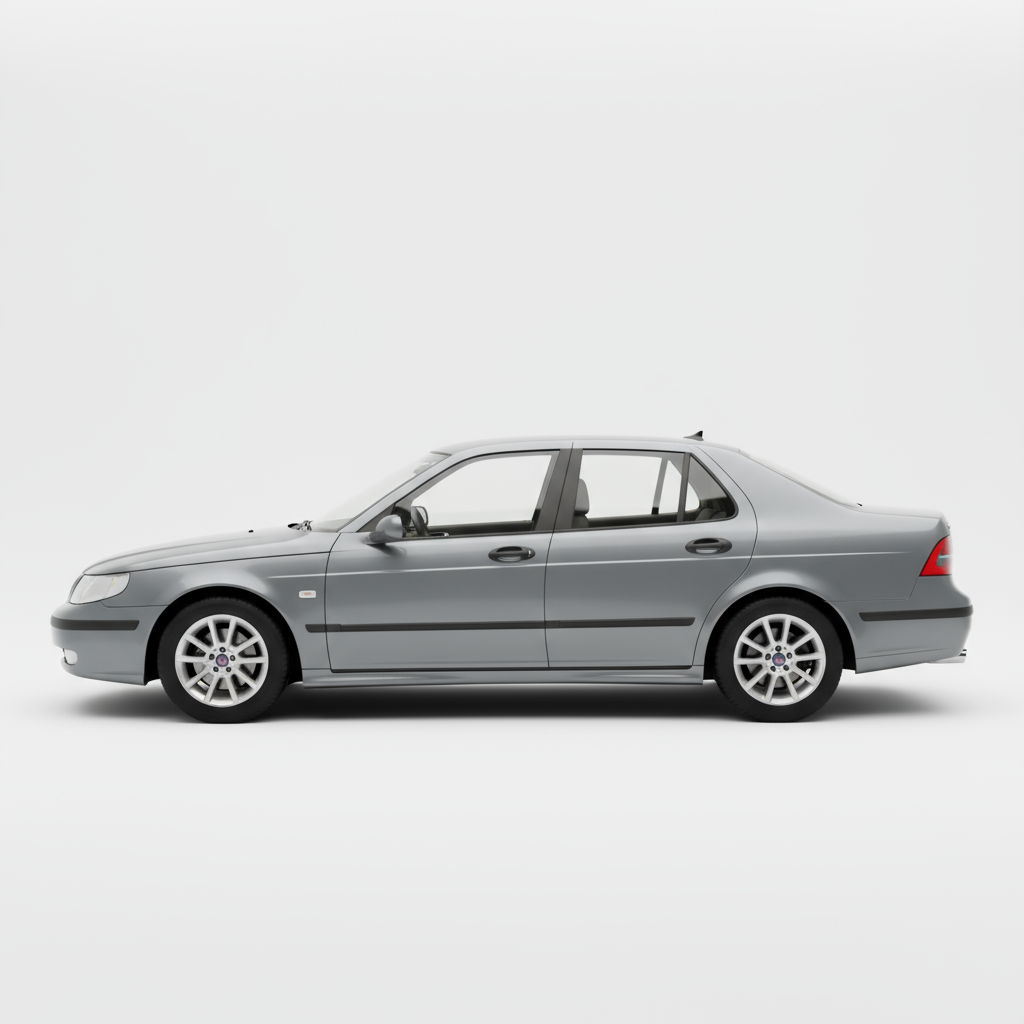
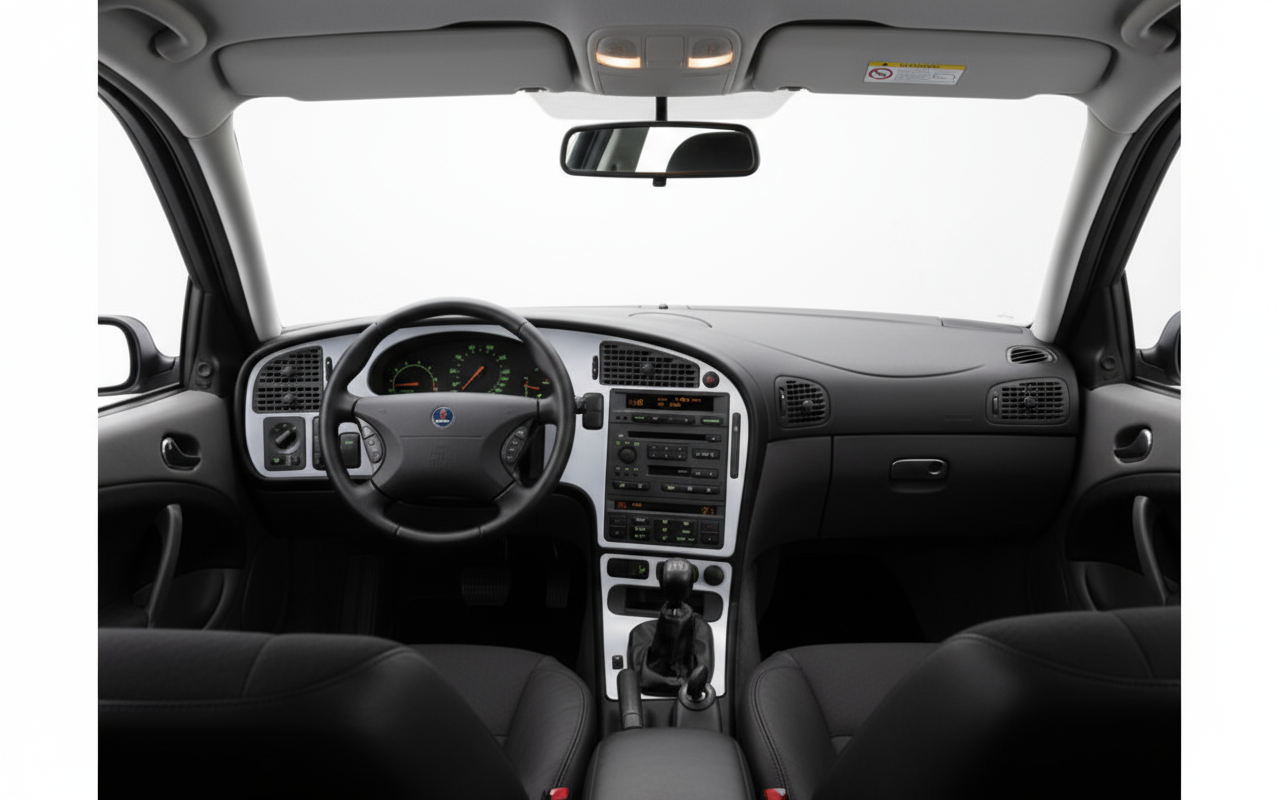
The design of the 2002 Saab 9-5 Sedan is a reflection of the brand's identity: elegant, functional, and with a distinctive touch that sets it apart from its competitors. Its fluid and aerodynamic lines, with a length of 4827 mm and a width of 1792 mm, give it an imposing yet discreet presence. The front, with its characteristic headlights and Saab grille, projects an image of robustness. The classic saloon silhouette is complemented by details that enhance its premium character. Inside, ergonomics are key, with a driver-oriented dashboard and quality materials that, although sober, convey durability and good taste. The 500-liter boot is generous, offering a large load capacity for family or business trips.
Technology and features
In 2002, the Saab 9-5 2.2 TiD incorporated advanced technology for its time, especially in the areas of safety and comfort. Its 2.2-liter, 120 hp diesel engine, with direct injection, variable geometry turbo, and intercooler, was an example of efficiency and performance. The 5-speed manual transmission, along with front-wheel drive, offered a direct and controlled driving experience. Although it did not have the latest infotainment innovations we see today, its standard equipment included elements such as climate control, electric windows, and a quality sound system. Safety was a priority for Saab, and this model featured a robust structure and passive safety systems that made it a benchmark in its category.
Competition
In the competitive premium saloon segment of the early 2000s, the Saab 9-5 2.2 TiD faced tough rivals. Models such as the BMW 3 Series, the Mercedes-Benz C-Class, or the Audi A4 offered alternatives with a more sporty or luxurious approach, respectively. However, the Saab stood out for its unique personality, its emphasis on safety, and its Scandinavian design. Other competitors might include the Volvo S60, with which it shared a similar philosophy of safety and comfort, or the Volkswagen Passat, which offered a more generalist but equally competent option in the mid-to-large saloon segment.
Conclusion
The 2002 Saab 9-5 Sedan 2.2 TiD is a car that, despite the passage of time, remains a testament to Saab's engineering and design. It offers an attractive combination of comfort, safety, and efficiency, wrapped in a distinctive design. It is an ideal vehicle for those who value durability, practicality, and a touch of exclusivity, without sacrificing a contained combined fuel consumption of 6.6 l/100km. Although the brand no longer exists, this model represents a golden age of Swedish automotive, leaving a legacy of well-built cars with their own character. It is a wise choice for those looking for a classic saloon with particular charm and proven reliability.