
Especificaciones y análisis del Saab 9-3
Power
175HP
Torque
265Nm
Consumption
7.4l/100
Emissions
177g/km
0-100 km/h
8.4s
Top Speed
210km/h
Weight
-kg
Price
30,060€
Technical summary
Gasolina o etanol
Manual 6v
FWD
5 / 4 doors
425 L
58 L
129 kW
Current
Technical specifications
Engine
Capacities
Detailed analysis of the Saab 9-3 Sport Sedán Vector 1.8t Biopower · 175 CV (2008-2010)
General description
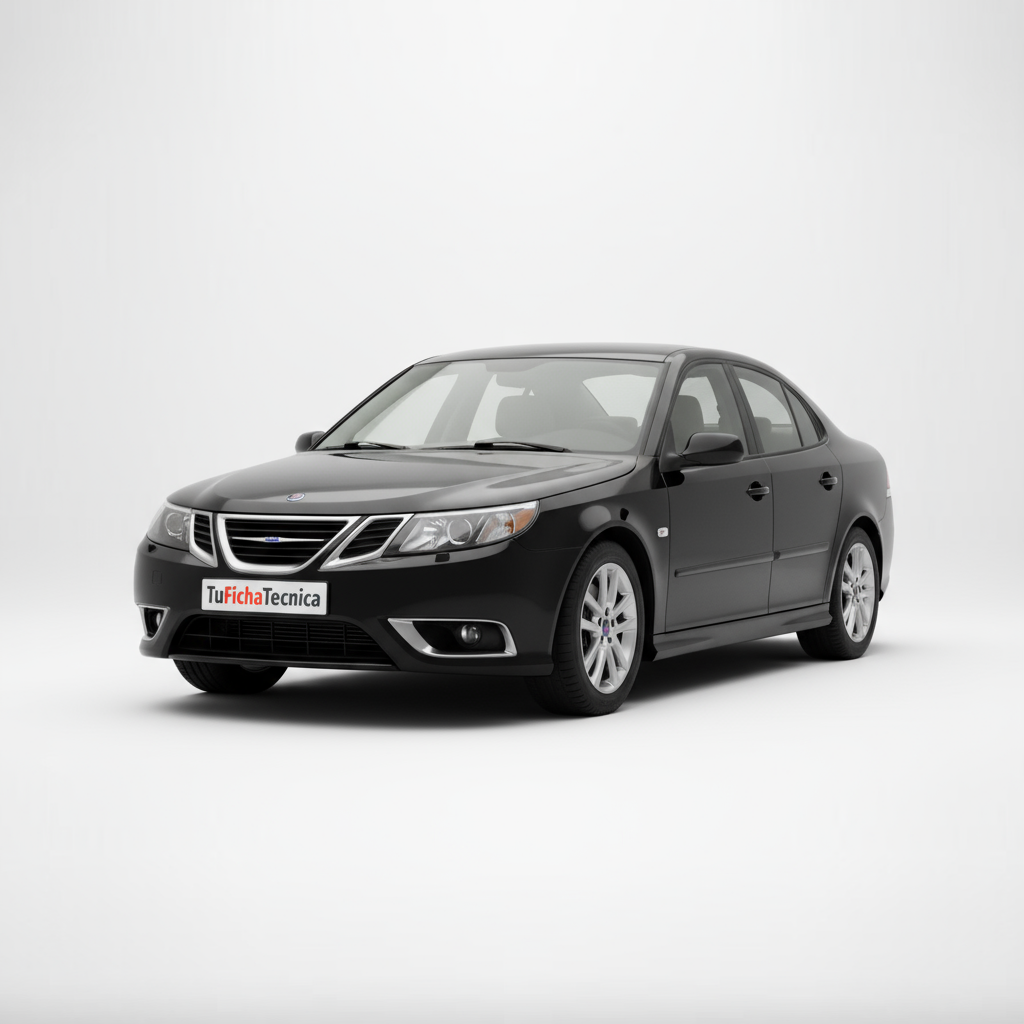
The 2008 Saab 9-3 Sport Sedan Vector 1.8t Biopower is a sedan that embodies the essence of the Swedish brand: innovation, safety, and a touch of distinction. With its engine capable of running on gasoline or ethanol, this model not only offered remarkable performance but also an ecological awareness ahead of its time. Its timeless design and focus on the driving experience made it an attractive option for those seeking something different in the premium sedan segment.
Driving experience
Behind the wheel of the Saab 9-3 Sport Sedan, the feeling is one of solidity and control. The steering, although not the most communicative, offers precision, and the suspension, with McPherson struts at the front and a deformable parallelogram at the rear, achieves a balance between comfort and dynamism. The 1.8t Biopower engine, with its 175 hp, delivers smooth yet forceful power, especially when taking advantage of its 265 Nm of torque at 2500 rpm. Acceleration from 0 to 100 km/h in 8.4 seconds is respectable, and the top speed of 210 km/h allows for long journeys with complete confidence. The 6-speed manual gearbox is precise and contributes to a rewarding driving experience, inviting you to enjoy every journey.
Design and aesthetics
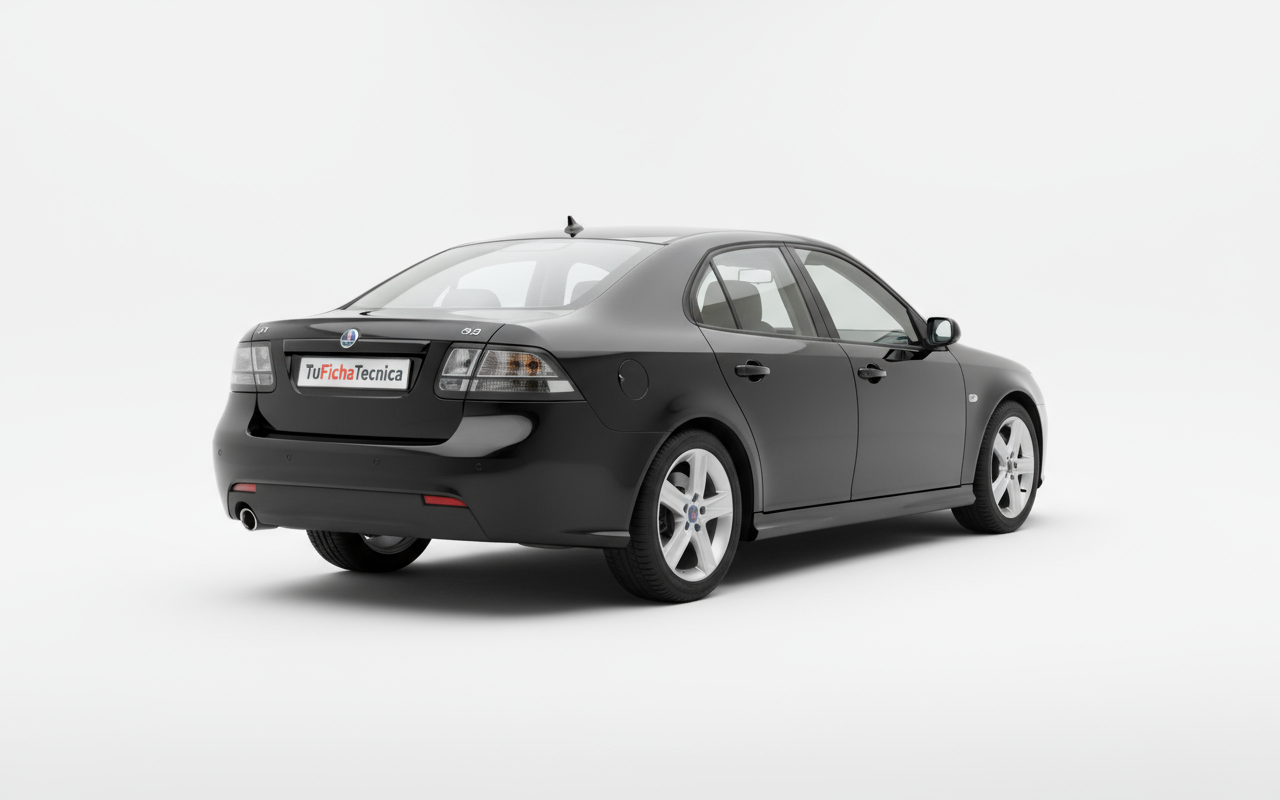
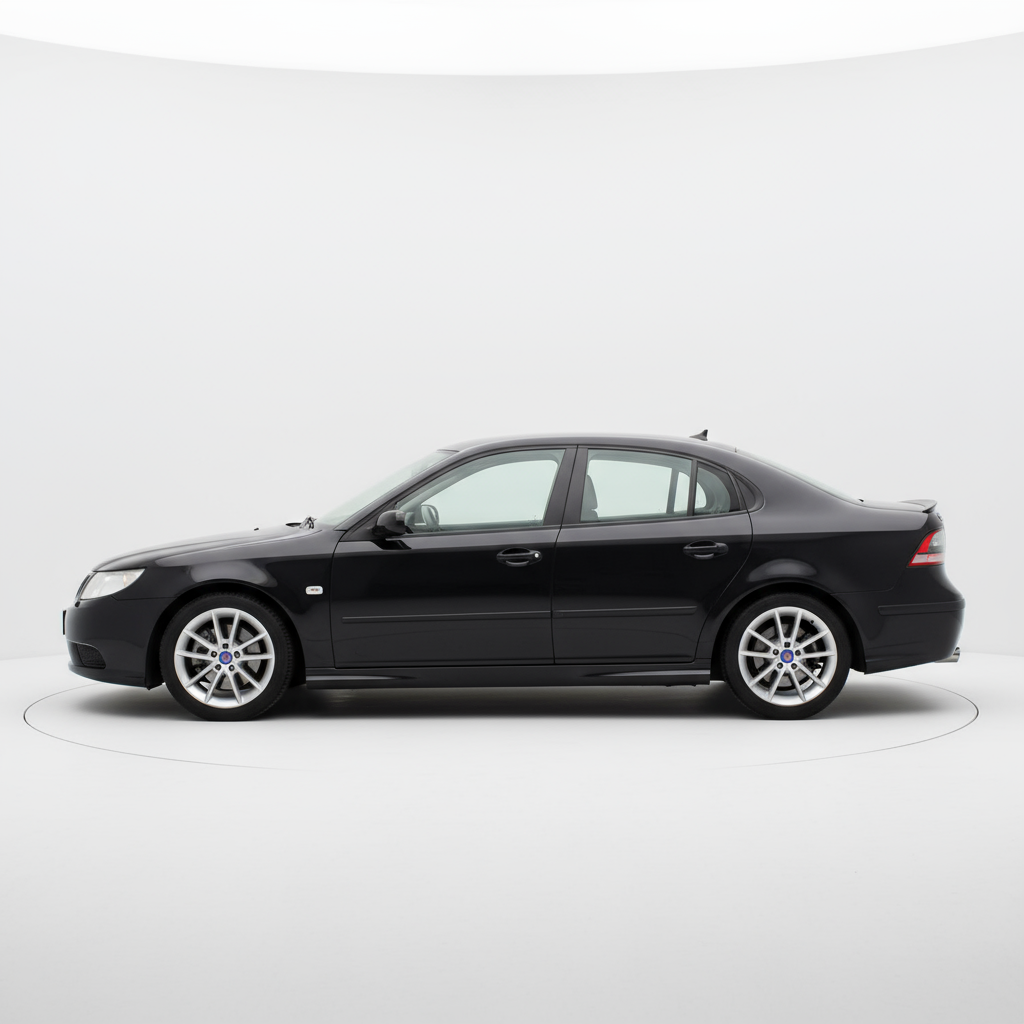
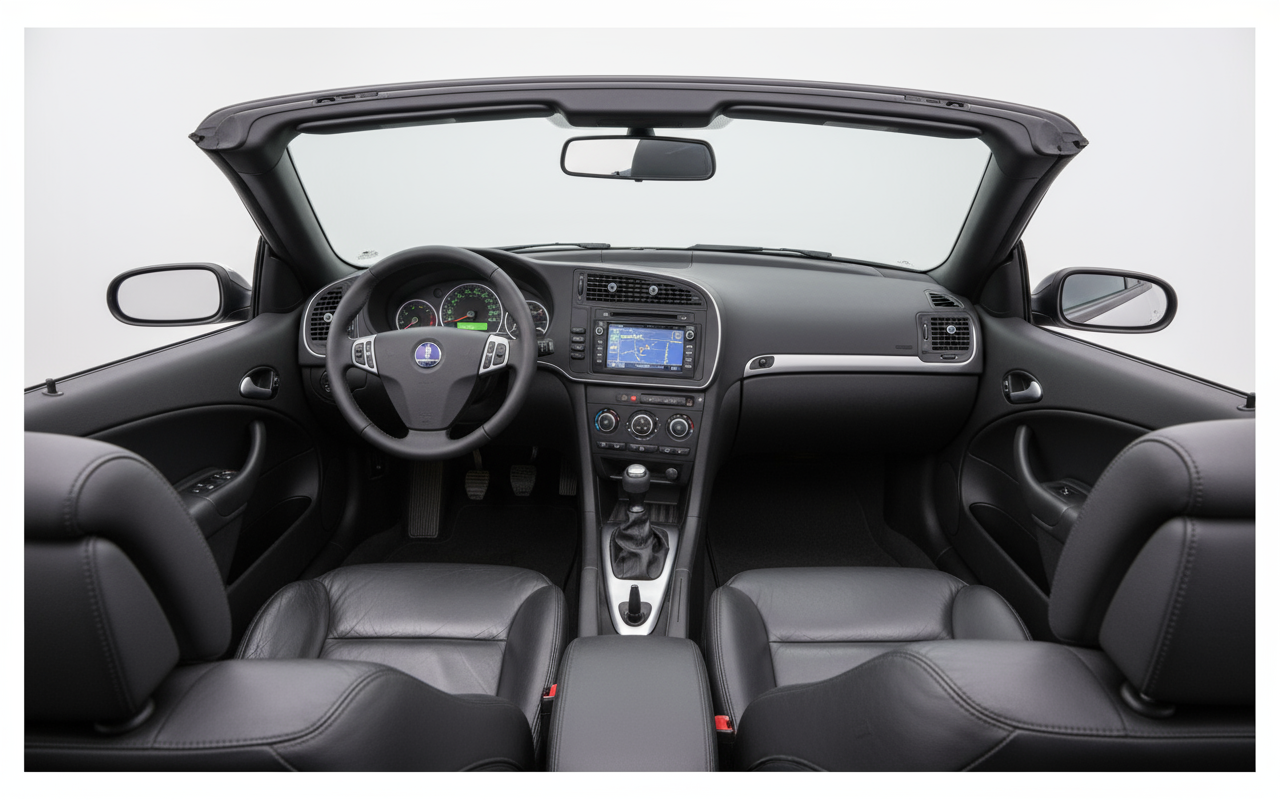
The design of the Saab 9-3 Sport Sedan is a clear example of Scandinavian philosophy: functional, elegant, and with its own personality. Its clean and fluid lines, along with the characteristic front grille and distinctive headlights, give it an unmistakable presence. The interior, although sober, stands out for its ergonomics and the quality of its materials. The seats, especially those in the Vector version, offer excellent support and comfort, even on long journeys. Every detail is designed for the driver, from the arrangement of the controls to the instrument panel lighting, creating a welcoming and functional environment.
Technology and features
In terms of technology, the 2008 Saab 9-3 Sport Sedan Vector 1.8t Biopower incorporated advanced solutions for its time. Its Biopower engine, capable of using E85 ethanol, was a testament to Saab's commitment to sustainability. The 1998 cc engine, with indirect injection, turbo, and intercooler, offered notable efficiency and performance. In terms of safety, Saab was always a pioneer, and this model was no exception, with a robust structure and well-developed active and passive safety systems. Although it did not have the touchscreens and connectivity of current cars, its technology focused on reliability and functionality.
Competition
In its segment, the Saab 9-3 Sport Sedan competed with premium sedans such as the BMW 3 Series, the Audi A4, and the Mercedes-Benz C-Class. Compared to them, the Saab offered an alternative with a more distinctive character and a focus on safety and innovation. While its German rivals could boast a sportier or more luxurious image, the Saab stood out for its originality, comfort, and its Biopower engine, which made it unique in its class. It also competed with models like the Volvo S60, with which it shared the philosophy of safety and Scandinavian design, but with a more dynamic touch in the case of the Saab.
Conclusion
The 2008 Saab 9-3 Sport Sedan Vector 1.8t Biopower is a car that, despite its age, still maintains its appeal. It is a sedan that offers a balanced driving experience, an elegant design, and technology that, at the time, was innovative. For those looking for a car with personality, that deviates from the conventional and offers a good level of comfort and safety, this Saab is a very interesting option. It represents a golden age of Swedish engineering, where passion for the automobile merged with functionality and sustainability.