
Especificaciones y análisis del Saab 9-3
Power
200HP
Torque
300Nm
Consumption
9l/100
Emissions
216g/km
0-100 km/h
8.9s
Top Speed
225km/h
Weight
-kg
Price
35,190€
Technical summary
Gasolina o etanol
Automático 5v
FWD
5 / 4 doors
425 L
58 L
147 kW
Current
Technical specifications
Engine
Capacities
Detailed analysis of the Saab 9-3 Sport Sedán Vector 2.0t Biopower Aut. · 200 CV (2008-2010)
General description
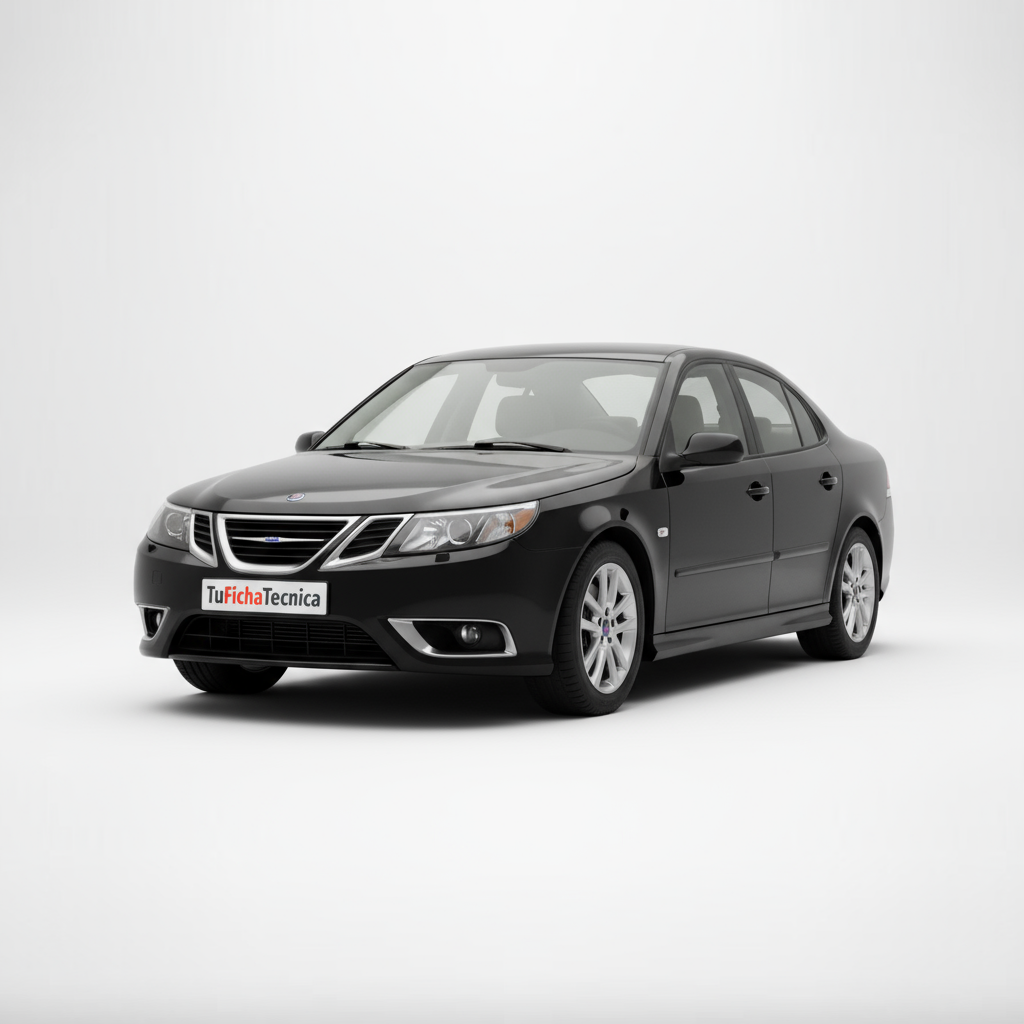
The 2008 Saab 9-3 Sport Sedan Vector 2.0t Biopower Aut. is a sedan that embodies the essence of the Swedish brand: innovation, safety, and a touch of distinction. With its 200 hp engine and the ability to run on bioethanol, this model not only offered remarkable performance but also an ecological awareness ahead of its time. Its launch price of €35,190 positioned it in a premium segment, seeking to attract those who valued individuality and engineering.
Driving experience
Behind the wheel of the Saab 9-3, the feeling is one of solidity and control. The 2.0t Biopower engine, with its 200 hp, delivers smooth yet forceful power, especially when the turbo kicks in. The acceleration from 0 to 100 km/h in 8.9 seconds is respectable for a sedan of its era, and the top speed of 225 km/h allows for long journeys with complete confidence. The 5-speed automatic transmission, while not the fastest, offers fluid transitions that contribute to a relaxed driving experience. The suspension, McPherson type at the front and deformable parallelogram at the rear, along with anti-roll bars, provides a balance between comfort and dynamism, absorbing road irregularities without sacrificing stability in curves. The steering, although its type is not specified, feels precise and communicative, allowing the driver to feel the road. The combined consumption of 9 l/100km, although high by current standards, was competitive in its segment, especially considering the power and the bioethanol option. In short, the 9-3 offers a mature and rewarding driving experience, with a touch of sportiness that does not compromise comfort.
Design and aesthetics
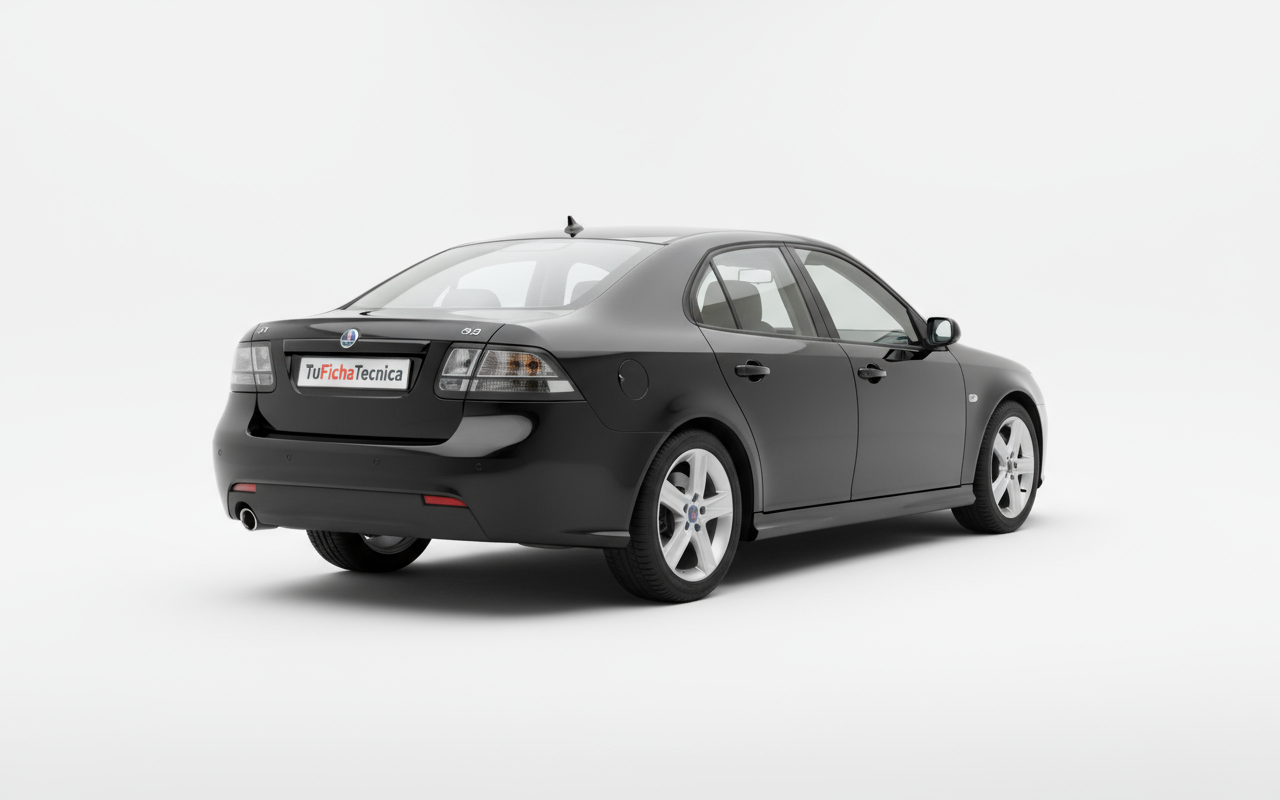
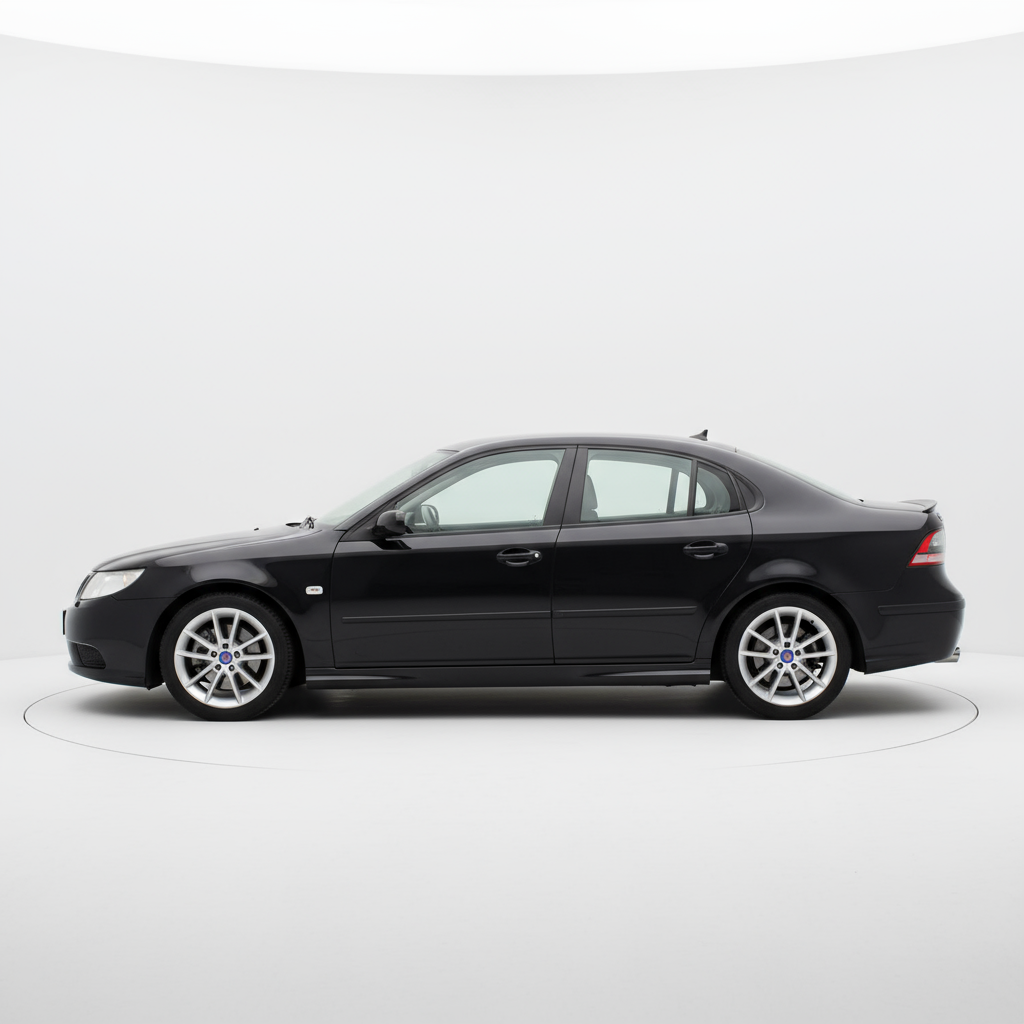
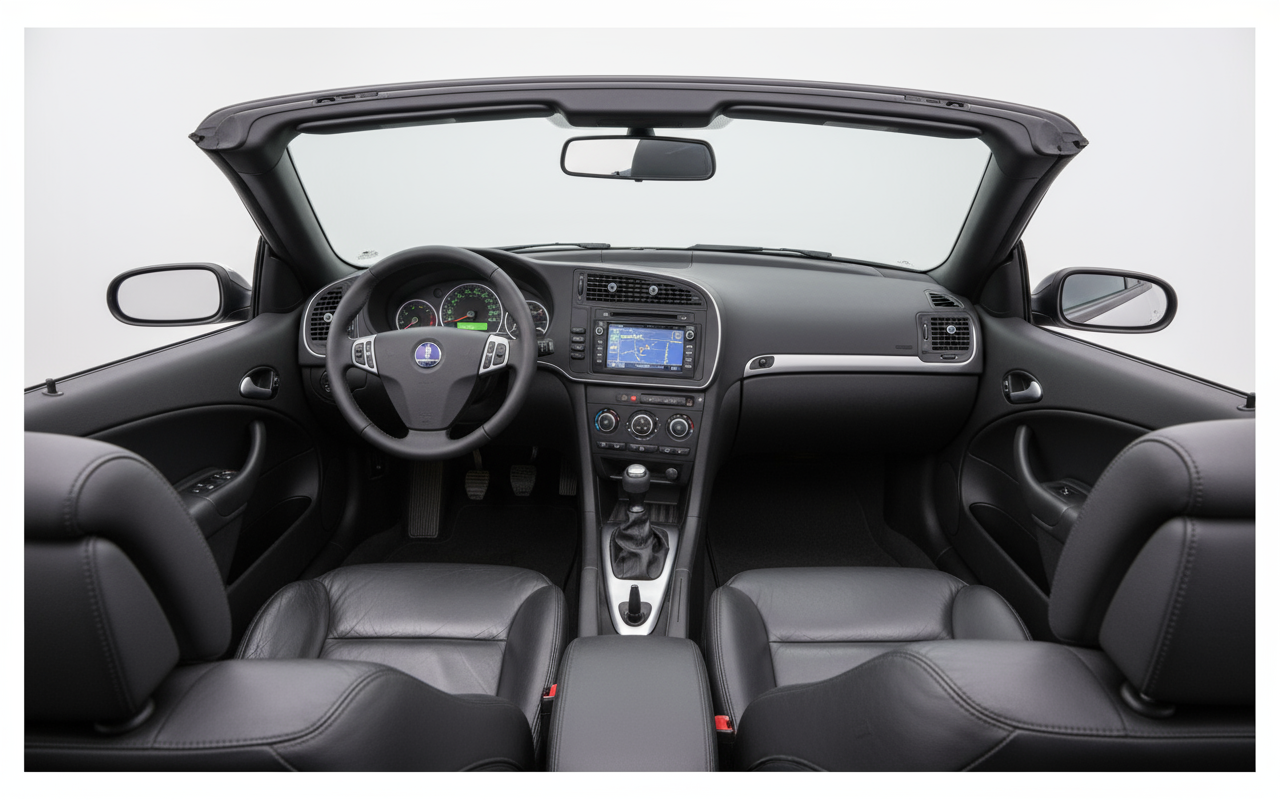
The design of the 2008 Saab 9-3 Sport Sedan is a statement of intent. Its fluid and elegant lines, with a silhouette that evokes the aerodynamics of an airplane, distinguish it from its competitors. The front, with Saab's characteristic grille and sharp headlights, gives it a determined look. The rear, with its wraparound taillights, reinforces the feeling of width and stability. Inside, the cabin is driver-oriented, with an ergonomic dashboard and quality materials. The seats, designed to offer maximum comfort on long journeys, are a hallmark of the brand. Although the overall design may seem sober to some, its timeless elegance and well-thought-out functionality make it a welcoming and practical space. Attention to detail, such as the placement of controls and night lighting, reflects Saab's user-centric design philosophy.
Technology and features
The Saab 9-3 Sport Sedan Vector 2.0t Biopower Aut. incorporated advanced technology for its time. The 2.0t Biopower engine is a clear example, capable of running on gasoline or bioethanol (E85), demonstrating Saab's commitment to sustainability. This four-cylinder engine, 1998 cc and 16 valves, with indirect injection, turbo, and intercooler, delivered 200 hp and a torque of 300 Nm at 2500 rpm, very respectable figures. The 5-speed automatic transmission, although not a dual-clutch, offered smooth and reliable operation. In terms of safety, Saab was always a pioneer, and this model was no exception, with a robust body structure and multiple airbags. Although specific driving assistance systems are not detailed, it is expected to have had the most advanced active and passive safety elements of its time. The front McPherson suspension and the rear deformable parallelogram, along with ventilated front disc brakes and solid rear disc brakes, ensured dynamic behavior and effective braking. The 17-inch wheels with 235/45 R17 tires contributed to stability and grip.
Competition
In the premium sedan segment, the Saab 9-3 Sport Sedan Vector 2.0t Biopower Aut. faced tough competitors. Models such as the BMW 3 Series, the Audi A4, and the Mercedes-Benz C-Class were its main adversaries, offering similar luxury and performance. However, the Saab distinguished itself by its focus on safety, its unconventional design, and its Biopower engine, which gave it an advantage in terms of sustainability. Other rivals might include the Volvo S60, with which it shared a philosophy of safety and Scandinavian design, or even the Alfa Romeo 159, which offered a more passionate design and a sportier driving experience. The Saab 9-3 sought a market niche among those who wanted something different, a car with character and solid engineering, without falling into the conventions of German brands.
Conclusion
The 2008 Saab 9-3 Sport Sedan Vector 2.0t Biopower Aut. is a car that, despite the years, still maintains its appeal. Its combination of a powerful and efficient engine, a distinctive design, and a focus on safety make it an interesting option for those looking for a sedan with personality. Although its consumption may be a factor to consider today, the possibility of using bioethanol and its mechanical reliability are points in its favor. It is a car that invites you to enjoy the road, with remarkable ride comfort and a dynamic response that does not disappoint. In short, the 9-3 is a testament to Swedish engineering, a car that, although no longer manufactured, remains an icon for many enthusiasts.