

Especificaciones y análisis del Saab 9-3
Power
175HP
Torque
265Nm
Consumption
8.3l/100
Emissions
-g/km
0-100 km/h
8.5s
Top Speed
225km/h
Weight
1440kg
Price
32,350€
Technical summary
Gasolina
Manual 5v
FWD
5 / 4 doors
425 L
58 L
129 kW
Current
Technical specifications
Engine
Capacities
Detailed analysis of the Saab 9-3 Sport Sedán 2.0t Ecopower Arc · 175 CV (2002-2004)
General description
The 2002 Saab 9-3 Sport Sedan 2.0t Ecopower Arc is a sedan that embodies the essence of the Swedish brand: innovation, safety, and a touch of distinction. With its 175 hp gasoline engine, this model promised a balanced driving experience, combining the comfort of a sedan with agile performance, ideal for those looking for more than just a means of transportation.
Driving experience
Behind the wheel of the Saab 9-3, the feeling is one of solidity and control. The 2.0t Ecopower engine, with its 175 hp and 265 Nm of torque, offers an energetic response from low revolutions, thanks to its turbo and intercooler. Acceleration from 0 to 100 km/h in 8.5 seconds and a top speed of 225 km/h demonstrate its capability. The rack-and-pinion steering, although without variable assistance, provides a direct connection to the road. The suspension, McPherson type at the front and deformable parallelogram at the rear, along with anti-roll bars, ensures a good compromise between comfort and stability, absorbing road irregularities without sacrificing agility in curves. The 5-speed manual gearbox is precise, allowing for dynamic and rewarding handling. The combined consumption of 8.3 l/100km is reasonable for the era and engine type.
Design and aesthetics
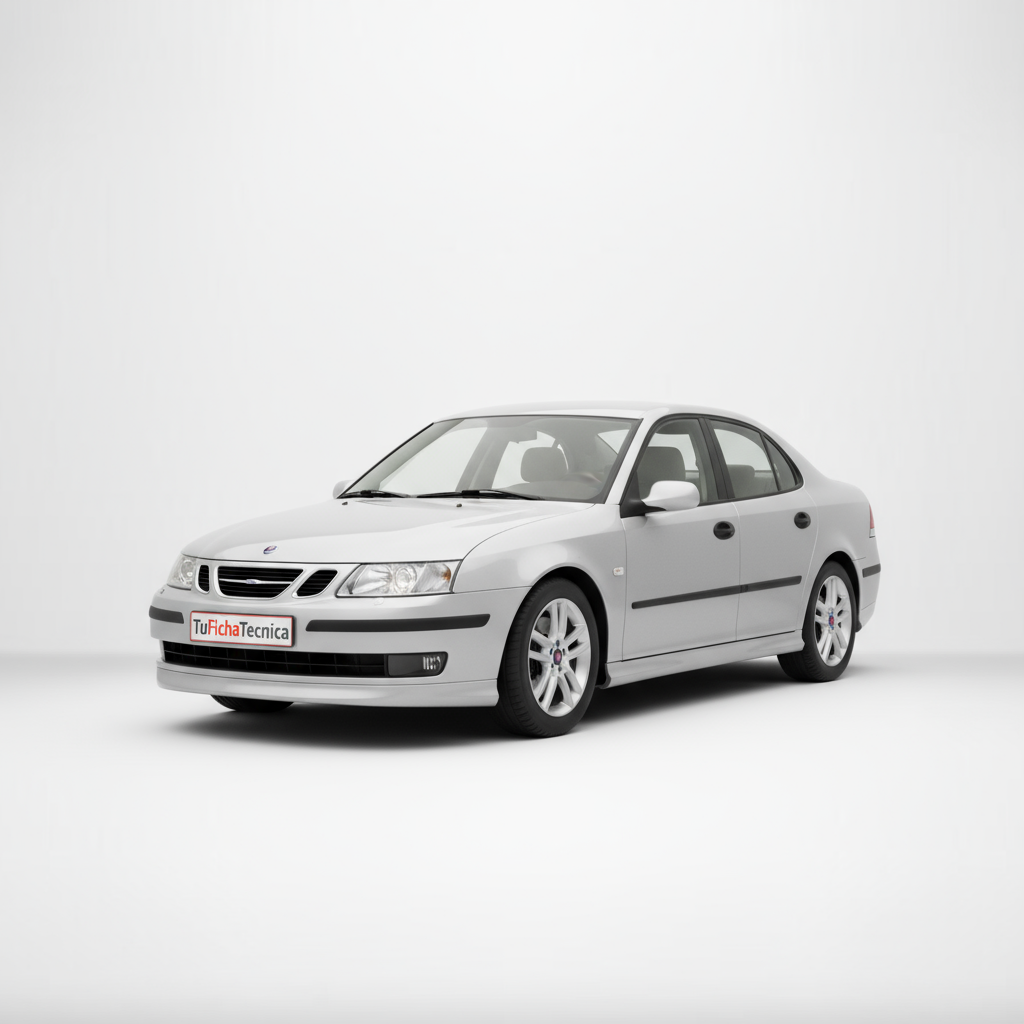
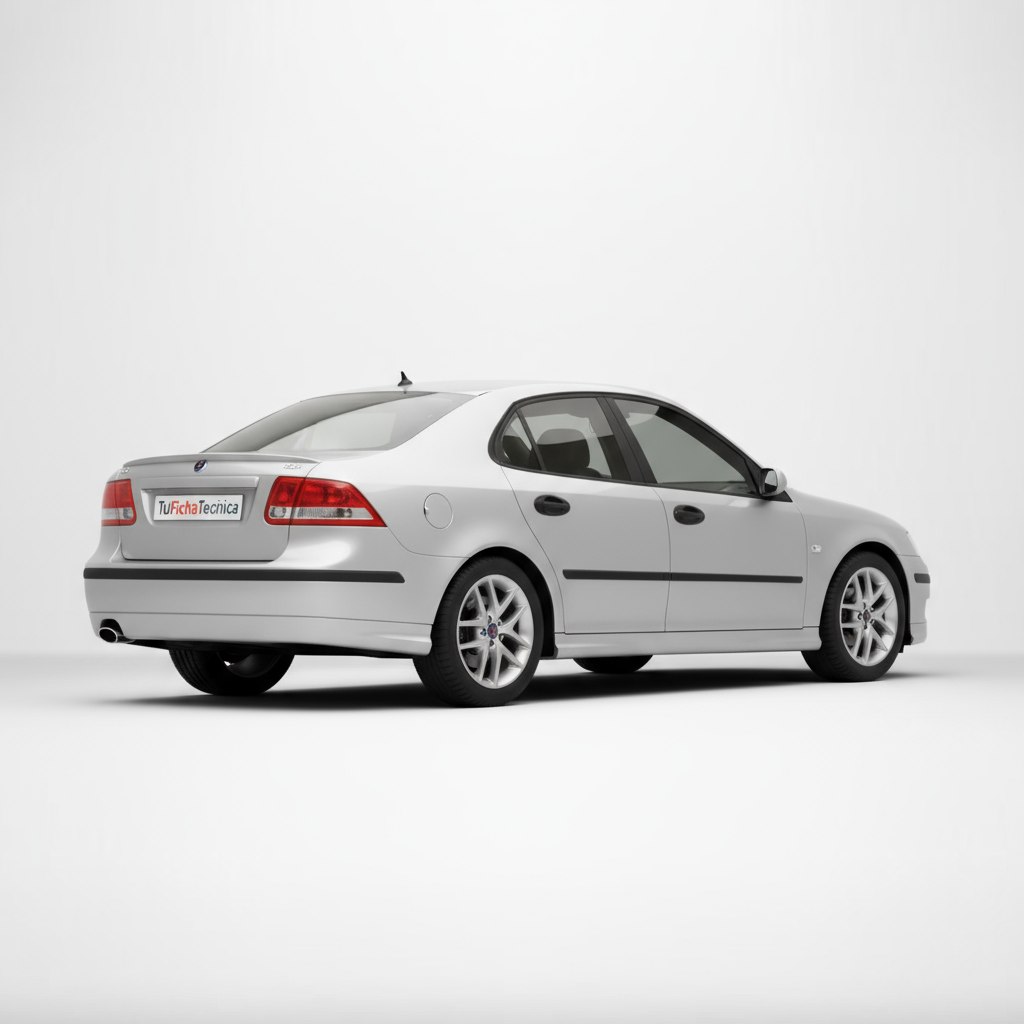
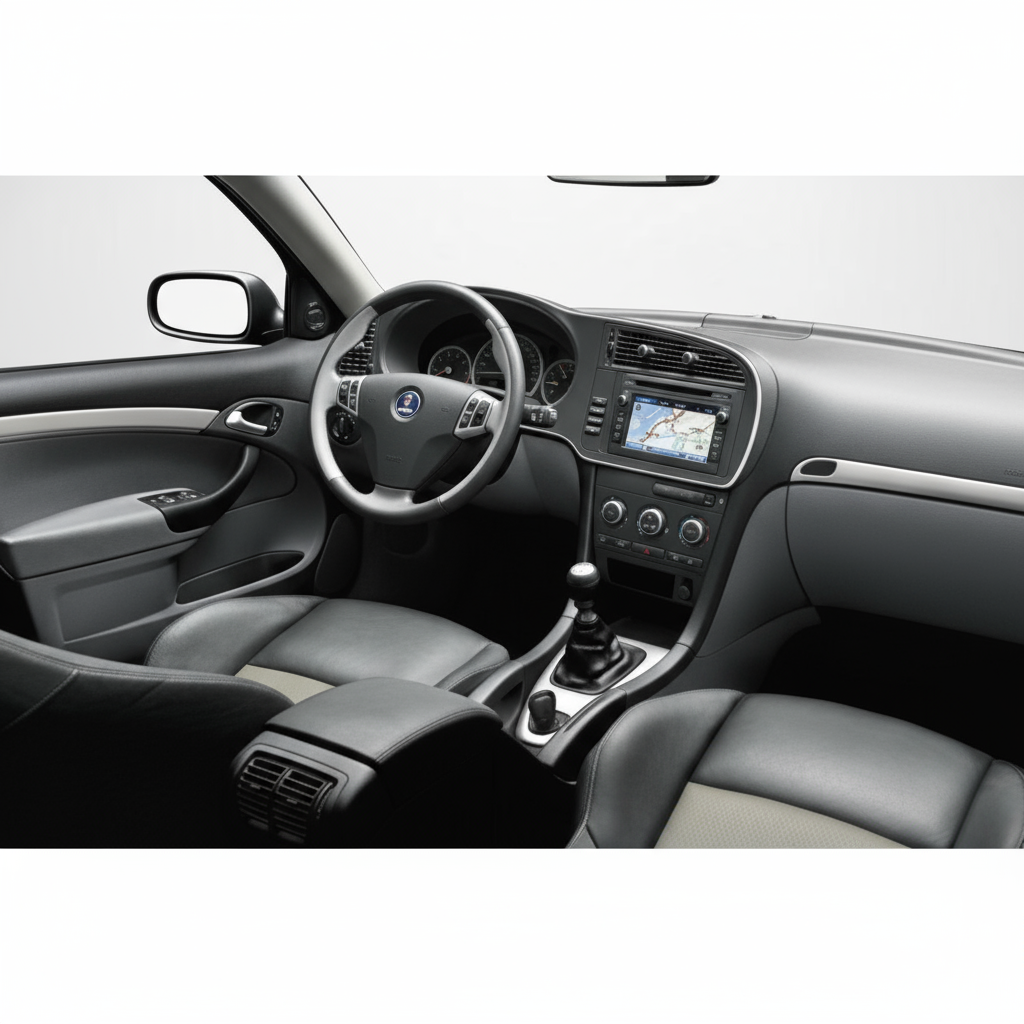
The design of the 2002 Saab 9-3 Sport Sedan is unmistakably Saab. Its fluid and elegant lines, with a silhouette that combines sportiness and sobriety, distinguish it from its competitors. The front grille, characteristic headlights, and the sloping roofline towards the rear give it a unique personality. Inside, ergonomics are key, with a driver-oriented dashboard and quality materials that convey a sense of robustness and good taste. The seats are comfortable and offer good support, ideal for long journeys. Despite its compact dimensions (4635 mm long, 1762 mm wide, and 1466 mm high), the cabin is spacious, and the 425-liter trunk is practical for everyday use.
Technology and features
In 2002, the Saab 9-3 incorporated advanced technology for its segment. The 2.0t Ecopower engine, with indirect injection, turbo, and intercooler, was an example of efficiency and performance. The engine's construction with an aluminum block and cylinder head contributed to lower weight and better heat dissipation. In terms of safety, Saab was always a pioneer, and this model was no exception; although specific details of active and passive safety systems are not detailed, it is known that the brand placed great emphasis on this aspect. Rack-and-pinion steering and ventilated front disc brakes and solid rear brakes ensured effective vehicle control. The 215/55 R16 V tires offered good grip and ride comfort.
Competition
At the time, the Saab 9-3 Sport Sedan 2.0t Ecopower Arc competed with premium sedans such as the BMW 3 Series, Audi A4, and Mercedes-Benz C-Class. It also faced models like the Volvo S60 and the Alfa Romeo 156. Compared to them, the Saab offered an alternative with a more individualistic approach, a distinctive design, and an engineering philosophy focused on safety and innovation, often with a touch of eccentricity that made it attractive to an audience looking to differentiate themselves.
Conclusion
The 2002 Saab 9-3 Sport Sedan 2.0t Ecopower Arc is a car that, despite the passage of time, maintains its appeal. It is a sedan with character, offering a pleasant driving experience and a timeless design. Its 175 hp turbo engine provides more than enough performance for most situations, and its interior, though sober, is functional and comfortable. For brand enthusiasts or those looking for a car with personality and a touch of exclusivity, this Saab remains an interesting option in the used car market, a testament to Swedish engineering and its particular vision of the automobile.