

Especificaciones y análisis del Saab 9-3
Power
150HP
Torque
240Nm
Consumption
8.1l/100
Emissions
-g/km
0-100 km/h
9.5s
Top Speed
210km/h
Weight
1440kg
Price
27,600€
Technical summary
Gasolina
Manual 5v
FWD
5 / 4 doors
425 L
58 L
110 kW
Current
Technical specifications
Engine
Capacities
Detailed analysis of the Saab 9-3 Sport Sedán 1.8t Ecopower (150 CV) Linear · 150 CV (2002-2005)
General description
The 2002 Saab 9-3 Sport Sedan 1.8t Ecopower is a sedan that embodies the essence of the Swedish brand: safety, innovation, and a touch of distinction. With its 150 hp turbo engine, this model promised a balanced driving experience, combining efficiency and adequate performance for everyday use. It positioned itself as an interesting alternative in the premium sedan segment, offering its own character and a different philosophy from its more direct competitors.
Driving experience
Behind the wheel of the Saab 9-3, one perceives a sense of solidity and control. The suspension, with a McPherson strut front and multi-link rear setup, offers a good compromise between comfort and stability, absorbing road irregularities without sacrificing connection to the road. The 1.8t Ecopower engine, with its 150 hp and 240 Nm of torque from low revolutions, provides a smooth and progressive response, ideal for safe overtakes and relaxed highway driving. The rack-and-pinion steering, although not the most communicative, performs its function with precision. Acceleration from 0 to 100 km/h in 9.5 seconds and a top speed of 210 km/h place it in a respectable performance range for its time, without extreme sporting pretensions, but with the ability to offer a pleasant and safe journey.
Design and aesthetics
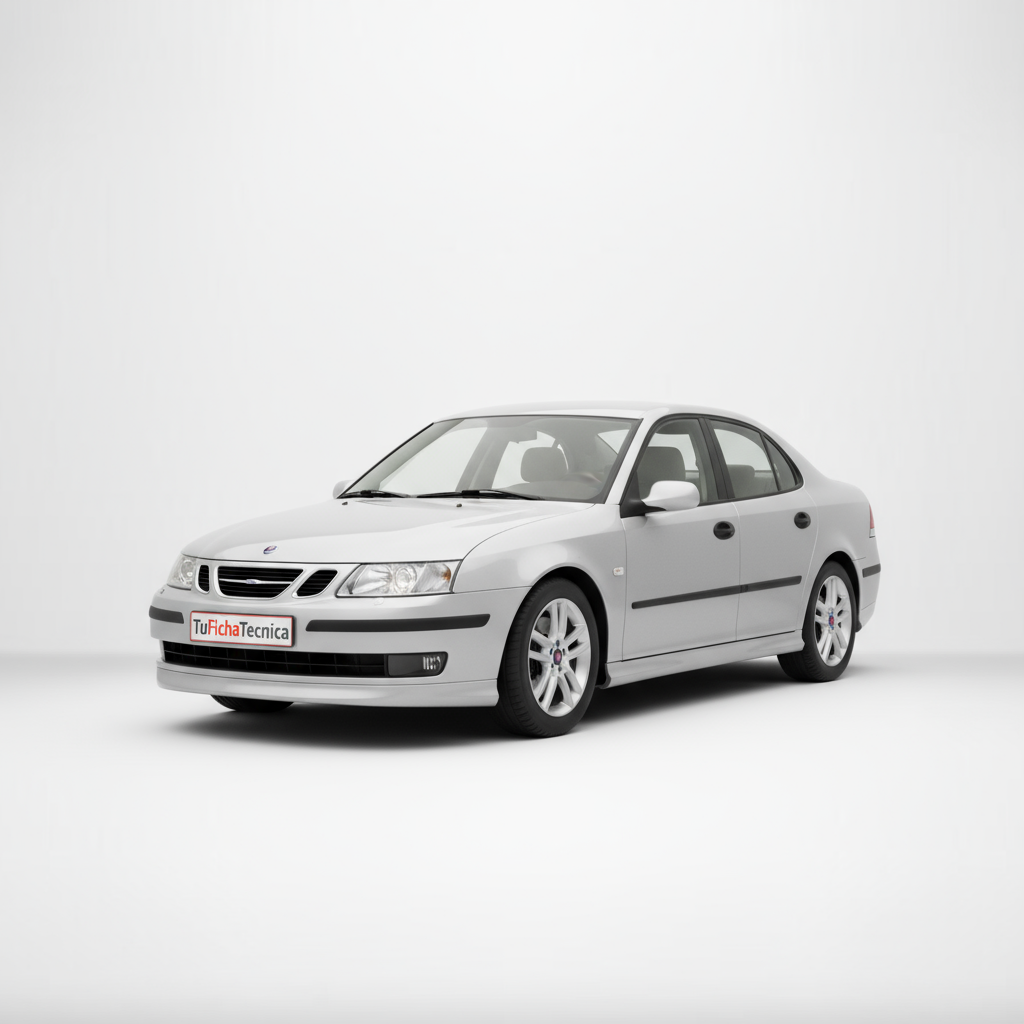
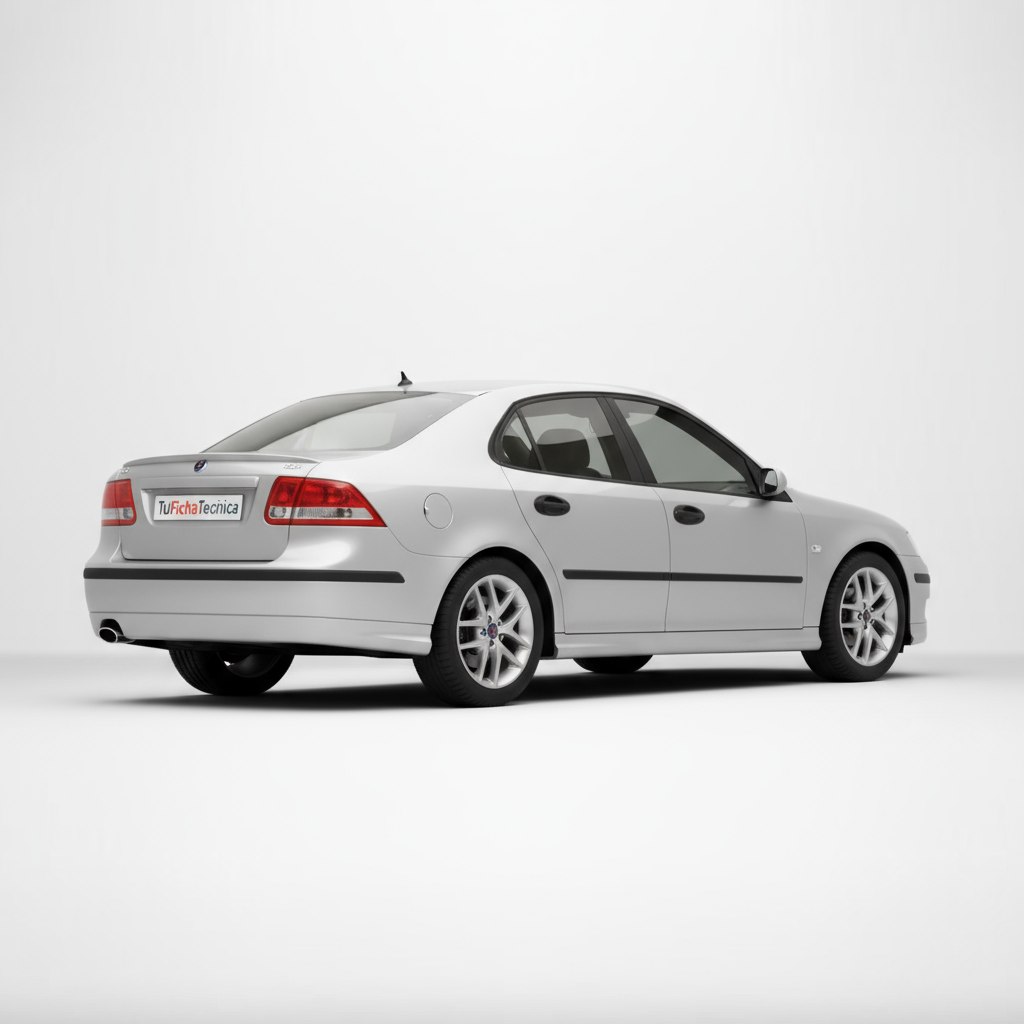
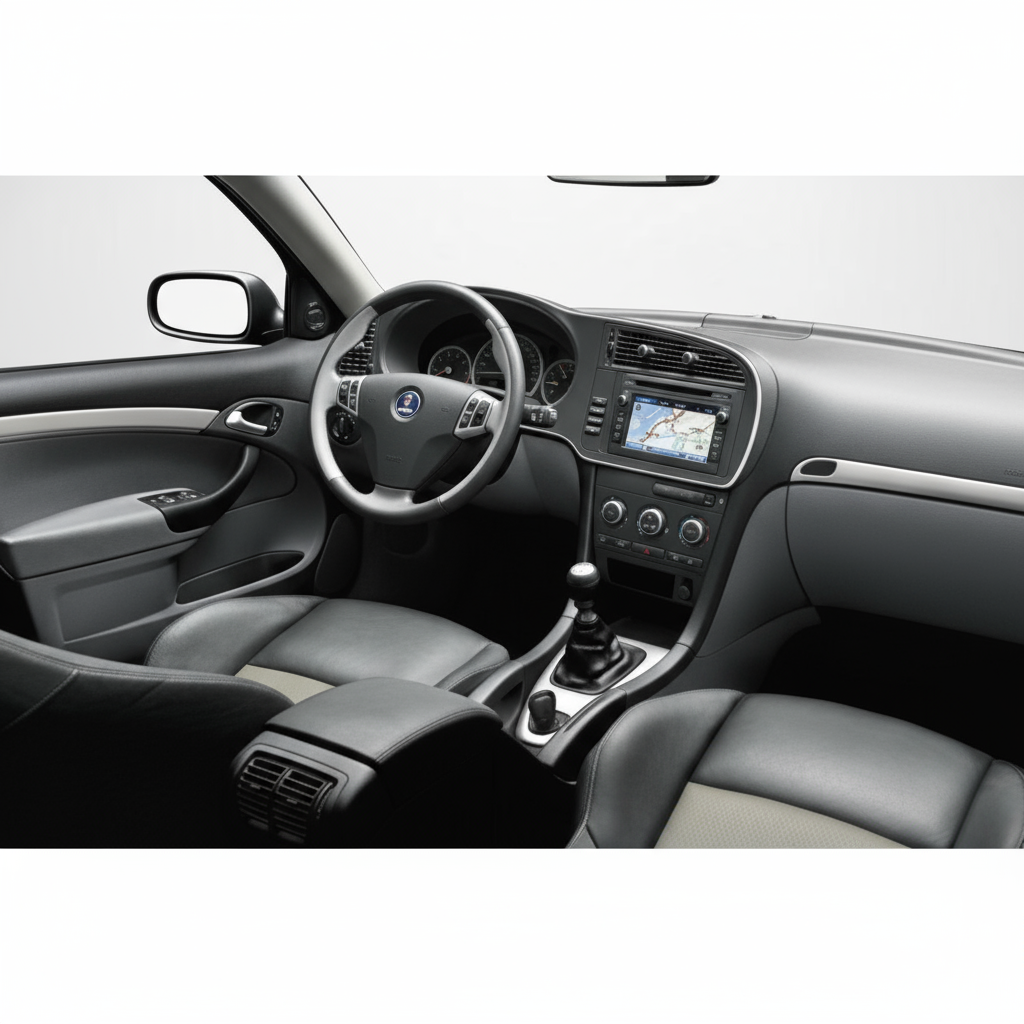
The design of the 2002 Saab 9-3 Sport Sedan is unmistakably Saab. Its fluid and elegant lines, with a silhouette that evokes dynamism, distinguish it from the competition. The front grille, characteristic headlights, and the sloping roofline towards the rear give it a unique personality. Inside, ergonomics are a priority, with a driver-oriented dashboard and an intuitive control layout. The materials, although not always the most luxurious, convey a sense of durability and quality. It is a design that, even today, maintains a certain timelessness and a discreet but sophisticated appeal.
Technology and features
At its launch, the Saab 9-3 incorporated advanced technology for its segment. The 1.8t Ecopower engine, with indirect injection, turbo, and intercooler, was an example of Saab's commitment to efficiency and performance. Although it did not have the latest infotainment innovations we see today, it offered comprehensive equipment in safety and comfort. Front-wheel drive and a 5-speed manual transmission were standard configurations, but well-tuned for the car's character. The aluminum engine construction, both block and cylinder head, contributed to a contained weight and better mass distribution.
Competition
The Saab 9-3 Sport Sedan competed in a very demanding segment, facing models such as the BMW 3 Series, the Audi A4, and the Mercedes-Benz C-Class. It also competed with the Volvo S60, its Swedish compatriot. Compared to them, the Saab offered an alternative with a more individualistic approach, prioritizing safety, ergonomics, and a distinctive design, rather than the pure sportiness or ostentatious luxury that often characterized its German rivals. Its proposal was for those who sought something different, with a touch of exclusivity and solid engineering.
Conclusion
The 2002 Saab 9-3 Sport Sedan 1.8t Ecopower is a car with soul, a sedan that offered a safe and comfortable driving experience, wrapped in an elegant and distinctive design. Although it may not have stood out for its pure performance or dazzling luxury, its overall balance, its focus on safety, and its unique character made it a very attractive option for an audience that valued Swedish engineering and the brand's personality. It is a car that, despite the passage of time, still evokes a sense of quality and good taste.