

Especificaciones y análisis del Saab 9-3
Power
120HP
Torque
280Nm
Consumption
5.8l/100
Emissions
147g/km
0-100 km/h
11.5s
Top Speed
200km/h
Weight
-kg
Price
24,822€
Technical summary
Gasóleo
Manual 6v
FWD
5 / 4 doors
425 L
58 L
88 kW
Current
Technical specifications
Engine
Capacities
Detailed analysis of the Saab 9-3 Sport Sedán 1.9 TiD (120 CV) Linear Sport · 120 CV (2006)
General description
The Saab 9-3 Sport Sedan 1.9 TiD 120 hp, launched in 2002, represents the essence of Swedish engineering, combining a distinctive design with driver-focused functionality. This model, in its Linear Sport version, offered an interesting proposition for those seeking a diesel sedan with a touch of exclusivity and dynamic behavior.
Driving experience
Behind the wheel of the Saab 9-3, the feeling is one of solidity and control. The 1.9 TiD 120 hp engine, while not an abundance of power, delivers its 280 Nm of torque linearly and sufficiently for daily use and long journeys. The steering is precise and the suspension, McPherson type at the front and deformable parallelogram at the rear, filters irregularities well without sacrificing stability. The six-speed manual gearbox allows the engine to be exploited and consumption to be kept in check. It is a car that invites you to enjoy the road with a sense of safety and comfort.
Design and aesthetics
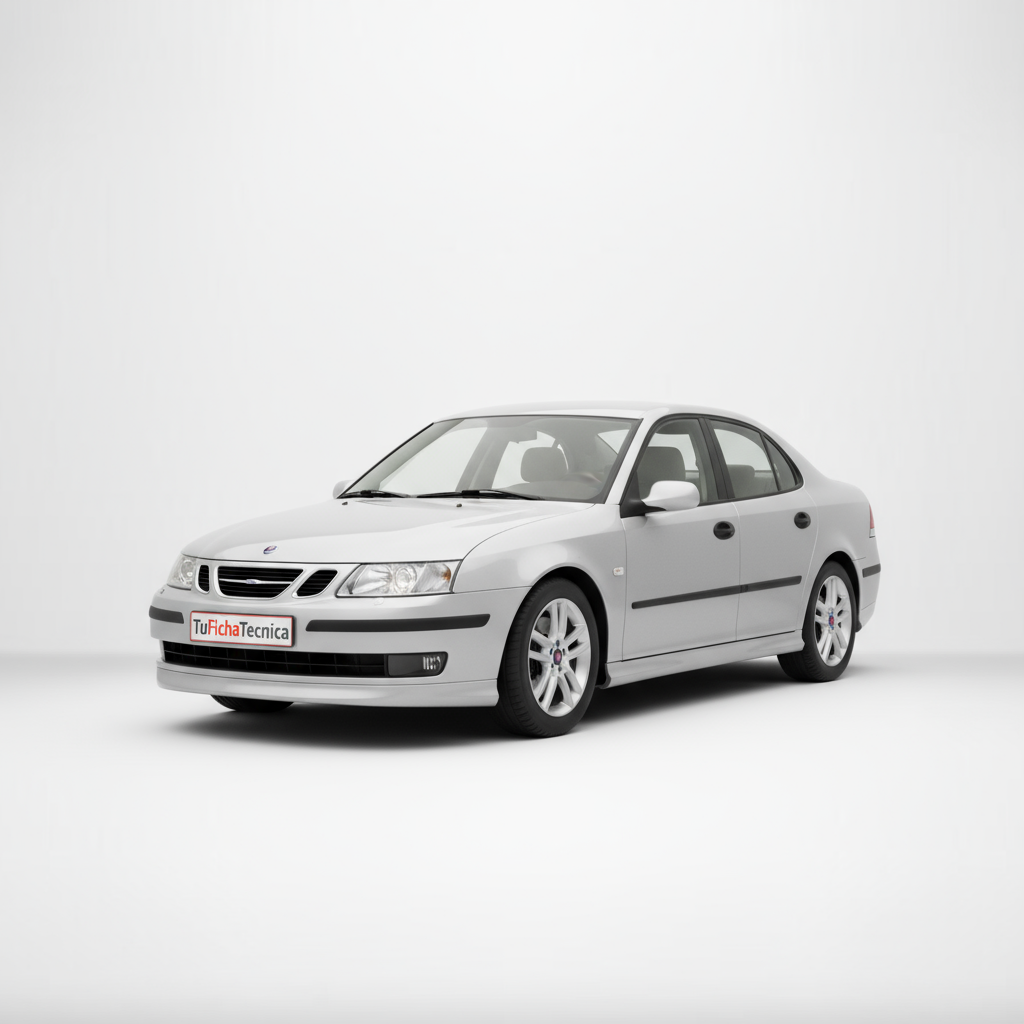
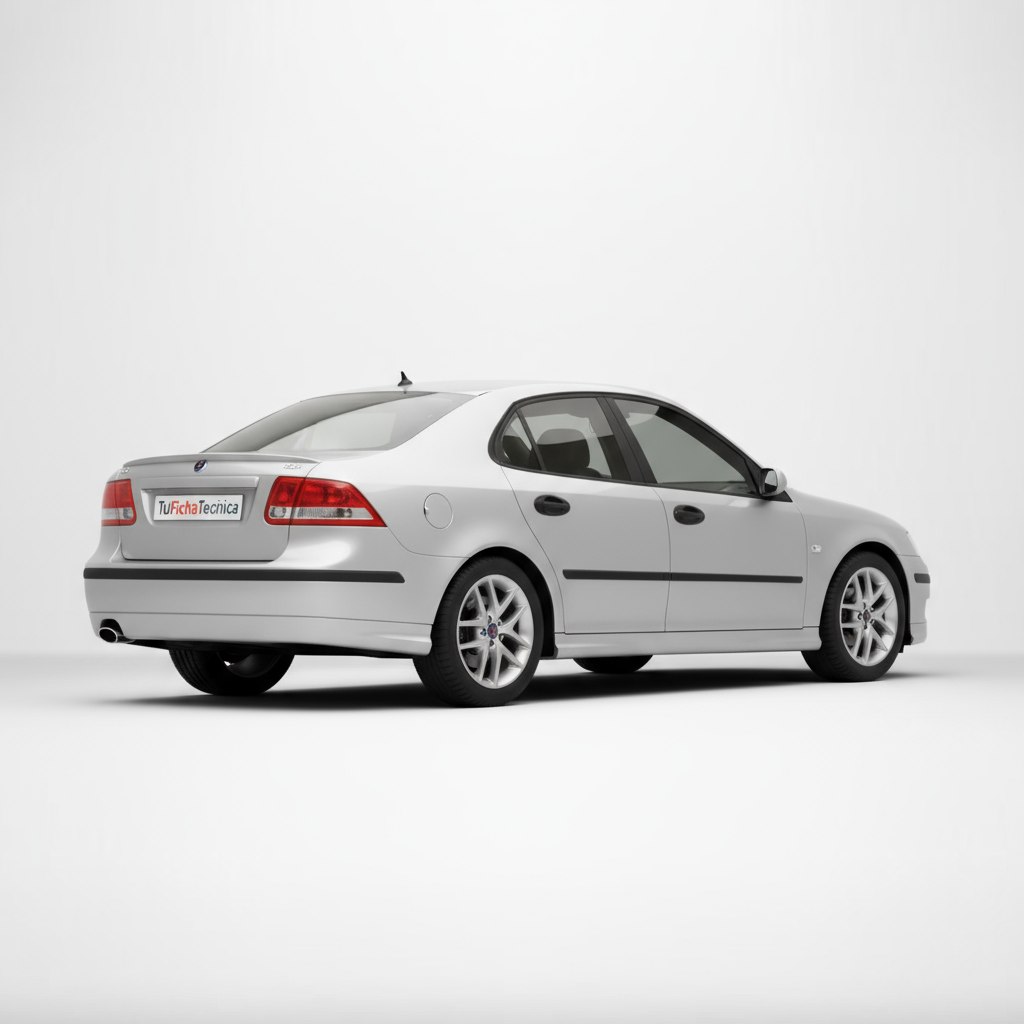
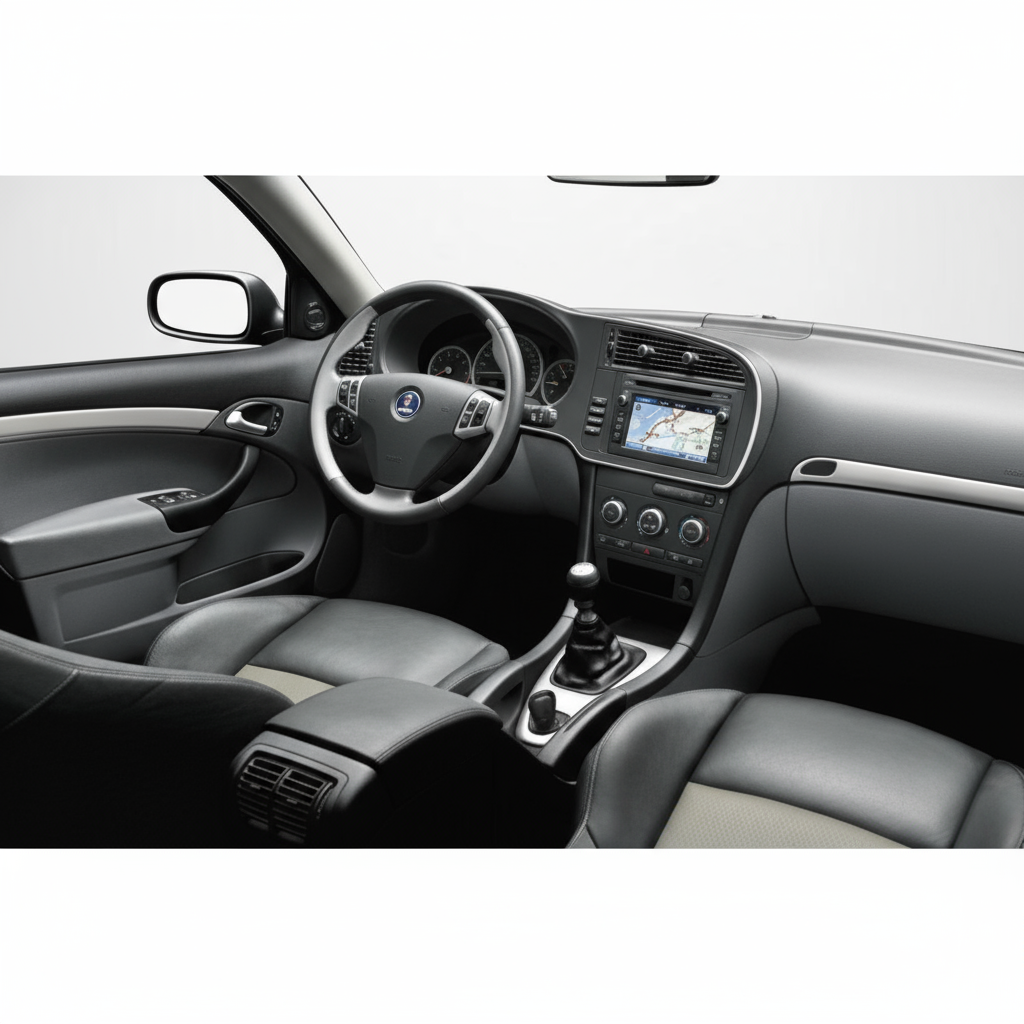
The design of the Saab 9-3 Sport Sedan is unmistakably Saab. Its clean and elegant lines, with that characteristic grille and harmoniously integrated headlights, give it a unique personality. The interior, sober and functional, is driver-focused, with well-studied ergonomics and good quality materials. The seats are comfortable and offer good support, ideal for long journeys. Despite its age, its aesthetic remains attractive and timeless, standing out from the multitude of sedans of its era.
Technology and features
At the time, the Saab 9-3 incorporated advanced technology for safety and comfort. The 1.9 TiD engine with common rail direct injection, variable geometry turbo, and intercooler was an example of diesel efficiency. Although it did not have the latest connectivity innovations, its equipment included elements such as ventilated front disc brakes and rear discs, rack-and-pinion steering, and a well-balanced chassis that guaranteed a safe and pleasant driving experience. Mechanical reliability was one of its great strengths.
Competition
In the premium diesel sedan segment, the Saab 9-3 competed with models such as the BMW 3 Series, the Audi A4, and the Mercedes-Benz C-Class. Compared to them, the Saab offered an alternative with a more individualistic character, a less conventional design, and a philosophy focused on safety and ergonomics. Although it perhaps did not reach the same level of sportiness as some of its German rivals, its comfort and distinctive personality made it a very attractive option for an audience looking for something different.
Conclusion
The Saab 9-3 Sport Sedan 1.9 TiD 120 hp is a car that, despite the passage of time, remains an interesting option for those who value quality, safety, and a design with character. Its diesel engine offers a good balance between performance and consumption, and its road behavior is noble and predictable. It is a vehicle that evokes a certain nostalgia for a brand that left an indelible mark on the automotive industry, offering a unique and rewarding driving experience.