

Especificaciones y análisis del Saab 9-3
Power
150HP
Torque
240Nm
Consumption
8.8l/100
Emissions
-g/km
0-100 km/h
8.5s
Top Speed
215km/h
Weight
1320kg
Price
23,512€
Technical summary
Gasolina
Manual 5v
FWD
5 / 3 doors
494 L
64 L
110 kW
Current
Technical specifications
Engine
Capacities
Detailed analysis of the Saab 9-3 2.0t Coupé · 150 CV (1998-2001)
General description
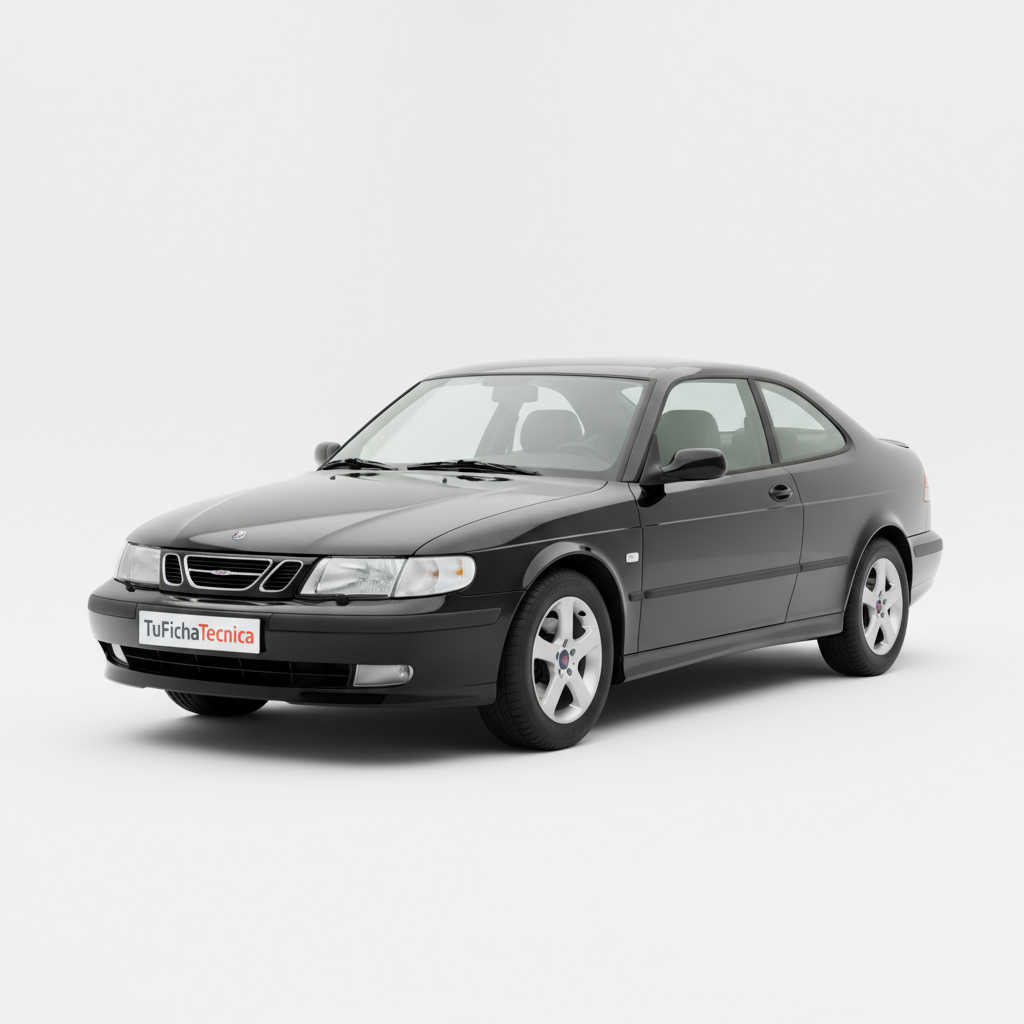
The 1998 Saab 9-3 Coupé is an automotive gem that encapsulates the essence of Swedish engineering. With its 150 hp 2.0t engine, this coupé not only promises exciting performance but also a distinctive driving experience that sets it apart from its contemporaries. It is a car that, from the first glance, invites you on a journey where functionality meets passion.
Driving experience
Behind the wheel of the Saab 9-3 Coupé, the feeling is one of control and connection. The 150 hp turbocharged engine delivers its power smoothly yet forcefully, with 240 Nm of torque available from 1800 rpm that pushes you decisively. The 5-speed manual gearbox allows for direct and rewarding interaction with the mechanics, making every shift a delight. The suspension, McPherson type at the front and trailing arm with torsional element at the rear, offers a balance between comfort and agility, absorbing road irregularities without sacrificing stability in curves. The steering, although its type is not specified, feels precise, transmitting confidence to the driver. It is a car that makes you feel part of the road, not just an observer.
Design and aesthetics
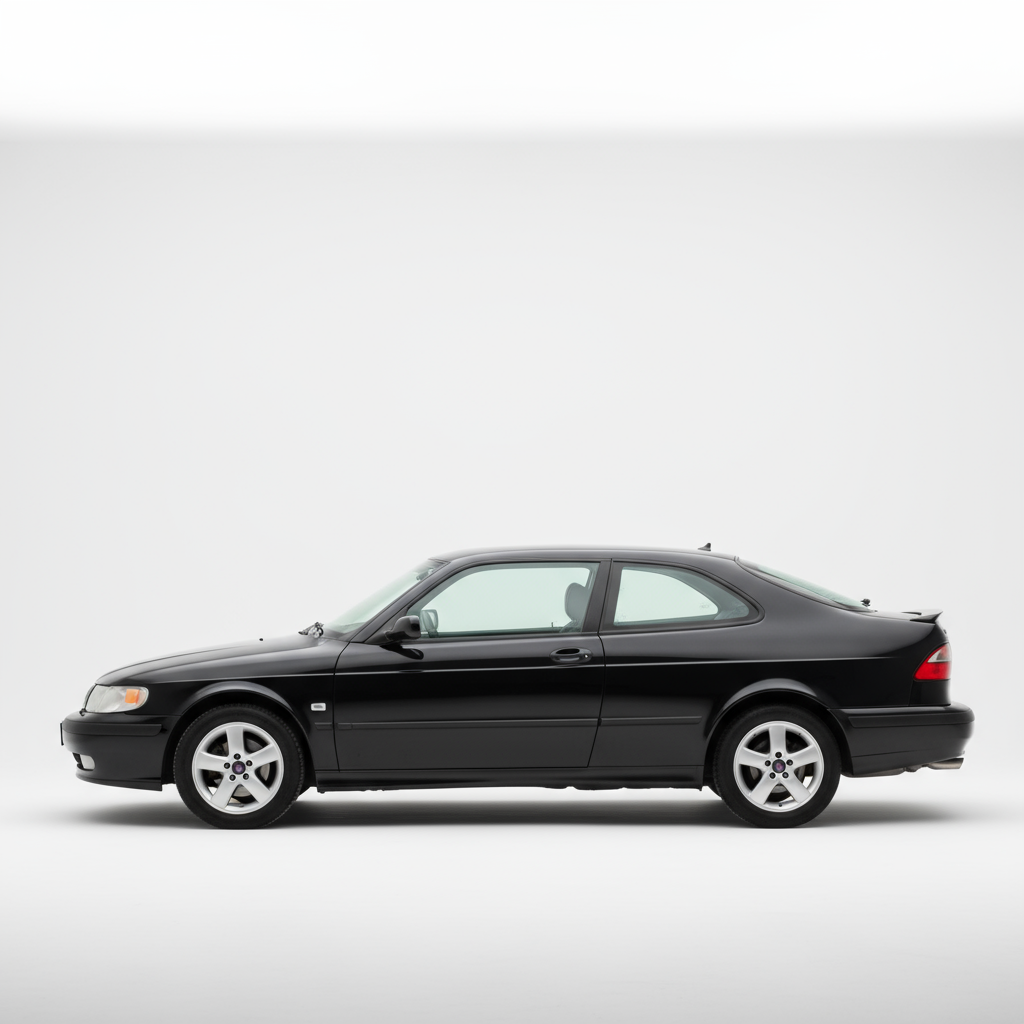
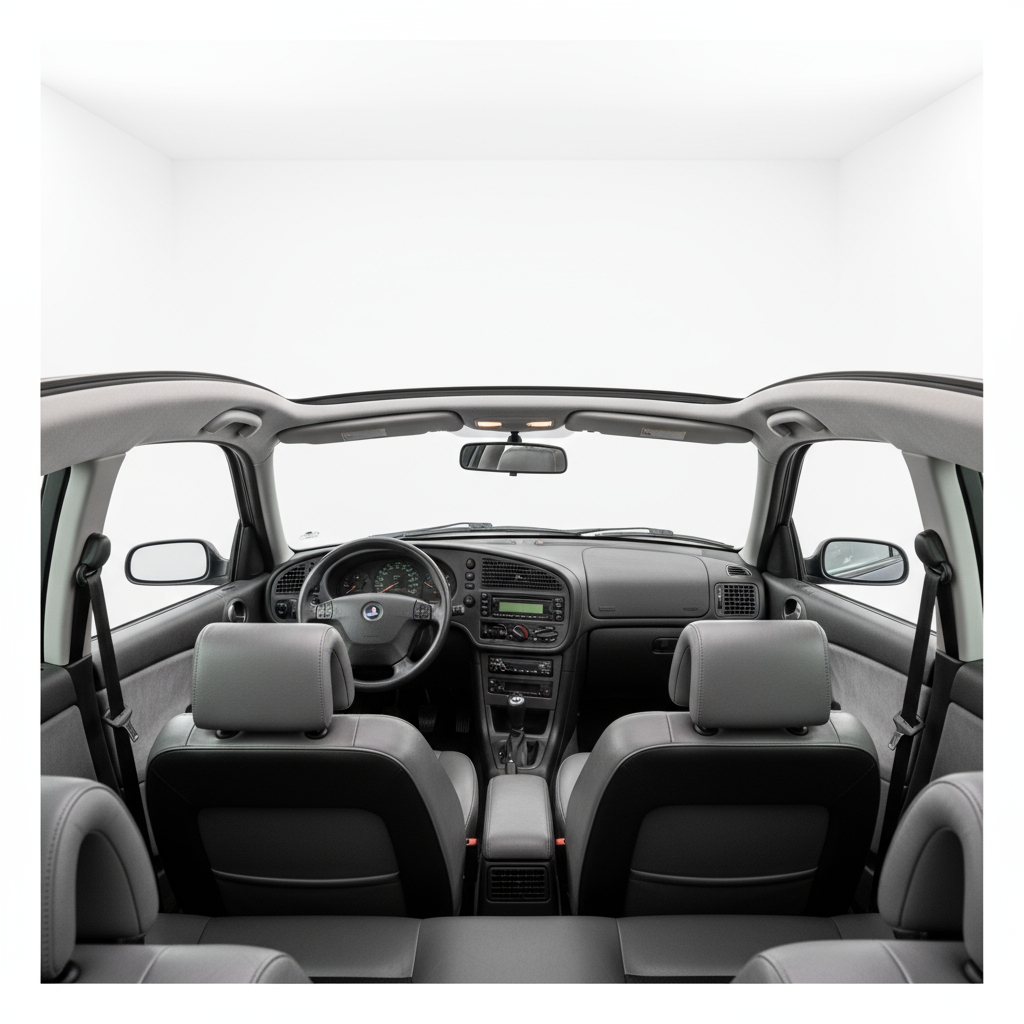
The design of the Saab 9-3 Coupé is unmistakably Saab, a blend of timeless elegance and Scandinavian functionality. Its fluid lines and three-door silhouette give it a sporty and sophisticated presence. With a length of 4639 mm and a width of 1711 mm, its size is ideal for both city and highway. The interior, although not detailed in the data, is characterized by its ergonomics and the quality of its materials, with a driver-oriented dashboard that reflects the brand's aeronautical philosophy. The seats, designed for long journeys, offer exceptional comfort. The 494-liter trunk is surprisingly generous for a coupé, adding a practical touch to its aesthetic appeal.
Technology and features
In 1998, the Saab 9-3 Coupé incorporated advanced technology for its time. Its 2.0t gasoline engine with indirect injection, turbo, and intercooler was an example of efficiency and performance. The engine's construction, with an iron block and aluminum cylinder head, ensured durability and lightness. Although it does not have the latest current connectivity innovations, its focus on driver safety and comfort was paramount. Front-wheel drive and the 5-speed manual transmission offered a direct and reliable driving experience. Ventilated disc brakes at the front and disc brakes at the rear ensured effective braking capability, a crucial aspect for a car with its performance.
Competition
In its segment, the Saab 9-3 Coupé competed with vehicles such as the BMW 3 Series Coupé, the Audi A3, and the Volvo C70. Compared to them, the Saab offered a distinctive alternative, with a more eccentric character and a unique design and safety philosophy. While German rivals focused on pure sportiness or luxury, the Saab opted for a combination of intelligent performance, comfort, and its own identity that made it stand out from the crowd. Its turbo engine and its focus on interior ergonomics were strong points that differentiated it.
Conclusion
The 1998 Saab 9-3 Coupé is more than a car; it is a statement of intent. It represents an era when Swedish automotive engineering shone brightly, offering vehicles with personality, performance, and exceptional build quality. It is a car for those who appreciate uniqueness, comfort on long journeys, and the thrill of a well-tuned turbo engine. Although years have passed, its charm endures, making it a modern classic that continues to offer a rewarding and distinctive driving experience. It is a car that invites you to enjoy every kilometer, with the assurance that you are behind the wheel of something special.