

Especificaciones y análisis del Saab 9-3
Power
211HP
Torque
300Nm
Consumption
8.9l/100
Emissions
213g/km
0-100 km/h
8s
Top Speed
230km/h
Weight
-kg
Price
46,900€
Technical summary
Gasolina
Manual 6v
FWD
4 / 2 doors
352 L
59 L
155 kW
Current
Technical specifications
Engine
Capacities
Detailed analysis of the Saab 9-3 Cabrio Vector 2.0T · 211 CV (2008-2010)
General description
The 2008 Saab 9-3 Cabrio Vector 2.0T is a unique proposition in the convertible segment, combining Saab's distinctive design philosophy with a powerful engine and a refined driving experience. This model, with its 211 hp gasoline engine and 6-speed manual gearbox, promises a blend of excitement and elegance, ideal for those seeking more than just a simple car.
Driving experience
Driving the Saab 9-3 Cabrio is an experience that evokes freedom and sophistication. The 211 hp 2.0T engine, with its turbo and intercooler, offers an energetic response and a torque of 300 Nm from 2500 rpm, translating to 0 to 100 km/h acceleration in 8 seconds and a top speed of 230 km/h. The suspension, McPherson type at the front and deformable parallelogram at the rear, along with ventilated disc brakes, ensure dynamic and safe handling. The 6-speed manual transmission allows total control over the power, making every journey more exciting. The soft top, when folded, transforms the cabin into an open space where wind and sun become travel companions, amplifying the sensations behind the wheel.
Design and aesthetics
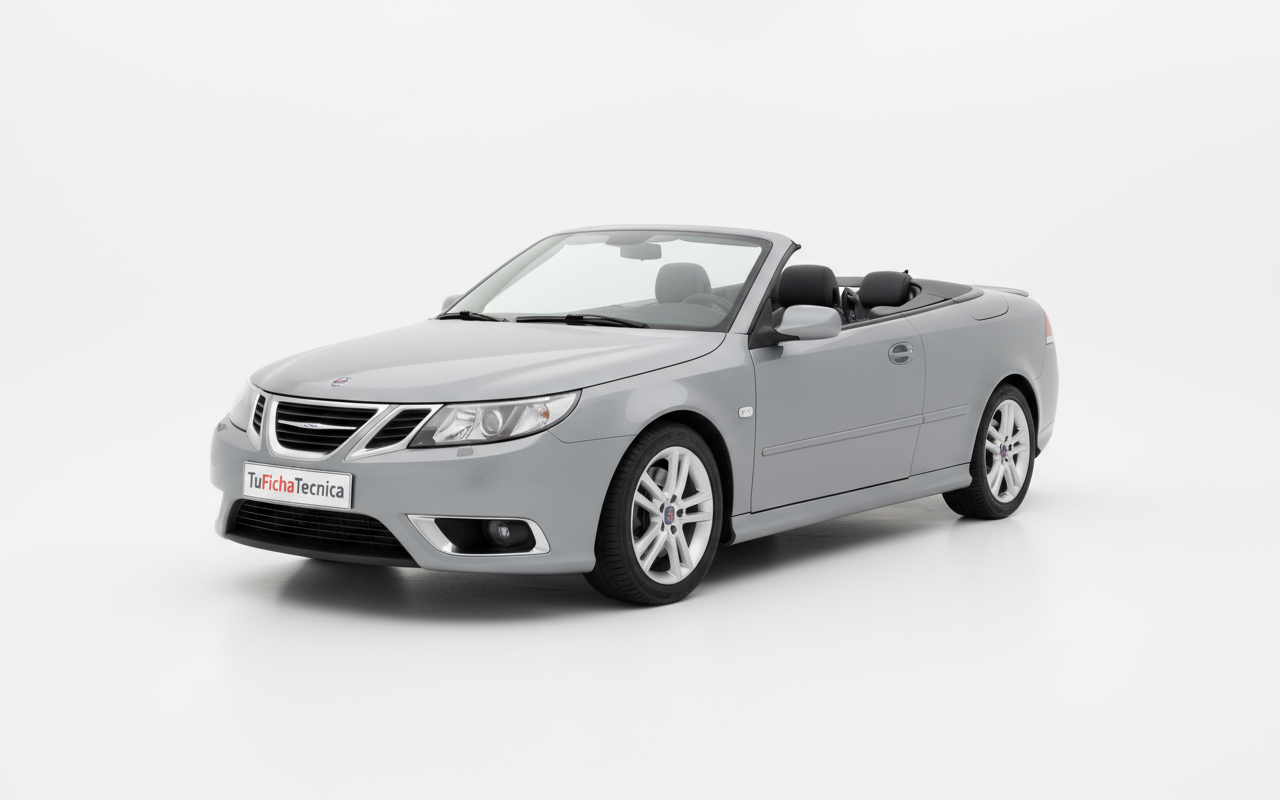
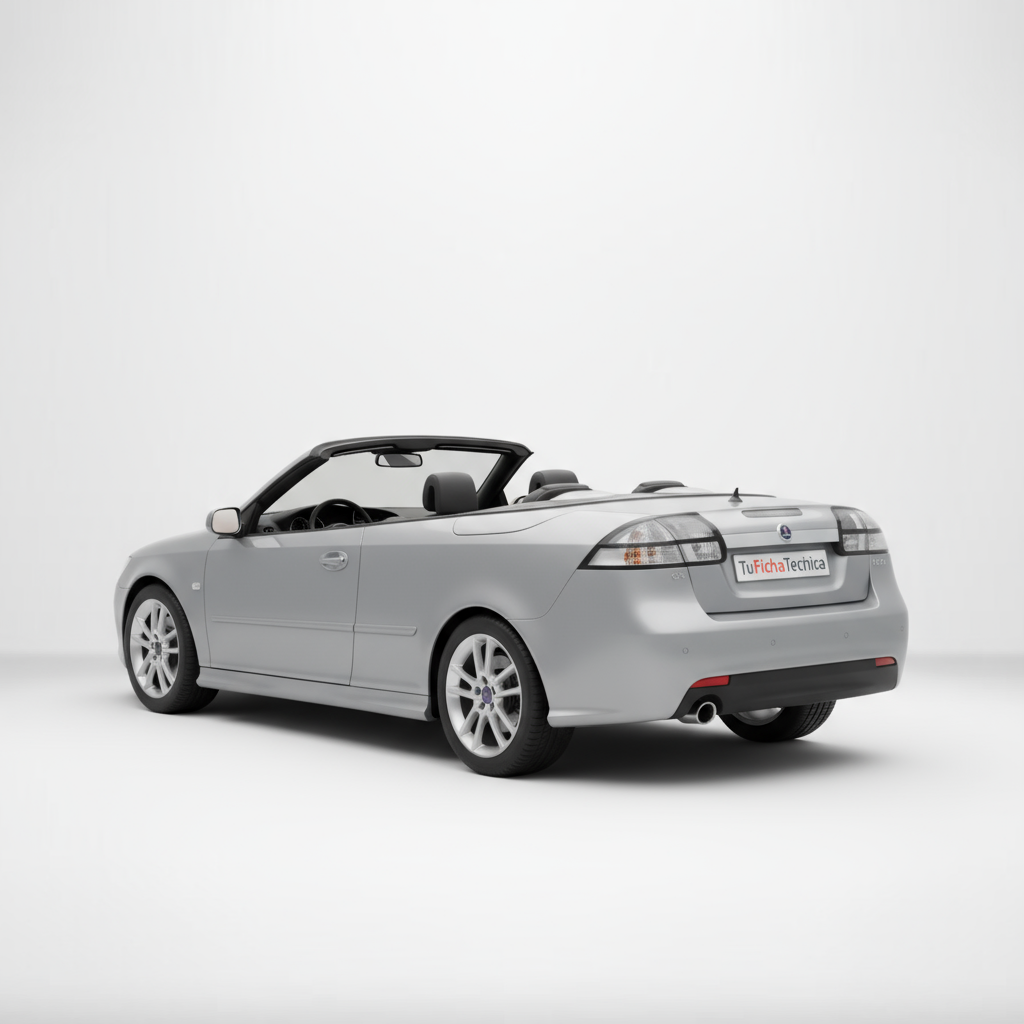
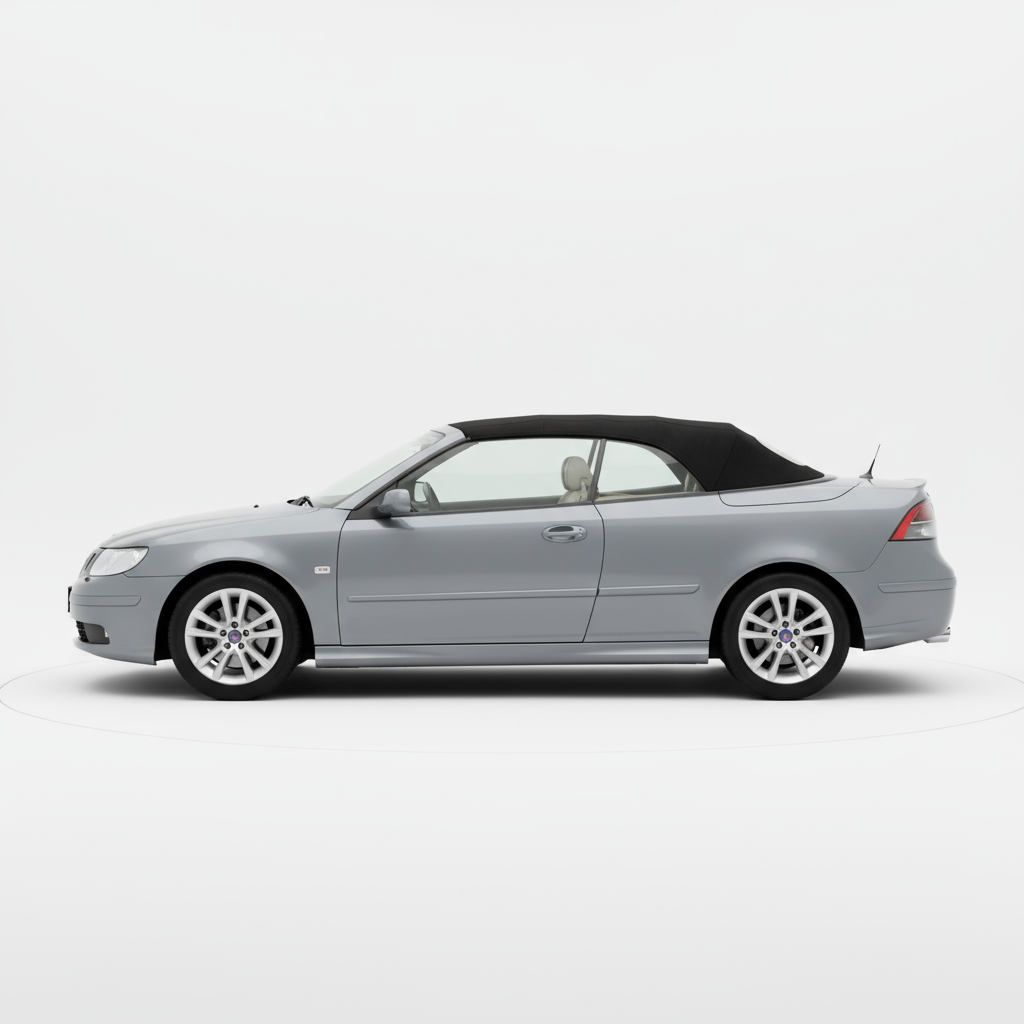
The design of the Saab 9-3 Cabrio is timeless and elegant, with clean lines and a distinctive silhouette that sets it apart from its competitors. The two-door, four-seater body, with its 4647 mm length, 1762 mm width, and 1437 mm height, projects an image of solidity and distinction. Exterior details, such as the 17-inch wheels with 235/45 R17 tires, reinforce its sporty and sophisticated character. The interior, although not detailed in the data, is expected to follow Saab's tradition of offering an ergonomic and high-quality cabin, with a focus on functionality and comfort. The trunk capacity of 352 liters is adequate for a convertible of its size, allowing for getaways with luggage.
Technology and features
Although the Saab 9-3 Cabrio Vector 2.0T is a 2008 model, it incorporates advanced technology for its time. The 1998 cc gasoline engine, with indirect injection, turbo, and intercooler, is an example of efficient and powerful engineering. Front-wheel drive (FWD) and the 6-speed manual transmission offer a direct and engaging driving experience. In terms to safety and comfort, it is expected to feature the brand's usual systems, although the provided data does not specify details. Independent suspension on both axles and ventilated disc brakes are key elements for dynamic and safe performance.
Competition
In its segment, the 2008 Saab 9-3 Cabrio Vector 2.0T competed with models such as the BMW 3 Series Cabrio, the Audi A4 Cabrio, and the Mercedes-Benz CLK Cabrio. Compared to them, the Saab offered an alternative with a more distinctive design and a unique brand philosophy, often perceived as more individualistic and less conventional. Its 211 hp turbo engine placed it in a competitive position in terms of performance, while its price of €46,900 made it attractive compared to German premium options.
Conclusion
The 2008 Saab 9-3 Cabrio Vector 2.0T is more than a car; it is a statement of intent. It represents the essence of Saab: innovation, distinctive design, and a rewarding driving experience. For those looking for a convertible with character, that stands out from the ordinary and offers a combination of power, elegance, and a touch of exclusivity, this model remains a fascinating option. Its combined consumption of 8.9 l/100km and CO2 emissions of 213 g/km are reasonable for a vehicle of its power and era, and its DGT 'C' label allows it some freedom of circulation.