
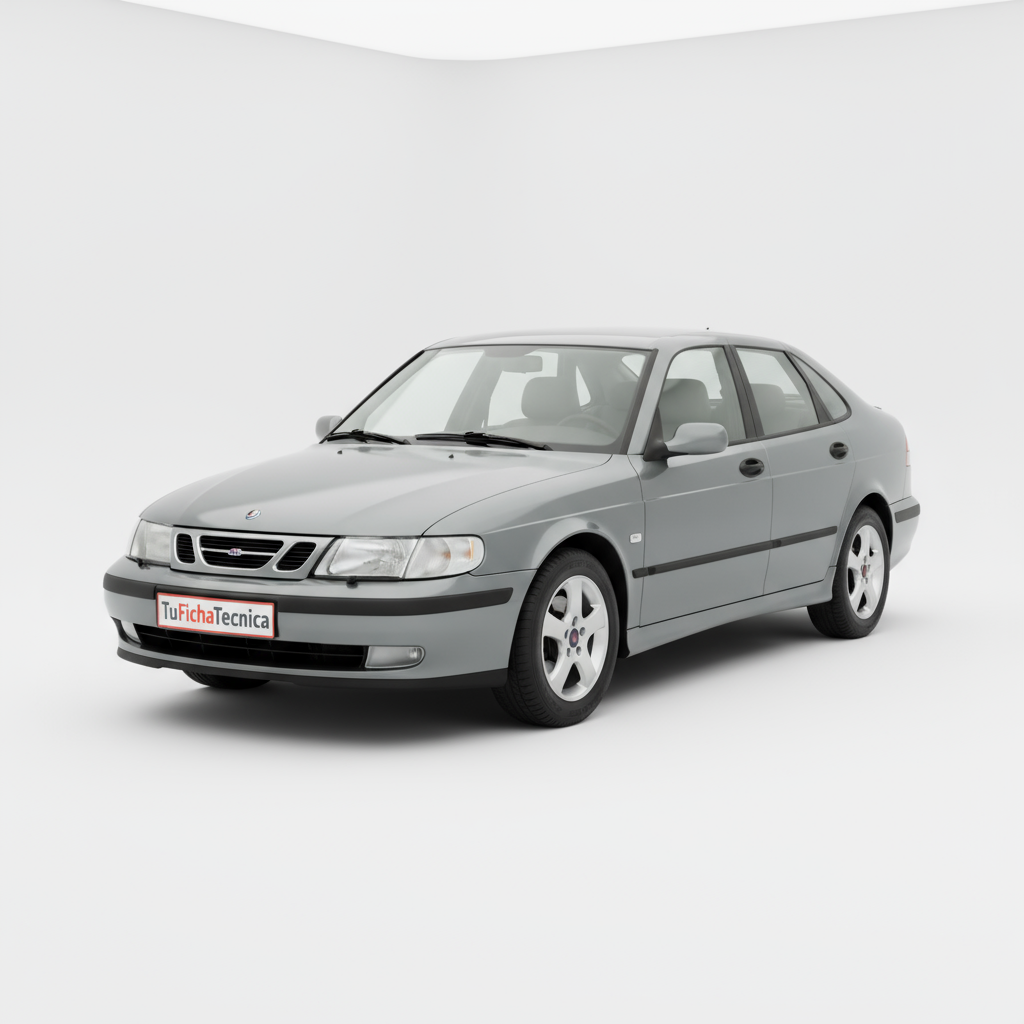
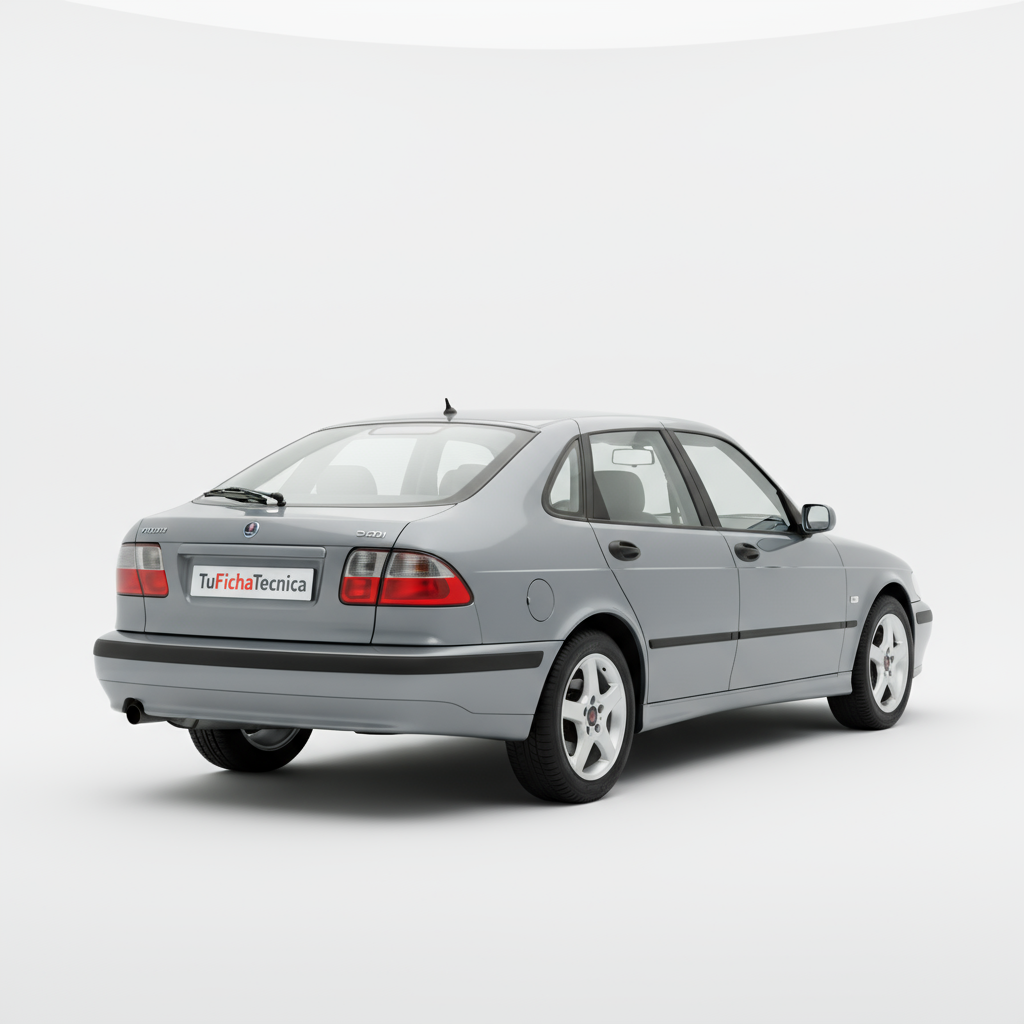
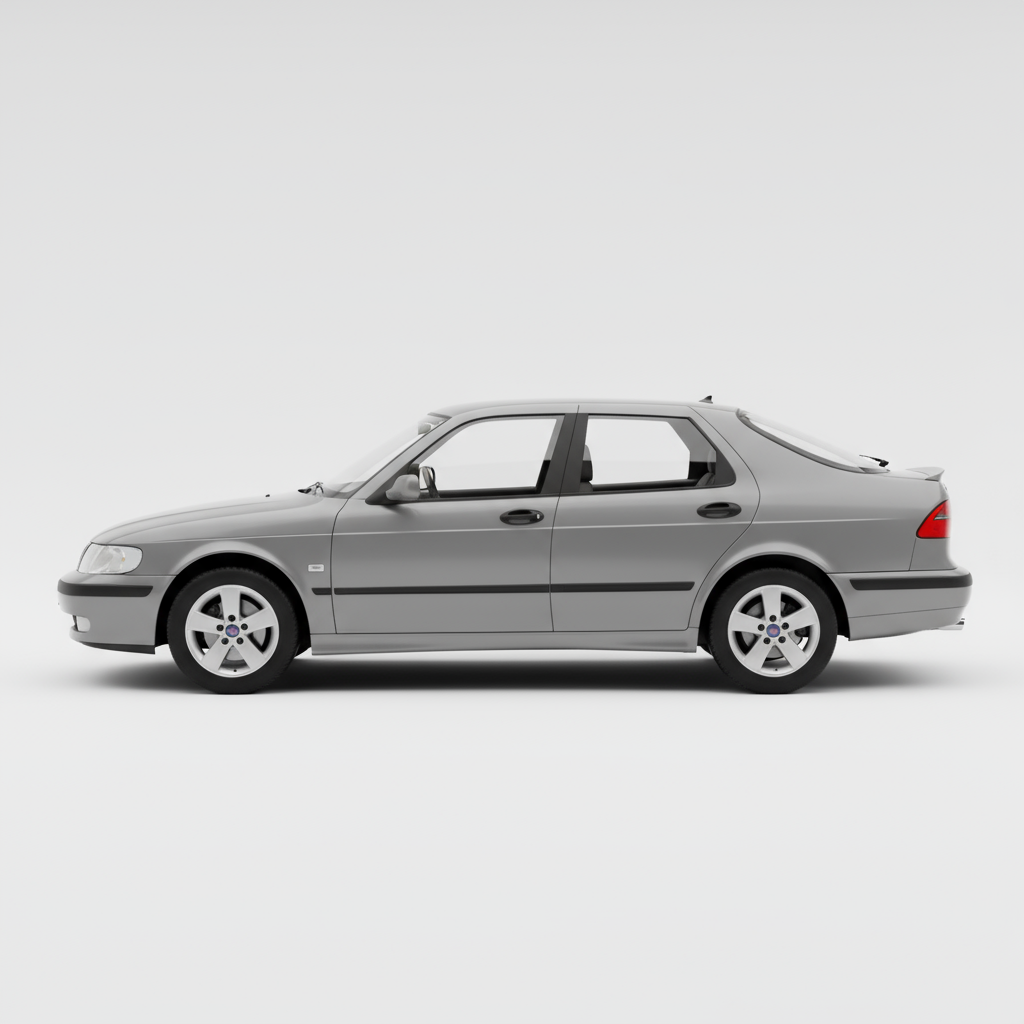
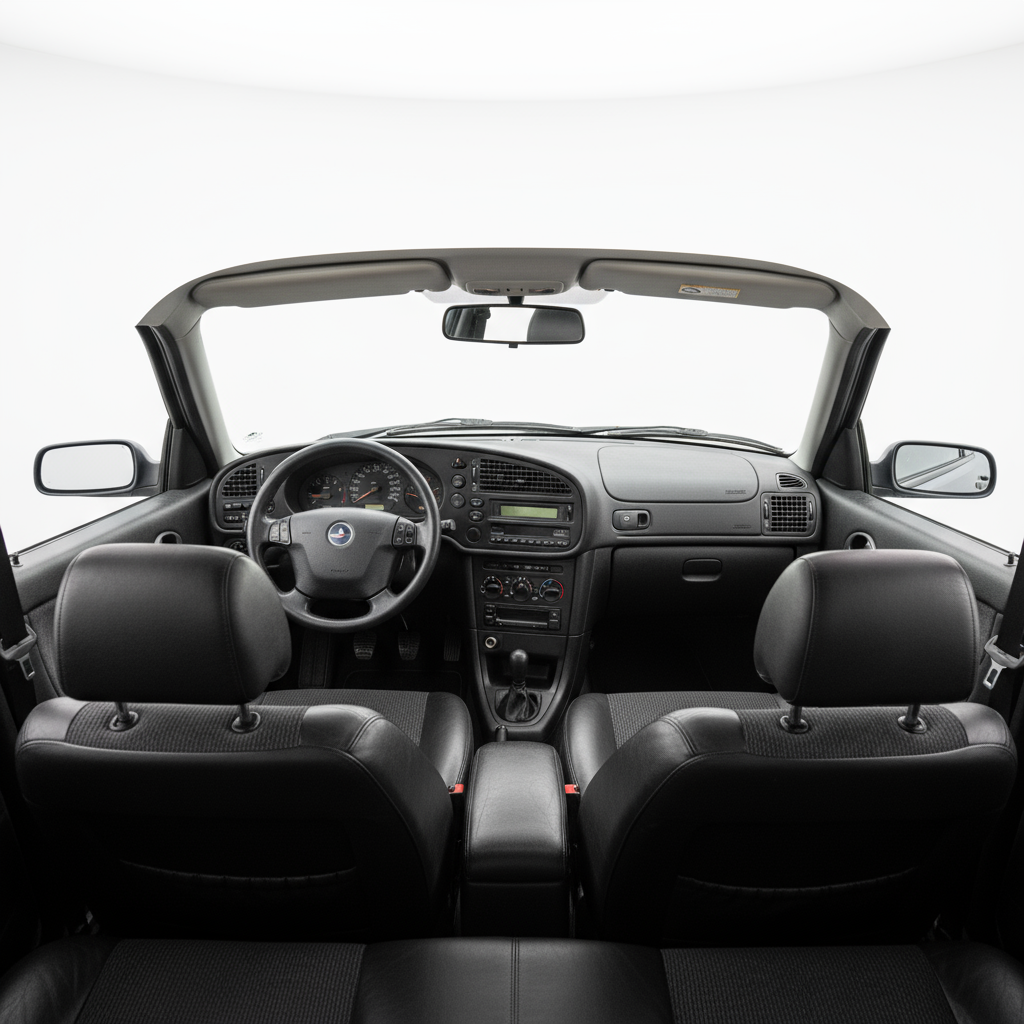
Especificaciones y análisis del Saab 9-3
Power
116HP
Torque
260Nm
Consumption
6.2l/100
Emissions
-g/km
0-100 km/h
10.9s
Top Speed
200km/h
Weight
1350kg
Price
26,835€
Technical summary
Gasóleo
Manual 5v
FWD
5 / 5 doors
494 L
64 L
85 kW
Current
Technical specifications
Engine
Capacities
Detailed analysis of the Saab 9-3 SE 2.2 TID 5p · 116 CV (1998-2000)
General description
The 1998 Saab 9-3 SE 2.2 TID is a vehicle that embodies the essence of the Swedish brand: safety, innovation, and a touch of distinction. This five-door model, with its 116 hp diesel engine, was presented as a robust and efficient option for those seeking more than just a simple means of transport. It was a car that promised comfortable and safe journeys, with contained fuel consumption for its time.
Driving experience
Behind the wheel of the Saab 9-3, the feeling is one of solidity and control. The diesel engine, although not an outpouring of power, delivers its 116 hp linearly and with a torque of 260 Nm at 1900 rpm, allowing for good response in most situations. Acceleration from 0 to 100 km/h in 10.9 seconds and a top speed of 200 km/h made it competent on the road. The suspension, McPherson type at the front and trailing arm with torsional element at the rear, offered a good balance between comfort and stability, absorbing road irregularities without sacrificing the feeling of composure. The steering, although its type is not specified, contributed to precise and safe driving, characteristic of Saab. The combined consumption of 6.2 l/100km was a strong point, making this 9-3 an economical and reliable travel companion.
Design and aesthetics
The design of the 1998 Saab 9-3 is unmistakably Saab. Its fluid and aerodynamic lines, with a five-door body, give it an elegant and functional presence. The dimensions, with 4639 mm long, 1711 mm wide, and 1428 mm high, along with a wheelbase of 2605 mm, provided a spacious cabin and a generous 494-liter trunk. The front, with the characteristic Saab grille and integrated headlights, projected an image of robustness and sophistication. The interior, although not detailed, followed the brand's philosophy, prioritizing ergonomics and material quality, with a driver-focused design.
Technology and features
In terms of technology, the Saab 9-3 SE 2.2 TID incorporated advanced solutions for its time. The 2.2-liter diesel engine, with direct injection, turbo, and intercooler, was an example of efficiency and performance. The aluminum cylinder head and iron block combined lightness and strength. Although modern infotainment systems are not mentioned, Saab always stood out for its focus on active and passive safety, with innovations that often anticipated their time. The five-speed manual transmission offered direct control over engine power, while the ventilated front disc brakes and rear disc brakes ensured effective and safe braking.
Competition
In its segment, the Saab 9-3 SE 2.2 TID competed with premium sedans of the era such as the BMW 3 Series, the Audi A4, and the Mercedes-Benz C-Class. Compared to them, the Saab offered an alternative with a more distinctive character, greater practicality thanks to its five-door body, and a focus on safety and ergonomics that set it apart. Its efficient diesel engine with good torque made it competitive in terms of consumption and performance for daily use, although it might not have reached the sportiness of some of its German rivals.
Conclusion
The 1998 Saab 9-3 SE 2.2 TID is a car that, despite the passage of time, remains a testament to Saab's engineering and design. It offers a combination of comfort, safety, and efficiency that makes it an interesting option for those who value quality and personality in a vehicle. Its diesel engine, spacious interior, and timeless design make it a modern classic, capable of offering a rewarding and distinctive driving experience. It is a car to enjoy journeys, with the peace of mind of knowing that you are driving a well-built vehicle designed for the well-being of its occupants.