
Especificaciones y análisis del Saab 9-3
Power
205HP
Torque
280Nm
Consumption
9.4l/100
Emissions
-g/km
0-100 km/h
7.3s
Top Speed
235km/h
Weight
1380kg
Price
30,022€
Technical summary
Gasolina
Manual 5v
FWD
5 / 5 doors
494 L
64 L
151 kW
Current
Technical specifications
Engine
Capacities
Detailed analysis of the Saab 9-3 2.0 TS 5p · 205 CV (1998-2000)
General description
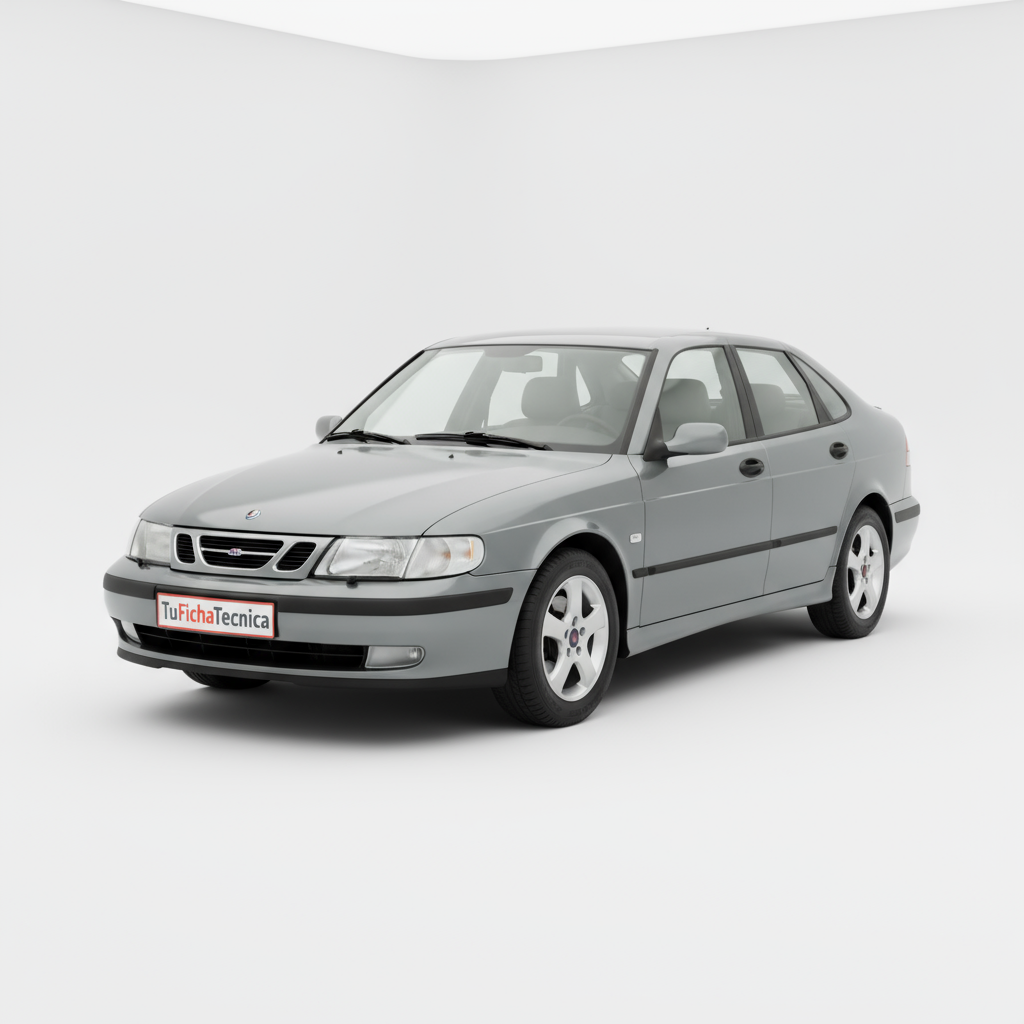
The 1998 Saab 9-3 2.0 TS is a vehicle that embodies the essence of the Swedish brand: a unique combination of distinctive design, exciting performance, and a strong commitment to safety. This 5-door model, with its 205 hp gasoline engine, positioned itself as a sophisticated and powerful alternative in its segment, attracting those looking for something beyond the conventional. Its presence on the road did not go unnoticed, promising a different and rewarding driving experience.
Driving experience
Behind the wheel of the Saab 9-3 2.0 TS, the feeling of power is immediate and addictive. Its 205 hp, delivered by a turbocharged engine, pushes decisively from low revs, offering 0 to 100 km/h acceleration in just 7.3 seconds. The steering, although not the most communicative, is precise, and the suspension, with anti-roll bars both front and rear, provides a good balance between comfort and dynamism. It's a car that invites you to enjoy the road, with agile response and a poise that inspires confidence, especially on long journeys. The engine sound, though discreet, accompanies the experience with a murmur that suggests latent power.
Design and aesthetics
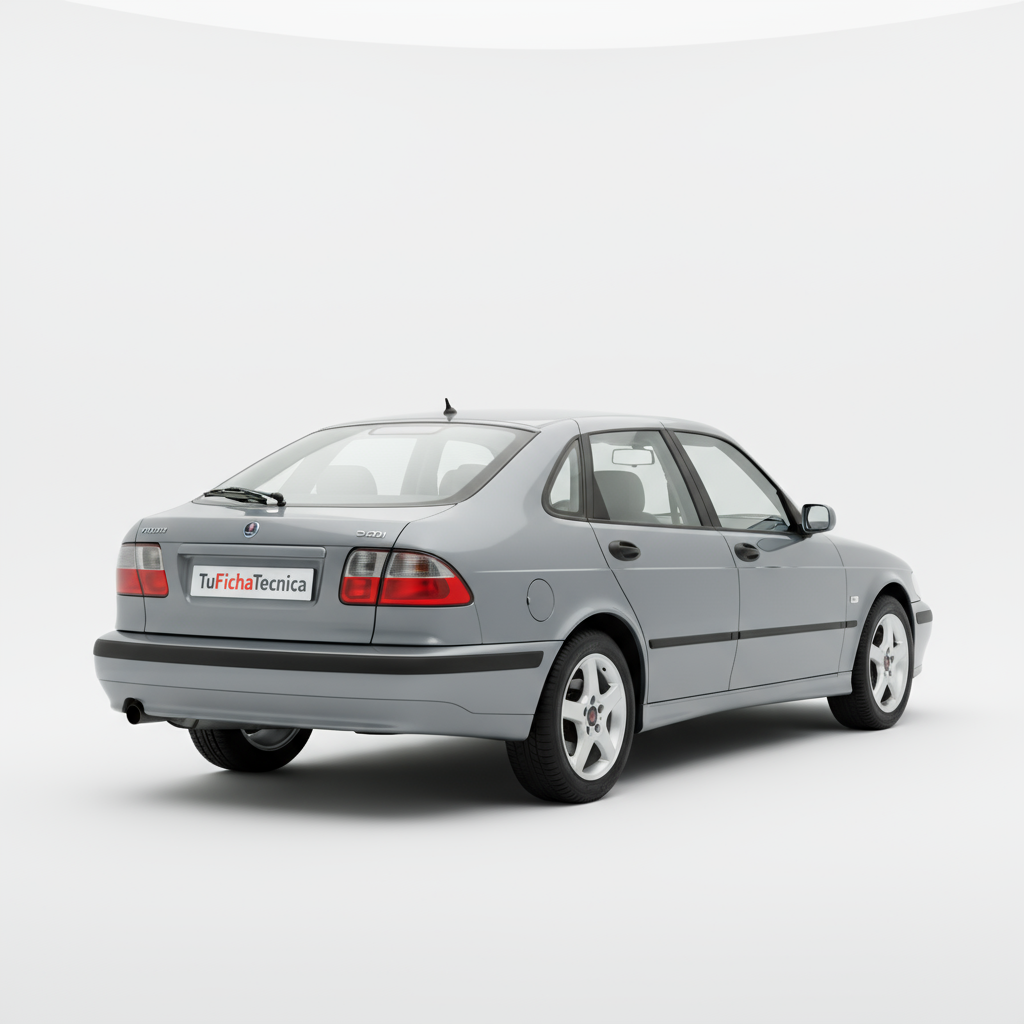
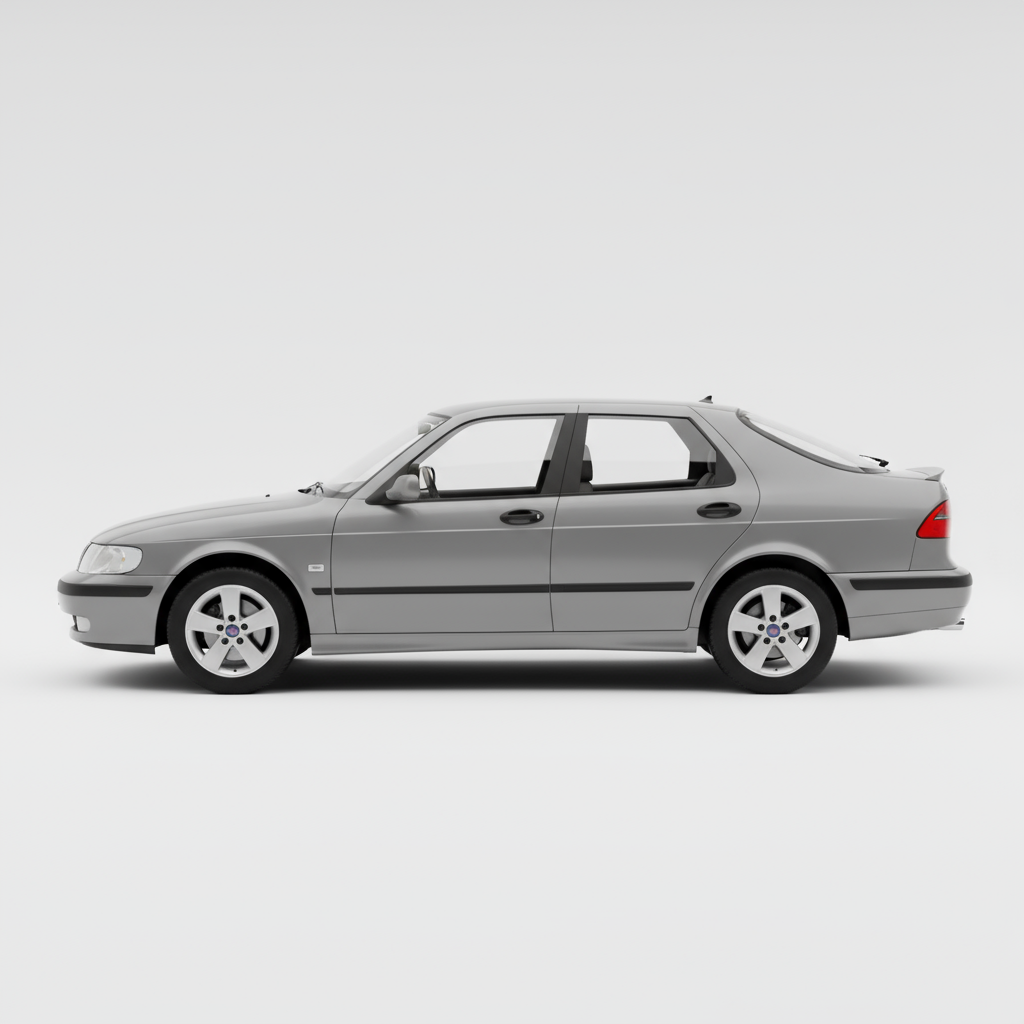
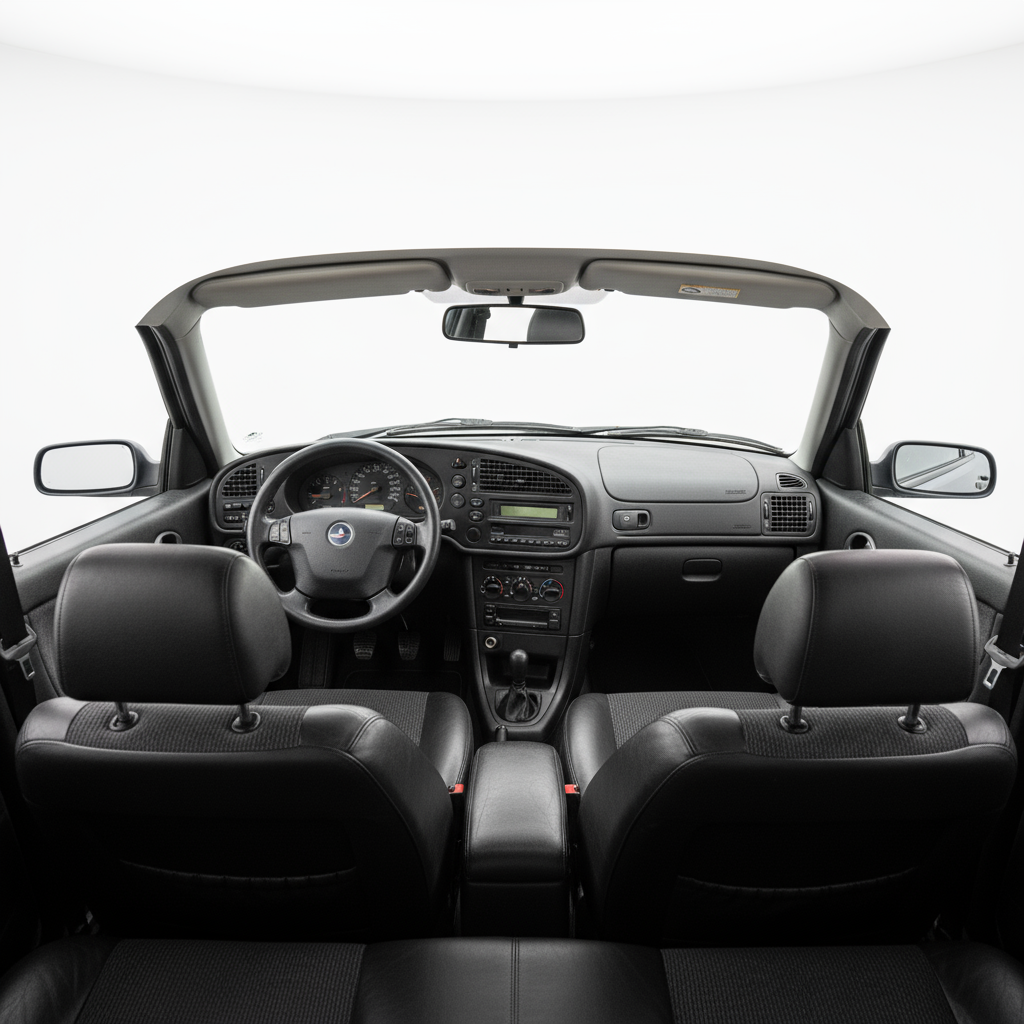
The design of the 1998 Saab 9-3 is unmistakably Saab. Its fluid and aerodynamic lines, with a silhouette that combines elegance and sportiness, distinguish it from its competitors. The front grille, characteristic headlights, and the shape of the tailgate are elements that reflect the brand's identity. Inside, ergonomics is a priority, with a driver-oriented dashboard and a control layout that, although peculiar to some, is intuitive for those accustomed to Saab. The materials, of good quality for the time, contribute to an atmosphere of solidity and comfort. It is a design that, despite the years, maintains a timeless appeal and a personality of its own.
Technology and features
In terms of technology, the 1998 Saab 9-3 2.0 TS incorporated advanced solutions for its time. Its 1985 cc gasoline engine, with indirect injection, turbo, and intercooler, was an example of engineering to extract considerable power from a four-cylinder block. The 5-speed manual transmission, although standard, was well-geared to take advantage of the 280 Nm torque. In terms of safety, Saab was always a pioneer, and this model was no exception, with ventilated disc brakes at the front and solid discs at the rear, and a body structure designed to absorb impacts efficiently. Although it lacked modern driving aids, its focus on passive and active safety was remarkable.
Competition
In its time, the Saab 9-3 2.0 TS faced strong rivals in the premium sedan segment, such as the BMW 3 Series, the Audi A4, and the Mercedes-Benz C-Class. However, the Saab offered an alternative with a more distinctive character and a different philosophy. While its German competitors opted for more direct sportiness or more traditional luxury, the 9-3 stood out with its focus on safety, aeronautical ergonomics, and a less conventional design. It also competed with models like the Volvo S70, sharing a Swedish origin and an emphasis on safety, but with a sportier touch in the case of the Saab.
Conclusion
The 1998 Saab 9-3 2.0 TS is a car that, despite its age, remains a testament to Saab's engineering and design. It offers an exciting driving experience thanks to its powerful turbo engine, a timeless design, and a driver-focused interior. It is a vehicle for those who value individuality, safety, and a certain touch of eccentricity. Although its combined consumption of 9.4 l/100km may seem high today, it was competitive for its segment and power at the time. Ultimately, the 9-3 is more than a car; it is a statement of intent, a piece of automotive history that continues to captivate enthusiasts.