
Especificaciones y análisis del Saab 9-3
Power
185HP
Torque
250Nm
Consumption
10.1l/100
Emissions
-g/km
0-100 km/h
9.5s
Top Speed
225km/h
Weight
-kg
Price
32,282€
Technical summary
Gasolina
Automático 4v
FWD
5 / 5 doors
494 L
64 L
136 kW
Current
Technical specifications
Engine
Capacities
Detailed analysis of the Saab 9-3 5p 2.0 T Ecopower (185CV) SE Aut. · 185 CV (2001-2002)
General description
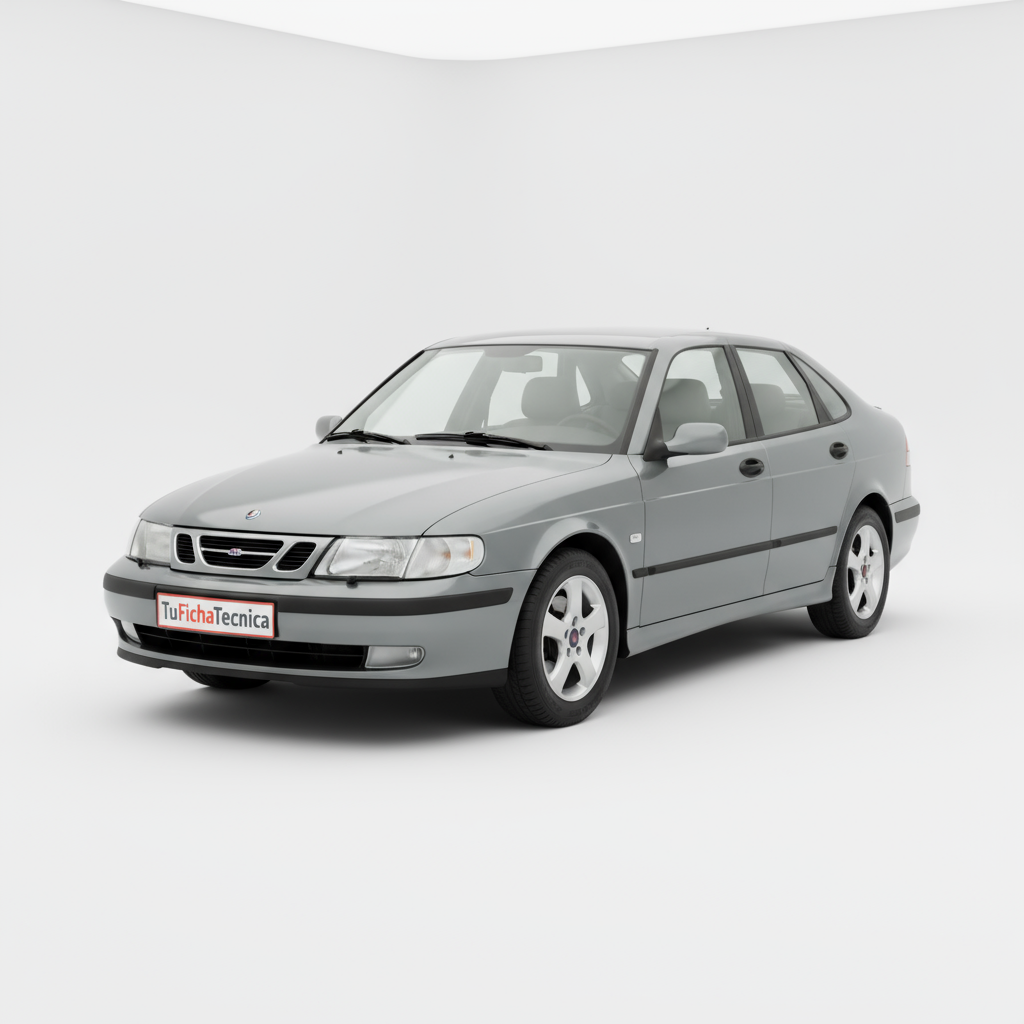
The 1998 Saab 9-3, in its 2.0 T Ecopower 185 hp version with automatic transmission, is a vehicle that embodies the essence of the Swedish brand: safety, innovation, and a touch of eccentricity. This five-door model, with its turbocharged engine, promised a distinctive driving experience and superior comfort, positioning itself as a sophisticated alternative in the premium sedan segment of its time. Its timeless design and focus on ergonomics made it an attractive option for those seeking something beyond the conventional.
Driving experience
Behind the wheel of the Saab 9-3, the feeling of solidity and safety is immediate. The 2.0 T Ecopower 185 hp engine, with its low-pressure turbo, offers a smooth yet powerful delivery, especially at low revolutions, which facilitates overtaking and city driving. The four-speed automatic transmission, while not the fastest, contributes to a relaxed and comfortable driving experience. The suspension, McPherson type at the front axle and trailing arm with torsional element at the rear, effectively filters road irregularities, providing a good balance between comfort and stability. The steering, precise and with good feel, allows you to feel the road, while the ventilated front disc brakes and rear discs offer adequate stopping power. Despite its size, the 9-3 feels agile and predictable, inviting you to enjoy every journey with a sense of control and confidence.
Design and aesthetics
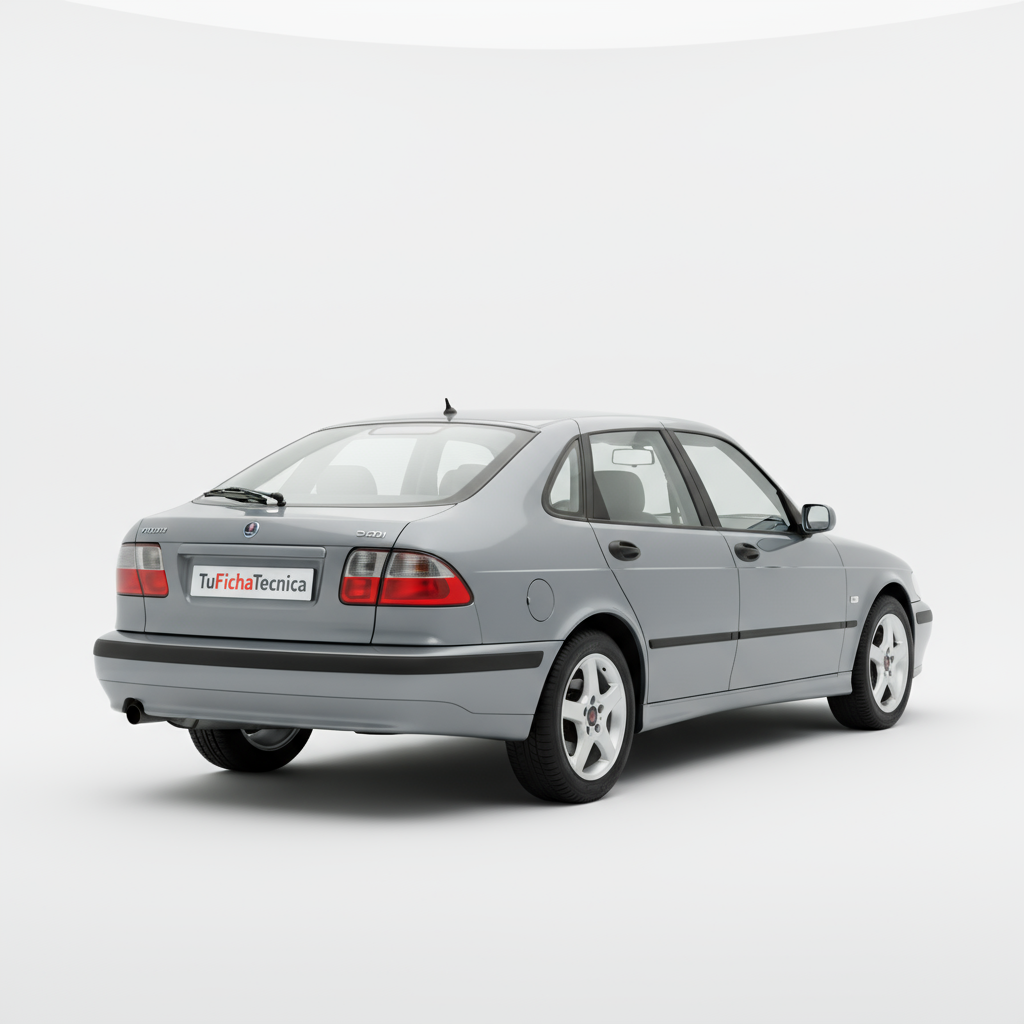
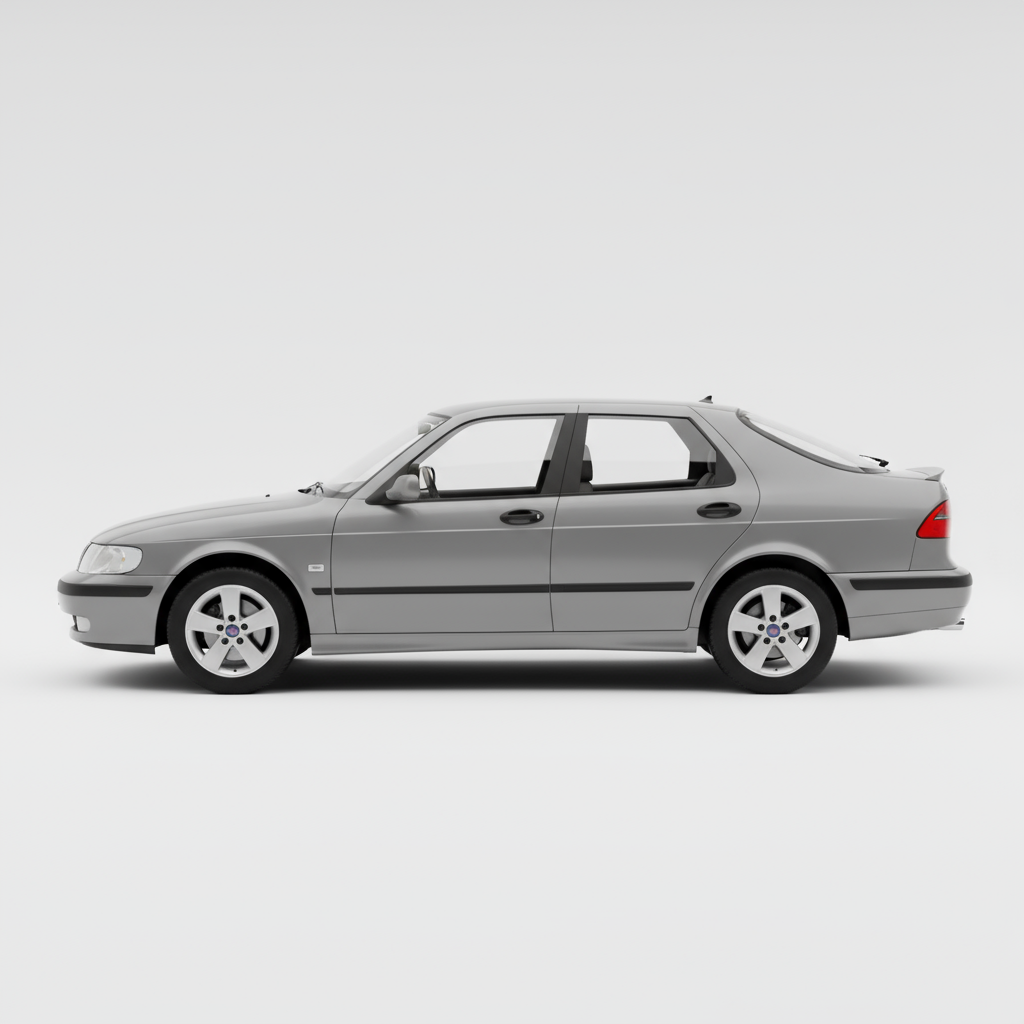
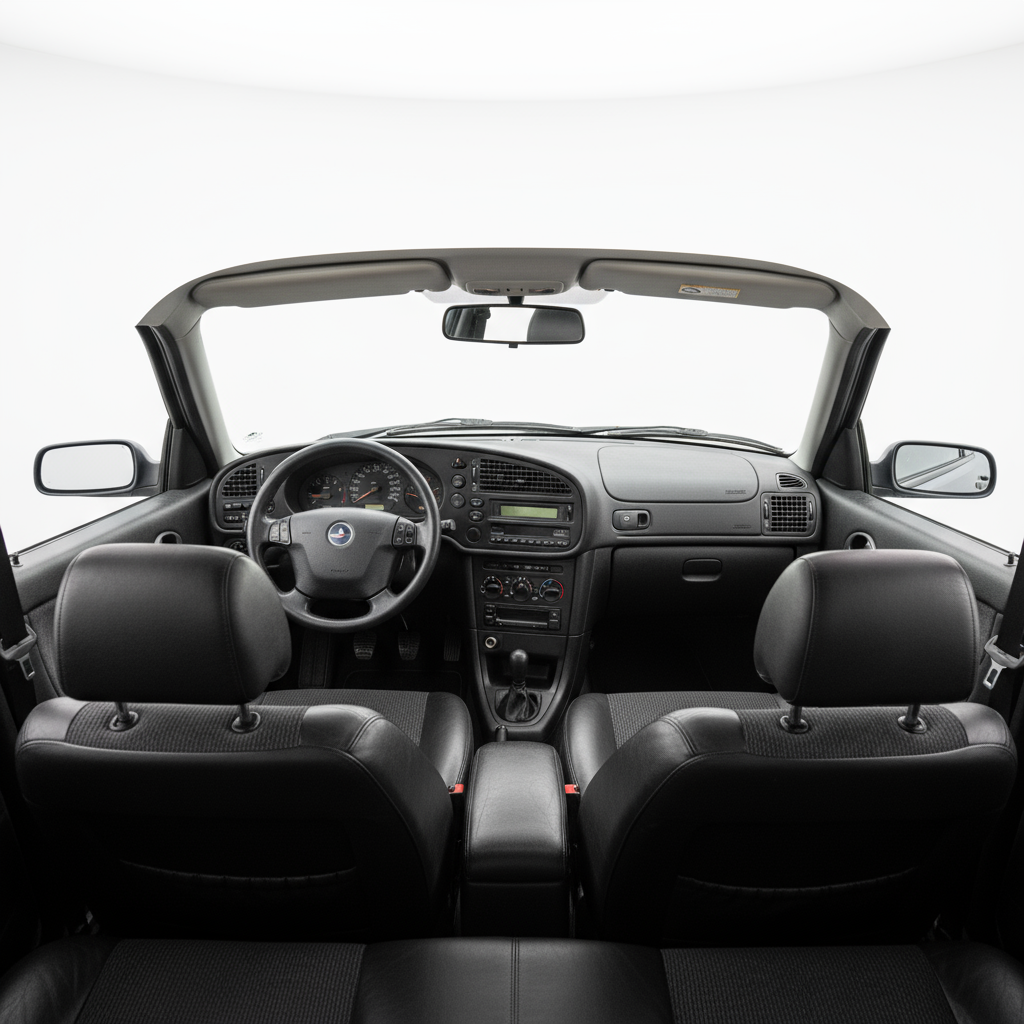
The design of the 1998 Saab 9-3 is a statement of intent. Its fluid and aerodynamic lines, with a silhouette that evokes the brand's aeronautical heritage, give it an elegant and distinctive presence. The front grille, with the Saab logo prominently displayed, and the elongated headlights, give it a characteristic look. The five-door version combines the practicality of a hatchback with the elegance of a sedan, offering comfortable access to the cabin and good cargo capacity in its 494-liter trunk. Inside, ergonomics are key, with a driver-oriented dashboard and an intuitive control layout. The materials, though not always luxurious, are of good quality and the fit is solid, conveying a sense of durability. The interior design, with its characteristic green lighting and the 'Night Panel' that turns off dashboard lights except for essential ones, reinforces Saab's unique personality.
Technology and features
The 1998 Saab 9-3 incorporated advanced technology for its time, especially in the areas of safety and performance. The 2.0 T Ecopower engine, with indirect injection, turbo, and intercooler, was an example of efficiency and power. Its iron block and aluminum cylinder head ensured durability. The four-speed automatic transmission, while not the most modern, offered smooth operation. In terms of safety, Saab was always a pioneer, and the 9-3 was no exception, with a robust body structure and advanced passive safety systems. The Trionic engine management system, developed by Saab, optimized performance and efficiency. Although it lacked touchscreens and modern connectivity, its technology focused on functionality and safety, elements that defined the brand's philosophy.
Competition
In its segment, the 1998 Saab 9-3 competed with vehicles such as the BMW 3 Series, the Audi A4, and the Mercedes-Benz C-Class. Compared to them, the Saab offered a more individualistic alternative, with a focus on safety, ergonomics, and a less conventional design. While German rivals stood out for their sportiness or more traditional luxury, the 9-3 differentiated itself by its distinctive character and its turbocharged engine, which offered a different power delivery. It also competed with models like the Volvo S40/V40, with which it shared a similar philosophy of safety and comfort, although the Saab usually offered a touch more dynamism and exclusivity.
Conclusion
The 1998 Saab 9-3 2.0 T Ecopower is a car that, despite the passage of time, still retains a special charm. It is a vehicle that does not seek to impress with ostentation, but with a combination of safety, comfort, and an unmistakable personality. Its turbo engine offers pleasant performance, its design is timeless, and its interior, though sober, is functional and ergonomic. For those who value Swedish engineering and are looking for a car with character, the 9-3 remains an interesting option in the used car market, a testament to a brand that always did things its own way. It is a car to enjoy on the road, with a sense of solidity and a story to tell.