
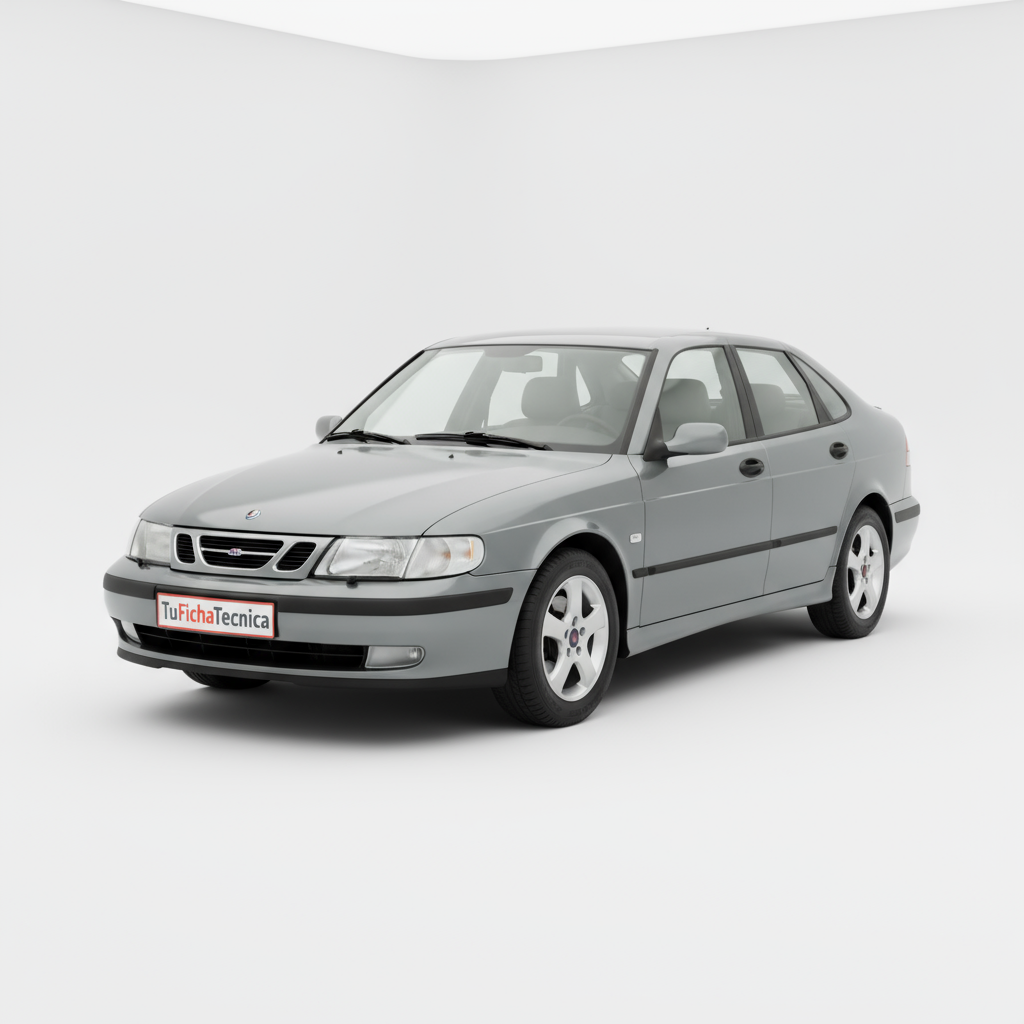
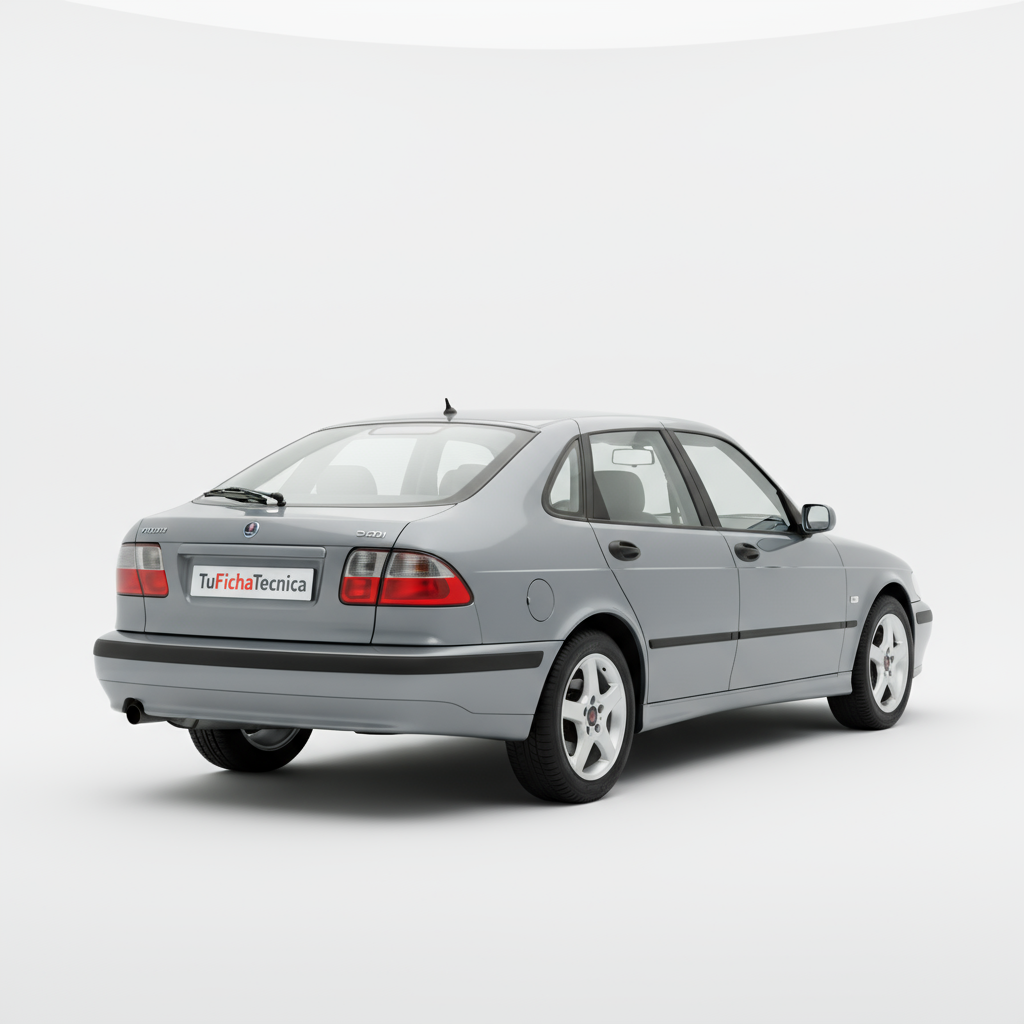
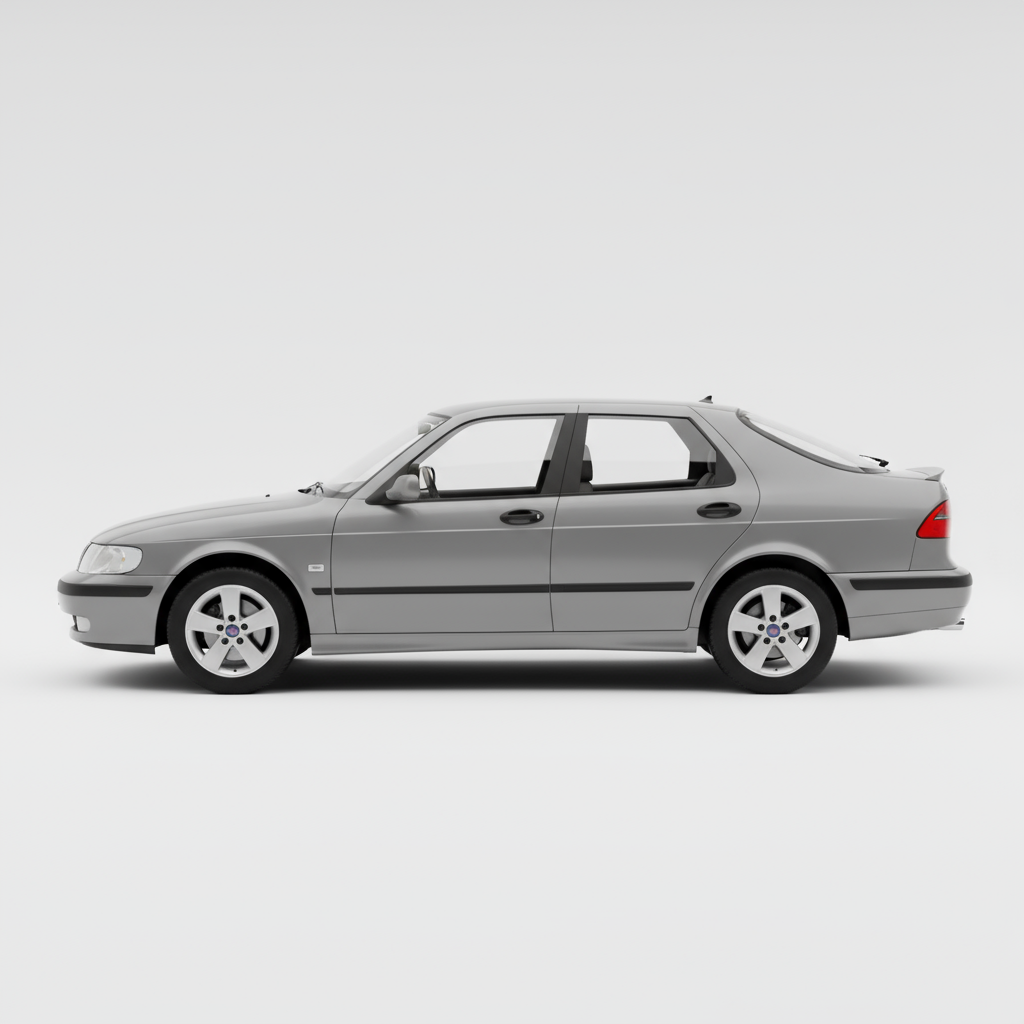
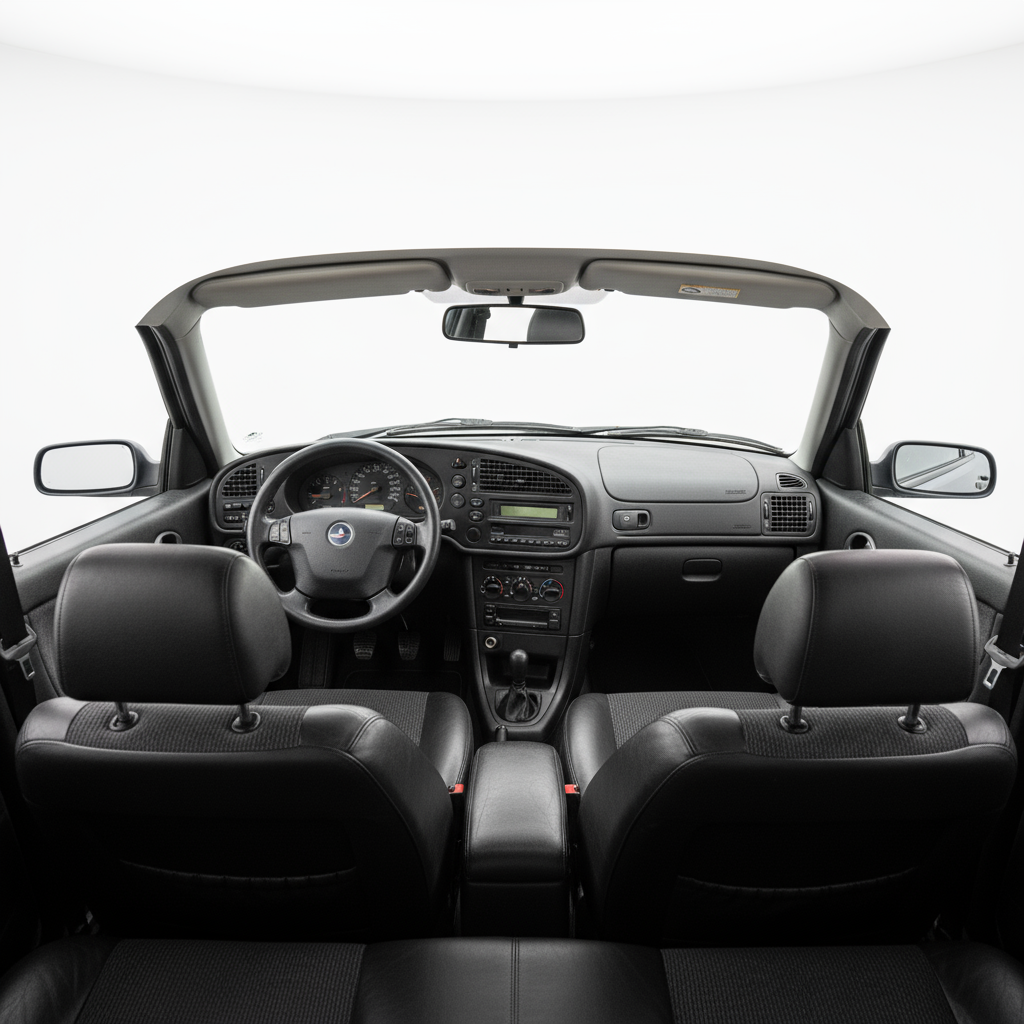
Especificaciones y análisis del Saab 9-3
Power
150HP
Torque
240Nm
Consumption
10.1l/100
Emissions
-g/km
0-100 km/h
10s
Top Speed
210km/h
Weight
-kg
Price
29,274€
Technical summary
Gasolina
Automático 4v
FWD
5 / 5 doors
494 L
64 L
110 kW
Current
Technical specifications
Engine
Capacities
Detailed analysis of the Saab 9-3 5p 2.0 t Ecopower (150CV) SE Aut. · 150 CV (2001-2002)
General description
The 1998 Saab 9-3, in its 2.0 t Ecopower 150 hp version with automatic transmission, is a vehicle that embodies the essence of the Swedish brand: safety, comfort, and a touch of distinction. With its 5-door body, this model positions itself as a practical and elegant option for those looking for more than just a simple means of transport. Its price of €29,274 at the time reflected its premium positioning and the quality of its components.
Driving experience
Behind the wheel of the Saab 9-3, the feeling is one of solidity and control. The 2.0 turbo 150 hp engine, although not a pure sports car, offers an energetic and progressive response, especially at low revolutions thanks to its generous torque of 240 Nm available from 1800 rpm. The 4-speed automatic transmission, although not the most modern, provides smooth shifts that contribute to relaxed driving. The suspension, McPherson type at the front and trailing arm with torsional element at the rear, effectively filters out road irregularities, offering a balance between comfort and stability. The steering, although its type is not specified, feels precise, allowing the car to be guided with confidence. Acceleration from 0 to 100 km/h in 10 seconds and a top speed of 210 km/h are respectable figures for the time, allowing for long journeys to be tackled with ease. The combined consumption of 10.1 l/100km is a reminder that efficiency was not the main priority back then, but the pleasure of driving a Saab compensates for this aspect.
Design and aesthetics
The design of the Saab 9-3 is unmistakably Saab. Its fluid and aerodynamic lines, with a silhouette that combines elegance and functionality, distinguish it from its competitors. The 5-door body offers versatility that is appreciated in everyday life, without sacrificing aesthetics. The front, with its characteristic headlights and distinctive grille, gives it a strong and recognizable personality. Inside, ergonomics and material quality are protagonists, with a driver-oriented dashboard and an intuitive control layout. The seats, known for their comfort, invite long journeys without fatigue. Despite its compact dimensions (4639 mm long, 1711 mm wide, and 1428 mm high), the cabin is spacious and the 494-liter trunk offers generous cargo capacity.
Technology and features
In terms of technology, the 1998 Saab 9-3 incorporated advanced solutions for its time. The 2.0 t Ecopower engine, with indirect injection, turbo, and intercooler, was an example of Swedish engineering, seeking a balance between performance and efficiency. The engine's construction, with an iron block and aluminum cylinder head, guaranteed durability and good thermal performance. Although modern driving assistance systems are not detailed, Saab was always a pioneer in safety, and it is to be expected that this model would have comprehensive equipment in this regard. The 4-speed automatic transmission, although it may seem basic today, offered superior ease of use compared to manual gearboxes of the time. The suspension, with a well-resolved scheme, contributed to stability and ride comfort. The ventilated front disc brakes and rear disc brakes ensured effective and safe braking.
Competition
In its segment, the Saab 9-3 competed with models from premium brands such as the BMW 3 Series, the Audi A4, and the Mercedes-Benz C-Class. Compared to them, the Saab offered an alternative with a more individualistic character, a focus on safety, and a distinctive design. While its German rivals opted for a sportier or classic image, the Saab 9-3 was aimed at an audience that valued originality and well-thought-out engineering. It also competed with models like the Volvo S40/V40, with which it shared the philosophy of safety and comfort, but the Saab stood out for its more dynamic touch and its aeronautical heritage.
Conclusion
The 1998 Saab 9-3 5p 2.0 t Ecopower is a car that, despite the passage of time, still retains its charm. It is a vehicle that offers a pleasant driving experience, a timeless design, and a build quality that makes it stand out. Its turbo engine, interior comfort, and distinctive personality make it an interesting option for those looking for a modern classic with a different touch. Although its fuel consumption may not be the lowest and its technology may not be the most cutting-edge today, the Saab 9-3 remains a testament to Swedish engineering and a car that evokes emotions in those who drive it.