
Especificaciones y análisis del Rover 75
Power
150HP
Torque
215Nm
Consumption
8.9l/100
Emissions
-g/km
0-100 km/h
-s
Top Speed
200km/h
Weight
1505kg
Price
31,044€
Technical summary
Gasolina
Automático 5v
FWD
5 / 5 doors
400 L
65 L
110 kW
Current
Technical specifications
Engine
Capacities
Detailed analysis of the Rover 75 Tourer 1.8T Classic (150 CV) Aut. · 150 CV (2003-2004)
General description
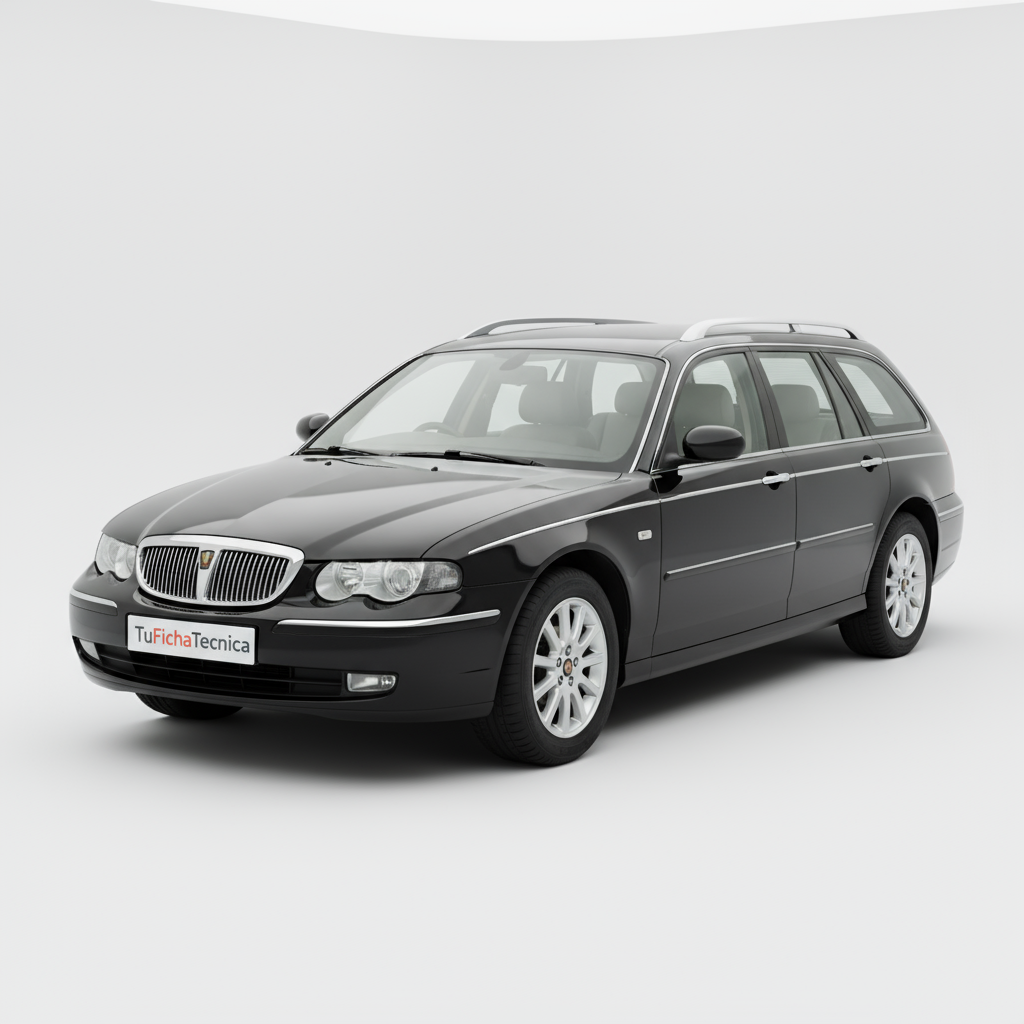
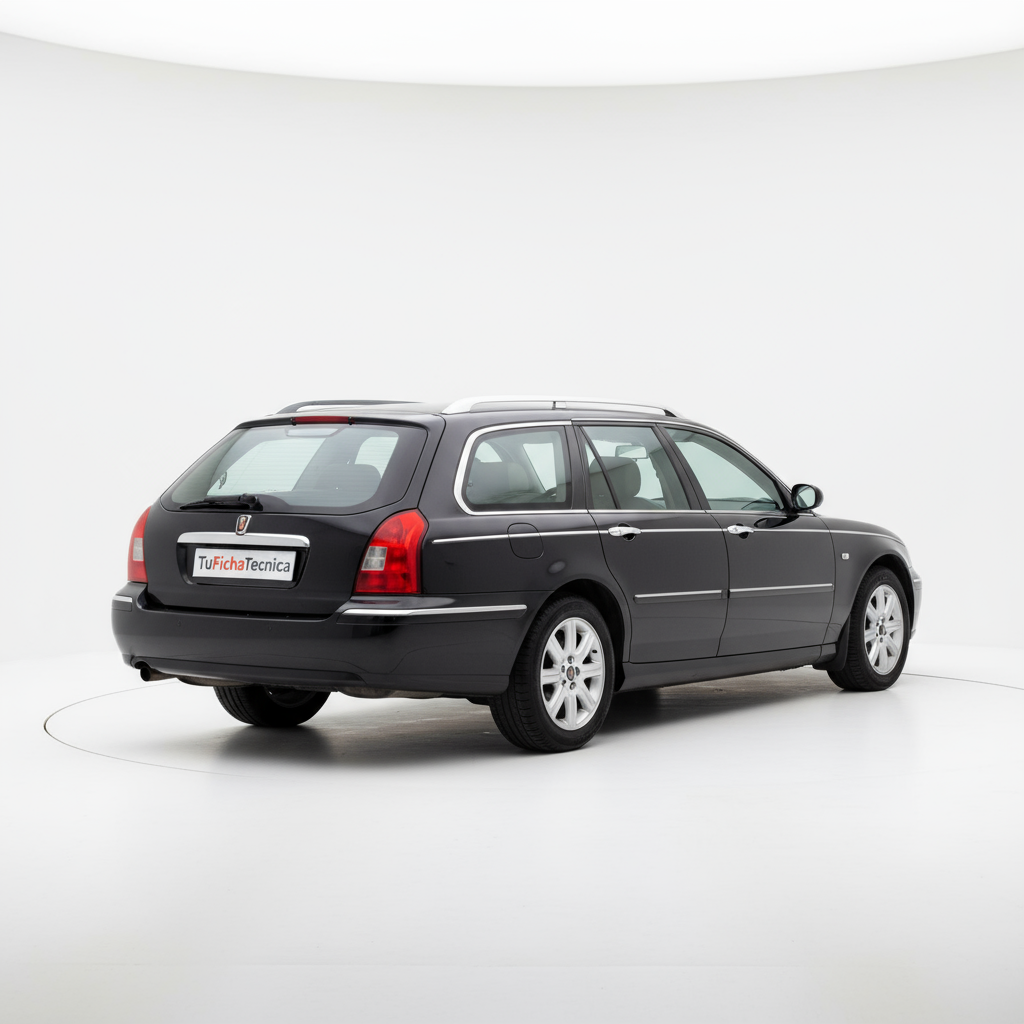
The 2001 Rover 75 Tourer 1.8T Classic is a vehicle that evokes an era of British elegance and distinction. With its 150 hp gasoline engine and automatic transmission, this estate car presented itself as a sophisticated option for those seeking comfort and a touch of luxury in their daily lives. Its classic design and carefully crafted details set it apart in the market, offering a more refined driving experience than many of its contemporaries.
Driving experience
Behind the wheel of the Rover 75 Tourer, the predominant sensation is one of smoothness and composure. The suspension, designed to absorb road imperfections, provides a comfortable ride, ideal for long journeys. The 1.8T engine, while not an outpouring of power, delivers its 150 hp progressively, supported by a generous 215 Nm of torque available from low revs. The 5-speed automatic transmission contributes to relaxed driving, without sudden jolts. It is not a car for thrills, but for enjoying the road with serenity and a touch of distinction.
Design and aesthetics
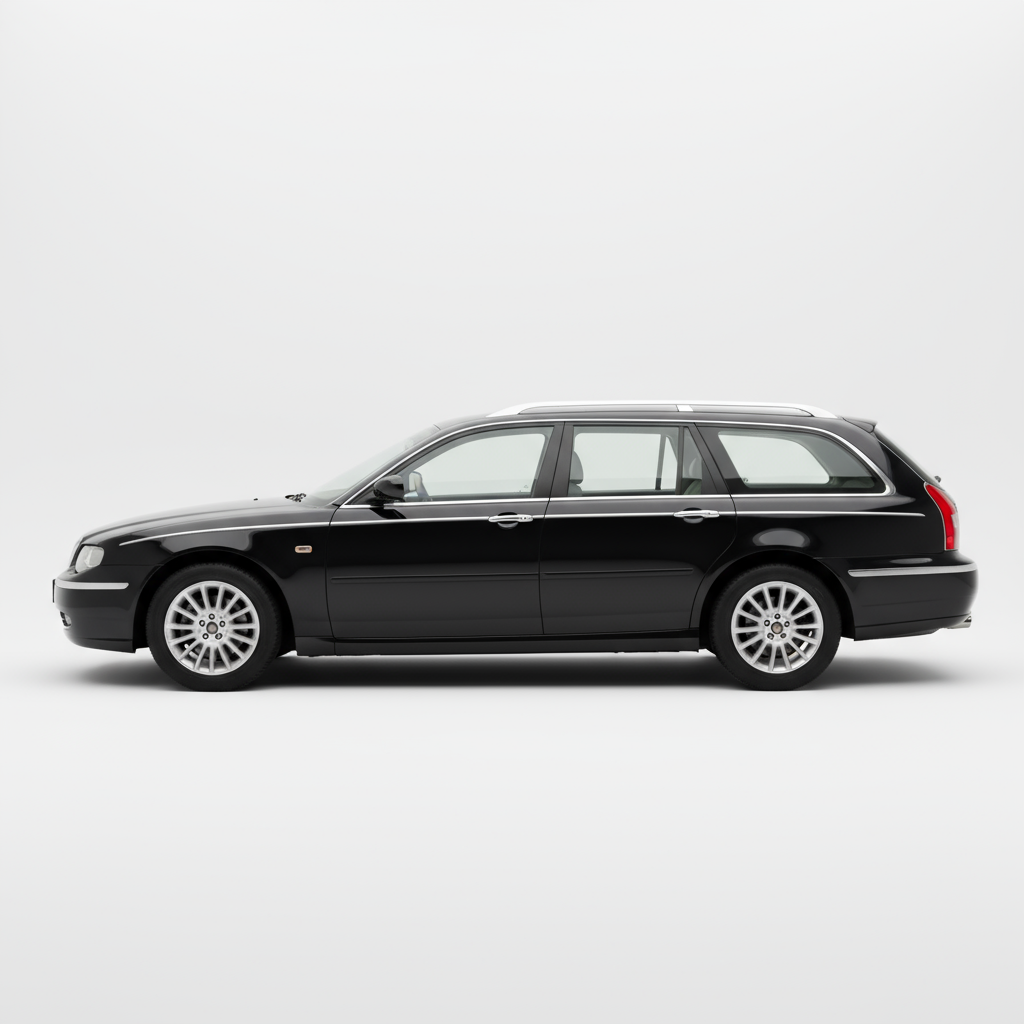
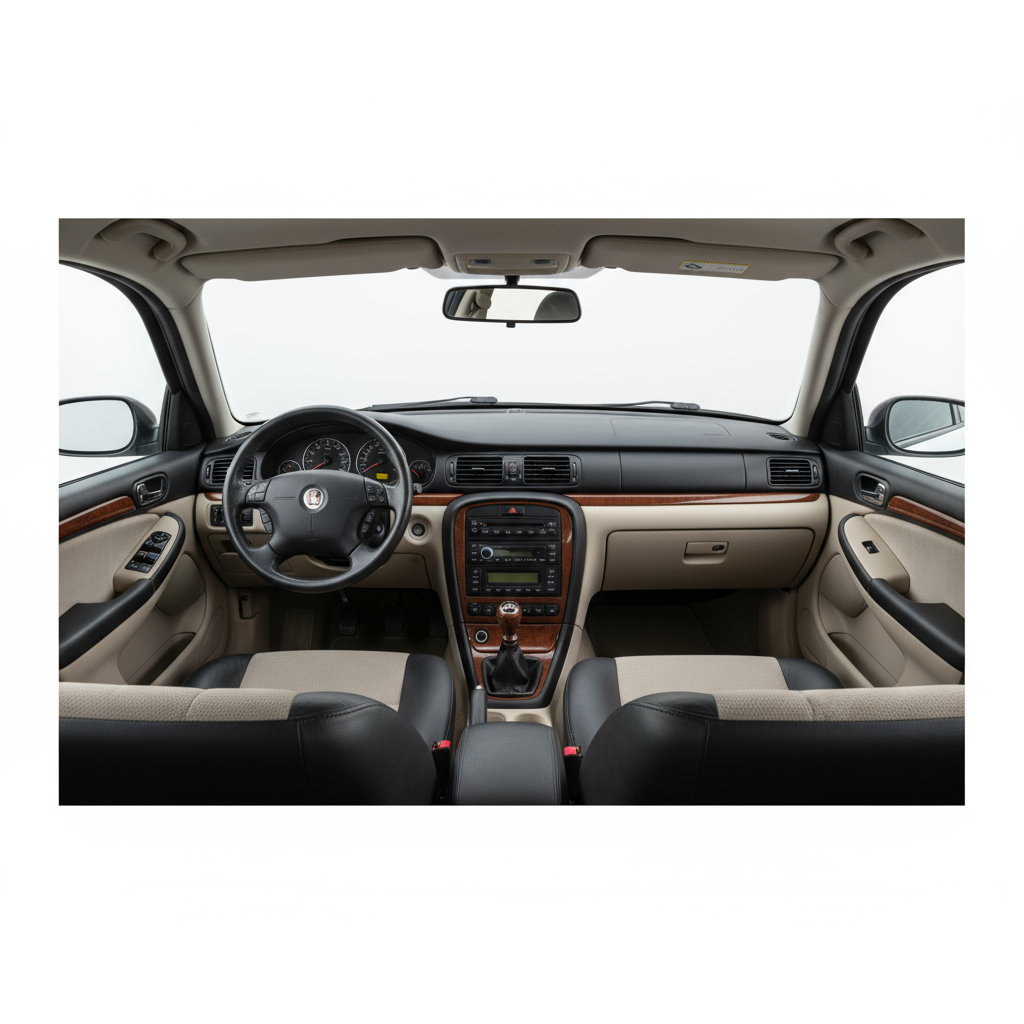
The design of the Rover 75 Tourer is, without a doubt, one of its strongest points. Inspired by classic British aesthetics, it features elegant and timeless lines that give it an imposing and distinguished presence. The estate body perfectly integrates the additional space without sacrificing visual harmony. Chrome details, the characteristic front grille, and round headlights contribute to an image of discreet luxury. Inside, the quality of the materials and the attention to detail in the finishes reinforce this sense of exclusivity, with a well-organized dashboard and comfortable seats that invite you to travel.
Technology and features
At the time, the Rover 75 Tourer incorporated technology appropriate for its segment and price. The 1.8T engine with indirect injection, turbo, and intercooler offered a good balance between performance and efficiency. The 5-speed automatic transmission, although not the most advanced on the market, performed its function smoothly. In terms of safety and comfort, it featured elements such as ventilated front disc brakes and rear discs, independent suspension on both axles, and rack-and-pinion steering. While it did not stand out for disruptive innovations, it offered a solid and reliable technological package for its time.
Competition
In the premium estate car market of the early 2000s, the Rover 75 Tourer faced strong competitors such as the BMW 3 Series Touring, the Audi A4 Avant, and the Mercedes-Benz C-Class Estate. It also rivaled more mainstream but well-equipped options like the Volkswagen Passat Variant or the Ford Mondeo Wagon. Compared to them, the Rover 75 Tourer distinguished itself by its strong British character, its classic design, and its focus on comfort and elegance, offering a more personal and less sport-oriented alternative than some of its German rivals.
Conclusion
The Rover 75 Tourer 1.8T Classic is a car that, despite its age, retains its charm. It is a proposition for those who value elegance, comfort, and a distinctive style above pure performance or cutting-edge technology. Its timeless design and cozy interior make it a pleasant travel companion, ideal for enjoying the road with tranquility. Although the Rover brand no longer exists, this model remains a testament to an era when British distinction was embodied in the automobile.