
Especificaciones y análisis del Rover 45
Power
109HP
Torque
138Nm
Consumption
7.2l/100
Emissions
-g/km
0-100 km/h
10.9s
Top Speed
190km/h
Weight
1180kg
Price
16,480€
Technical summary
Gasolina
Manual 5v
FWD
5 / 5 doors
370 L
55 L
80 kW
Current
Technical specifications
Engine
Capacities
Detailed analysis of the Rover 45 1.6 Club (109 CV) 5p · 109 CV (2002-2003)
General description
The 2000 Rover 45 1.6 Club is a car that evokes an era of British elegance and functionality. With its 109 hp gasoline engine and a 5-speed manual transmission, this 4-door sedan offered an interesting proposition for those looking for a vehicle with a distinctive touch and adequate performance for everyday use. Its price of €16,480 at the time positioned it as an option to consider in its segment.
Driving experience
Behind the wheel of the Rover 45, the feeling is one of comfort and smoothness. The 1.6-liter engine, with its 109 hp, offers a linear and sufficient response for most situations, although don't expect dazzling acceleration (0 to 100 km/h in 10.9 seconds). The suspension, with a deformable parallelogram both front and rear, filters road irregularities well, providing a pleasant ride. The rack-and-pinion steering, although lacking the precision of more modern systems, fulfills its function. The combined consumption of 7.2 l/100km is reasonable for the time, but in the city, 9.6 l/100km can feel a bit high. It's a car to enjoy the road calmly, without rushing, appreciating its interior ambiance.
Design and aesthetics
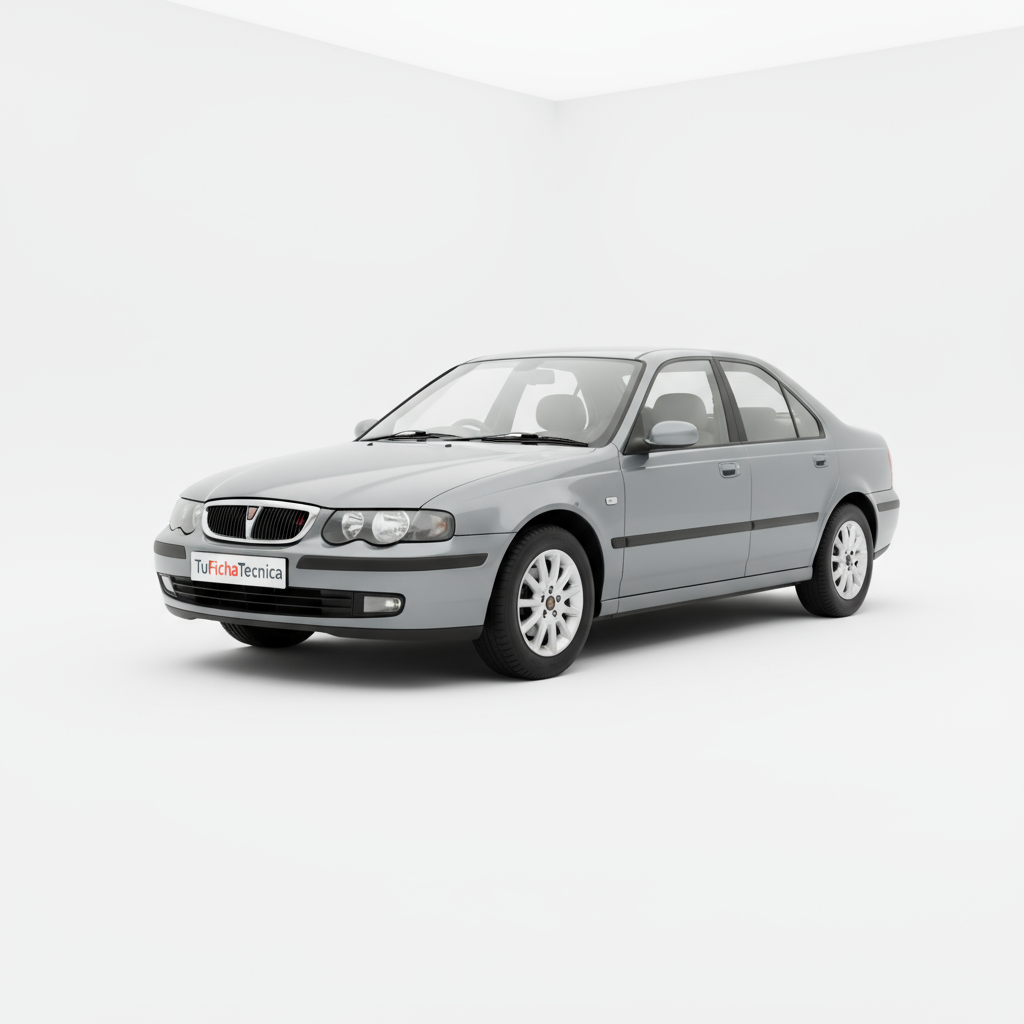
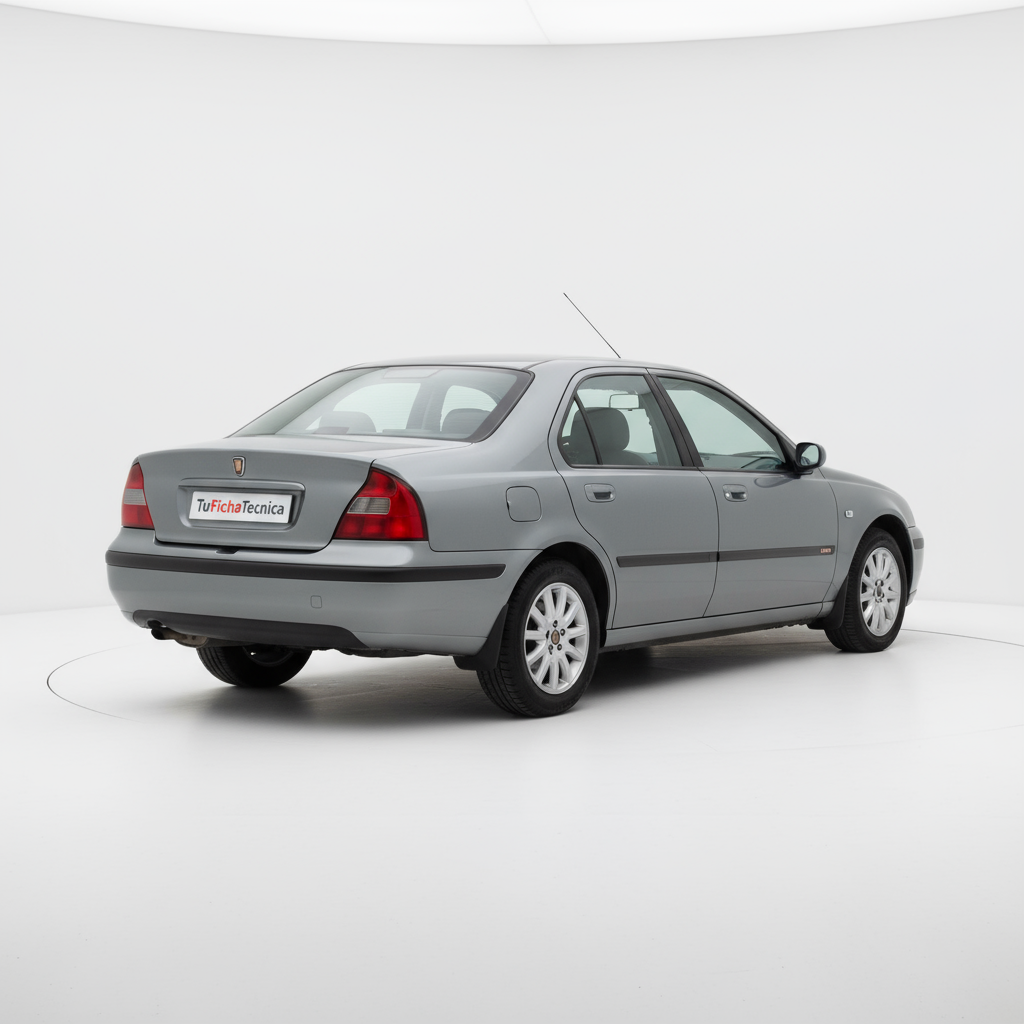
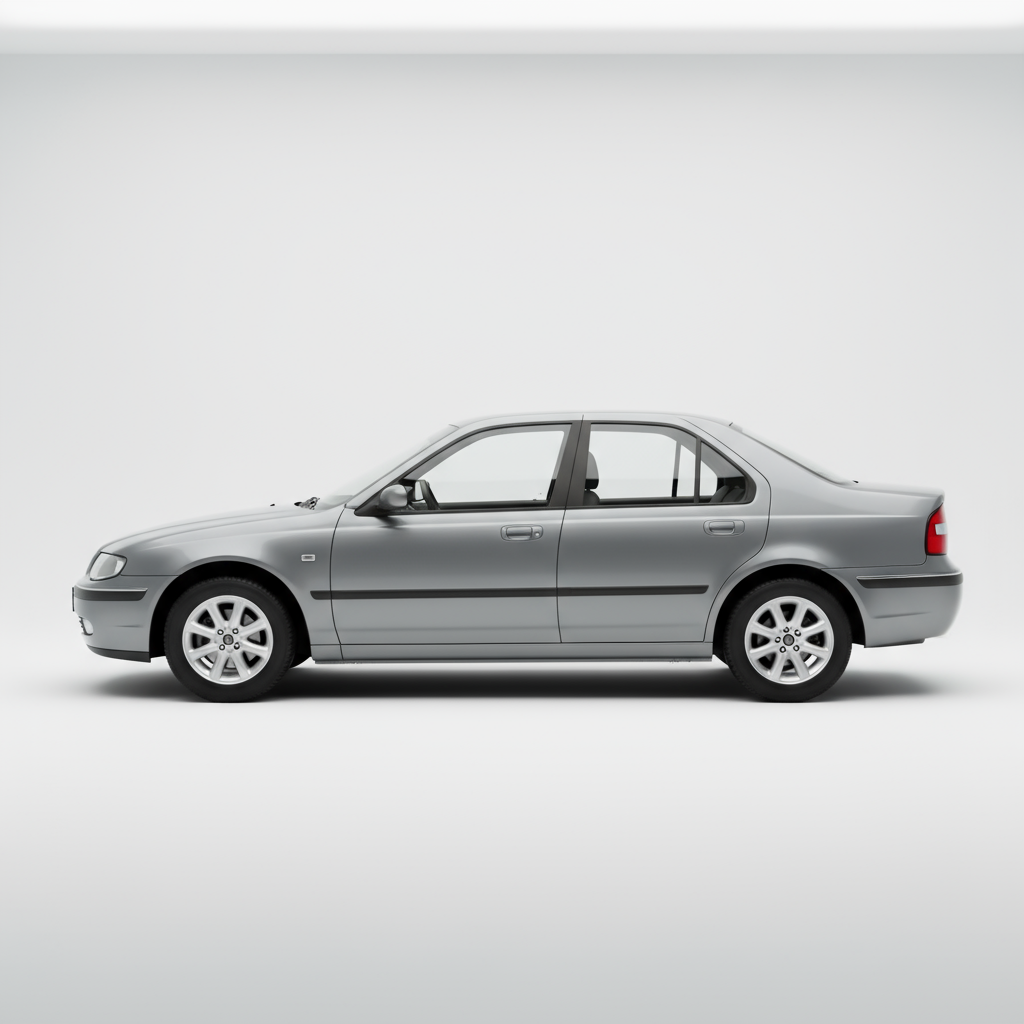
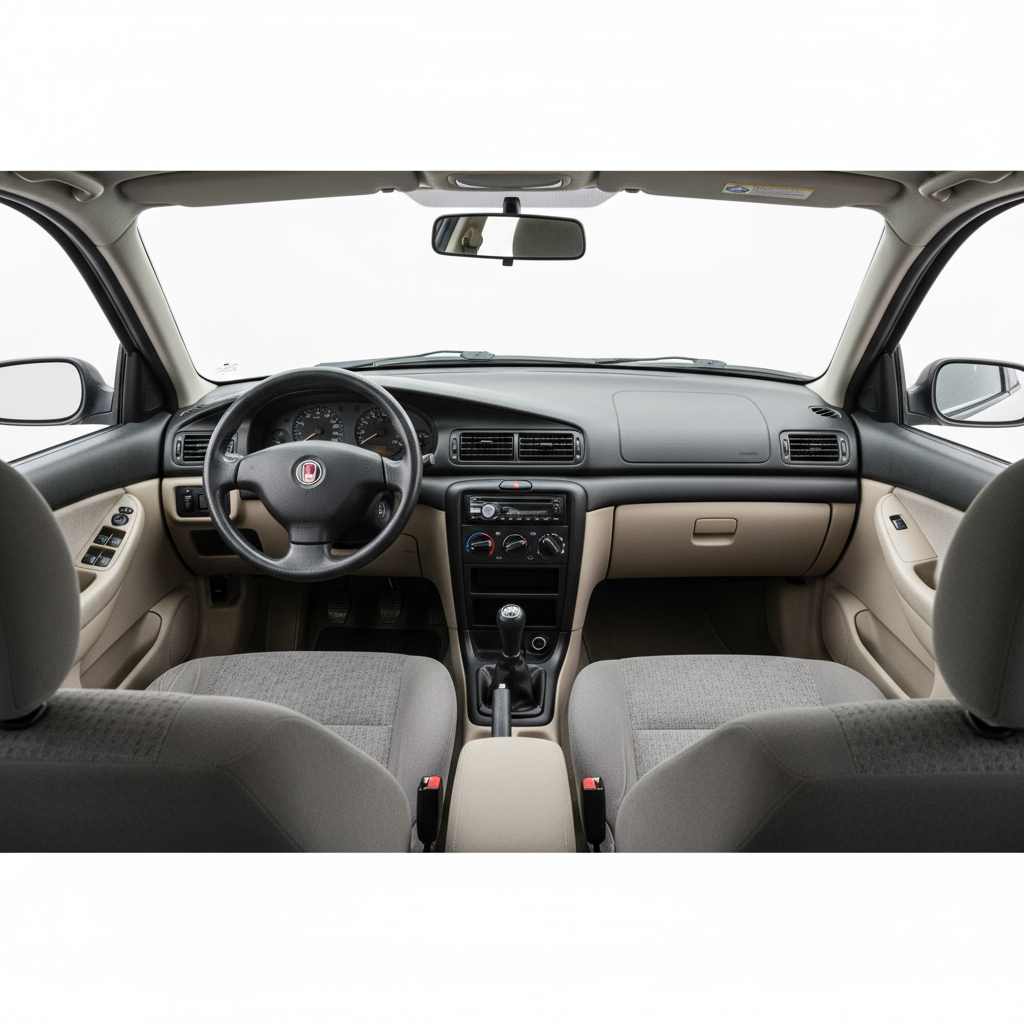
The design of the Rover 45 is a reflection of the aesthetics of the early 2000s, with soft lines and a classic sedan silhouette. Its 4362 mm length, 1700 mm width, and 1394 mm height give it a discreet but elegant presence. The 15-inch wheels with 185/55 R15 tires complement its appearance. Although it is not a car that seeks aggressiveness, its timeless design allows it to maintain a certain dignity on the road. The interior, although not detailed in the data, usually offered a cozy atmosphere with quality materials for its segment, always seeking that 'British' touch.
Technology and features
In 2000, the technology of the Rover 45 focused on the essential and functional. Its 1.6-liter gasoline engine with indirect injection and 4 valves per cylinder was a proven and reliable configuration. The 5-speed manual transmission was the standard of the time. In terms of safety and comfort, one would expect to find elements such as power steering and front ventilated disc brakes, although the rears were drum brakes. Advanced driving assistance systems are not mentioned, as they were not common in that segment and era. Its 'B' environmental label indicates that it complied with the emission regulations of its time.
Competition
At the time, the Rover 45 competed in the compact sedan segment with models such as the Ford Focus, the Opel Astra, the Volkswagen Golf (in its sedan version, the Bora), or the Renault Mégane Classic. Compared to them, the Rover 45 tried to differentiate itself with a touch of distinction and a focus on ride comfort, although it might not offer the same agility or the most cutting-edge technology as some of its European rivals.
Conclusion
The 2000 Rover 45 1.6 Club is a car that, despite its age, retains a particular charm. It is a vehicle for those who value comfort, a classic design, and relaxed driving. It does not seek to be the fastest or the most technological, but to offer pleasant transportation with personality. Its 109 hp engine is sufficient for everyday use and its consumption is acceptable. It is a piece of British automotive history that, for nostalgics or those looking for a car with character, can be an interesting option in the used car market.