
Especificaciones y análisis del Rover 45
Power
117HP
Torque
160Nm
Consumption
7.3l/100
Emissions
-g/km
0-100 km/h
9.9s
Top Speed
195km/h
Weight
1125kg
Price
17,540€
Technical summary
Gasolina
Manual 5v
FWD
5 / 4 doors
470 L
55 L
86 kW
Current
Technical specifications
Engine
Capacities
Detailed analysis of the Rover 45 4p 1.8 Classic (117 CV) · 117 CV (2003-2004)
General description
The 2000 Rover 45, in its 1.8 Classic 117 hp version, is a sedan that evokes an era where British elegance merged with functionality. This four-door model, with its 1.8-liter, 117-horsepower gasoline engine, offered an interesting proposition for those seeking a car with a distinctive flair without sacrificing daily practicality. Its launch in 2000 positioned it as an option to consider in the compact sedan segment, standing out for its comfort and a design that, although discreet, maintained the brand's essence.
Driving experience
Behind the wheel of the Rover 45 1.8 Classic, the predominant sensation is one of smoothness and comfort. The 117 hp engine, with its aluminum block and cylinder head, delivers power linearly, without great fanfare, but with enough thrust to move easily in urban traffic and tackle road trips. The five-speed manual gearbox handles precisely, contributing to a relaxed driving experience. The suspension, with deformable parallelogram both front and rear, filters road irregularities well, offering a pleasant ride for all occupants. It is not a car of great sporting emotions, but rather a faithful companion for everyday life, where comfort and tranquility are priorities. Its steering, although not the most communicative, performs its function correctly, and the disc brakes on both axles (ventilated at the front) offer safe stopping.
Design and aesthetics
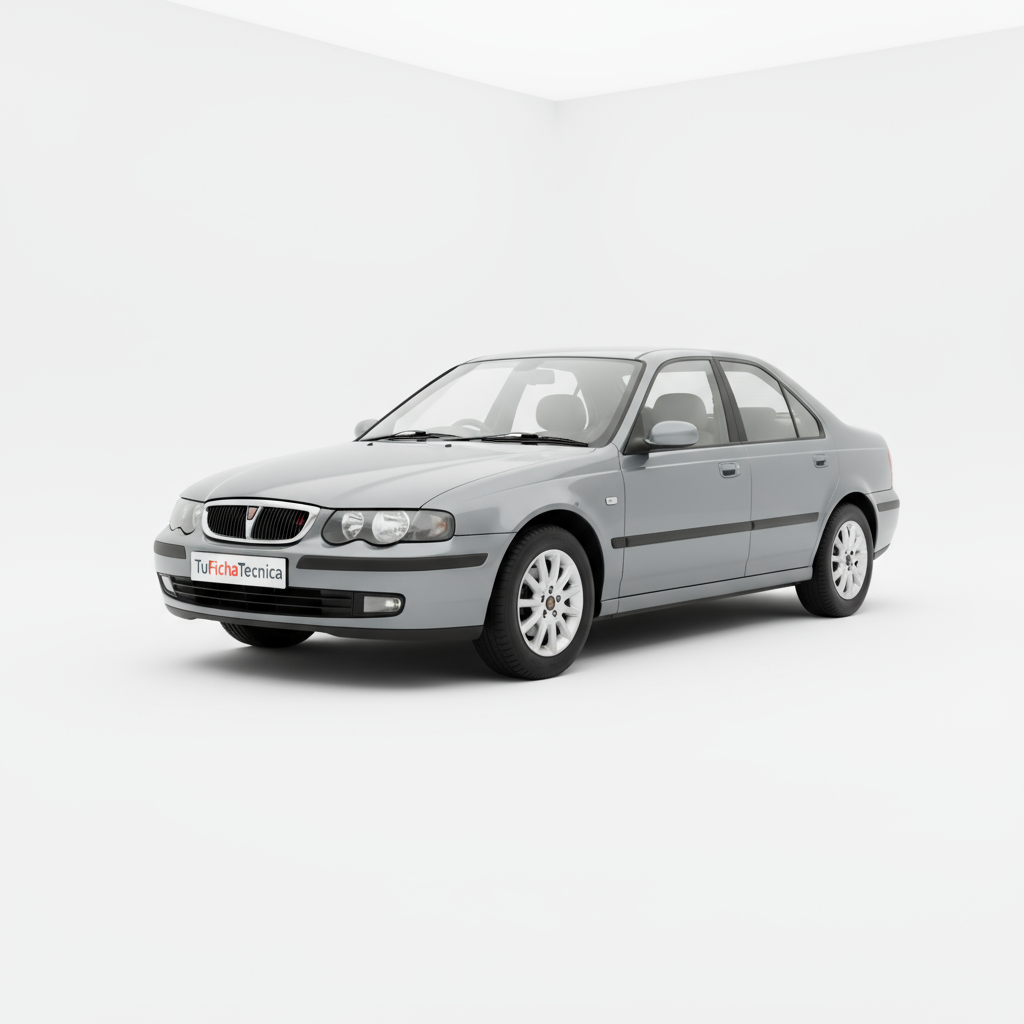
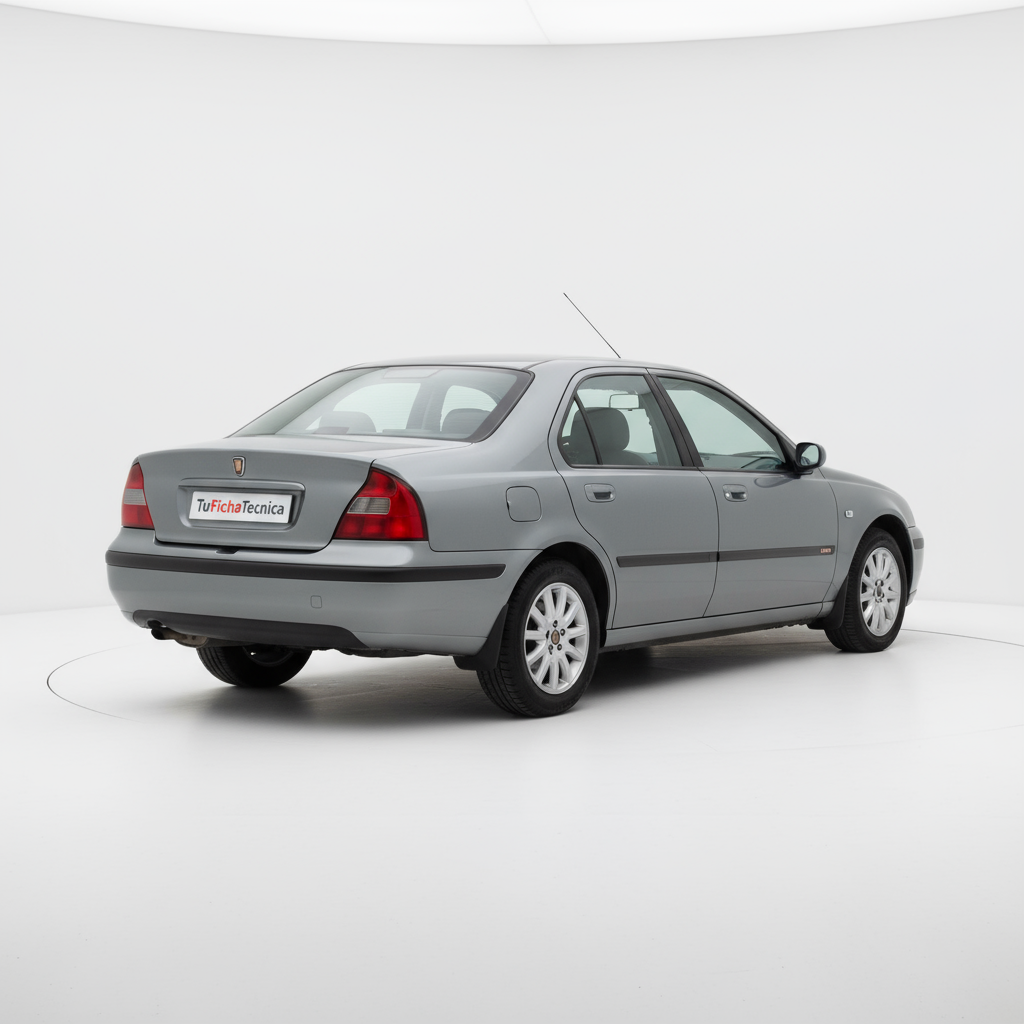
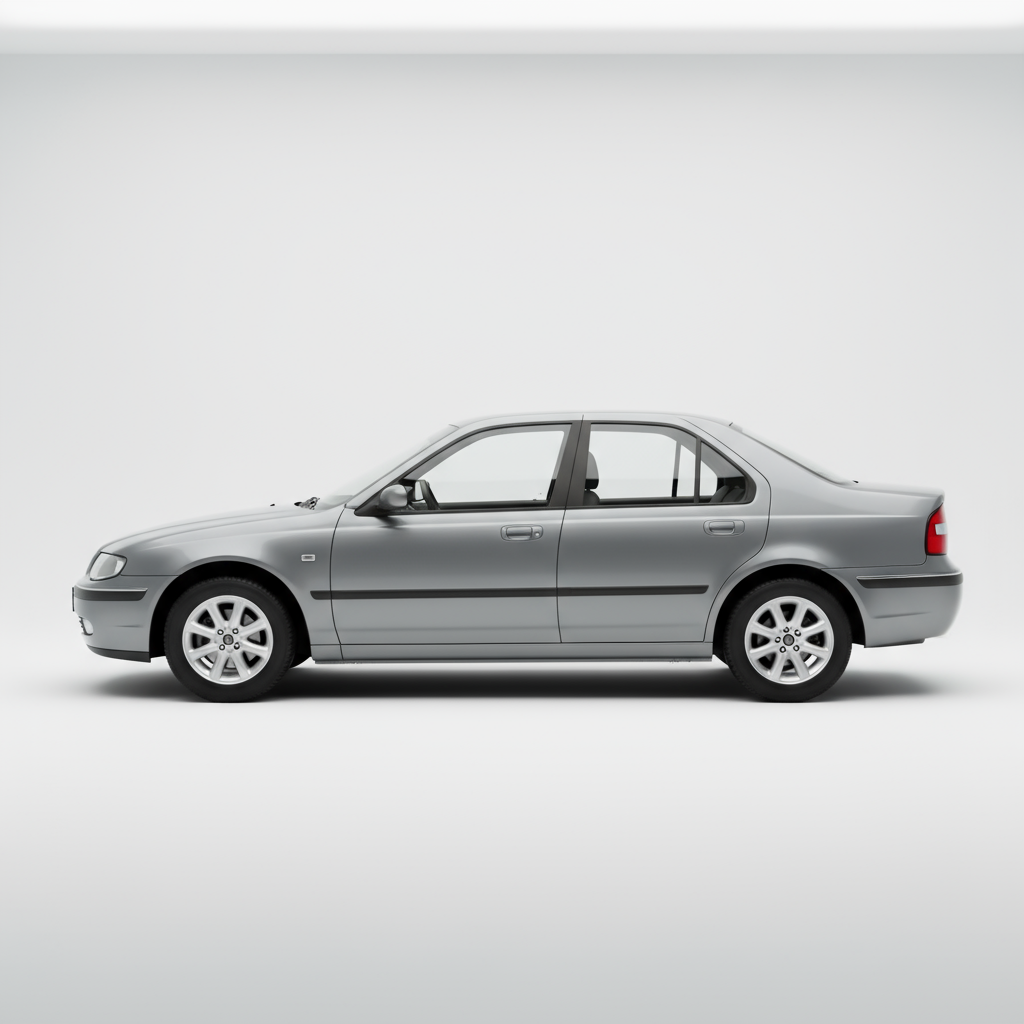
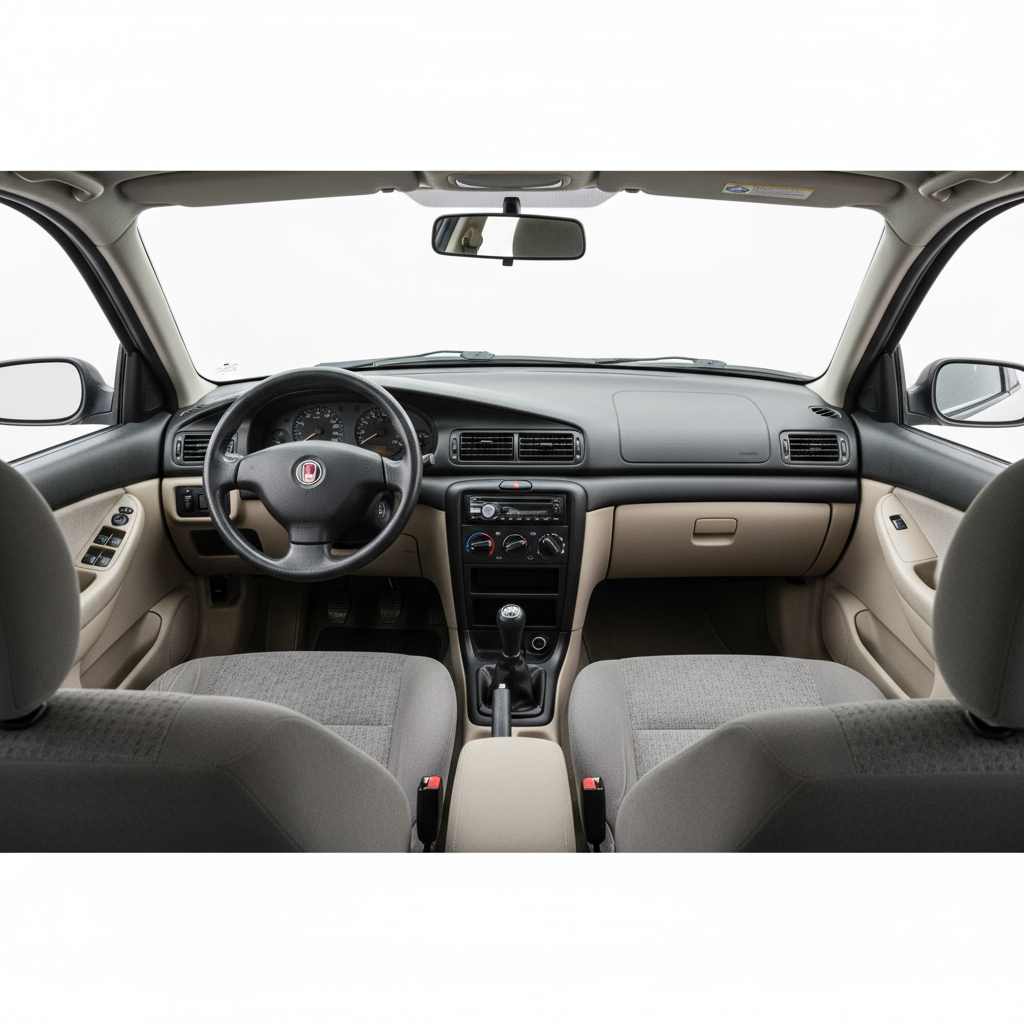
The design of the Rover 45 4-door is a reflection of the sobriety and elegance that characterized the brand. Its lines are classic and timeless, without falling into excesses. The four-door body, with a length of 4517 mm, a width of 1700 mm, and a height of 1394 mm, gives it a balanced and proportionate presence. The chrome details, although subtle, add a touch of distinction. The interior, although not luxurious, is well finished and offers a cozy atmosphere. The seats are comfortable and there is adequate space for five occupants, with a 470-liter trunk that is quite practical. The overall design seeks functionality and comfort, without sacrificing an aesthetic that, for many, remains attractive.
Technology and features
In 2000, the Rover 45 1.8 Classic incorporated technology that, while not cutting-edge, met the expectations of the time. Its 1795 cc gasoline engine, with indirect injection and four valves per cylinder, offered a good balance between performance and efficiency for its segment. The aluminum engine construction contributed to a contained vehicle weight (1125 kg), which positively impacted the combined consumption of 7.3 l/100km. The five-speed manual transmission was standard, and the braking system with ventilated front discs and rear discs ensured good stopping capability. The rack-and-pinion steering, although without variable assistance, provided adequate response. In terms of equipment, the Classic offered what was necessary for a comfortable journey, without great technological displays, but with the reliability expected of a car in its category.
Competition
At the time, the Rover 45 1.8 Classic faced tough competition in the compact sedan segment. Its main rivals included models such as the Volkswagen Bora, the Ford Focus Sedan, the Opel Astra Sedan, and the Renault Mégane Classic. Against them, the Rover 45 tried to differentiate itself by its touch of British distinction and a greater emphasis on ride comfort. While some rivals might offer more sporty driving dynamics or a more modern design, the Rover opted for discreet elegance and a more relaxed driving experience, seeking an audience that valued tradition and comfort over pure performance or the most advanced technology.
Conclusion
The 2000 Rover 45 1.8 Classic is a car that, despite the passage of time, retains its charm. It is a vehicle that does not seek to impress with astonishing figures or a groundbreaking design, but rather focuses on offering a comfortable driving experience and a pleasant interior environment. Its 117 hp engine is sufficient for daily use, and its consumption is reasonable for its era. It is an interesting option for those looking for a car with personality, that stands out from the conventional and offers a good level of comfort. Although the Rover brand no longer exists, this model is a reminder of an era when British elegance had a place in the compact sedan market, offering an alternative with character and a touch of distinction.