
Especificaciones y análisis del Rover 25
Power
101HP
Torque
240Nm
Consumption
5.2l/100
Emissions
-g/km
0-100 km/h
10.7s
Top Speed
180km/h
Weight
1220kg
Price
15,760€
Technical summary
Gasóleo
Manual 5v
FWD
5 / 3 doors
304 L
50 L
74 kW
Current
Technical specifications
Engine
Capacities
Detailed analysis of the Rover 25 2.0 SDI (100 CV) 3p · 101 CV (2000-2003)
General description
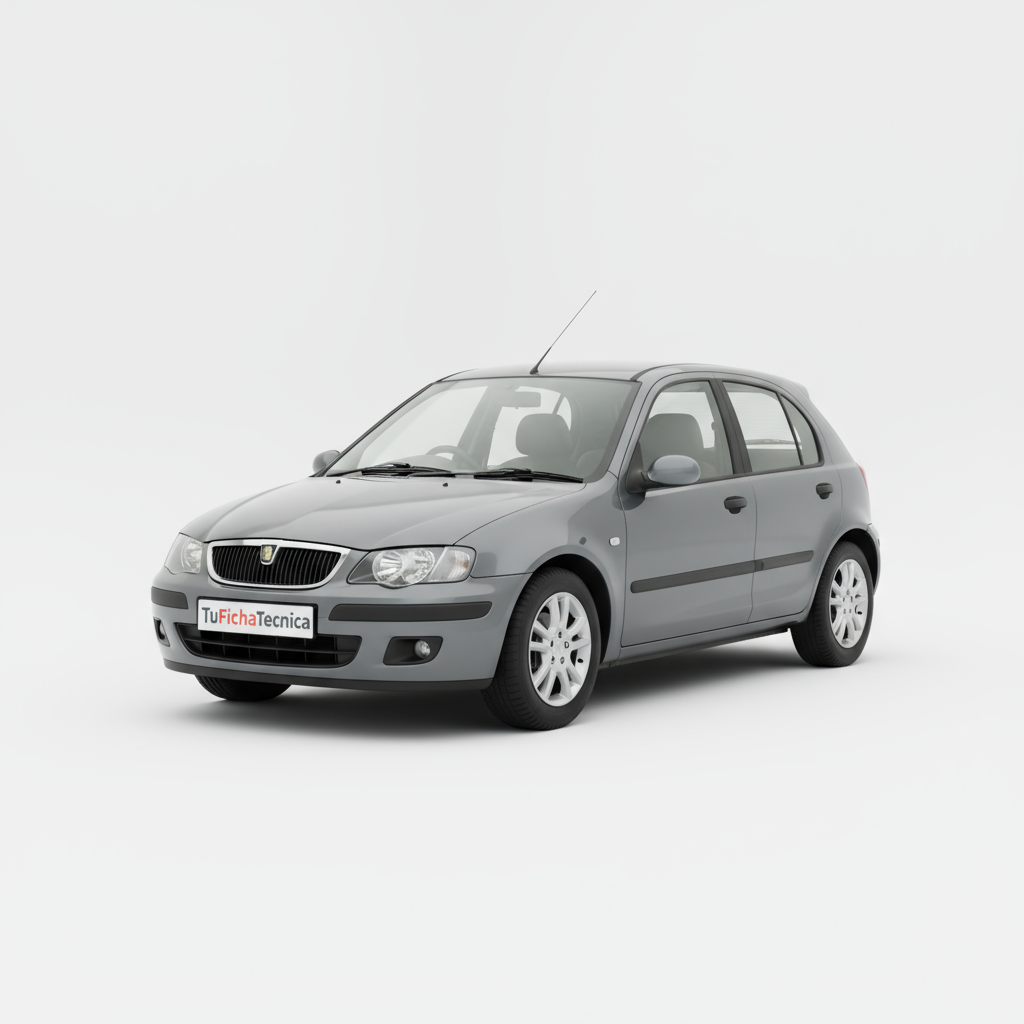
The Rover 25 2.0 SDI 100 HP, launched in 2000, was presented as a compact and functional option within the utility vehicle segment. With its 3-door body, this model sought to combine urban agility with a touch of distinction that Rover always tried to imprint on its creations. It was a car designed for everyday use, with a diesel engine that promised efficiency and adequate performance for its time.
Driving experience
Behind the wheel of the Rover 25 2.0 SDI, the predominant feeling was that of an honest car without great sporting pretensions. Its 101 HP, delivered by a 1994 cc diesel engine with turbo and intercooler, offered sufficient response to move easily in the city and maintain decent cruising speeds on the highway. The acceleration from 0 to 100 km/h in 10.7 seconds was not dazzling, but it was adequate for daily traffic. The rack-and-pinion steering transmitted a correct road feel, and the suspension, with McPherson at the front and a trailing arm with a torsional element at the rear, sought a balance between comfort and stability. It was not a car that invited aggressive driving, but rather a quiet and efficient journey, with a combined consumption of 5.2 l/100km that was attractive for the time.
Design and aesthetics
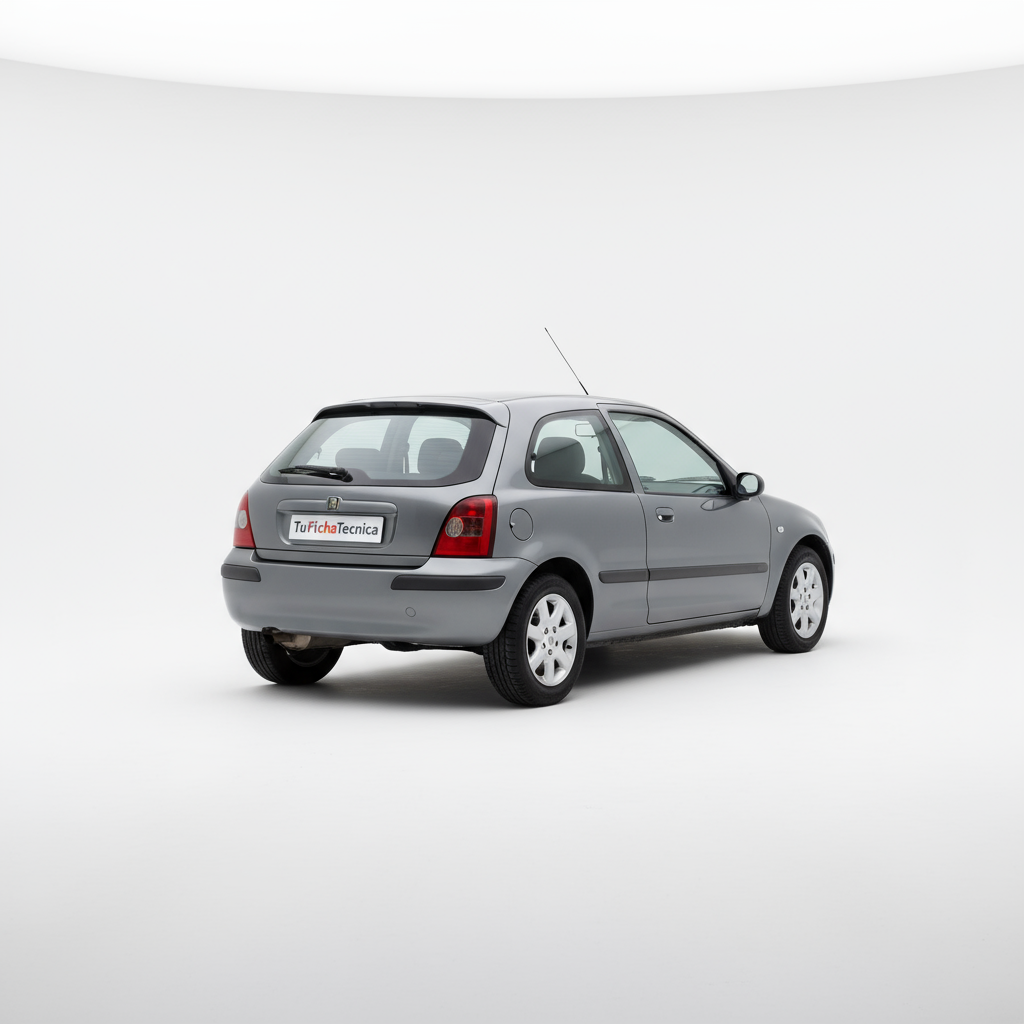
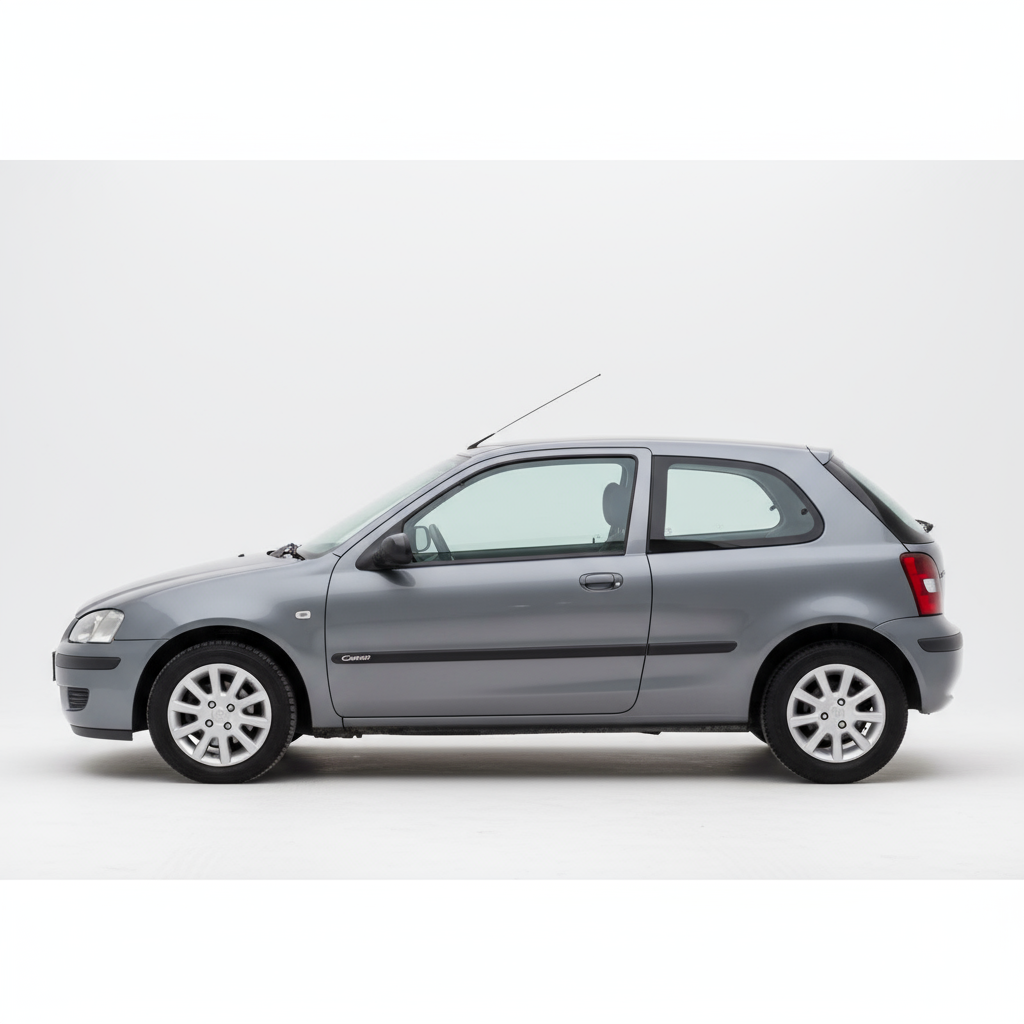
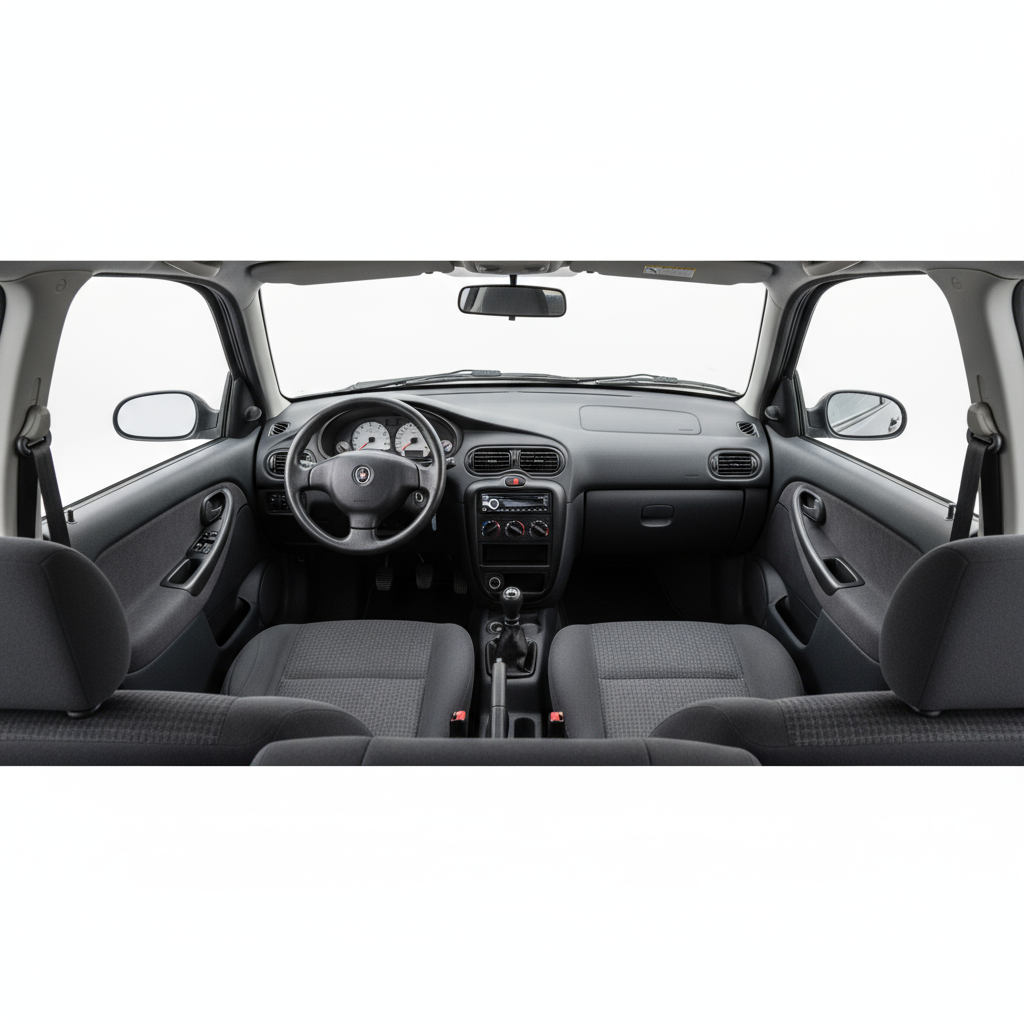
The design of the 3-door Rover 25 maintained the essence of the brand, with lines that, although compact, tried to evoke a certain British elegance. Its dimensions, with 3990 mm long, 1690 mm wide, and 1420 mm high, made it manageable in urban environments. The front, with Rover's characteristic headlights, gave it a recognizable personality. The interior, although functional, did not stand out for great luxuries, but offered enough space for five occupants and a 304-liter trunk, practical for daily use. The 15-inch wheels with 185/55 R15 tires completed a discreet aesthetic consistent with its proposal.
Technology and features
In the technological section, the Rover 25 2.0 SDI incorporated what was expected for a car of its segment and year. Its direct injection diesel engine with turbo and intercooler was a proven solution to offer a good balance between power and consumption. The 5-speed manual transmission was the standard option, without great innovations but effective. In terms of safety and comfort, it had front disc brakes and rear drum brakes, and stabilizers on both axles. It was not a showcase of the latest technology, but a vehicle that relied on reliable and proven solutions to fulfill its function.
Competition
In the market of the early 2000s, the Rover 25 2.0 SDI faced tough competition in the 3-door diesel compact segment. Its main rivals included models such as the Volkswagen Golf TDI, the Ford Focus TDCi, the Opel Astra DTI, or the Peugeot 206 HDi. Against them, the Rover tried to differentiate itself with a touch of distinction in design and a value proposition that combined efficiency with a certain air of exclusivity, although its price of 15,760 euros placed it in a competitive position within the market.
Conclusion
The Rover 25 2.0 SDI 100 HP was a car that, despite the brand's difficulties, offered a solid proposal for those looking for an efficient diesel compact with a different touch. It was not the most powerful or the most luxurious, but it more than fulfilled its purpose as a daily use vehicle. Its diesel engine, its contained consumption, and its characteristic design made it an interesting option for the time, a car that, over time, has maintained a place in the memory of those who value simplicity and functionality with a touch of personality.