
Especificaciones y análisis del Rover 200
Power
86HP
Torque
170Nm
Consumption
5.7l/100
Emissions
-g/km
0-100 km/h
12.9s
Top Speed
170km/h
Weight
-kg
Price
13,216€
Technical summary
Gasóleo
Manual 5v
FWD
5 / 3 doors
300 L
50 L
63 kW
Current
Technical specifications
Engine
Capacities
Detailed analysis of the Rover 220 D 3p · 86 CV (1999-2000)
General description
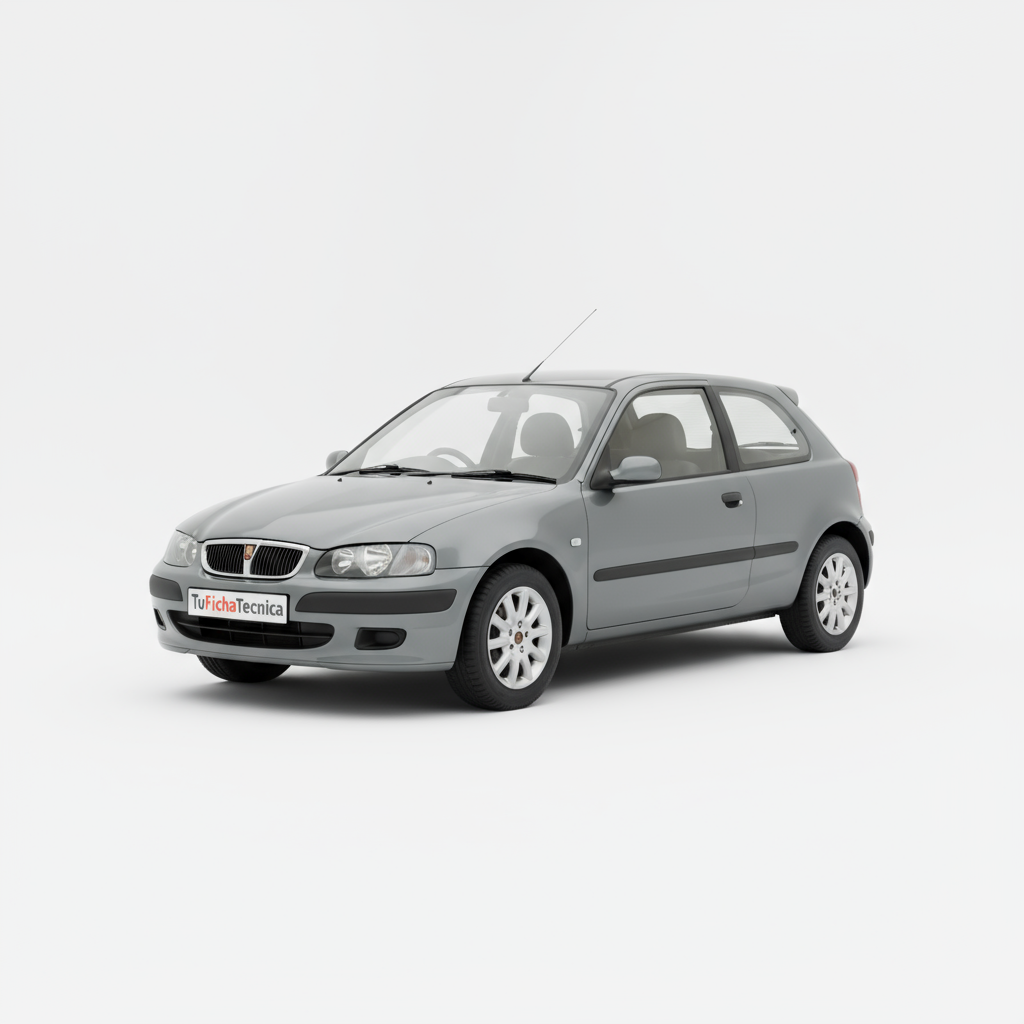
The 1995 Rover 200, in its 3-door 220 D version, was presented as a compact and diesel option in the market. Priced at €13,216, this model sought to offer an economical and functional alternative for daily use, maintaining the essence of the British brand.
Driving experience
Behind the wheel of the Rover 220 D, the feeling is of an honest and unpretentious car. Its 86 HP and 170 Nm of torque, delivered by a 1994 cc diesel engine, allow for an acceleration from 0 to 100 km/h in 12.9 seconds and a top speed of 170 km/h. It is not a car for strong emotions, but it performs competently in urban and interurban journeys. The 5-speed manual gearbox offers direct handling, and the combined consumption of 5.7 l/100km makes it an efficient travel companion.
Design and aesthetics
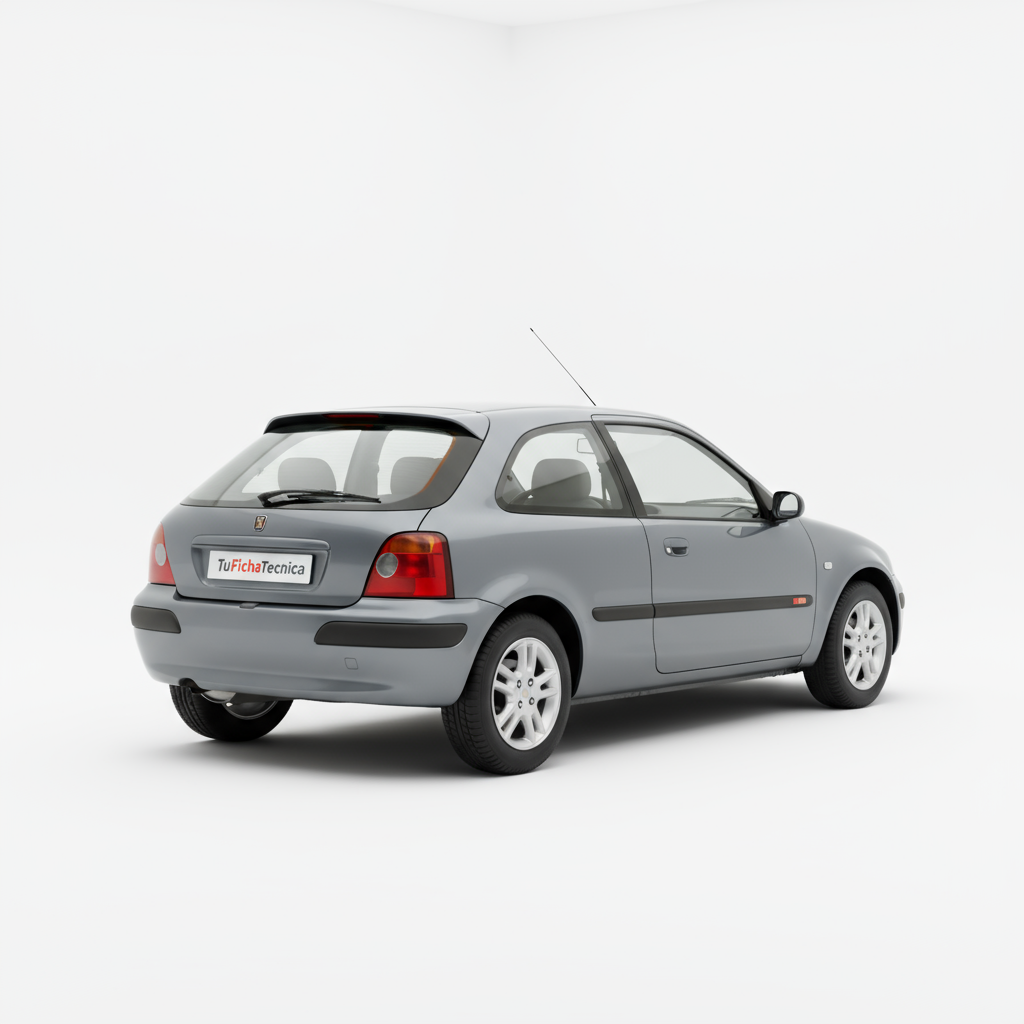
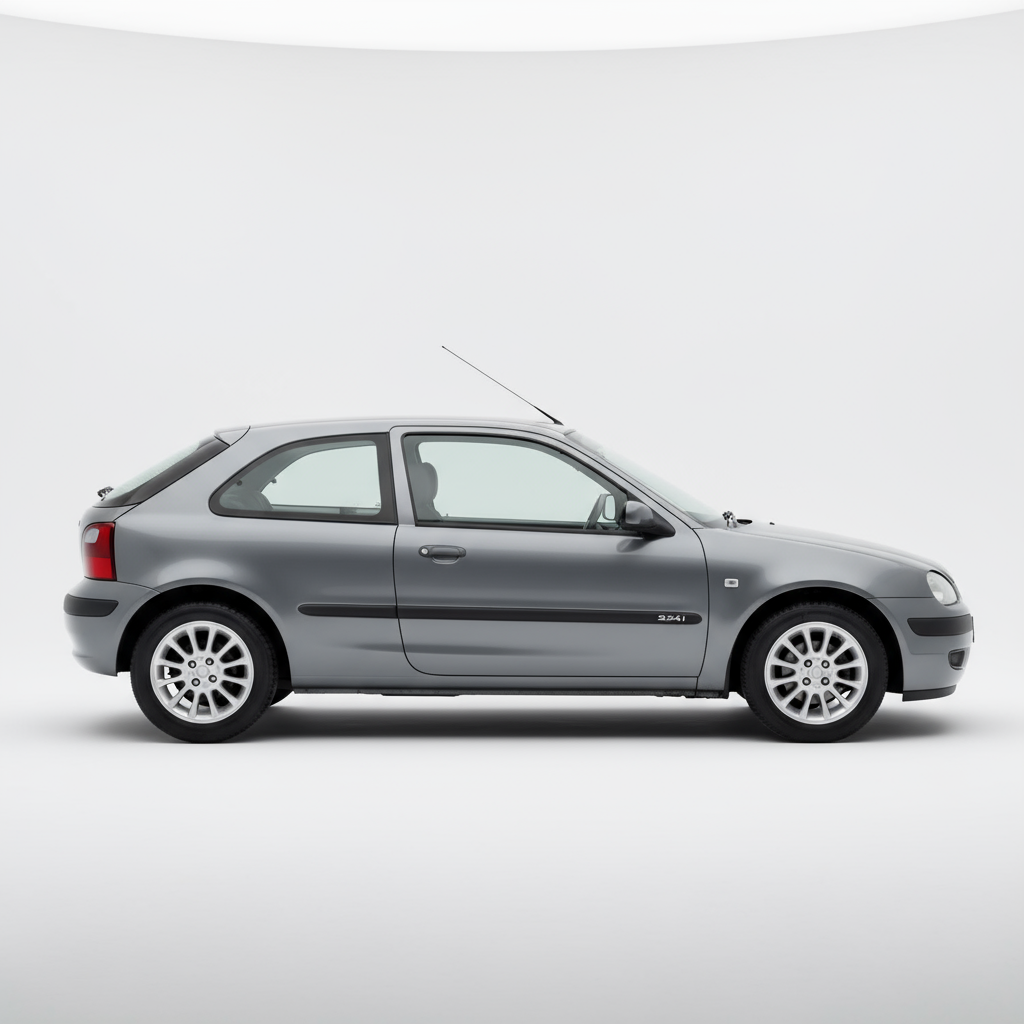
The design of the 3-door Rover 200 is classic and timeless, with soft lines and an aesthetic that evokes the sobriety of the era. Its compact dimensions (3970 mm long, 1690 mm wide, and 1420 mm high) make it agile in the city, while its 300-liter trunk offers reasonable capacity for its segment. The 14-inch wheels with 175/65 R14 T tires complement its discreet image.
Technology and features
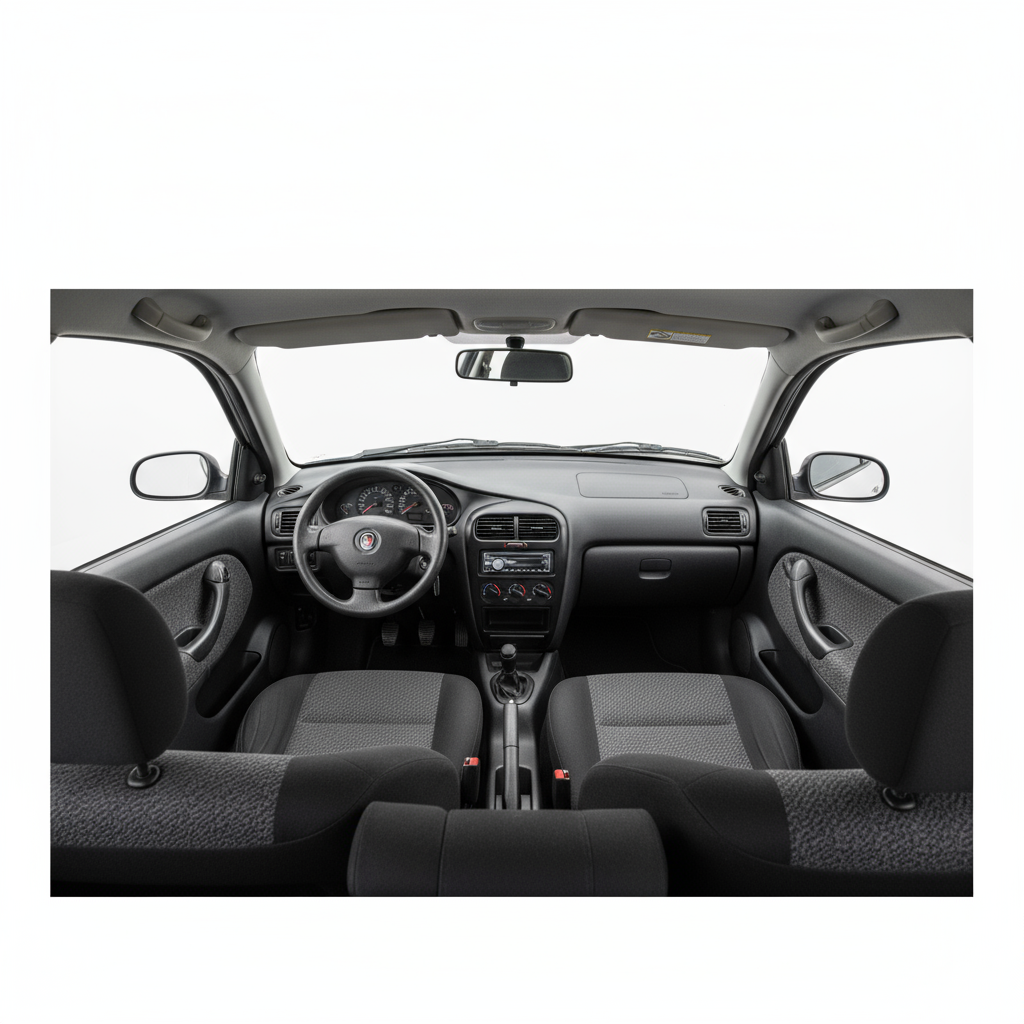
In terms of technology, the 1995 Rover 220 D sticks to the essentials. Its direct injection diesel engine with turbo, with an iron block and aluminum cylinder head, is an example of robust engineering of the time. The McPherson type front suspension and the trailing arm rear suspension with torsional element, along with stabilizer bars on both axles, seek a balance between comfort and stability. The front disc brakes and rear drum brakes are adequate for its performance.
Competition
At the time, the Rover 220 D competed with other compact diesels on the market, such as the Volkswagen Golf III 1.9 TDI, the Opel Astra 1.7 TD, or the Ford Escort 1.8 TD. Compared to them, the Rover offered an alternative with a distinctive British touch, although perhaps with less recognition in terms of mechanical reliability compared to some of its German rivals.
Conclusion
The 1995 Rover 200 220 D is a car that, despite the years, remains a testament to an era. It is a practical vehicle, economical in consumption, and with a design that, although not dazzling, maintains its dignity. For those looking for a functional classic with a touch of automotive history, this Rover can be an interesting option, as long as its age and the technological limitations it implies are taken into account.